

Down in the southeastern corner of Gansu Province, where the loess plateau finally dissolves into the green mountains of Sichuan and Shaanxi, Longnan is a forgotten corner of China that feels almost like another country. Cool rivers cut through deep gorges, terraced fields climb the slopes, and Qiang and Tibetan villages cling to the hillsides. For travelers tired of the usual Silk Road script, a Longnan travel guide is an invitation to the China that tour groups rarely reach.
Longnan is the wettest, greenest part of Gansu, a province better known for deserts and dunes. Its position at the meeting point of three provinces gives it a cultural mix you will not find in Lanzhou or Dunhuang, and its scenery has earned comparisons with the famous valleys of Sichuan, minus the crowds.
Why Visit Longnan
Longnan offers three things at once: dramatic gorge scenery, living ethnic minority culture, and genuine off-the-map quiet. The Guan’e Valley in particular delivers waterfalls, emerald pools and forest trails that rival better-known spots, while the surrounding villages let you see traditional stone architecture and handicrafts up close. It is the kind of destination that rewards slow travel and a willingness to wander.
How to Get to Longnan
Longnan is now reachable by high-speed rail, with the Longnan Station on a line connecting Lanzhou to the south and Chengdu beyond. The ride from Lanzhou takes roughly three to four hours, and from Chengdu a little longer. If you are coming from farther afield, our Lanzhou travel guide is the natural planning hub for Gansu, and our China high-speed train guide for foreigners explains how to book the journey with a foreign passport. Within the region, the gorges and villages are spread out, so a hired car or a local tour is the practical way to move between sights.
Best Time to Visit Longnan
Late spring through early autumn is best, when the mountains are green and the rivers full. Our best time to visit China guide places the Gansu southeast in a mild, humid band, but locally May to June and September to October are the sweet spots, with comfortable hiking and clear gorge views. July and August are lush but can be rainy, which sometimes swells the rivers and closes trails. Winters are cold and quiet, with fewer services in the villages, so most travelers avoid the off-season here.
Top Things to Do in Longnan
- Guan’e Valley (Guan’egou): The headline sight and the focus of our Guan’e Valley guide. Wooden boardwalks lead past tiered waterfalls, turquoise pools and ancient pine forest; a cable car saves the climb on busy days.
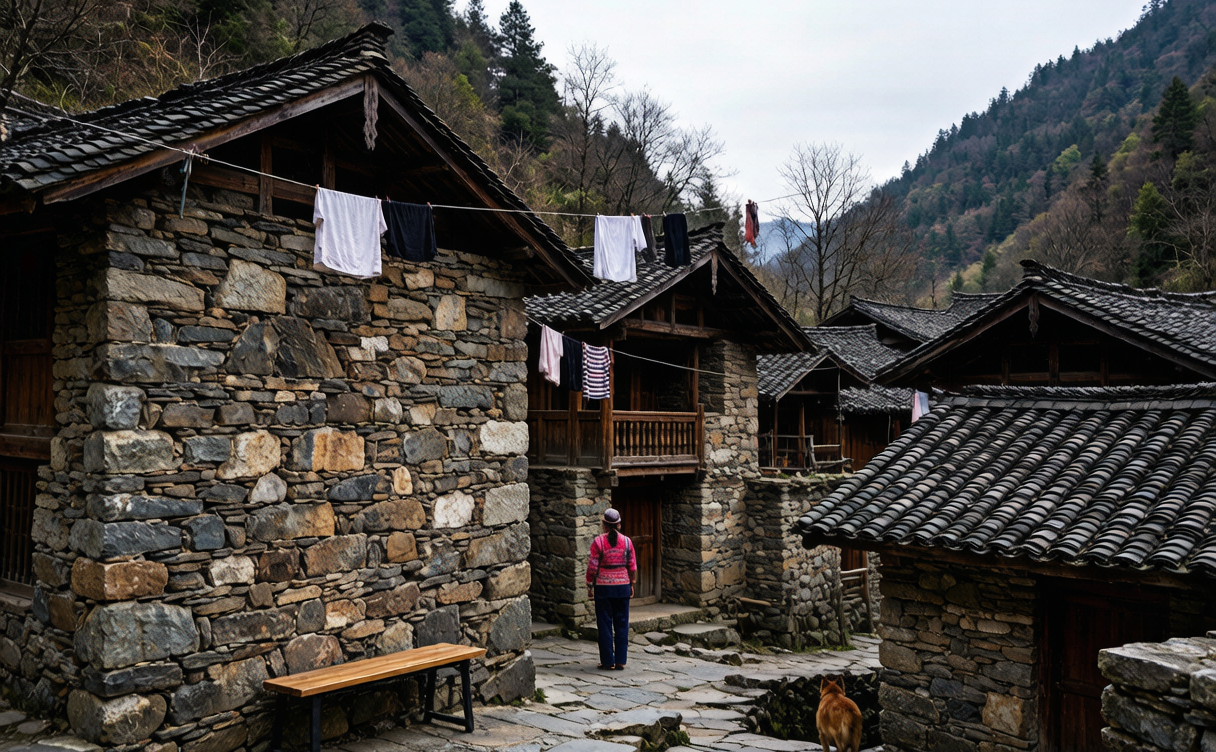
- Qiang ethnic villages: Scattered through the hills, these stone tower-houses and watchtowers are home to one of China’s oldest ethnic groups. A few villages welcome visitors with embroidery demonstrations and homemade food.
- Bikou Ancient Town: A former tea-horse road stop on the Bailong River, with old wooden shops and a slow riverside rhythm.
- Wentong Mountain and forest parks: Good for day hikes, wildflowers and birdwatching away from the main valley.
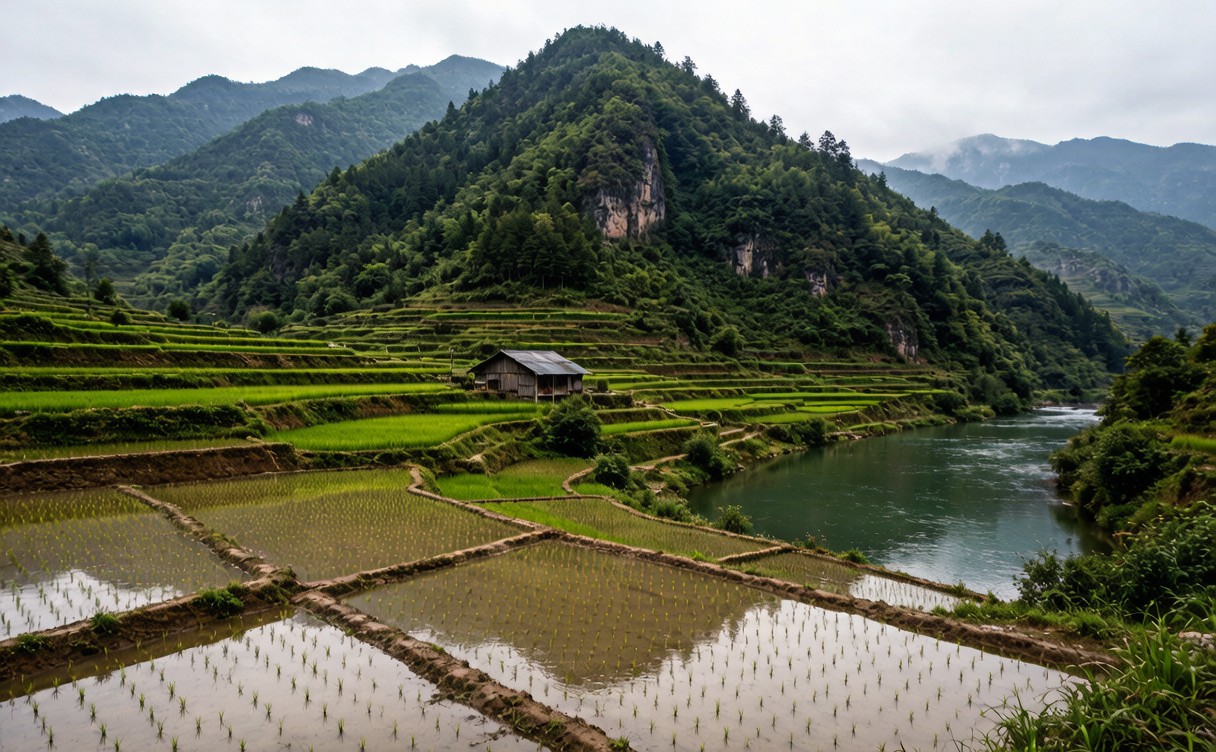
- Bailong River scenic drive: The road itself is the attraction, winding along a jade-colored river between steep green walls.
Longnan Food Guide
Longnan cooking sits between Gansu and Sichuan, which means it is flavorful, a little spicy, and built on mountain produce. Try the local cured pork, wild mushroom dishes in season, and buckwheat noodles that reflect the highland climate. The Bailong River yields fresh fish, and the villages offer barley and corn breads you will not find in the cities. Street food in Longnan city centers on skewers, hand-pulled noodles and sweet potato snacks. Because the region is firmly off the standard route, our China off-the-beaten-path guide is the right companion for building a longer journey through these southern Gansu hills, and Longnan is one of its standout entries.
A Suggested Two or Three-Day Longnan Itinerary
Day one: arrive by train from Lanzhou, settle in Longnan city, and take an easy afternoon walk along the Bailong River.
Day two: full day at Guan’e Valley, riding the shuttle and walking the boardwalks to the upper waterfalls, then returning for a village dinner.
Day three: visit a Qiang village or Bikou Ancient Town, or add a forest hike before an evening train out.
Travelers with more time can use Longnan as a stepping stone toward Sichuan, following the river south into scenery that grows ever greener.
Practical Tips for Foreign Visitors
- Transport: Trains reach the city, but the valleys need a car; arrange a driver through your hotel for the day.
- Language: English is extremely rare; a translation app and offline maps are essential off the main line.
- Accommodation: Longnan city has the best hotels; the villages offer basic guesthouses, charming but limited.
- Weather: Mountain weather shifts fast; pack a rain layer and sturdy shoes for the boardwalks.
Longnan is proof that Gansu is far more than desert, and it rewards travelers who value landscape and local life over landmarks. For a factual overview of the region, the Wikipedia entry on Longnan is a helpful pre-trip reference.
Where to Stay
Base in Longnan city for comfort and connectivity, then make day trips into the valleys. If you want to experience village life directly, a basic guesthouse in or near Guan’e Valley lets you catch the morning mist over the pools, though facilities are simple and booking ahead is wise in peak season.
Getting Into the Gorges
The Guan’e Valley is large, and the upper trails are a real walk, so wear good shoes and start early to enjoy the waterfalls before the day-trippers arrive. A cable car covers part of the climb, but the boardwalks themselves are the highlight, passing pools that shift from jade to cobalt with the light. Combine the valley with one village visit for a full, satisfying day that captures everything Longnan does best.
Village Etiquette and Photography
When you visit the Qiang and Tibetan villages, a little courtesy goes a long way. Ask before photographing people, and consider offering a small purchase or a greeting in return for a portrait. Many homes display woven textiles and carved beams that are family heirlooms rather than souvenirs, so do not handle them without permission. Dress modestly, especially near any temple or prayer site, and keep your voice low. If you are invited to share a meal, accept with both hands and try a little of everything; refusal can be read as impolite. These communities see few foreign faces, and a respectful visit is far more memorable than a quick photo stop.
When to Slow Down
Longnan rewards unhurried travel more than most destinations. Rather than racing between gorges, spend an extra morning at one waterfall or sit with a village elder over barley tea. The region’s charm lies in its quiet rhythms, and the best experiences are rarely the ones on a strict schedule. Local guesthouses often serve dinner family-style, and staying in one lets you hear the river at night, a sound worth the basic comforts you trade away.