

Just across the Wei River from Xi’an lies Xianyang, the city that served as the capital of China’s first unified empire. While millions of visitors flock to Xi’an for the Terracotta Army, far fewer cross the river to walk the ground where Qin Shi Huang ruled and where generations of Han and Tang emperors were buried in enormous earthen mounds. For history-minded travelers, a Xianyang travel guide is the natural extension of any Xi’an trip, trading crowd-packed spectacle for quiet,开放式 imperial tomb country.
Xianyang was the western capital of the Qin Dynasty more than two thousand years ago, and its name means “north of the mountain, south of the river,” a traditional auspicious description of its geography. Today it is a calm, modern city with excellent rail links and a remarkable concentration of tombs and museums within easy reach.
Why Visit Xianyang
The draw here is imperial burial culture. Unlike the busy Terracotta Warrior pits, Xianyang’s tombs are open, grassy and contemplative, often with only a handful of other visitors. You can stand atop the tumulus of a Han emperor, examine carved stone beasts that have weathered sixteen centuries, and feel the scale of early Chinese monarchy without the tour-bus noise. For many, this is the more authentic encounter with the Qin and Han legacy.
How to Get to Xianyang
Xianyang is effectively a suburb of Xi’an and is even easier to reach than the provincial capital itself. The city has its own airport, Xi’an Xianyang International, and a metro and commuter rail link that connects it to central Xi’an in well under an hour. High-speed trains also stop at Xianyang West. If you are arriving from another city, our Xi’an travel guide is the best place to start your planning, since most visitors base in Xi’an and make Xianyang a day or overnight trip. For the train journey itself, our China high-speed train guide for foreigners covers tickets and stations in plain language.
Best Time to Visit Xianyang
The same calendar that suits Xi’an suits Xianyang. Our best time to visit China guide highlights spring and autumn as the comfortable windows, and locally April to May and September to October are best for walking the open tomb sites and countryside. Summers are hot, and the exposed mounds offer little shade, so an early start is wise in July and August. Winters are cold but crisp, and the bare trees can make the ancient stone beasts look especially dramatic.
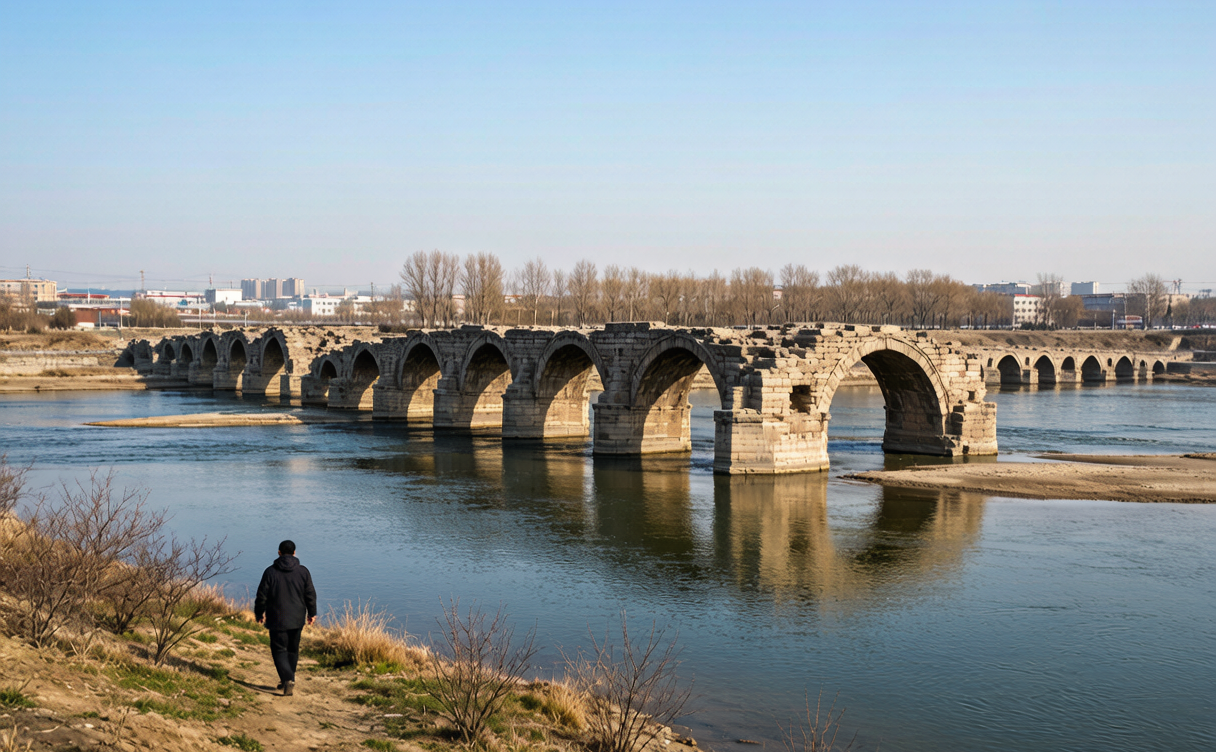
Top Things to Do in Xianyang
- Maoling Mausoleum: The tomb of Emperor Wu of Han, the most powerful ruler of the Han Dynasty, surrounded by a museum of exquisite Han stone carvings, including the famous “Horse Trampling Xiongnu” sculpture. This is the centerpiece of any Xianyang tombs visit.
- Yangling (Han Jingdi Mausoleum): Famous for its underground museum, where you walk on glass above a pit of miniature pottery figurines, the so-called “army of dwarfs,” arranged as they were buried.
- Xianyang Museum: Housed in a former Confucian temple, it displays local Han figurines and explains the city’s role as Qin capital with clear exhibits.
- Zhengguo Canal heritage area: An ancient irrigation works that turned the Guanzhong plain fertile, a feat of early engineering worth a half-day.
- Wei River riverside: A pleasant place to watch local life and see the water that defined the old capital’s fortunes.
Xianyang Food Guide
Xianyang shares the hearty Guanzhong plain cuisine of Xi’an but at lower prices and with a calmer setting. Start with roujiamo, the “Chinese hamburger” of stewed pork in flatbread, and biangbiang noodles, wide belts of wheat tossed in chili oil. Liangpi, cold sesame noodles, make a refreshing break in summer. The city’s night market and the streets near the old city wall are the best hunting grounds. For travelers assembling a wider wish list, our China bucket list attractions guide flags the Han tomb museums here as a worthy contrast to the Terracotta Army, and our China travel guide for first-timers explains how to fit Xianyang into a debut China trip.
A Suggested One or Two-Day Xianyang Itinerary
Day one: arrive from Xi’an in the morning, visit the Xianyang Museum, then head to Maoling in the afternoon for the mausoleum and its stone carvings. Evening in the city.
Day two: spend the morning at Yangling and its underground museum, return for lunch, and use the afternoon for the Wei River riverside or the Zhengguo Canal if you have hired transport.
Because Xianyang is so close to Xi’an, many travelers do it as a single long day, but an overnight stay lets you reach the tomb sites before the midday heat and the small tour groups.
Practical Tips for Foreign Visitors
- Transport: From Xi’an, the metro and commuter rail are cheapest; a Didi ride is fastest. For the outlying tombs, hire a car with a driver for the day.
- Tickets: Sites sell at the gate; carry cash and your passport. Combo tickets for several tombs sometimes offer savings.
- Shade and water: The tomb parks are exposed; bring a hat and water in warm months.
- Guides: On-site English explanation is limited, so a downloaded audio guide or a local guide booked in advance adds a lot.
Xianyang is where China’s imperial story literally rises from the ground, and it rewards the curious far more than its modest profile suggests. For a concise factual background, the Wikipedia entry on Xianyang is a useful reference before you go.
Where to Stay
Most visitors base in Xi’an and commute, but Xianyang has serviceable hotels near the railway station and the old city at lower prices than the Xi’an center. Staying in Xianyang suits travelers who want an early start at the tombs or a quieter evening away from the big-city bustle.
Making the Most of Tomb Country
The tombs are spread across the flat plain, so planning your route matters. Maoling and Yangling lie in different directions, and public buses are slow; a hired car for the day is the efficient choice. Give each major site at least two hours, and resist the urge to rush, since the quiet atmosphere is the real attraction. Combine the trip with Xi’an’s city walls and the Muslim Quarter for a complete picture of the Guanzhong heartland.
A Brief History of the Capital
To appreciate the sites, it helps to know the timeline. Xianyang rose under the Qin, who unified China in 221 BC and standardized writing, weights and coinage here. When the Han followed, they moved their capital east to Chang’an, the site of modern Xi’an, but continued to bury emperors in the Xianyang hinterland because the plain’s feng shui was considered ideal. The result is a layered landscape where Qin foundations lie beneath Han mounds, and Tang royalty were laid to rest nearby as well. Standing on a quiet tumulus, it is easy to feel how recently this was the center of a civilization, and how much of that story still waits underground. Give yourself at least one full day here, because the tombs reward slow looking far more than a rushed checklist ever could.