

Aksu, Xinjiang, China sits on the northern rim of the Tarim Basin, where the Tarim River bends through one of the driest yet most historically rich corners of the country. For travelers building an Xinjiang travel guide into their plans, Aksu is the logical jumping-off point for the region’s deepest Silk Road heritage. Unlike the better-known Turpan or Kashgar, Aksu, Xinjiang, China rewards visitors who slow down: ancient Buddhist cave temples, golden autumn poplar forests, and the edge of the Taklamakan Desert all sit within a short drive. This Aksu travel guide covers what to see, how to get there, when to go, and what to eat, with practical notes for foreign visitors exploring Xinjiang, China.
Why Visit Aksu
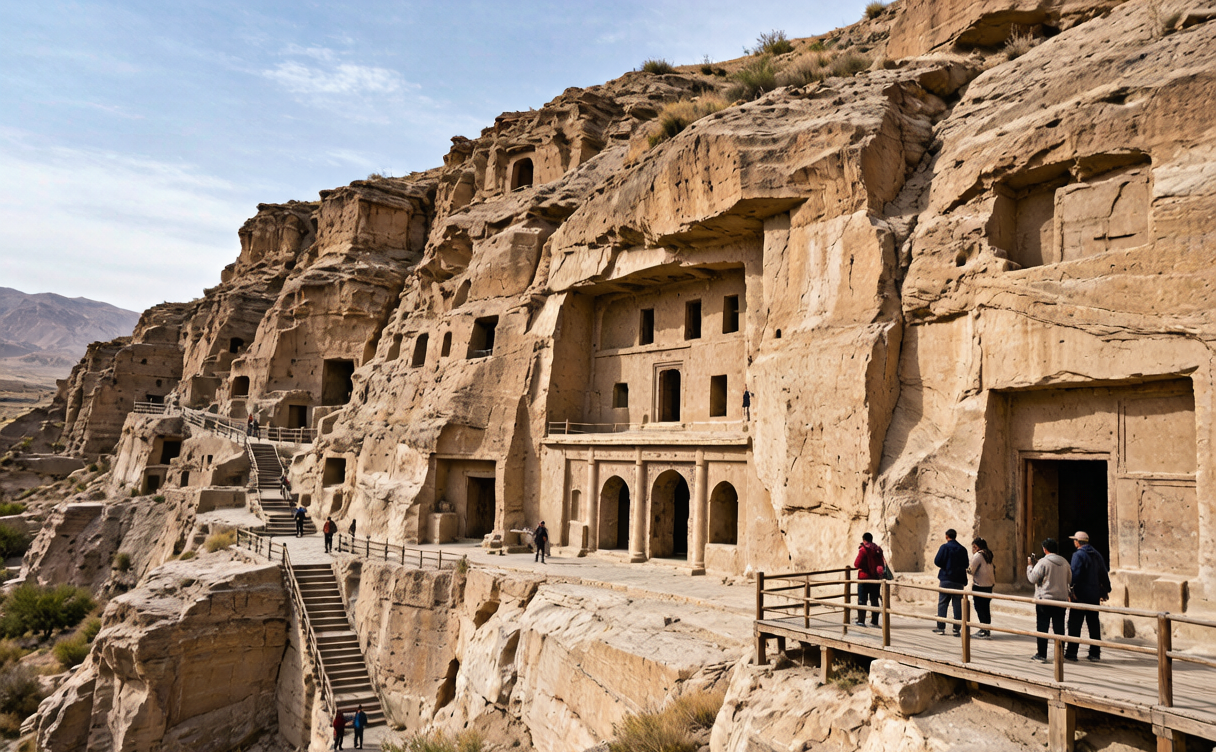
Things to do in Aksu center on two themes: early Buddhist art and desert-oasis nature. The Kizil Grottoes, about 70 kilometers northwest of the city, are the oldest and largest Buddhist cave complex in Xinjiang, China, with murals dating from the 3rd to the 8th century. The cave paintings here predate those at Dunhuang and show a remarkable blend of Indian, Persian, and local influences. For a deeper look, our Kizil Grottoes guide explains which caves are open and how the murals were restored.
The second draw is the landscape. The Tarim River and its ribbon of Populus euphratica, the desert poplar, turn brilliant gold in late October and early November. Locals call it the sea of gold, and it is one of the most photographed natural spectacles in Xinjiang, China. The contrast of gold leaves against the blue desert sky, with the snow-tipped mountains of the Tian Shan faint on the horizon, is the image most visitors remember.
Aksu also preserves a living oasis culture. The city’s bazaars, bakeries, and teahouses give a sense of how trade routes sustained communities for two thousand years. Spending a morning simply walking the old commercial streets is as rewarding as any ticketed sight, and it costs nothing but your time.
Getting to Aksu
How to get to Aksu is straightforward thanks to China’s rail and air network. Aksu Airi Airport has daily flights from Urumqi, and the city is a stop on the southern Xinjiang railway, with comfortable sleeper and high-speed services. Many foreign travelers arrive from Urumqi after reading our high-speed train guide for foreigners, which explains ticket booking and ID requirements.
From Aksu city, the Kizil Grottoes are reached by hired car or tour; public buses run but are infrequent, so a private driver is the practical choice for a half-day trip. Within the city, taxis and ride apps cover most needs, and the center is compact enough to explore on foot between meals.
The route through Aksu forms part of the historic Silk Roads, recognized by UNESCO as a World Heritage corridor; you can read the official description at UNESCO’s Silk Roads listing.
Best Time to Visit
Best time to visit Aksu is autumn, from September to early November. The poplar forests peak in late October, and daytime temperatures sit comfortably in the teens Celsius. Spring brings dust storms and strong winds, while summer is intensely hot, often above 35°C in the shade. Winter is cold but clear, and hotel prices drop. For climate detail across the wider region, see our best time to visit Xinjiang page, which breaks down each season for travelers.
What to See Around Aksu
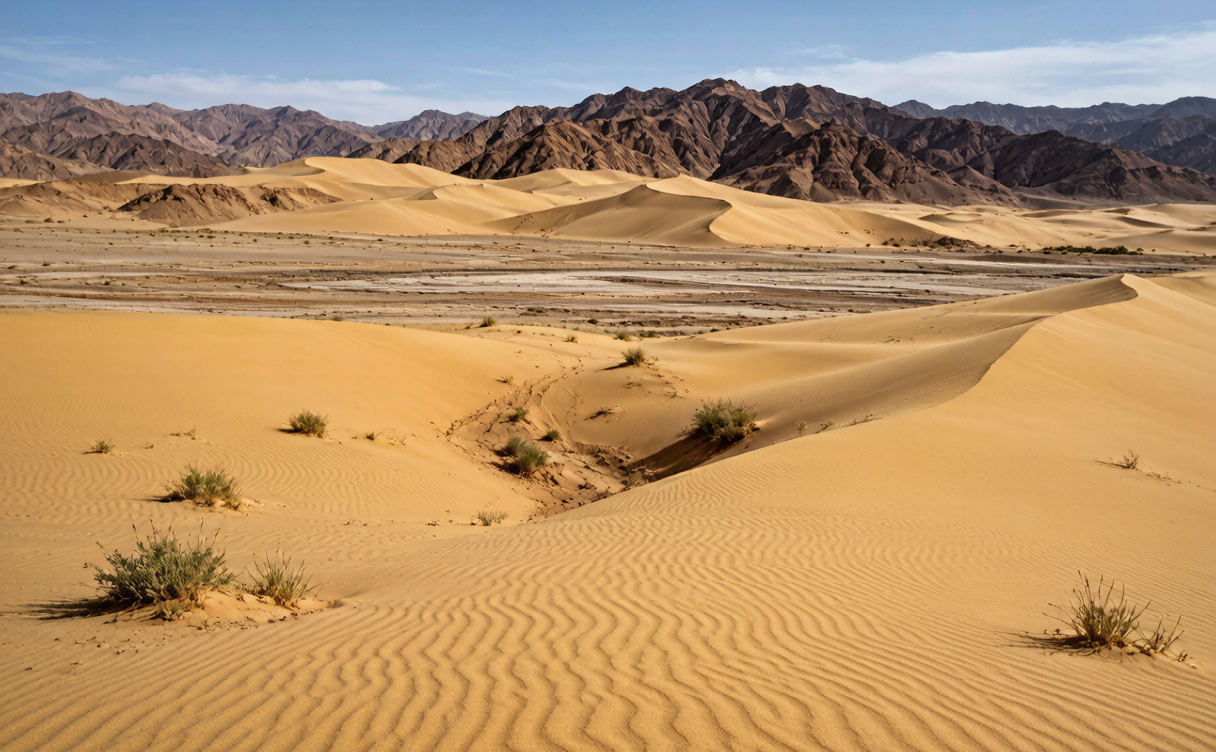
Beyond the grottoes, the Taklamakan Desert edge offers dune walks and camel rides near the oasis. The Aksu Museum gives context on the Silk Road and the local Uyghur, Han, and other communities that have lived here for centuries. The Silk Road itinerary in China we publish pairs Aksu with Kuqa and Korla for a multi-day southern route that follows the old caravan line.
A day trip west to Kuqa adds the Kizil caves and the Subash ruins, the remains of an ancient Buddhist kingdom, making Aksu a comfortable base for two or three nights rather than a single stop. The regional road network is good, but distances are long, so plan one major sight per day.
Aksu Food Guide
Aksu food guide highlights are dominated by the region’s agriculture. Aksu is famous across China for its crisp, sweet apples, and the local melons and grapes are excellent in summer. Uyghur cuisine is the staple: hand-pulled laghman noodles, polo, a rice dish with carrot and lamb, samsa, baked meat pastries, and freshly baked naan from neighborhood tandoors. Night markets near the city center serve kebabs and the thick yogurt drink called dugh.
Vegetarians will find flatbreads, lentil soups, and tomato-based noodle dishes, though broths often contain meat, so ask specifically. Meals are inexpensive, and portions are generous enough to share.
Local Crafts and Bazaars
Aksu’s bazaars are where the Silk Road feels most alive. The Sunday market on the city edge draws farmers and traders from surrounding oasis towns, with piles of dried fruit, nuts, spices, and the hand-woven carpets that Xinjiang, China is known for. Bargaining is expected but gentle; a smile and a translation app go further than hard negotiating.
Look also for Uyghur musical instruments, particularly the dutar and rawap, sold in small workshops near the old town, and for block-printed cloth and embroidery that make lightweight souvenirs. The Aksu Artisan Center, on the museum grounds, demonstrates woodturning and knife-making, two crafts with long local histories. Spending an hour here connects the cave art you saw at Kizil to the living handwork of the region.
Practical Tips for Foreign Visitors
Foreign visitors to Xinjiang, China should carry their passport at all times, as identity checks are common at transport hubs and hotels. Mobile payment apps and translation can be limited outside major cities, so download offline maps before arriving. Photographing military or border areas is prohibited, and drones require permits obtained in advance.
ATMs that accept foreign cards are found at the airport and major banks, but carry some cash for markets and small restaurants. A local SIM or eSIM helps with navigation, and a translation app bridges the language gap in rural spots. With those basics sorted, Aksu, Xinjiang, China is a safe, welcoming, and deeply rewarding stop.
Aksu is a rewarding, less-crowded base for exploring the heart of the ancient Silk Road within China, and it pairs naturally with the rest of a Xinjiang journey. Plan for a slower rhythm than the big cities: shops close for midday rest in summer, and the best light for photography arrives early and late. With patience, Aksu, Xinjiang, China reveals itself as one of the most authentic stops on any western China route.
Suggested Itinerary
A relaxed three-day Aksu plan works well. Day one covers the city and museum. Day two is the Kizil Grottoes and a poplar forest stop if in season. Day three heads to the desert edge or continues by train toward Kuqa for the Subash ruins.
If you are short on time, prioritize the grottoes and one sunset at the poplar belt, which together capture the essence of Aksu, Xinjiang, China.
Where to Stay
Aksu city has a range of hotels from international chains to local guesthouses. Stay near the center for easy food and transport. Book ahead during the October poplar season, when rooms fill with domestic photographers who travel specifically for the golden canopy.