

Carved into the cliffs above the Muzat River about 70 kilometers northwest of Baicheng county, the Kizil Grottoes are the oldest and largest Buddhist cave complex in Xinjiang, China. Excavated from roughly the 3rd to the 9th century by the Kingdom of Kucha, they sit on the northern branch of the Silk Road, where monks, merchants, and pilgrims once moved between the Tarim Basin and the cities of Central Asia. Most foreign travelers plan a Xinjiang trip around Kashgar or Turpan, but the Kizil Grottoes deserve a deliberate stop if you care about early Buddhist art. The murals here are blue-toned, linear, and strikingly different from the gold-heavy caves of Dunhuang. They record a moment when Indian, Persian, and Hellenistic styles met on Chinese soil, centuries before the great Tang-era paintings farther east. This Kizil Grottoes guide covers how to reach the site from Aksu, when to go, and what to look for once you are inside. For broader regional context, our Aksu travel guide maps the whole prefecture and its quieter Silk Road sites.
A quick history of the caves
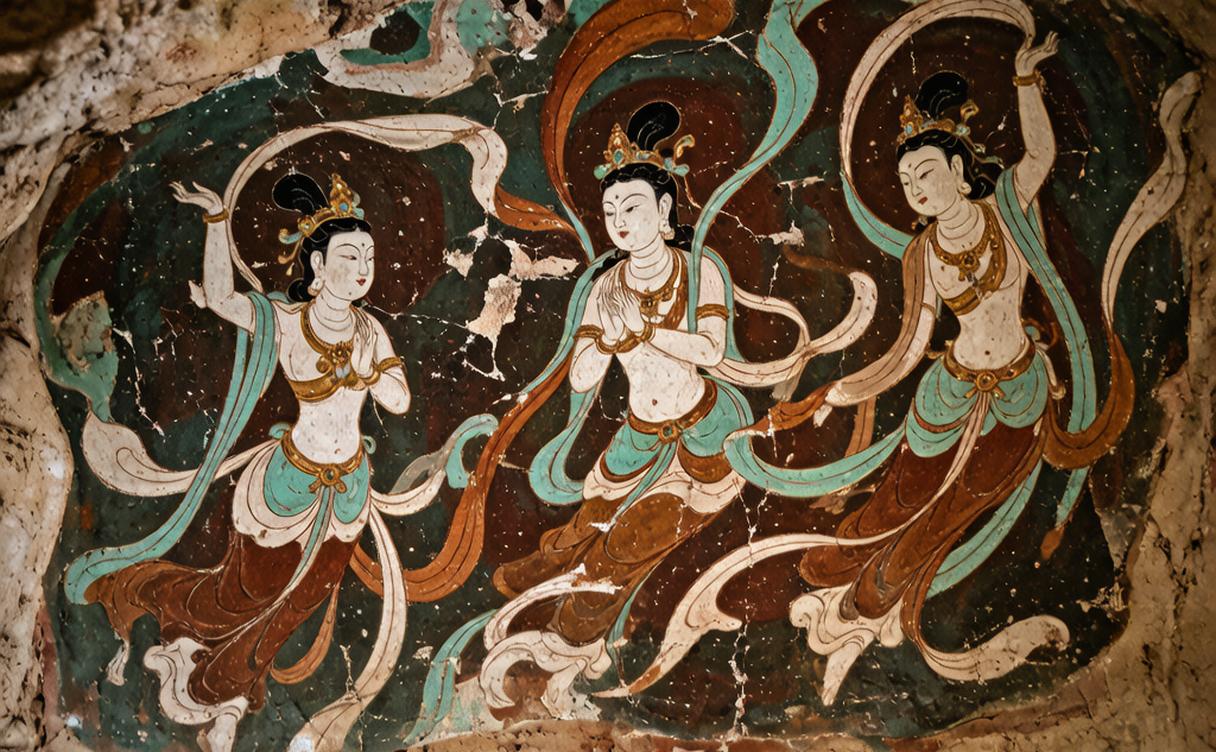
The Kizil Grottoes were sponsored by the rulers of Kucha, one of the most powerful oasis states on the northern Silk Road. At its height the complex held more than 230 cave temples, of which around 80 survive with recognizable murals. The art belongs to what scholars call the Serindian tradition — a blend of Gandhara, Sasanian Persia, and local influences that you will not find in a single coherent form anywhere else. What sets the Kizil murals apart is their palette. A deep azurite blue, ground from imported lapis lazuli, forms the background for Jataka tales and scenes from the life of the Buddha. The famous “diamond throne” Buddhas and the early flying apsaras here predate much of the painting at Mogao by several centuries. When you stand in Cave 38 or the central pillar caves, you are looking at one of the earliest sustained programs of Buddhist narrative painting anywhere in East Asia.
How to get to Kizil Grottoes from Aksu
The most practical base is Aksu city, which has an airport with flights from Urumqi and a high-speed rail link on the Lanzhou–Xinjiang line. From Aksu you can hire a driver or join a private transfer for the roughly 120-kilometer drive northwest toward Baicheng, then continue another stretch up the Muzat valley to the site. Public buses run Aksu to Baicheng, but the final leg to the grottoes is easiest with a car. If you are building a longer route, the caves pair naturally with Kucha (Kuqa) old town, about an hour east of Baicheng. Knowing how to get to Kizil Grottoes matters because there is no food, fuel, or shade near the entrance, so arrive with water and a full tank. For train logistics across the region, see our China high-speed train guide for foreigners.
Best time to visit Kizil Grottoes
The best time to visit Kizil Grottoes is late spring (May) or early autumn (September to October). Summers in the Tarim Basin are ferociously hot, regularly above 35°C, and the cliff face offers no relief. Winter is cold but clear, and you may have the site almost to yourself. Aim to arrive when the ticket office opens, around 10 a.m., so the low morning light catches the cliff and you beat any midday tour groups coming from Urumqi or Kashgar. The site closes on Mondays for maintenance in some seasons, so confirm before you travel. Because the caves sit in a rain-shadow desert, weather is predictable — dust storms are the main wildcard, usually in spring.
What to see: the murals and Buddhist art
The Kizil murals are the reason to come, and the open caves are shown on a rotating basis to limit light damage. Look for the diamond throne images in the central pillar caves, where the Buddha is framed by a rhomboid halo, and the Cave of the Sixteen Sword Bearers, known for its rows of armored guardians. The narrative friezes — painted in registers around the walls — illustrate previous lives of the Buddha with a sense of movement that feels almost cinematic. Kizil Buddhist art is unmistakably cosmopolitan: you will spot Persian robes, Hellenistic drapery, and Indian mudras side by side. Photography inside the caves is forbidden, so train your eye rather than your camera. A local guide is worth hiring at the entrance; the storytelling makes the shorthand of the frescoes legible. If you want to thread these caves into a longer desert route, our China Silk Road itinerary links them to Turpan, Dunhuang, and Xi’an.
One detail worth slowing down for is the ceiling decoration. Unlike the flat heaven scenes of later caves, Kizil painters covered vaulted ceilings with rows of diamonds, each enclosing a seated Buddha or a nature spirit — a visual theology that turns the roof into a sky of repeated enlightenment. This “diamond vault” scheme is signature to the Kucha school and barely appears elsewhere. Reading it from the cave floor, you see how the monastery turned geometry into devotion centuries before the Tang perfection of the east.
Practical tips before you go
Wear sturdy shoes — the path between cave clusters involves uneven stone steps and some climbing. Bring a headlamp if you want to peer into the unlit antechambers, though most open caves have fixed lighting. Modest dress is appreciated at this active heritage site, even though it is no longer a working monastery. The on-site museum near the entrance displays relocated fragments and panels explaining the conservation work, which is run in cooperation with the Xinjiang archaeological authorities. Give yourself at least two hours, plus travel time. Combine the visit with the nearby Kucha ruins and the Subashi temples if you have a full day. For a wider lens on the province, our Xinjiang travel guide covers permits, routes, and seasonal advice.
The Kizil Grottoes are part of the UNESCO-listed Silk Roads serial nomination, recognized for their role in the exchange of Buddhist art across Eurasia (see the UNESCO World Heritage entry).
A note on context and conservation
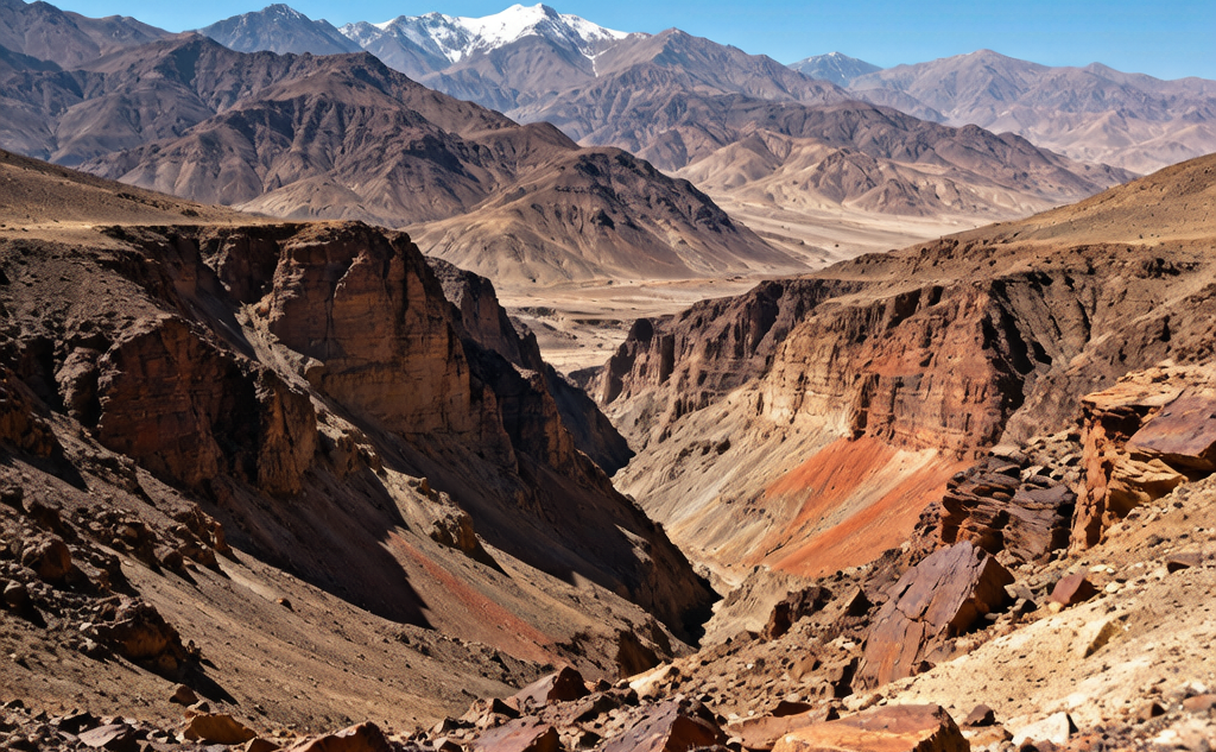
It is worth being candid about the site’s complicated modern history. Many of the finest Kizil mural fragments were removed by foreign expeditions in the early 20th century and now sit in museums in Berlin, Tokyo, and elsewhere. What remains in Aksu, Xinjiang, China is protected and gradually studied, with several caves closed to the public for conservation. Seeing the originals in place, even partially, gives you a sense of scale and setting that no museum vitrine can. The cliffs, the dry river, and the silent valley are part of the experience.
Who should visit
If your interest is purely scenic, the drive and the cliff face may be enough. But if you are the kind of traveler who seeks out the early, imperfect, and overlooked, the Kizil Grottoes reward the effort. They sit comfortably alongside the better-known caves of Dunhuang as a counterpoint — older, bluer, and far quieter. Pair them with a few days in Kashgar or the Taklamakan’s edge for a trip that feels like real exploration rather than checklist tourism.
Combining Kizil with a wider Xinjiang route
The grottoes work best as one stop on a northern Silk Road arc rather than a lonely detour. From Aksu you can head east toward Korla and Turpan, or west to Kashgar and the Pamir fringe. If murals are your main interest, pair Kizil with the smaller Kumtura and Simsim caves nearer Baicheng, which share the same Kucha-school painting but see almost no visitors. A realistic plan is two nights in Kuqa: one for the grottoes and the Subashi temple ruins at the river mouth, one for the old town and its Sunday bazaar. Trains and flights from Aksu make this easy to slot between Urumqi and Kashgar without backtracking.
Final thoughts
The Kizil Grottoes will not wow you with scale the way the Great Wall does. They are subtle, damaged, and remote, and that is exactly their appeal. Go for the blue murals, stay for the silence of a Silk Road valley that has changed less than you might expect. Plan your transport from Aksu carefully, respect the no-photography rule, and let a guide fill in the stories the paint can no longer tell on its own.