

Huizhou lies on the eastern shore of the Pearl River Delta in Guangdong, China, about an hour from Shenzhen and two from Guangzhou. This Huizhou travel guide covers its Taoist mountain, a calm city lake, a stretch of coastline, and a food scene shaped by Hakka and Cantonese traditions. It pairs well with our Guangzhou travel guide for a wider Guangdong route.
Why Visit Huizhou
Things to do in Huizhou begin with Luofu Mountain, one of the sacred Taoist peaks of southern China, with misty ridges, temples, and forest trails. Our Luofu Mountain guide details the cable car, the main temple circuit, and the best hike lengths. The mountain has been a retreat for scholars and Daoists for more than a thousand years, and its herbal medicine gardens are still tended today by local practitioners.
Huizhou’s appeal is that it balances the familiar comforts of the Pearl River Delta with genuinely quiet nature. Where Shenzhen is a vertical maze and Guangzhou is endless urban sprawl, Huizhou compresses mountain, lake, and sea into an easy half-day’s reach of each other. That makes it ideal for travelers who want one base from which to sample Guangdong, China without constant packing and unpacking.
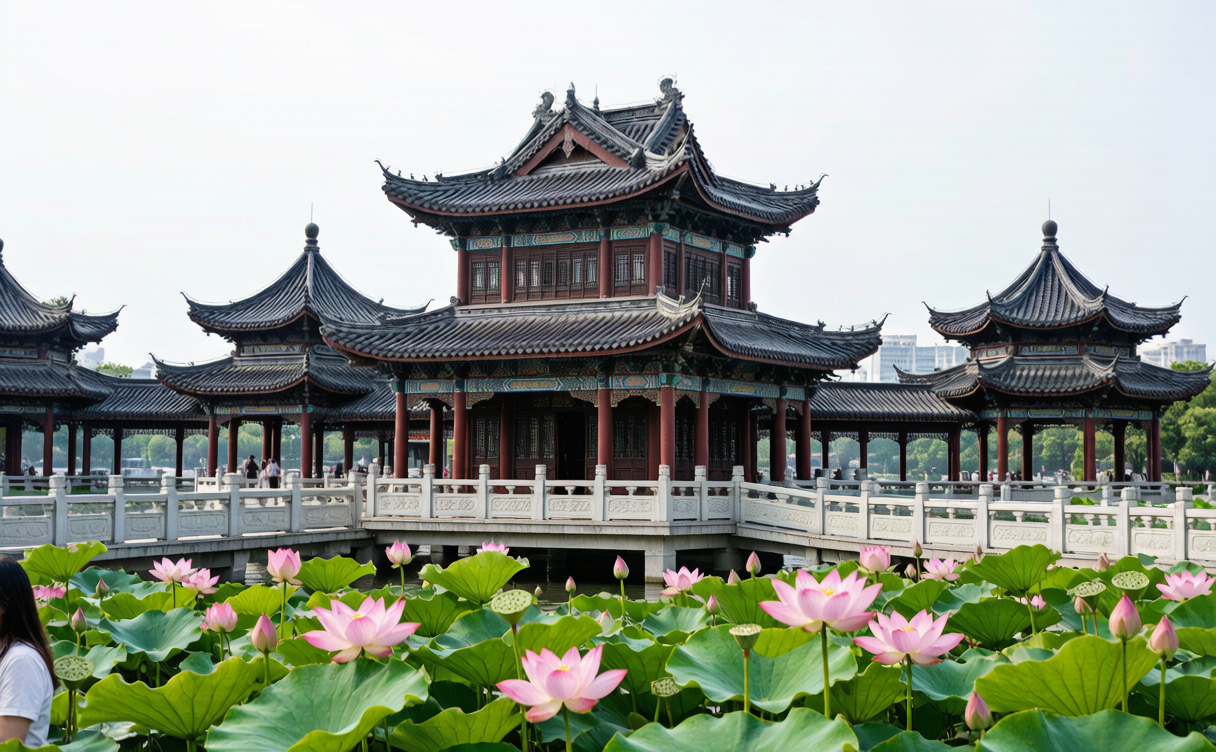
Back in the city, West Lake is a compact, willow-lined lake with pavilions and lotus beds, ideal for a slow evening walk. Unlike Hangzhou’s famous lake, Huizhou’s West Lake is quiet and local, and the waterfront is free to stroll at any hour. Rent a paddle boat in the warm months, or simply circle the path past the nine-curve bridge and the small island temple, which lights up softly after dark.
Luofu’s temple circuit is the cultural heart of the mountain. The Dongpo Pavilion commemorates the Song-dynasty poet Su Dongpo, who wrote here, and the main ridge temples blend Taoist and folk practice in a way unique to Guangdong, China. Herbalists still gather the mountain’s medicinal plants, and you may meet one explaining remedies along the path. Allow a full morning for the cable car up and the walk down through the forests.
Getting to Huizhou
How to get to Huizhou is simple thanks to Guangdong’s dense rail links. High-speed trains run from Guangzhou, Shenzhen, and Hong Kong, and the journey from Guangzhou takes roughly an hour. Foreign travelers can plan tickets with our high-speed train guide for foreigners. Taxis and ride apps cover the city and the coast, and Huizhou’s own airport adds a handful of domestic flights for those arriving from farther afield.
For background on the province, see Britannica’s overview of Guangdong.
Best Time to Visit
Best time to visit Huizhou is autumn and spring, when the heat eases and the lake and mountain are pleasant. September through November is the clearest stretch, good for both Luofu ridges and Xunliao swimming. March and April bring blooming trees around West Lake and lighter crowds. Summers are hot and rainy, though the Xunliao Bay beaches draw crowds anyway, and the occasional typhoon can disrupt travel. For season planning across the country, see our best time to visit China page.
Coast and Countryside
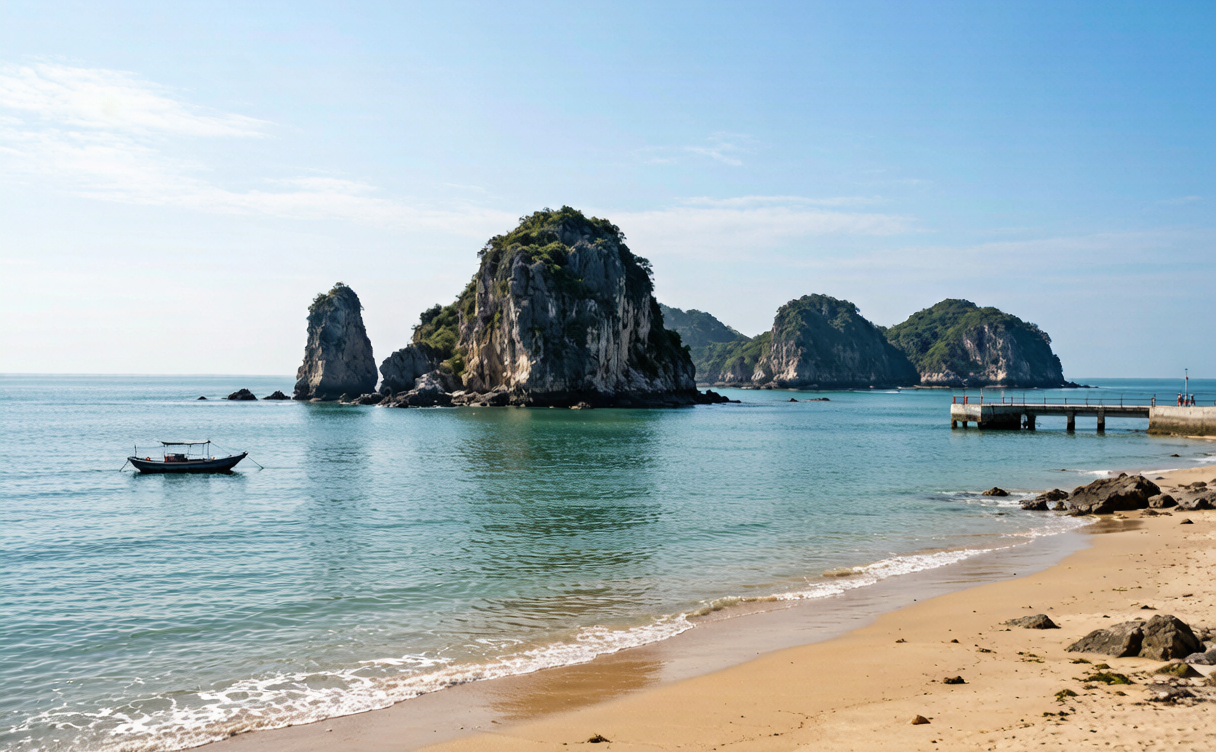
Huizhou’s coastline includes Xunliao Bay, a sweeping beach with clear water and seafood towns. Inland, Hakka walled villages and hot-spring towns sit within an hour’s drive. The mix of sea and mountain makes Huizhou a balanced stop between the megacities, and a good place to slow down after Guangzhou or Shenzhen without leaving Guangdong.
Xunliao is the draw for most coastal visitors: a long arc of sand backed by low hills, with fishing boats pulled up at the ends of the beach and seafood restaurants that cook your morning catch by noon. Arrive midweek to avoid the Guangdong weekend crowds, and stay for a sunset that turns the bay pink. The hot-spring towns inland, such as those near the Luofu foothills, pair naturally with a mountain day, letting you trade salt water for mineral water in a single trip.
Huizhou Food Guide
Huizhou food guide highlights blend Hakka and Cantonese styles. Try the braised pork belly, Dongjiang style, stuffed tofu, and fresh coastal seafood at Xunliao. The city also shares Guangdong’s dim sum culture; for a deeper dive, our Guangzhou dim sum guide explains the dishes and etiquette you will meet here too.
Markets and Local Life
Huizhou’s morning markets are the best place to read the city’s character. Along the river in Huicheng, vendors sell live seafood, leafy greens, and the herbal roots associated with Luofu Mountain’s medicine gardens. A stroll here, followed by a riverside dim sum breakfast, captures the easy Guangdong tempo better than any single attraction.
The Hakka influence shows in the walled villages inland, where round and square fortified houses once sheltered extended clans. A half-day drive reaches a couple of restored examples, and the contrast with the modern Pearl River Delta skyline is striking. These villages explain why Huizhou’s food leans hearty and preserved, a legacy of Hakka self-reliance.
Visiting a walled village is also the best way to see how multiple generations once lived under one roof, with a central courtyard, shared wells, and thick earthen walls built to keep out both weather and unrest. Local guides in the villages explain the clan histories, and a few families still live in the older structures, so the experience stays living rather than staged.
When to Go and What to Pack
Autumn is the sweet spot: clear skies for the Luofu ridges and calm water at Xunliao. Spring brings blooming trees around West Lake and lighter crowds. Pack light breathable clothing for the lowlands, but a wind layer for the mountain and the coast, where evening breezes pick up. Swimwear and sandals are useful at Xunliao, and a small daypack suits the Luofu cable car and temple walk. A reusable water bottle keeps you hydrated between the lake, the ridge, and the beach.
Suggested Itinerary
A three-day Huizhou plan: day one climbs Luofu Mountain; day two explores West Lake and the old town; day three relaxes at Xunliao Bay. Add a hot-spring evening if time allows, as the inland resorts are close to the mountain and make a soothing end to the trip.
Practical Tips
Huizhou is easy and low-stress compared with nearby Shenzhen. Download a map app, carry some cash for village temples, and book coastal hotels early on summer weekends. The mountain is cooler than the city, so bring a layer even in warm months, and wear sturdy shoes for the Luofu trails.
Where to Stay
Stay in Huicheng district for the lake and old town, or at Xunliao Bay for the beach. Hot-spring resorts on the mountain’s edge suit travelers who want both hiking and soaking in one base, with evening temperatures that invite a long outdoor soak.
- Huicheng puts you next to West Lake, the old town, and the rail station.
- Xunliao Bay suits beach days and seafood, but books out on summer weekends.
- Luofu-edge resorts combine temple hikes with evening mineral soaks.
- Reserve ahead if you arrive during a Guangdong public holiday.
- Use ride apps for the coast, as buses to Xunliao thin out in the evening.