

Huangjiu Chinese Yellow Wine is a traditional Chinese alcoholic drink made by fermenting rice, millet, or wheat with a starter culture called jiuqu. Unlike clear grain spirits, it is an unfiltered, amber to golden beverage that usually contains 8 to 20 percent alcohol by volume. For travelers, the simplest answer to “what is Huangjiu” is this: it is China’s oldest domesticated drink, warmer and rounder than grape wine, and deeply tied to festivals, family meals, and regional cooking across the eastern and southern provinces. This Huangjiu guide explains how it is made, how it differs from baijiu, where to taste the best bottles, and how to drink it like a local.
What Is Huangjiu (Chinese Yellow Wine)?
Huangjiu sits in a category of its own. The name literally means “yellow wine,” but the shade ranges from pale straw to deep bronze depending on age and grain. It is brewed, not distilled, so it keeps the body and sweetness of the rice it comes from. The drink has been part of Chinese life for more than three thousand years, appearing in poetry, ritual offerings, and everyday cooking.
Most visitors first meet it in a restaurant, served warm in a small ceramic pot. The aroma is nutty and savory rather than fruity, with notes of caramel, dried mushroom, and toasted grain. On the palate it is smooth, gently sweet, and low in harsh alcohol burn. Because it is lower in proof than distilled spirits, it pairs easily with food and is approachable even for people who rarely drink.
If you want broader context on the country’s drinking and dining culture, our Chinese food guide to the 8 great cuisines shows how regional staples pair with local drinks.
A Short History of Yellow Rice Wine
The earliest written records of fermented grain drinks appear in the Shang and Zhou dynasties, where brewing was overseen by official brewers and offered to ancestors. Over centuries, techniques spread along the Yangtze River delta, where soft water and premium rice created ideal conditions.
By the Tang and Song periods, yellow wine was the everyday table wine of scholars and farmers alike. Famous poets wrote about it, and it became a fixture at weddings, births, and the lunar new year. The craft peaked in the canal towns of Zhejiang, where cool cellars and family recipes produced the styles still celebrated today.
Plan a tasting trip around China’s drink traditions — start with our Huangjiu rice wine guide and pair it with a stop at a China tea house for a full sensory tour.
How Huangjiu Is Made
The process begins with polished rice or glutinous rice, soaked and steamed until tender. Brewers cool the grain, mix in jiuqu (a cultured block of wheat and microbes), and let natural yeasts and molds convert starch into sugar and then alcohol. This dual fermentation is what gives yellow wine its layered, savory depth.
After primary fermentation, the mash is pressed to separate liquid from solids. The young wine is then aged in sealed jars, sometimes for just a year and sometimes for decades. Longer aging deepens the color, softens the texture, and builds the complex soy and chestnut notes that connoisseurs prize.
Quality varies widely. Mass market bottles are drinkable and cheap, while reserve vintages from historic houses can cost as much as fine grape wine. For a first taste, look for labels that state the aging period and the rice variety.
Huangjiu vs Baijiu
A common point of confusion for newcomers is the difference between Huangjiu and baijiu. The clearest way to understand huangjiu vs baijiu is by production method. Huangjiu is brewed and unfiltered, while baijiu is distilled from fermented grain and is much stronger, typically 40 to 60 percent alcohol.
In flavor, baijiu is pungent, floral, or medicinal depending on the aroma type, and it is almost always served at room temperature in tiny shots. Huangjiu is softer, sweeter, and usually warmed. Think of baijiu as China’s answer to strong spirits and Huangjiu as its mellow, food friendly table wine.
Travelers who enjoy one often enjoy the other for different reasons. If you like exploring terroir through spirits, our Ningxia wine region guide covers China’s emerging grape wine scene for a useful contrast.
Regional Varieties and Shaoxing Wine
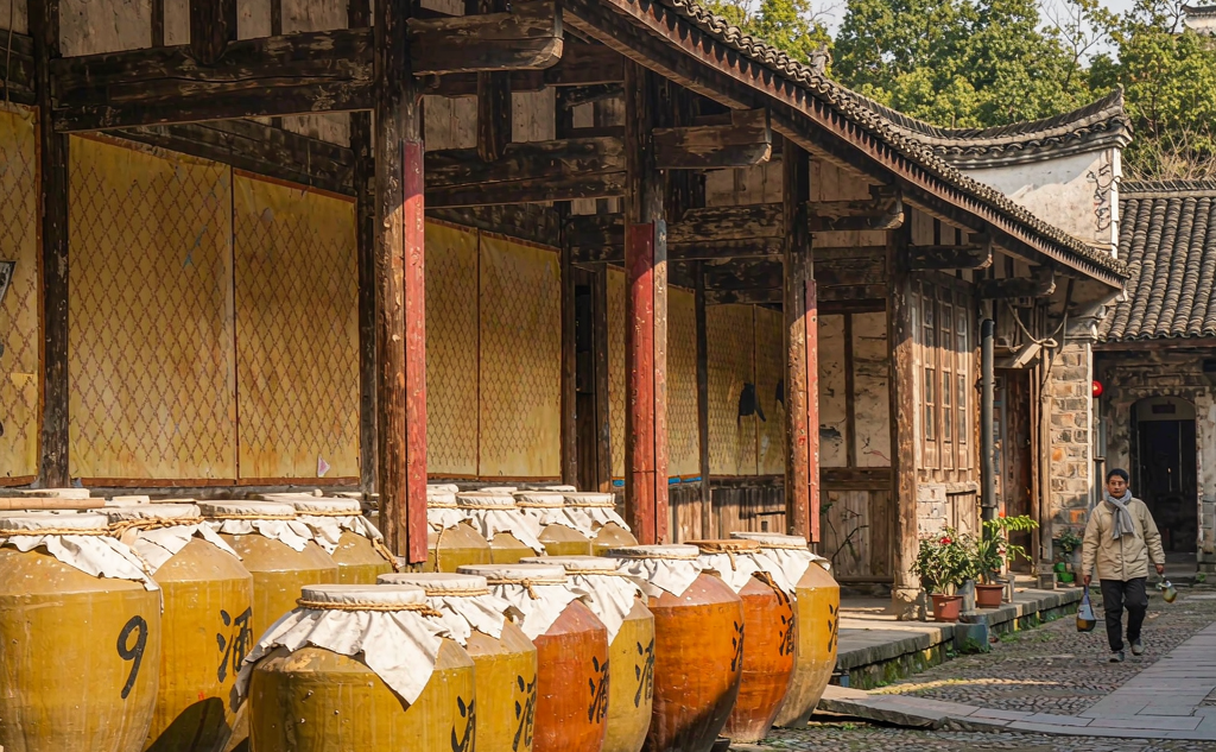
The most famous style is Shaoxing wine from Zhejiang province, a city whose name has become almost synonymous with yellow rice wine abroad. Shaoxing produces several grades, from young “hua diao” to aged “nuo er hong” served at celebrations. The best are rich, mellow, and faintly sweet.
Other notable regions include Jiangsu, where lighter and sweeter styles are preferred, and Shanghai, which favors a darker, heavier brew. Fujian and Jiangxi contribute floral and honeyed versions. Each area adjusts the rice, the water, and the starter to suit local taste, so trying yellow wine across provinces is a journey in itself.
For food lovers, our Shaoxing food guide maps the dishes that showcase this local wine both as a drink and as a cooking ingredient.
How to Drink Huangjiu
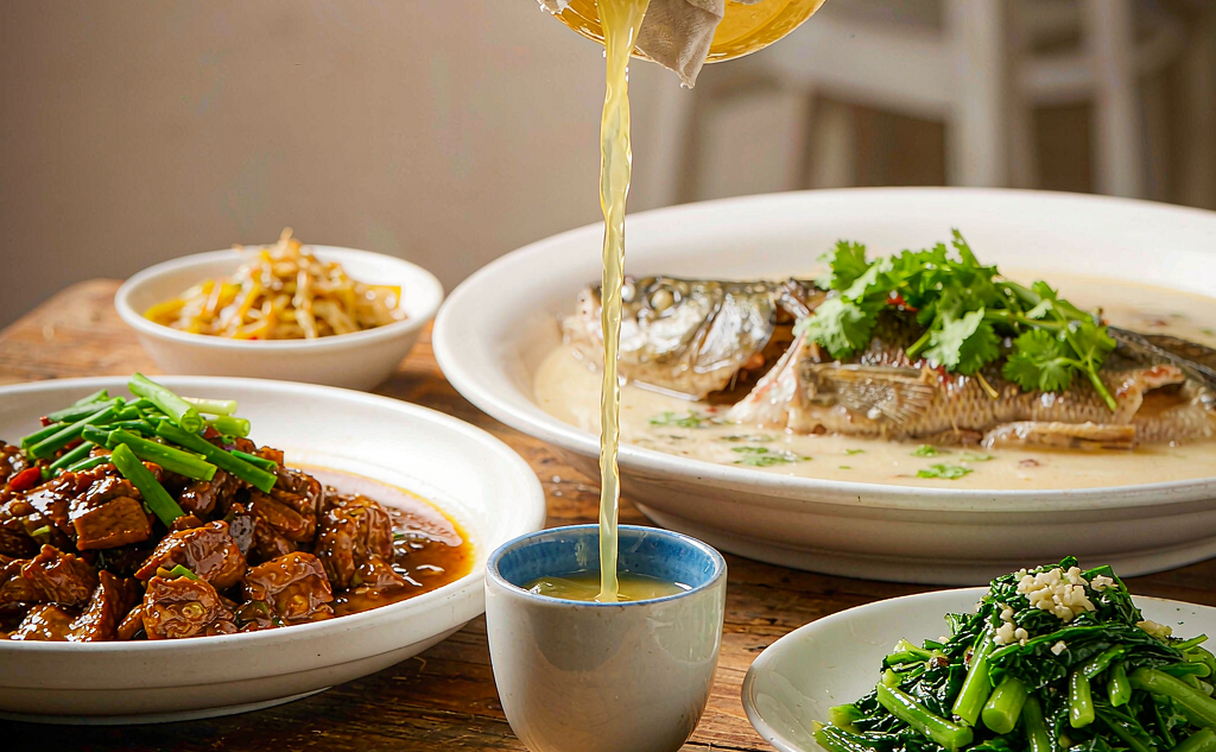
Learning how to drink Huangjiu is simple and rewarding. Most bottles are best served warm, between 35 and 45 degrees Celsius, which lifts the aromas and softens any edge. You can warm a cup by placing the bottle in hot water for a few minutes; never microwave it.
Use small cups rather than large wine glasses, and sip slowly. Warm yellow wine goes down easily, but it still carries alcohol, and the effect builds gently. In winter, street vendors sell it hot with ginger and osmanthus, a soothing drink after a cold day of sightseeing.
Some modern bars now serve chilled or stirred versions, but the classic warm pour remains the most authentic first experience. Ask for a “wen jiu” (warmed wine) and you will fit right in.
Food Pairings and Cooking Uses
Yellow wine shines at the table. Its umami character complements river fish, braised pork, and soy based dishes common in the Yangtze delta. A small warm cup alongside a rich meal cuts grease and echoes the flavors in the food.
It is also a cornerstone cooking ingredient. Chefs use it to marinate crab, deglaze woks, and perfume drunken chicken. The alcohol cooks off, leaving a sweet savory backbone that defines many eastern Chinese recipes. Tasting the wine on its own, then in a dish, is the fastest way to understand its role.
Taste regional flavors on your trip — pair Huangjiu with dishes from our Shaoxing food guide and explore the 8 great Chinese cuisines.
Where to Try Huangjiu in China
The best place to begin is Shaoxing in Zhejiang, where historic breweries offer tours, tastings, and museum exhibits on the craft. Nearby canal towns such as Anchang let you sample family batches in old alleys. Shanghai and Hangzhou also have wine bars dedicated to yellow rice wine flights.
Festivals are another excellent window. During the lunar new year and mid autumn holidays, yellow wine flows at family tables and temple fairs. Our China festival special foods guide highlights the seasons when these drinks take center stage.
For travelers, a brewery visit plus a food crawl makes an easy half day that connects history, flavor, and local life. Guides at the major houses usually speak basic English and welcome photos.
Tips for First-Time Drinkers
- Start with a warm, young Shaoxing style before trying aged reserves.
- Order by the pot for the table rather than individual bottles.
- Avoid mixing it with strong baijiu in the same session.
- Check the label for rice type and aging years to gauge sweetness.
- Buy sealed jars from reputable shops if you want to bring some home.
Frequently Asked Questions
Is Huangjiu the same as sake?
No. Both are brewed rice drinks, but sake is Japanese and uses a different starter and polishing method. Huangjiu is Chinese and tends to be darker, richer, and often served warm.
Does Huangjiu contain gluten?
Most styles use wheat based jiuqu, so they are not gluten free. Pure rice versions exist but are less common.
Can foreigners buy it to take home?
Yes, sealed commercial bottles travel well, though check your home country’s alcohol import rules. Aged reserve jars make popular gifts.
What does it taste like?
Expect nutty, caramel, and toasted grain notes with a smooth, lightly sweet finish and very little burn.
For deeper background on the drink’s cultural roots, the encyclopedic overview at Wikipedia’s Huangjiu page is a helpful reference.
Final Thoughts
Huangjiu Chinese Yellow Wine is more than a drink; it is a thread connecting China’s festivals, family tables, and regional kitchens. Whether you explore a Shaoxing cellar, warm a cup on a winter evening, or taste it inside a braised dish, you are taking part in a tradition thousands of years old. Use this Huangjiu guide as your starting point, and let your own journey through China’s yellow wine begin.
Ready to build your itinerary? Combine a Huangjiu rice wine guide stop with our Shaoxing food guide for a delicious day of tasting and touring.