

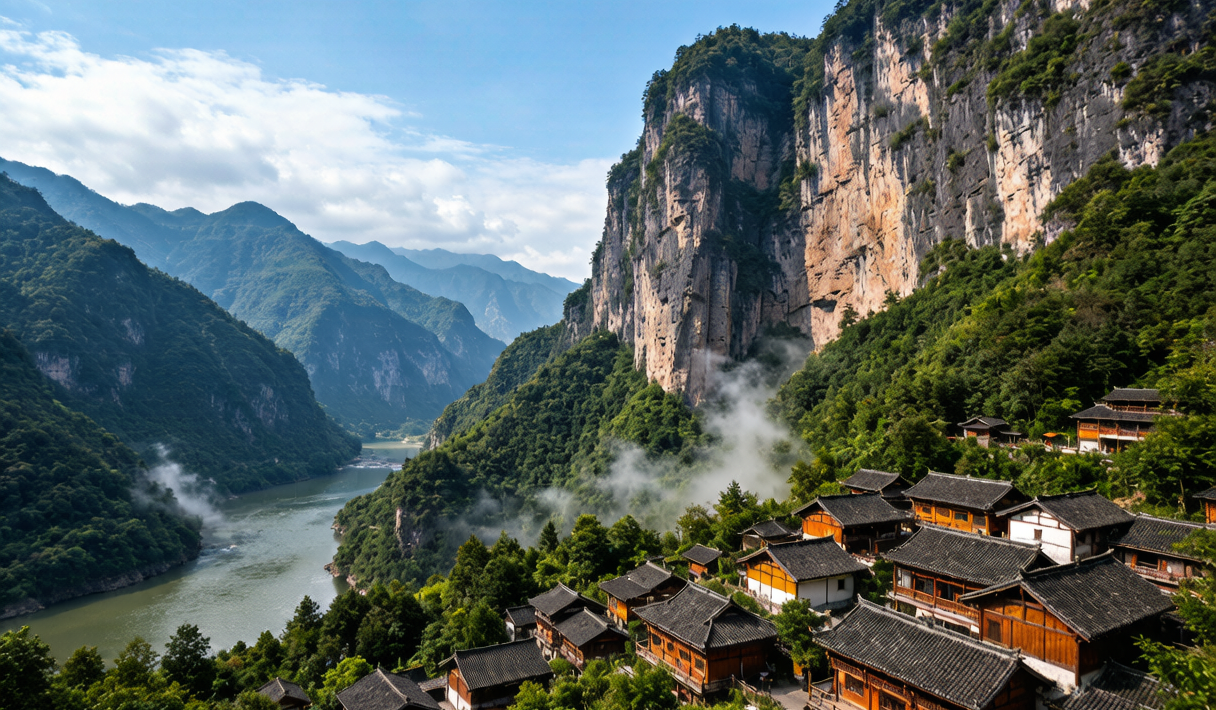
Enshi, China, is a prefecture in the mountainous southwest of Hubei Province, where towering karst cliffs, deep gorges, and terraced Tujia villages carve a landscape that feels a world away from Wuhan’s plains. This Enshi travel guide covers the best time to visit, how to get there, the top things to do, where to stay, what to eat, and a practical itinerary for one of central China’s most dramatic regions. Famous for the Enshi Grand Canyon and a string of vertigo-inducing walkways, Enshi is also a cultural crossroads of the Tujia and Miao peoples, and a natural companion to a Enshi to Zhangjiajie route through the sandstone peaks of neighboring Hunan.
Best Time to Visit Enshi
The best time to visit Enshi is spring (April–May) and autumn (September–October), when temperatures are mild (16–26°C), the gorges are green, and the rivers run full from recent rains. Spring brings mist that softens the cliffs into classical Chinese-painting scenes, while autumn gives clear skies and comfortable hiking. Summer (June–August) is warm and humid with afternoon thunderstorms, but the canyons stay cooler than the cities and it is peak travel season for domestic tourists. Winter is cold and quiet, with occasional snow on the high ridges and few crowds — good for photographers who want the cliffs to themselves. Because Enshi is mountainous, weather changes fast, so carry a rain layer year-round. For a national season overview, our best time to visit China guide helps you coordinate with the rest of Hubei and Hunan.
How to Get There
Enshi is well linked by air and high-speed rail through central China. Train schedules can be checked on China Railway’s official portal, China Railway (12306).
- By air: Enshi Xujiaping Airport (ENH) has flights from Wuhan, Chongqing, and Xi’an, among others; the airport is about 30 minutes from the city center by taxi.
- By high-speed train: The line from Wuhan reaches Enshi in roughly 3–4 hours, and Chongqing is about 2–3 hours away, making Enshi an easy add-on to either hub. Foreign visitors should review our China high-speed train guide for foreigners before booking, as passport ID is required at each step.
- By road: Bus and private car links connect Enshi with the canyon scenic areas and with the Hunan border; the mountain roads are scenic but winding, so a driver is the relaxed choice.
Top Things to Do in Enshi
Enshi Grand Canyon (Enshi Grand Canyon)
The Enshi Grand Canyon is the region’s headline sight — a 100 km-plus gorge of sheer limestone walls, pinnacles, and the famous “Earth’s Crevice” (Yunlong Crevice), a narrow rift you descend by stair and bridge. The cliff-edge walkways and a glass skywalk deliver real thrills, and cable cars spare the steepest climbs. For context on the wider region, our best things to do in China roundup flags Enshi among the country’s top natural wonders.
Tujia Village at Tianshengqiao and the Stilt Houses
The Tujia people build on stilts (diaojiaolou), and the villages around Enshi keep the tradition alive with wooden houses, weaving, and folk song. A village visit shows daily life in the valleys and is the cultural heart of any Enshi things to do plan.
Qingjiang River and Butterfly Rock
The clear Qingjiang River winds through green gorges; a boat trip past Butterfly Rock and the “Boyuan” karst formations is a calmer counterpoint to the canyon hikes, with fewer stairs and lots of photo stops.
Tenglong Cave
One of China’s largest karst caves, Tenglong Cave has vast chambers, underground rivers, and a sound-and-light show that turns the stone into a theatre. The cool interior is a relief in summer, and the scale is genuinely humbling.
Pingshan Canyon (the “Suspended” River)
A few hours from Enshi, Pingshan’s emerald river runs so clear that boats appear to float on air — a social-media favorite and a worthwhile day trip for the mirror-still water and vertical cliffs.
Where to Stay in Enshi
Stay in Enshi city for transport, dining, and easy bus access to the canyon, where mid-range hotels run around ¥250–500 per night and several national chains operate. For early starts at the Grand Canyon, a few lodges sit near the scenic entrance, simpler but convenient. Book ahead for the July–August peak and the National Day holiday, when domestic crowds swell; choose a hotel with reliable AC in summer and heating in winter. If you are continuing south, our Fenghuang ancient town guide covers the riverside Miao town that pairs naturally with an Enshi–Zhangjiajie loop.
Enshi Food and Local Specialties
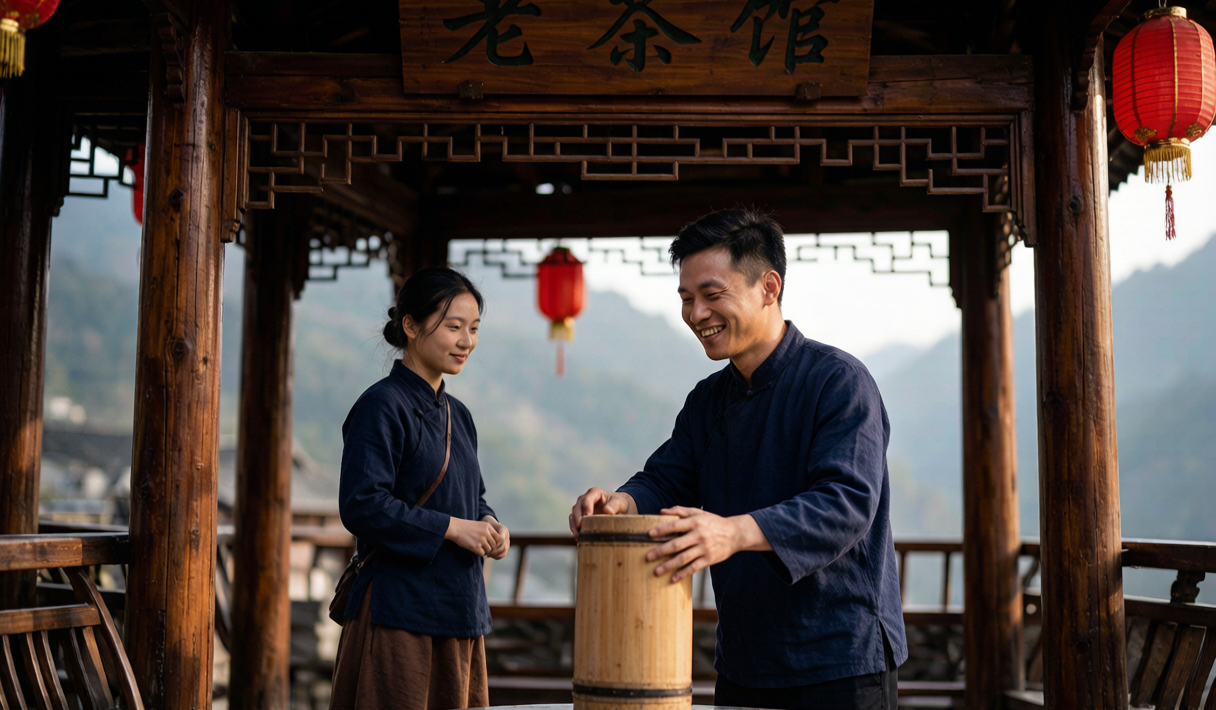
Enshi’s mountain cuisine leans spicy and sour: Tujia cured pork (larou), sour fish soup, sticky rice cakes, and wild mountain vegetables, plus the region’s famous “Enshi jade” green tea. The night market and the old street are the easiest places to graze, and the tea houses offer quiet breaks between hikes. For more on the sandstone peaks just south, our Zhangjiajie travel guide details the Hunan avatar-mountains that many travelers link with Enshi in one trip.
Enshi Itinerary
An Enshi itinerary of three to four days works well:
- Day 1: Arrive in Enshi city, old street and Tujia dinner, rest up for the canyon.
- Day 2: Full day at the Enshi Grand Canyon — crevice, skywalk, and cable car.
- Day 3: Qingjiang River boat trip and Tenglong Cave, or Pingshan Canyon day trip.
- Day 4 (optional): Tujia village morning, then train south toward Zhangjiajie or back to Wuhan.
An Enshi to Zhangjiajie transfer by high-speed rail via Changsha or a direct road link makes a logical two-stop nature trip; allow a day of travel and book seats early in peak season.
Enshi Travel Tips
A few Enshi travel tips: wear solid hiking shoes for the canyon’s many stairs, carry a rain layer for sudden storms, and buy combo tickets online to skip queues at the gates. A translation app helps in rural villages where English is rare, and hiring a driver for the day saves time on the winding roads. The cliff walkways are safe but not for severe vertigo, so know your limits, and start canyon days early to beat both heat and crowds. For first-time visitors, our China travel guide for first-timers covers visas and transport basics.
FAQ
Is Enshi worth visiting for foreign tourists?
Yes, for world-class karst scenery, thrilling canyon walks, and authentic Tujia culture with fewer foreign crowds than Zhangjiajie.
Do I need a visa for Enshi?
Most visitors need a Chinese visa; Hubei follows standard national entry rules, so check before you travel.
How many days do I need in Enshi?
Three to four days covers the Grand Canyon, a river or cave trip, and a village visit at a relaxed pace.
What is Enshi most famous for?
The Enshi Grand Canyon, its karst cliffs and skywalks, and the terraced Tujia villages of Hubei’s mountains.
Final Thoughts
Enshi is central China’s spectacular secret — a maze of cliffs, gorges, and stilt-house villages that rivals any landscape in the country. Time your visit for the best time to visit Enshi in spring or autumn, and use this Enshi travel guide to plan a route that flows naturally south to Zhangjiajie. Bring good shoes, a rain layer, and a sense of adventure. For season planning across the country, browse our best time to visit China guide and start building your Hubei–Hunan trip today.