

A good China 8 day itinerary has to solve one problem before anything else: the country is enormous, and eight days will not cover it. The mistake most first-time visitors make is trying to add a fourth or fifth city and spending half the trip in station lounges. After running group and private routes across the country for several years, I have settled on a four-stop spine that works for almost everyone — Beijing, Xi’an, Guilin/Yangshuo, and Shanghai — because it samples imperial history, the Silk Road, karst landscape, and modern China without a single wasted transfer. This is a realistic China 8 day route for travelers who want substance over a checklist.
Why This Particular Spine Works
Beijing and Xi’an sit on the same high-speed rail corridor and represent the political and cultural core of the north. Guilin drops you into the humid, green south that most people picture when they imagine China. Shanghai is the natural exit point: an international hub with direct flights home and a skyline that frames the whole journey. The legs between them are 4.5 to 7 hours on trains, which means you actually arrive with energy to see things. If you are building a China 8 days plan from scratch, keep the rule of two full days minimum per stop — anything less turns a city into a photo stop.
For broader context on the country itself, the overview at China on Wikipedia is a decent starting point before you dig into regional detail.
Days 1–2: Beijing, the Imperial Capital
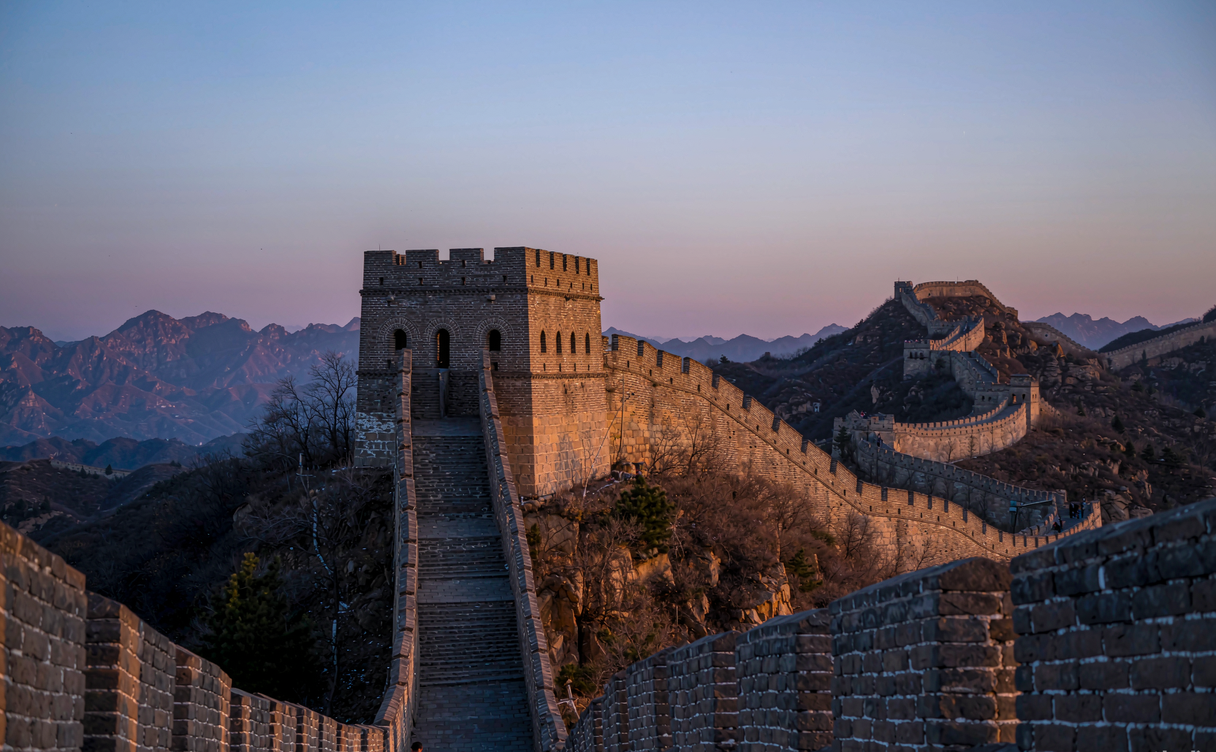
Land at Beijing Capital (PEK) or Daxing (PKX) and spend your first afternoon loosening up in the hutongs around Gulou, where narrow alleyways still hide courtyard homes and quiet noodle shops. Day two is the heavy one: take the early bus or a Didi to Mutianyu, the quieter restored section of the Great Wall about 90 minutes north. Mutianyu’s entry is ¥40, and the cable car up is ¥100 each way (or ¥120 for the chairlift-and-toboggan combo, which I recommend for the ride down). Walk the wall for two hours and you will have the iconic photos without the Badaling crowds.
Back in the city, the Forbidden City costs ¥60 in peak season and demands a timed ticket booked three days ahead on the official WeChat mini-program — do not show up hoping to buy at the gate, because as of 2026 the on-site window is gone. The Summer Palace (¥30–50) is an easy half-day filler if your legs survive the wall. Budget hotels near a subway line run ¥300–450 a night; a comfortable four-star near Wangfujing is ¥600–900.
Days 3–4: Xi’an, Where the Silk Road Began
The Beijing–Xi’an bullet train takes 4.5 to 5.5 hours and costs ¥515–650 in second class — book through our China high-speed train guide for foreigners if you have never used 12306 before, because the app’s verification step trips up plenty of visitors. Xi’an’s headline sight is the Terracotta Army, ¥120 with the shuttle bus from the visitor center, about an hour east of town. Go at the 8:30 opening and you will beat the tour buses that arrive around 10:30.
Save the evening for the Muslim Quarter, where persimmon cakes, lamb skewers (¥3–5 each), and biangbiang noodles fill the lanes, and rent a bike on the 14km city wall (¥54 for the bike, ¥54 for a trolley seat) for the best urban viewpoint in the country. Two nights here is the sweet spot for a best China 8 day trip that does not feel rushed. If you want to extend the idea into a longer loop, our China 10 day itinerary folds in Chengdu or Zhangjiajie.
Days 5–6: Guilin and Yangshuo, Karst Country
Fly or take the 5-hour train south to Guilin, then transfer to Yangshuo — the real destination. The classic Li River cruise from Guilin to Yangshuo runs ¥210–450 depending on the boat class and takes four hours through the limestone peaks that appear on the 20-yuan note. In Yangshuo, rent an e-bike (¥40 a day) and ride out to the rice paddies and the Yulong River, where bamboo rafts (¥100–200 per raft) drift past water buffalo. Climbers head to Moon Hill; everyone else watches the Impression Liu Sanjie light show (¥320–680) staged on the river by director Zhang Yimou.
Yangshuo’s West Street is touristy but fun after dark, and guesthouses just outside town cost ¥200–400. This is the stretch where the China 8 day travel plan earns its keep — nothing in Beijing or Shanghai prepares you for this landscape. If you are sketching a bigger southern swing, our 2-week China itinerary adds Guizhou or Yunnan onto the same rail spine.
Days 7–8: Shanghai, China’s Modern Face
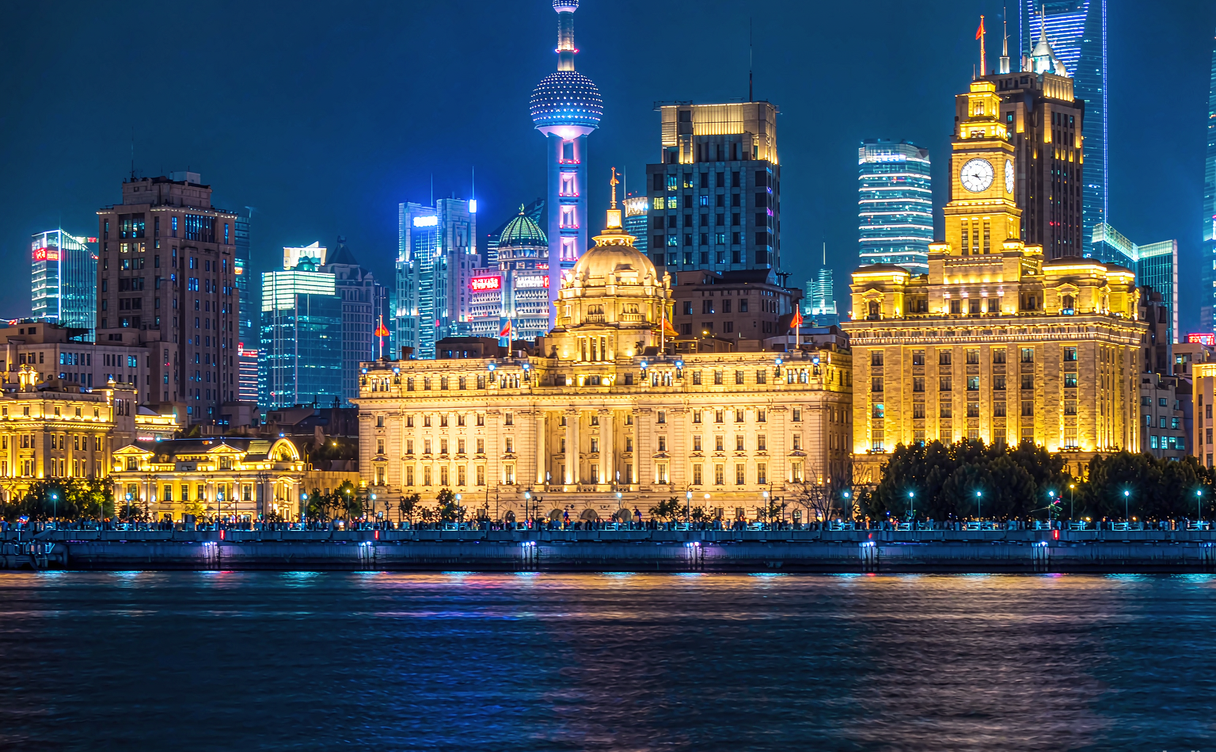
The Xi’an–Shanghai high-speed train is the longest leg at 6 to 7 hours (¥800+ second class), so treat day seven as a travel-and-arrive day. In Shanghai, walk the Bund at night, pay ¥10 to climb Yu Garden’s surroundings, and ride the Maglev from Pudong airport (¥50 with a same-day flight ticket) just for the speed. The Shanghai Museum is free and worth a half day for bronzeware alone.
This is also where the trip should end if you are flying home, since both PVG and Hongqiao connect internationally. For first-timers who want the wider picture before booking, start with our China travel guide for first-timers, which explains visa, payment apps, and SIM logistics that this route assumes you have handled.
How to Spend 8 Days in China Without Burning Out
The single best piece of advice for how to spend 8 days in China is to cut one city, not add one. Four stops at two days each leaves buffer for a delayed train or a rainy wall morning. Move north-to-south so the climate warms as you go, and book every intercity train a week out during holidays. Our guide to the best things to do in China lists the marquee sights if you want to swap a stop — just keep total transfers at three.
Practical Notes: Payments, Apps, and Pacing
China runs on mobile payments, and the one thing that derails otherwise smooth trips is assuming a foreign card will swipe everywhere. Set up Alipay or WeChat Pay before you land, link a Visa or Mastercard in the wallet, and carry ¥500 in cash as a fallback for tiny noodle stalls and rural ticket windows. A local SIM or an eSIM with data is non-negotiable, because you will need Maps (Gaode, not Google), translation, and the train apps on the move. Pace the days as two active followed by one lighter — the Forbidden City plus the wall in one day is doable but punishing, so I usually pair the wall with a slow hutong evening instead.
The other quiet killer is over-scheduling the travel days. Treat each train change as a half-day: station security, the ride itself, and the taxi into the next hotel. If you build the China 8 day travel plan around that rhythm, the eight days feel generous rather than tight, and you leave wanting a second trip instead of needing one.
When to Go and What It Costs
Spring (April–May) and autumn (September–October) are the comfortable windows; our best time to visit China breakdown covers regional swings in detail, since Yunnan and Hainan run on different clocks than Beijing. Avoid the first week of October (National Day) and the Chinese New Year period entirely — trains sell out weeks ahead and prices spike. Within those windows, April is best for Beijing’s blossoms and Xi’an’s mild walls, while late September gives Guilin clear river light before the October crowds. Summer (July–August) is hot and humid across all four stops but workable if you start sightseeing at 7 a.m. and rest through midday.
A realistic per-person budget, excluding international flights: ¥1,200–1,800 for trains, ¥2,800–4,200 for eight nights of mid-range hotels, ¥1,200–1,800 for food and entries, and ¥600–1,200 for local transport and shows. That lands most travelers at ¥5,800–9,000, not counting the Terracotta and Li River splurges.
Ready to lock in the details? Start with our China travel guide for first-timers to sort visas and payments before you book a single train.
Want a longer southern loop? Our China 2-week itinerary builds naturally on this exact route.
Not sure which season fits your dates? Check the best time to visit China before committing to flights.