

Ankang sits in the southern sweep of Shaanxi, where the Han River cuts a wide green valley between the Qinling to the north and the Bashan range to the south. The city is wetter, greener, and milder than the Shaanxi most visitors imagine, and it makes a calm base for river scenery, forest parks, and the ridgeline temples of Nangong Mountain. An Ankang travel guide should explain why this corner of the province feels closer to Sichuan and Hubei than to the loess plains up north.
Most travelers reach Ankang from Xi’an, two hours south by high-speed rail, or as part of a slow drift down the Han River corridor. The reward is a different Shaanxi: terraced hills, misty peaks, and a pace that suits travelers who have already done the capital’s headline sights and want something quieter.

Why Ankang is worth the detour
Ankang is where Shaanxi turns subtropical. The Han River, a major tributary of the Yangtze, keeps the valley green and supports rice, tea, and citrus rather than the wheat and millet of the north. For visitors who have spent days on the Xi’an travel guide circuit, the change of scenery is the point.
The Ankang Han River also matters historically: the river corridor carried goods and people between the Yangtze basin and the northwest for centuries, and the city still has the relaxed, trade-town feel of a place on a water route.
Things to do in Ankang
The signature natural sight is Ankang Nangong Mountain, a forested ridge to the west of the city crowned with temples and a cable car. On a clear day the summit opens onto a sea of hills and, after rain, a dramatic cloud inversion that fills the valleys below. The climb is manageable by cable car with a shorter walk at the top, which makes it accessible to most visitors. Budget half a day including the transfer from the city.
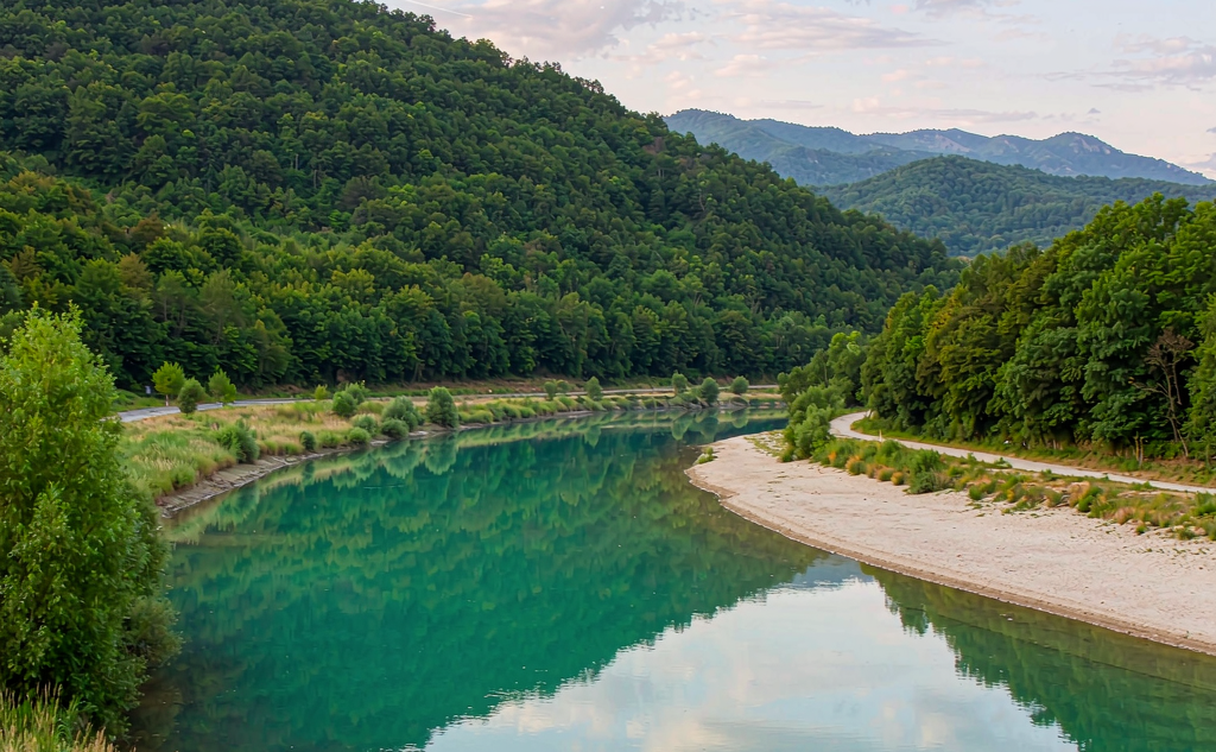
Closer to town, the Han River itself is the easy pleasure. The riverside greenways are good for an evening walk, and short boat trips run when the water is calm. The Yinghu Lake, a reservoir west of the city, offers a quieter water landscape with hills reflecting in the surface and a few lakeside resorts where you can stay the night.
For culture, the Xiangxi Cave (or local cliff temple sites) and the smaller county towns around Ankang show rural Shaanxi at its most southern. The best things to do in China list includes several river-valley escapes like this one, useful if you are comparing regions.
Food in Ankang leans on the river and the hills: freshwater fish, smoked pork, wild mushrooms, and the sour, spicy notes you might expect closer to Chongqing. The Xi’an Muslim Quarter food guide is a good read before your trip if you want to understand the northern contrast, since Ankang’s tables feel quite different from the capital’s kebab-and-noodle scene.
Best time to visit Ankang
The best time to visit Ankang is spring and autumn. April and May bring green terraces and comfortable walking weather, while October colors the hills and clears the air for mountain views. Summer is warm and humid but cooler than Xi’an thanks to the river and elevation, which makes Ankang a local escape from the city heat.
Winter is mild by Shaanxi standards but damp, and some mountain facilities run reduced hours. If you are linking Ankang to a wider trip, our China travel guide for first timers helps you sequence the south-Shaanxi countryside with the northern classics without backtracking.
How to get to Ankang
How to get to Ankang is simplest from Xi’an by high-speed train, with the journey taking around two hours. The station sits close to the city, and taxis cover the short ride in. Our China high-speed train guide for foreigners explains ticketing and ID checks so the southern hop is straightforward.
From Ankang you can continue south into Chongqing or Hubei by rail, but most foreign visitors treat the city as a round trip from Xi’an or a stop on a Han River route. For the mountain parks and lakes, a hired car or a joined tour is the easiest way to move, since rural buses are infrequent and hard to read without Chinese.
Pairing Ankang with Shaanxi and beyond
A strong plan uses Xi’an as the hub and drops south to Ankang for river and ridge, then swings east to Huashan Mountain guide for a sharp, dramatic peak. That trio, history, valley, and summit, covers a surprising range of what the province offers without long hauls.
A two-day river-and-ridge plan
Ankang works as a two-night loop from Xi’an. Day one is the Han River: arrive by late-morning train, walk the riverside greenway, and take a short boat ride if the water is calm. Eat river fish for lunch, then visit the Yinghu Lake resorts west of the city for a quiet afternoon by the water.
Day two goes to Nangong Mountain. Leave after breakfast, ride the cable car up, and walk the summit temples and ridge paths while the air is clear. After rain you may catch a cloud sea below. Return to the city for dinner and the evening train north. This pairing, valley one day and ridge the next, shows the green Shaanxi that most visitors miss.
In autumn the hills turn color and the photos improve, but the mountain road gets foggy, so leave earlier and ask your driver to take it slow.
Where to stay and eat
Ankang has workmanlike hotels in the center and a few lakeside resorts at Yinghu. Stay in town for transport and food; stay by the lake if you want quiet water at dawn. Local markets sell tea from the surrounding hills, citrus in winter, and walnut products year-round. Try the river fish braised with pickled greens and a bowl of the regional sour noodle soup. The center is the easier base for train connections and food, while Yinghu suits travelers who want water at the window. Reserve the Nangong cable car through your hotel or a tour, since on-site English is limited and queues build on weekends.
Practical notes for visitors
English is limited, so prepare a translation app and offline maps before you arrive. Mobile payment dominates, but carry cash for rural stalls and small boat operators. The hills are humid and leech-prone on wet trails, so wear long pants and proper shoes for Nangong. Respect any temple etiquette at the summit sites, and avoid drone flying near the river infrastructure.
For a wider look at the Han River region and its place in Shaanxi travel, this overview is a helpful reference: https://www.chinadiscovery.com/shaanxi/ankang.html