

This China aurora northern lights guide exists because I keep getting the same question: can you actually see the northern lights in China? The honest answer is yes, but with an asterisk. The far north of Heilongjiang, around the town of Mohe, sits at roughly 53 degrees north — farther north than any other part of China — and during strong solar storms the sky there can light up green and red. A China aurora northern lights trip is real and bookable, but it demands patience, cold-weather grit, and realistic expectations, because the lights here are a bonus, not a guarantee.
What you are really buying is a journey to the northernmost edge of the country, to a place Chinese travelers call “China’s Arctic,” where the winter is long, the darkness is deep, and even without aurora the experience is unforgettable.
Where to see aurora in China
The only practical answer to where to see aurora in China is Mohe County in the Daxing’anling region of Heilongjiang, right against the Russian border. The village of Beiji (Arctic Village) is the famous base, a cluster of wooden lodges and ice-sculpture installations built precisely because this is the country’s best latitude for aurora. The slightly less touristy town of Tahe and the nearby forest stations also report sightings during intense geomagnetic activity.
I want to be straight with you: Mohe does not enjoy the reliable, near-nightly displays of Tromsø or Yellowknife. China northern lights Mohe sightings happen maybe a handful of nights per year, almost always during a powerful solar event. The upside is that the trip is about far more than the lights — it is about standing at the roof of China in deep winter, watching the stars wheel over a snowbound forest.
Best time aurora China: timing your gamble
The window for a China winter aurora trip runs from late September through March, with the deepest darkness and clearest skies between November and February. The new moon periods are best, because even a thin moon washes out faint aurora. Crucially, aurora follows the solar cycle: the current solar maximum makes the 2025–2026 and 2026–2027 winters the most promising in over a decade, so if you have been waiting, now is the moment.
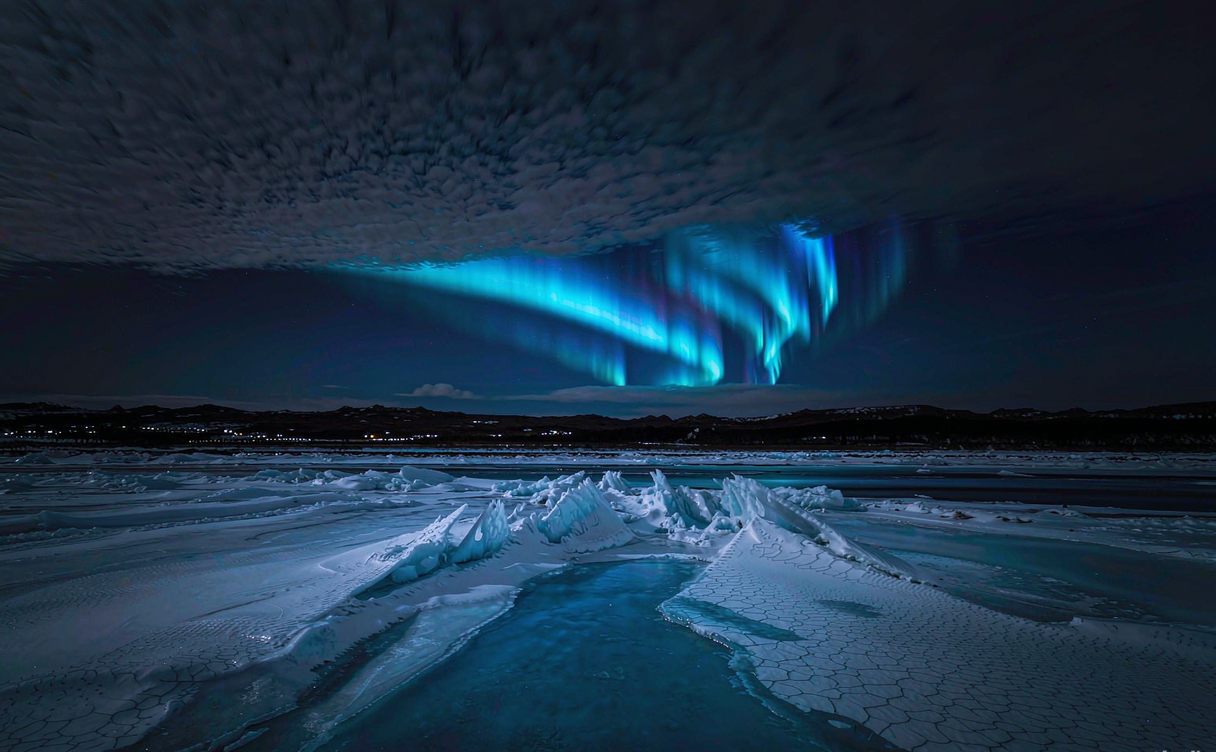
Temperature is the other factor. Mohe in January averages around minus 30 Celsius, occasionally dropping below minus 40. You will need serious gear — insulated boots rated to minus 40, layered down, face covering, and chemical hand warmers. The cold is part of the romance but also a real risk; frostbite on an exposed camera finger happens fast. I traveled in early December and found minus 25 manageable with proper kit and frequent warm-up breaks inside the lodges.
Mohe aurora travel: getting there and staying
Mohe is remote, and that is the point. You can fly to Mohe Gulian Airport from Harbin (about two hours) or take the famous train — the easiest is the sleeper from Harbin, roughly seventeen hours, which I actually recommend because the rail approach through the snowy taiga is half the experience. Our Mohe travel guide lays out the flight and train logistics and the best lodge choices in Beiji Village, where heated wooden cabins run 300–700 yuan a night in winter.
Once there, the routine is simple: eat hearty northeastern hotpot, watch the aurora forecast apps (I used a global geomagnetic forecast plus a local WeChat group that texts when the sky activates), and step outside the moment someone shouts. The village keeps the lights low at night to protect the darkness, which is exactly what you want. For broader cold-season planning, the best winter destinations in China page ranks Mohe alongside Harbin’s ice festival and the snow towns of the northeast.
Making the most of a China dark sky trip
Even on a night with no aurora, Mohe rewards a patient skywatcher. The Milky Way in deep winter, the occasional meteor, and the eerie blue glow of snow under starlight are their own show. This is fundamentally a China dark sky travel experience, and the region’s low light pollution makes it one of the best night-sky sites in the country. Our China stargazing and dark sky guide explains how to read darkness maps and pair Mohe with other remote observing spots across China.
If you want to turn the journey into a road expedition, the drive up from Harbin through the forested borderlands is spectacular in snow, and the China road trip guide covers winter driving precautions and the scenic stops worth making. I broke the drive with a night in Jiagedaqi and wished I had budgeted two.
Photography and the aurora
Shooting the lights is why many travelers come, and a China photography tour guide mindset helps. You need a tripod, a wide-angle lens opened to f/2.8 or wider, and a manual setting of roughly 10–20 seconds at high ISO — and brutally, your batteries die in minutes at minus 30, so carry three and keep them in an inside pocket. Our China photography tour guide has a full cold-weather checklist, and the China best scenic train routes guide highlights the rail journey up as a photogenic highlight in itself.
I missed my first two possible nights to cloud, then caught a faint green band on the third — not the wall-of-light postcard, but real, and worth the wait. Manage expectations and every sighting feels like a gift.
What the aurora actually is
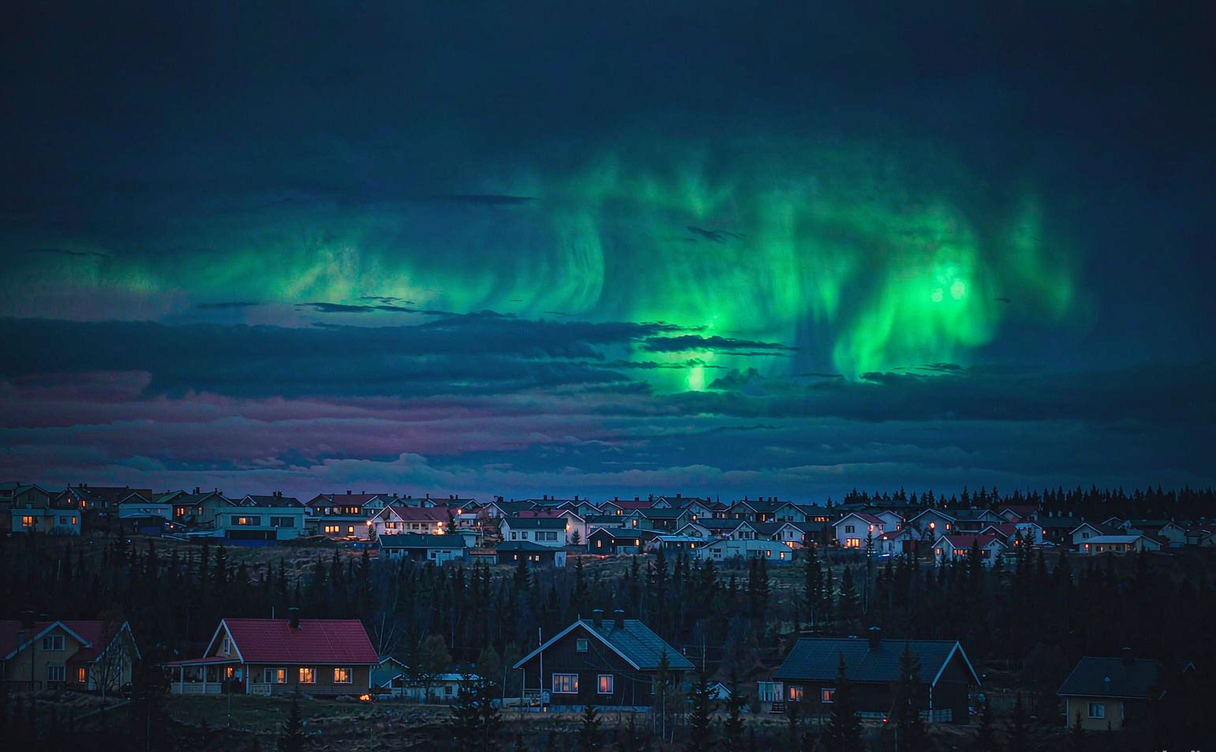
For the curious traveler, a little science sharpens the experience. An aurora is produced when charged particles from the sun collide with gases in Earth’s upper atmosphere, exciting them to glow — green from oxygen, reds and purples from nitrogen higher up. The shape and intensity depend on solar wind and geomagnetic storms, which is why no location, Mohe included, can promise a show on a given night. For a clear, well-illustrated explanation of the physics and the best viewing latitudes, the Aurora entry on Wikipedia is the place to start before you pack.
Practical tips for the northern edge
A few hard-won lessons. Book lodging in Beiji Village well ahead for the December–February peak, because the village is small and fills fast. Tell your bank you are traveling to a remote border region, since card machines fail and you may need cash for small vendors. Buy a local SIM or eSIM with data so the aurora-alert WeChat groups actually reach you. And build a buffer night or two into your plan — chasing aurora on a single fixed departure is how disappointment is manufactured.
Health-wise, the cold is the main hazard; keep moving, stay hydrated, and never let skin stay exposed when the wind picks up. The locals are wonderfully hospitable and will usher you inside the moment they sense you are cold — accept the invitation, and you may end up with a spontaneous lesson in northeastern hospitality over baijiu.
Mohe will not hand you the northern lights on a plate, and that is precisely its charm. You go for the edge of the map, the silence of the snow forest, the absurd cold and the camaraderie of strangers waiting for the sky to move. If the aurora comes, it is unforgettable; if it doesn’t, you still stood at the northernmost point of China under the most beautiful darkness it offers. A China aurora northern lights trip is, in the end, less about the lights than about going as far as the country allows and looking up.