

Soaring above rainbow mountains and misty karst peaks in a wicker basket is one of the most memorable ways to see China’s landscapes. A China hot air balloon flight turns a scenic viewpoint into a slow, silent, 360-degree experience that no train window or drone can match. Over the past decade, ballooning has grown from a rare novelty into a genuine travel activity, with tethered rides, festival flights, and a handful of dedicated launch sites scattered across the country. In this guide we share where to go, what it costs, when to travel, and how to book responsibly.
The single most photogenic place to launch is Zhangye in Gansu, where balloons rise over the striped red-and-yellow Danxia landforms — many travelers call this the “Cappadocia of China” because of its surreal, layered hills and the way dawn light makes the ridges glow. Flights here are usually tied to seasonal festivals rather than daily operations, so timing is everything. In Yunnan, Tengchong offers balloon rides above dormant volcanic cones and green farmland, with calm early-morning air that’s ideal for first-timers. Yangshuo in Guangxi lets you drift above the Li River karst, though commercial balloons there are smaller and more weather-dependent. Yuanyang (also Yunnan) floats you over the famous terraced rice fields at sunrise, and Xingyi’s Wanfenglin “forest of ten thousand peaks” in Guizhou runs regular tethered balloons with sweeping views.
If you want the classic festival atmosphere, look at the balloon events held in inland cities such as Alxa League in Inner Mongolia and occasional spring festivals near Dunhuang. These gatherings bring dozens of balloons, night “glow” shows where inflated envelopes are lit from within, and a carnival feel — perfect if your main goal is the spectacle rather than a long flight. For travelers who plan their whole trip around images, our China photography tour guide explains how to time the best light at each of these landscapes.
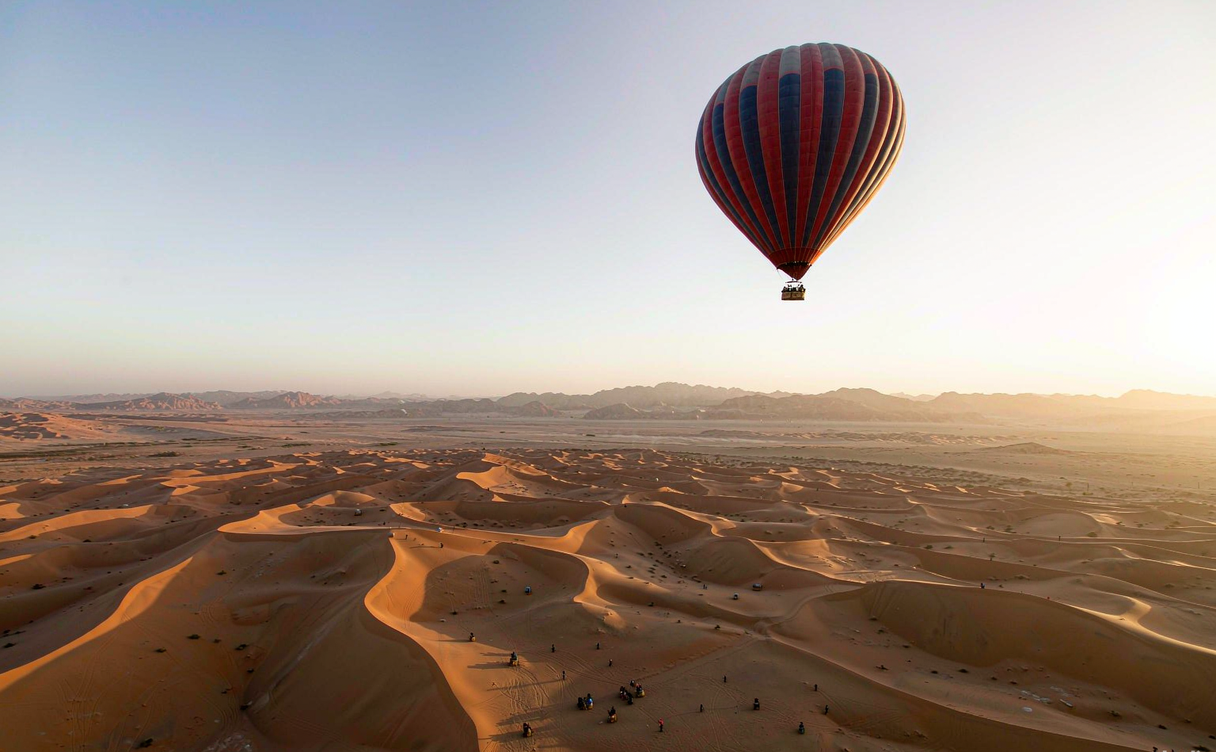
Prices vary a lot by format. A tethered ride — the basket stays attached to the ground by ropes and bobs up to 30–50 meters for a few minutes — typically runs ¥120–¥300 per person. A proper free flight of 30–60 minutes in a festival or scenic area costs roughly ¥800–¥2,500 per person, depending on the region and season, with premium sunrise slots at the top of that range. Private charters for a full basket (usually two to four people) can reach ¥6,000–¥10,000.
We’ve sent travelers here and the bookings that work best are made through the scenic-area ticket office or a licensed local agency rather than random online listings. Always confirm the operator holds civil-aviation permissions, ask about the pilot’s flight hours, and get the cancellation policy in writing — balloons fly only in light wind and good visibility, so a 50% chance of rescheduling is normal. Pay a deposit you can afford to lose, and treat any “guaranteed flight” promise as a red flag.
Spring (April–May) and autumn (September–early November) are the sweet spot for the best hot air balloon rides China offers, with stable high pressure, cool mornings, and the calm air balloons need. Summer brings afternoon thunderstorms that scrub most flights, while winter is flyable in the south but cold enough to be unpleasant in Gansu or Inner Mongolia. If you’re chasing a specific China balloon festival, lock your dates first — most festivals run only three to five days and sell out hotel rooms nearby within weeks, so book lodging before you book the flight.
Getting to these sites is easier than it used to be thanks to China’s rail network. Pairing a flight with one of the China scenic train routes lets you reach Zhangye or Guilin in comfort and shoot the landscape from both ground and air, which many of our readers have done on a single two-week loop without a single domestic flight.
The physics of ballooning is simple but the operations are strictly regulated. Foreign visitors don’t need a special license to ride as a passenger, but you should carry your passport, dress in layers (it’s cold at altitude even in summer), and wear closed shoes — basket landings can be bumpy. Drones are usually banned near launch sites during festivals, so leave yours packed. A hot-air balloon works by heating air; if you want the science before you go, the Wikipedia overview of hot-air balloons is a clear primer on how lift is generated and why pilots chase calm mornings.
One more tip from the field: book the first flight of the day. Winds are calmest at sunrise, the light is best for photos, and if your flight is cancelled you still have later slots to try again. Travelers combining ballooning with other air sports often enjoy our China skydiving guide for a very different kind of bird’s-eye view, though we recommend a rest day between the two activities so your ears and nerves recover.
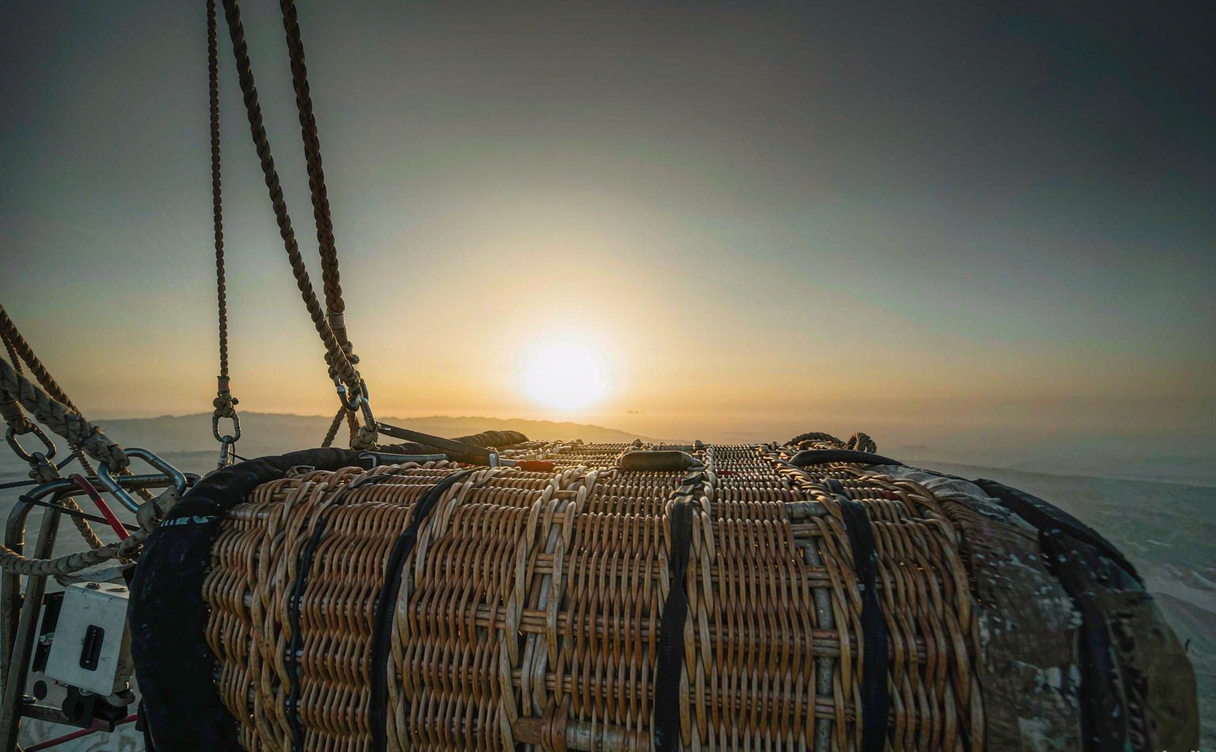
What to pack makes a bigger difference than people expect. Bring a hat (the burner throws heat upward), sunglasses, and a camera with a neck strap — there is no safe place to set a phone down in a swaying basket. A 24–70mm lens covers most shots, and shooting in burst mode helps you catch the moment the basket tips for a clean horizon. If you’re serious about aerial work, a polarizing filter cuts glare off lake and snow surfaces.
A realistic China adventure travel plan might spend two nights in Zhangye for a Danxia flight, train south to Guilin for Yangshuo’s karst, then fly to Yunnan for Tengchong or Yuanyang. Give each region two mornings of weather buffer, because a cancelled balloon flight is the rule rather than the exception. Local food near these sites is a bonus: Gansu hand-pulled noodles and Yunnan rice dishes make comfortable, cheap refueling between early starts.
Ballooning rewards planning more than spontaneity. Check the festival calendar, reserve your basket early, and keep flexible mornings — then let the wind do the rest.
During the flight itself, expect a slow, almost meditative hour. The ground crew inflates the envelope with powerful burners for about twenty minutes before takeoff, so arrive at the launch field in the dark and watch the balloons come alive against the first light. Once airborne, the basket swings only slightly and conversation is easy — pilots often point out villages, rivers, and wildlife you would never spot from a road. Landing is the lively part: the basket may tip and drag, and everyone helps pack the fabric back into the chase vehicle, which is genuinely part of the fun and a good way to meet the local crew.
Children as young as six can usually fly with a guardian at tethered sites, but free flights often set a minimum age of twelve and a maximum weight around 110 kilograms for balance. If you are prone to motion sickness, take precautions beforehand — there is no stepping off a balloon mid-flight. A dawn flight pairs well with a quieter evening, and the remote launch fields sit far from city glow, so the same clear skies that balloons love are also excellent for watching stars after you land.
Accommodation near the major sites ranges from comfortable county hotels at ¥200–¥400 a night to festival-camp options during events. Book the night before your flight inside the scenic area when possible, because a 5 a.m. departure from a distant city hotel can mean missing the weather window entirely. Food near the sites is hearty and cheap: Gansu beef noodles for ¥15, Yunnan rice dishes for ¥30, and the occasional lamb-skewer stand that appears only during festivals. Budget ¥80–¥150 a day for meals and you will eat very well.
One last planning note: balloons are wind-dependent, so build at least one buffer morning into every leg of your trip. Travelers who treat the flight as a fixed appointment are the ones who leave disappointed; travelers who treat it as a weather lottery with a solid backup plan almost always fly. The remote fields that work for balloons also work beautifully for an evening under the stars, so a cancelled morning can still become a memorable night.
Choosing the right region saves money and disappointment. If you only have a weekend, pick the launch site nearest a major city and confirm the operator’s civil-aviation permit before paying a deposit.
Bring the whole plan together before you fly. Ballooning is weather-dependent, so build buffer days and a backup activity for cancelled mornings.