

Most travelers blow through Dangyang without stopping, treating it as a blink-and-miss county between Yichang and Xiangyang, and that is a mistake we have spent years correcting. This small city in central Hubei holds two genuine heavyweights of Chinese heritage: Yuquan Temple, one of the ancient Buddhist centers of the Yangtze region with a rare cast-iron pagoda, and Guanling, the memorial tomb of Guan Yu, the loyal general whose legend still shapes Chinese culture. We first stopped here on a Three Kingdoms binge and left convinced that Dangyang deserves a slot of its own, not just a train window glance.
This guide covers when to go, how to arrive by high-speed rail, what to see, and how to fold Dangyang into a Hubei history route.
When is the best time to visit Dangyang
The best time to visit Dangyang is spring, from April to May, and autumn, from September to October. Both bring mild, dry weather that suits temple courtyards and open-air tomb gardens, and the surrounding farmland turns photogenic without the summer heat that flattens Hubei from June to August. We avoid the deep winter, when the temples feel raw and the light is flat, though a clear January day can still be pleasant for photography.
Dangyang is not a seasonal spectacle like a flower field, so timing is about comfort more than spectacle. Pack a light layer for early-morning temple visits, since stone courtyards hold the chill. Locals told us the courtyard at Yuquan is loveliest right after rain, when the old tiles darken and the mountain behind the temple emerges from haze, and our own visits back that up.
How to get to Dangyang
Learning how to get to Dangyang is refreshingly easy, because the county sits directly on the Wuhan-Yichang high-speed line. Dangyang Station has frequent trains from Wuhan in about 1.5 to 2 hours and from Yichang in as little as 20 to 30 minutes, which makes it an effortless half-day stop on a regional loop. Yichang Sanxia Airport is the nearest air gateway, about 40 minutes north by car.
If you prefer road travel, long-distance buses connect Dangyang with Yichang, Jingzhou, and Xiangyang several times a day for roughly 20 to 50 yuan depending on distance. We usually arrive by train, hire a car at the station for the day, and visit the two main sites plus a lunch stop without the stress of navigating rural signs. The distances between Yuquan Temple, Guanling, and the Changban Slope park are short, 10 to 30 minutes apart, so a half-day with a driver is plenty.
Things to do in Dangyang
The practical list of things to do in Dangyang splits between devotion and legend. Yuquan Temple and Guanling are the two anchors, but the city also preserves Changban Slope, the open ground where, in Three Kingdoms lore, the general Zhao Yun rode alone into enemy lines to rescue a child prince. Today it is a small park with a stone marker and a modest exhibition, but for fans of the saga it is hallowed ground.
We like to start at Guanling, spend a reflective hour, then move to Yuquan for the afternoon light, and finish at Changban Slope before dinner in the county town, where the braised fish and “Dangyang” noodles are hearty and cheap. None of the sites demands a guide, though a local driver who knows the quiet back entrance to Yuquan saved us a crowded front gate on a festival day. The pace here is gentle, and that is the point.
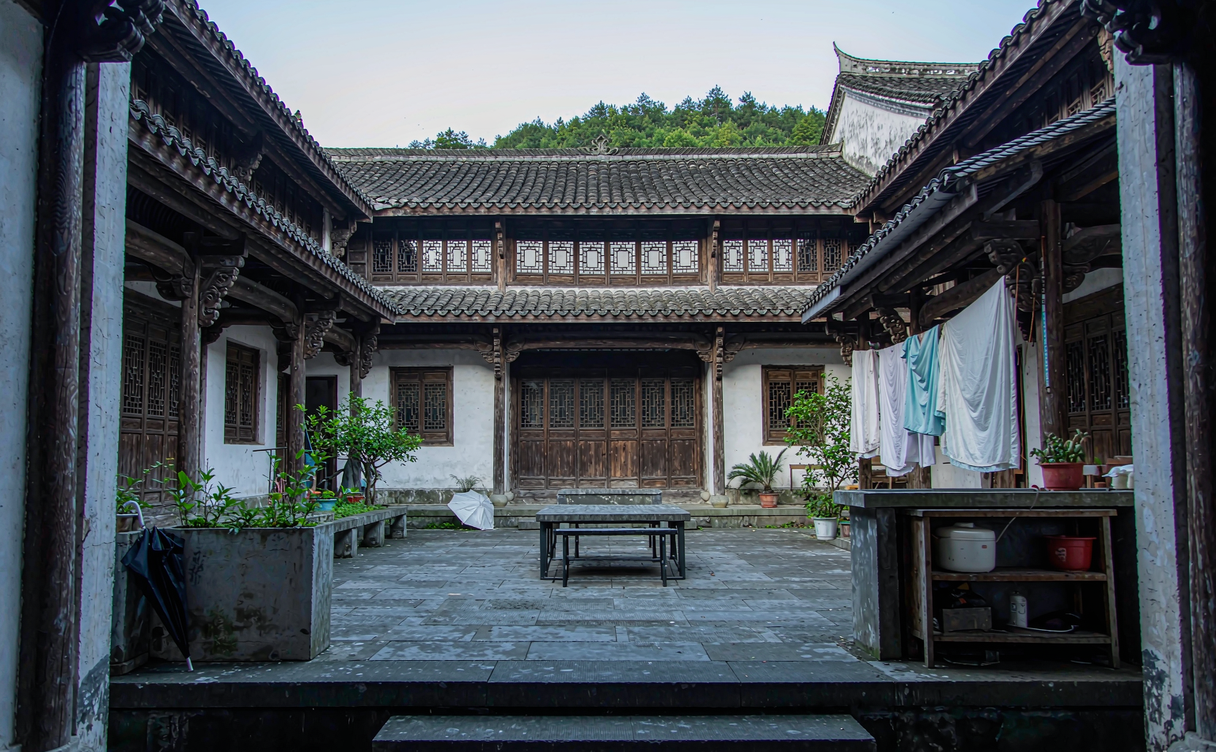
The Dangyang Yuquan Temple
The Dangyang Yuquan Temple is the spiritual centerpiece and one of the oldest Buddhist sites in the Yangtze basin, with a history stretching back over a thousand years. Its standout treasure is the Yuquan Iron Pagoda, a beautifully cast tower from the Song dynasty, one of the few surviving cast-iron pagodas in China and a quiet masterpiece of ancient metalwork. The temple sits at the foot of Yuquan Mountain, with layered courtyards, old ginkgo trees, and a stillness that survives the tour buses.
Entry is usually 40 to 60 yuan, and we recommend allowing two to three hours to walk the halls, study the iron pagoda up close, and climb a little way up the mountain for the classic temple-against-forest photograph. On our last visit a monk invited us to watch the evening bell, and that unplanned moment summed up why we rate Yuquan above flashier temples. For travelers curious about sleeping over or joining a morning chant, our China temple stay guide explains the etiquette and where it is possible.
The Dangyang Guanling
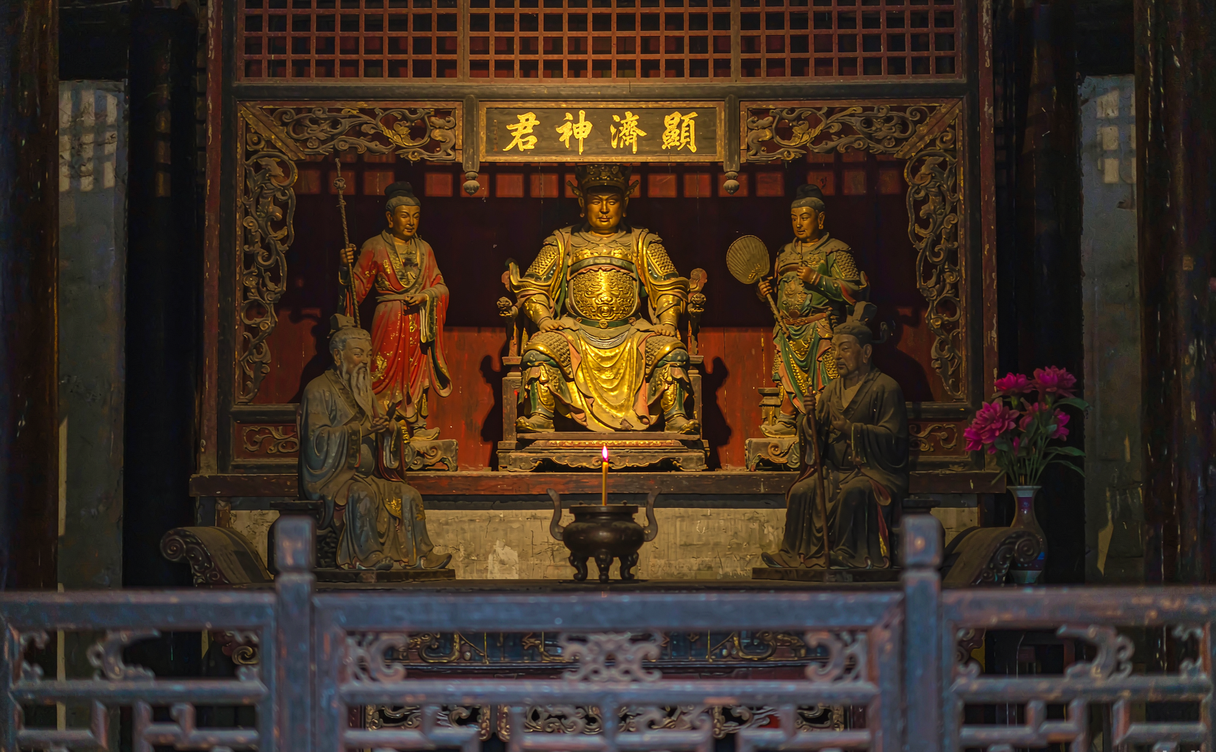
The Dangyang Guanling is the memorial shrine and tomb of Guan Yu, the sworn-brother general of Liu Bei and one of the most revered figures in Chinese folk religion, worshipped from Hubei to Southeast Asia. The complex is a walled garden of halls, cypress paths, and a grassy mound said to hold the general’s head, presented with a dignity that befits his status. Even visitors who know little of the Three Kingdoms feel the weight of the place.
We suggest budgeting about an hour here, more if you read the inscription panels that trace Guan Yu’s story from scholar-general to god of loyalty and war. Tickets usually run 30 to 50 yuan. The site is busiest around the lunar festivals dedicated to him, when devotees burn incense and the air turns fragrant; we find a quiet weekday morning the more moving experience. Keep in mind this is an active place of worship, so dress modestly and speak softly.
Where to stay and what it costs
Dangyang is a budget traveler’s friend. The county town has clean hotels from 150 to 300 yuan, and a comfortable stay near the station costs little more. We usually treat Dangyang as a day trip from Yichang or a stop between Jingzhou and Xiangyang rather than an overnight, but if you linger, the riverside guesthouses are peaceful. A realistic daily budget for two, with both site tickets, a driver, meals, and a mid-range room, runs about 400 to 700 yuan.
The two main sites are the only fixed costs; food is cheap and filling. Mobile payment is standard, so set up Alipay or WeChat Pay, and carry a little cash for temple offerings and the noodle stands. The town closes early, so plan dinner before 8:30 p.m.
A Dangyang travel itinerary
Here is the Dangyang travel itinerary we recommend, built for a relaxed half to full day on a Hubei history loop. Morning: arrive by train from Wuhan or Yichang, hire a car, and visit Guanling for an hour. Late morning to midday: tour Yuquan Temple and the iron pagoda, with lunch in the county town. Afternoon: a short stop at Changban Slope, then a train onward to Jingzhou or Xiangyang, or back to Yichang.
For a richer route, our Jingzhou travel guide covers the ancient city walls an hour east, while our Xiangyang travel guide explores the fortress city tied to the same Three Kingdoms story. Our Three Gorges Dam guide and our Wuhan travel guide handle the two transport hubs that bracket the trip.
Dangyang proves that China’s smallest counties often guard its largest stories. For background on the general enshrined here, see the overview at Guan Yu on Wikipedia. We have sent history lovers and temple seekers here and watched a quiet county town turn into a personal highlight, which is the best argument for slowing the train down at Dangyang.