

Our Jingning travel guide goes to the only autonomous county of the She (Shezu) people in China, tucked into the green mountains of southern Lishui prefecture. On our last visit we walked the stone lane of Dajun village, watched a grandmother stitch indigo embroidery, and got pulled into a round dance during the spring song festival. We have sent culture travelers here who wanted something deeper than a staged show, and Jingning delivers the real thing: a living ethnic homeland you can step into.
Why Jingning Matters
The She people are one of China’s recognized ethnic minorities, known for indigo-blue embroidery, a high-pitched call-and-response singing style, and the “Third Day of the Third Month” festival. Jingning is their homeland county, so the culture is not a museum piece; it is the daily fabric of the place. If you are working through our china-ethnic-minorities-travel-guide, Jingning is the Zhejiang stop that belongs on the list.
We pair it with the rest of lishui-travel-guide because the prefecture’s villages and gorges make a natural loop, and the two together show a very different Zhejiang from the canal towns up north.
Things to Do in Jingning
Dajun village (Dajun Gujie) is the gateway and the most photogenic stop, a hillside lane of stone houses with a “window of the She village” cultural street. Entry is free; allow two hours to watch embroidery, try the waist-drum dance, and eat at a family table. On our last visit a wedding party invited us to share their sticky-rice wine, which is the kind of moment you cannot schedule.
The She Ethnic Culture Museum in the county seat tells the history with clothes, tools, and recorded song; it is free and takes about an hour. For the deeper site, drive up to Yunzhong Daji, a high valley holding the Shisi Temple (Shisi Si), a wooden Song-era hall on stilts above a stream, ticket about ¥50. The road there is winding but beautiful, and the temple is one of the best-preserved wooden structures in the region.
The “She Village Flower” song-and-dance evenings run on weekends in season at the cultural square; tickets are about ¥60 to ¥100 and worth it if you catch a festival week. We tell travelers to ask locally about the “March Third” dates, because the exact day shifts with the lunar calendar.
Best Time to Visit Jingning
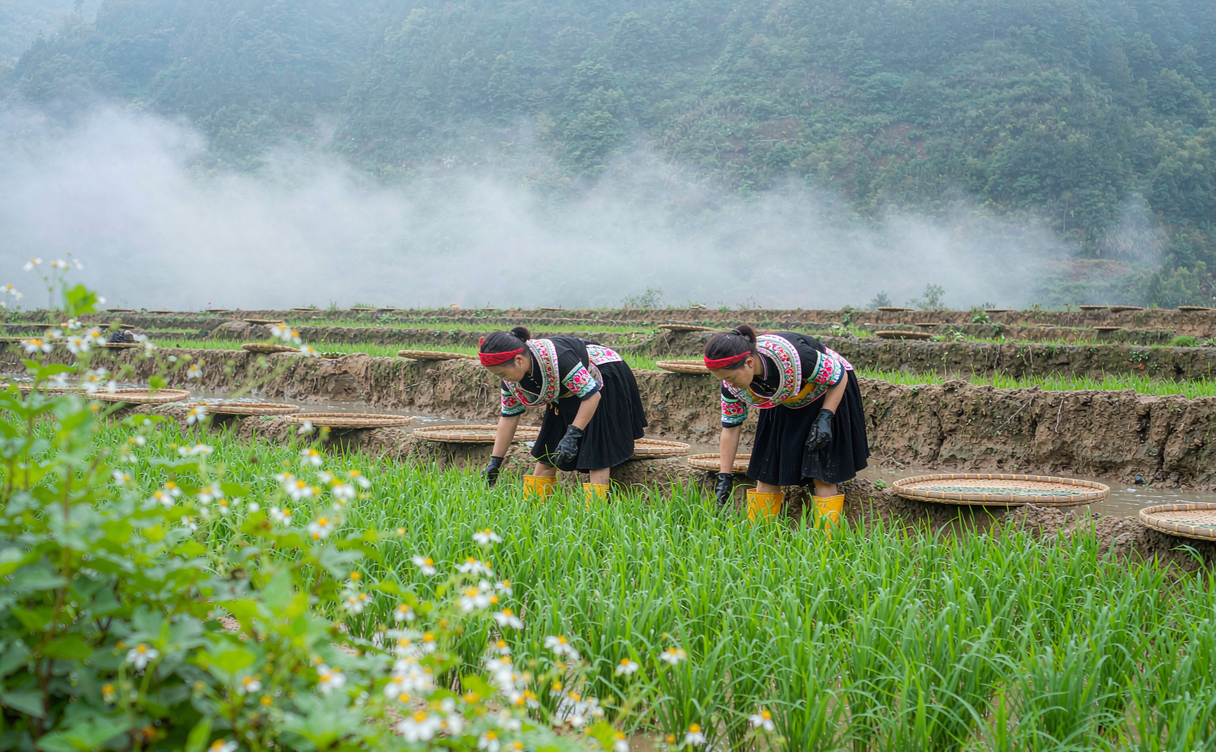
The honest answer to “best time to visit Jingning” is April to May and September to October. Springs are green at 17 to 24 Celsius, and the “March Third” festival often lands in April, which is the single best time to come. Autumns are dry and clear, good for the mountain valley and the temple.
Summer is warm and humid with afternoon rain; workable but less comfortable. Winter is cold and quiet, with few performances. We also warn against the October National Day week, when domestic tourist buses fill the valleys. The national calendar, including the holiday crunch, is in our best-time-to-visit-china.
How to Get to Jingning
Jingning has no high-speed stop of its own, so the usual route is to take the train to Lishui (from Hangzhou East about 1.5 to 2 hours, second-class ¥95 to ¥120) and then a bus or car south for about 1.5 to 2 hours. A private car from Lishui runs roughly ¥350 to ¥450. From Wenzhou it is similar in time. We almost always book a driver here, because the last stretch is mountain road with Chinese-only signs.
Within the county, a car is essential; the villages are spread out and bus times are thin. The train-and-app basics are in our china-high-speed-train-guide-foreigners. For a wider southern-Zhejiang plan, our jiangnan-7-day-itinerary shows how Jingning fits a loop with Lishui and Qingtian.
Where to Eat and What It Costs
She food is its own thing: glutinous rice cakes, mountain yam, wild herbs, and smoked pork, often cooked in a wooden barrel over an open fire. A bowl of the herbed rice is ¥15 to ¥22. A family dinner for two with pork, yam, and greens runs ¥110 to ¥170, and the sticky-rice wine is cheap at ¥20 a pot. The zhejiang-cuisine-guide sets this highland cooking against the coastal styles up north.
Lodging is simple. A county-seat hotel is ¥200 to ¥320 a night. A few village guesthouses near Dajun charge ¥300 to ¥450 with a home-cooked breakfast, and we rate them highly for the morning mist over the lane. Confirm by phone; English booking pages barely exist.
A Note on Bookability
As of this writing, Dajun and the museums are open and free, walk-in friendly. Yunzhong Daji sells at the gate for cash or Chinese apps; we pre-buy for clients. The song evenings run only in season and on weekends, so check with us before you build a day around one. Carry cash, because the villages rarely take foreign cards.
Planning Your Days
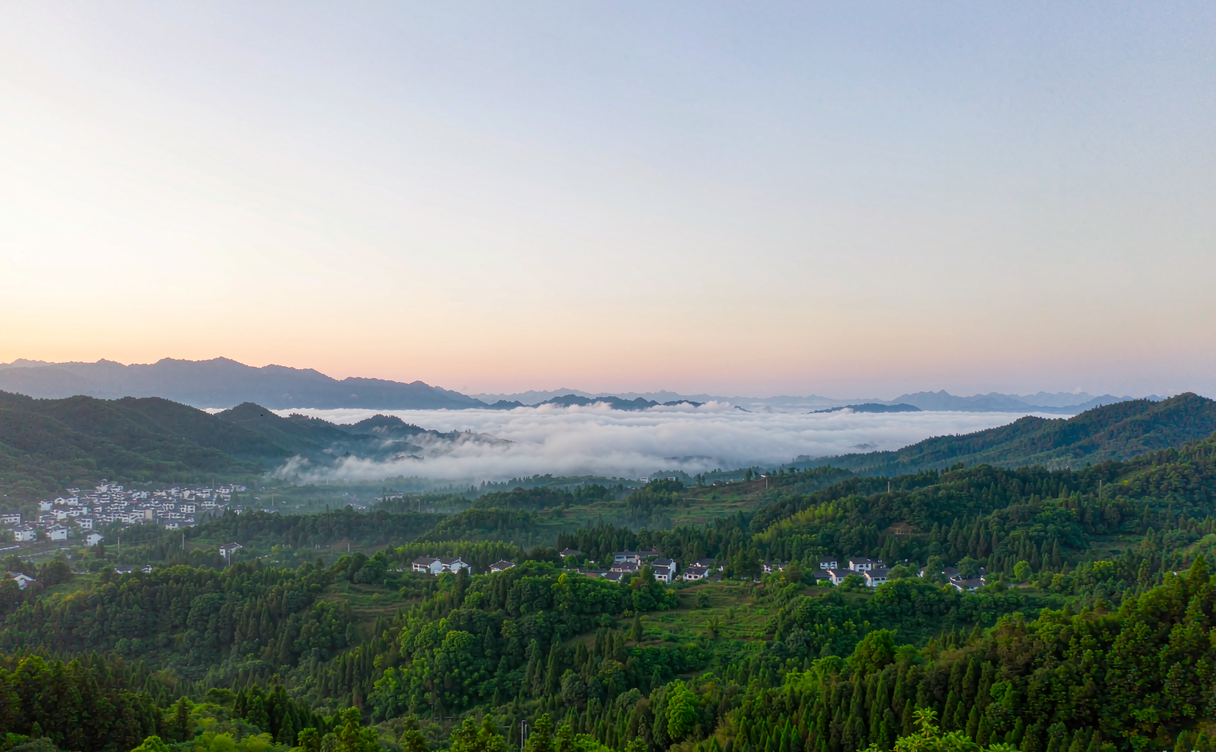
With one day, do Dajun and the county museum, then eat in the village. With two, add Yunzhong Daji and the Shisi Temple. Three days lets you catch a performance and linger in the hills. We tell culture travelers to time a festival week if they can, because that is when the singing and dancing spill into the streets.
For the minority-culture context across the country, our guide to China’s ethnic homelands maps the other regions worth combining with Jingning on a longer southern loop.
A Realistic Jingning Budget
A couple we sent for the spring festival week spent: two nights at a county-seat hotel was ¥560, the train to Lishui plus a private car down was about ¥830 for two, the Shisi Temple ticket was ¥100 for both, the song-and-dance evening was ¥160, Dajun was free, and food with the sticky-rice wine came to ¥520 over three days. Total roughly ¥2,170, or about ¥1,100 per person for a culture-heavy weekend. A non-festival visit drops the performance cost and the room premium, landing near ¥1,700 for two. We budget an extra ¥300 to ¥500 if you want a village guesthouse with breakfast and a guide who can translate the songs, because the best embroidery demos happen in family homes that do not take walk-ins without an introduction. Carry cash regardless; the hillside stalls and the temple gate are firmly offline.
Ready to plan your trip? Tell us your dates and we will build a Jingning route around the She villages and the temple.
What We Tell First-Time Visitors
Ask about the “March Third” dates before you book, because the festival moves with the lunar calendar. Carry cash for the villages. And hire a driver from Lishui; the mountain road is not worth self-navigating.
One detail we always pass on: the She embroidery uses a specific indigo that the villages still dye themselves, so the blue you see on a real piece has depth that a factory copy lacks. If a seller shows you flat, even blue, ask where it was made. The “March Third” festival is the prize, but if your dates miss it, the weekend song evenings are a fair stand-in, and the Dajun lane is lively any fine morning. We also suggest you learn a few words of the greeting before you go; the villagers light up when a visitor tries, and it opens doors to the family embroidery demos that never make the brochure. Dress for walking, because the stone lanes are slick after rain and the mountain road to Yunzhong Daji is a proper climb on foot.
Want a festival week and a driver arranged? Reach out and we will pin down the dates and an English-friendly guide.
The Bottom Line
Jingning is the Zhejiang that does not show up on postcards, and that is why we love it. A real ethnic homeland, a Song-era temple on stilts, and a hillside lane where the embroidery is still being sewn by hand. We keep sending patient culture travelers here because few places let you stand inside a living tradition this plainly.
Pairing this with Lishui or Qingtian? Send your draft and we will tighten the routing and the festival timing.