

Most visitors to Chongqing have never heard of Diaoyucheng, and that’s exactly why I love sending clients there. This Diaoyucheng guide is for the traveler who’d rather stand on a windswept Song-dynasty rampart than queue for another city photo. Diaoyucheng (“Fishing Castle”) is a mountain fortress in Hechuan District, about 60 km northwest of downtown Chongqing, where in the 13th century a small Song garrison held off the Mongol Empire for more than two decades — and, by most historians’ account, where a Great Khan died, briefly stalling the Mongol push west. I’ve walked these walls on a clear winter morning and it’s one of the most quietly powerful sites in the whole Chongqing region.
Why Diaoyucheng Matters in World History
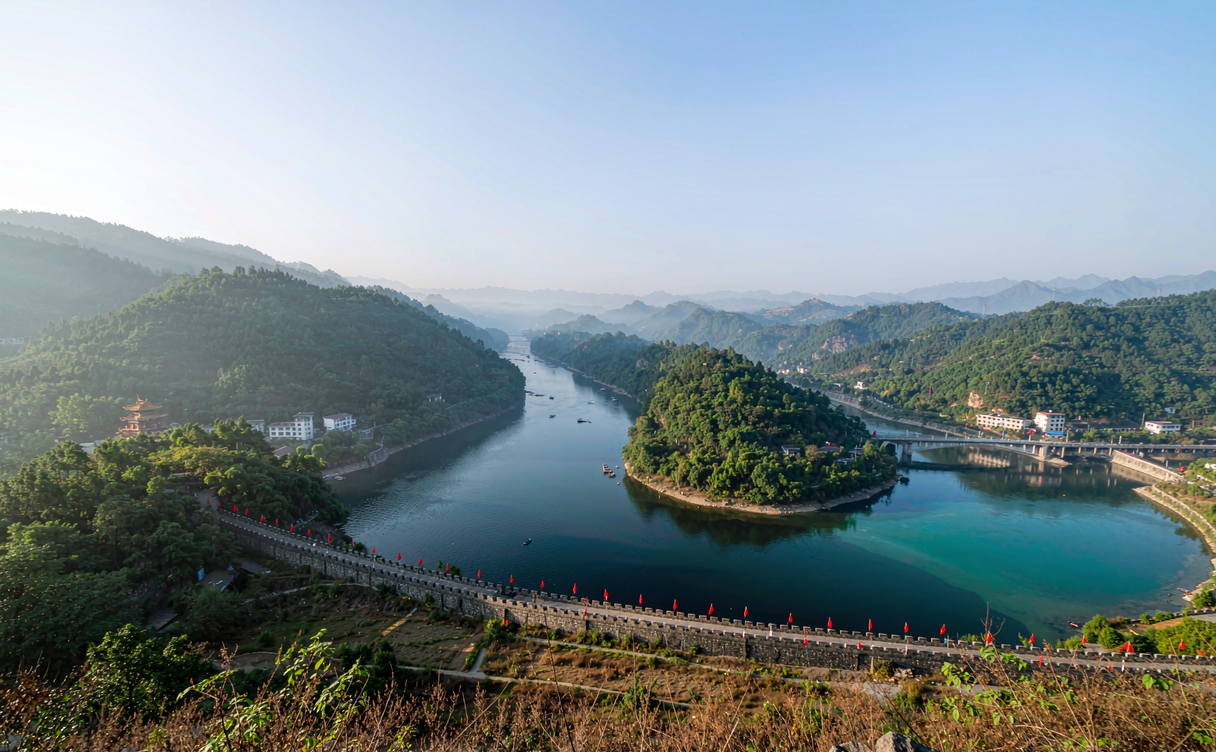
In 1259, Möngke Khan led the Mongol army south into Sichuan. Nearly everywhere fell — except Diaoyucheng. The fortress, built on a thumb of land where the Jialing, Fu, and Qu rivers nearly meet, resisted siege after siege. Möngke was wounded and died below the walls (accounts differ on exactly how), and the resulting succession crisis pulled Hulagu’s armies out of the Middle East and Kublai back to the steppe. Historians draw a line from this stubborn cliff to the Battle of Ain Jalut. For a “what to see at Diaoyucheng” list, that backstory is the first exhibit.
The site isn’t a single castle so much as a walled mountain town: cliff-edge ramparts, garrison streets, water cisterns, and a command temple, all scattered across a green plateau you explore on foot.
Things to See at Diaoyucheng
Give yourself 2.5 to 4 hours; the plateau is bigger than it looks. Key stops:
- The East and West City Walls: Ming-rebuilt stone running along the cliff tops, with the river gorge dropping hundreds of meters below. The viewpoints here are the best on site.
- The “Hanging Sky” (Xuankong) rock and the Great Khan’s death stele: A carved inscription marking where Möngke is said to have fallen.
- The military drill ground and barracks ruins: Low stone foundations showing how tightly the garrison lived.
- The Spring of the Lucky Well: The fortress’s water source, why a siege could last years.
- The Wangjiang (River-Watching) Tower: A reconstruction with panoramic views over the three-river confluence.
- The Huguo (Protect-the-State) Temple: A restored hall with tablets recounting the defense.
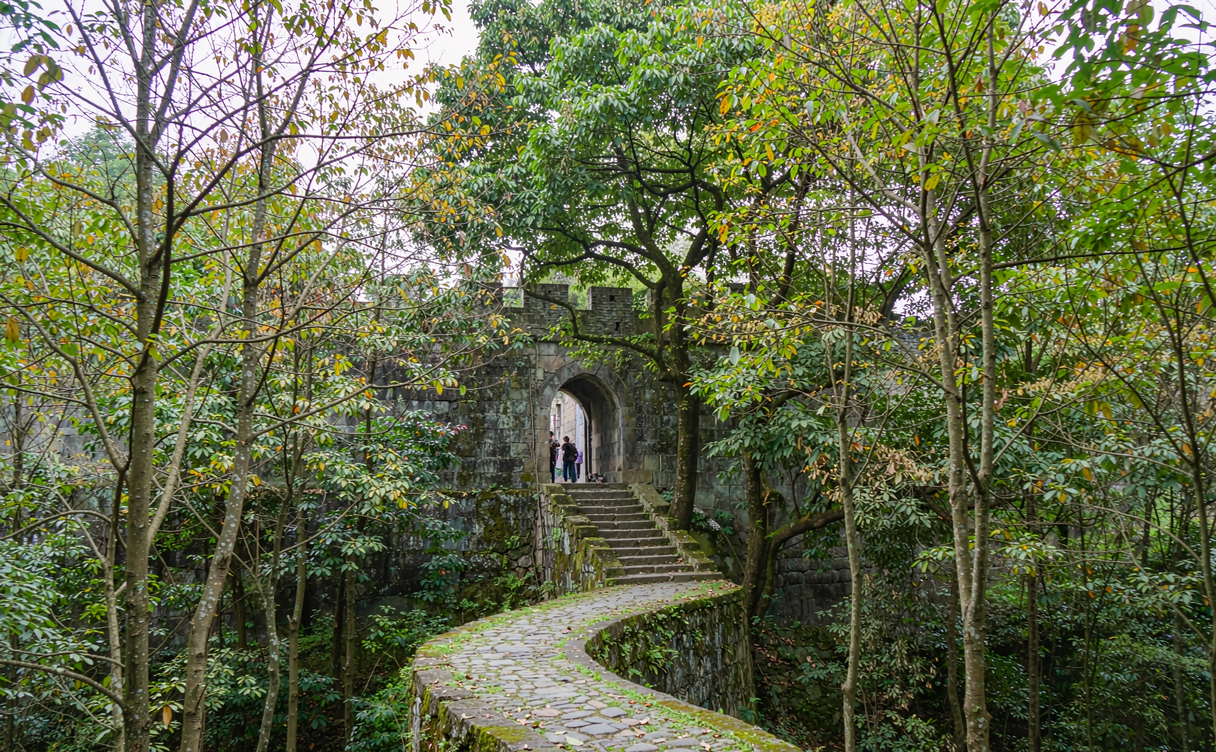
I’ve found the western wall at late afternoon light is the spot — the cliffs go gold and you can hear nothing but wind.
How to Get to Diaoyucheng
This is the easy part, which is why I push it as a Chongqing day trip. From downtown:
By bus or ride-hail to Hechuan, then local transfer. High-speed trains run from Chongqing North to Hechuan in about 25–40 minutes (RMB 15–30). From Hechuan station, a taxi or the local tourist shuttle covers the last 30–40 minutes to the fortress gate (taxi around RMB 50–80).
By private car. A driver from central Chongqing takes roughly 1.5 to 2 hours each way depending on traffic. Comfortable if you’re a group.
By organized tour. Several Chongqing operators run Diaoyucheng as a half-day outing, usually combined with Hechuan old town. I recommend this for first-timers who don’t want to piece together the local bus.
The entry ticket runs about RMB 60 in peak season, RMB 30–40 off-season, with the shuttle bus from the parking lot included or a few RMB extra. For wider train planning, our China high-speed train guide for foreigners explains booking and station navigation.
Best Time to Visit Diaoyucheng
Spring (March–May) and autumn (September–November) are best — green plateau, clear river light, comfortable walking. Summer is hot and the open cliffs give little shade, though early morning is manageable. Winter is cold but strikingly empty; I had the western wall to myself in January. Avoid the heaviest July–August haze if you want photos. If you’re building a broader Sichuan-Chongqing route, our best time to visit China guide maps the seasonal trade-offs region by region.
How Long to Spend, and What to Combine It With
Half a day is enough for the fortress itself, but with the 1.5–2 hour each-way transfer, plan a full day from Chongqing. I wouldn’t pair it tightly with other far-flung sights the same day. Back in the city, the Ciqikou old town makes an easy evening wind-down, and the Hongyadong stilt district is a short hop if you’re already downtown. If your interests lean military-history, the Three Gorges Dam is a different era entirely but slots into the same Chongqing base.
A Note on the Siege You’ll Hear On-Site
The Chinese narrative calls this the “Battle of Diaoyucheng” and credits the defenders — the Wang and Zhang family commanders among them — with a defensive feat unmatched in the Mongol wars. The cliff-top position, the internal spring, and the steep approaches made frontal assault suicidal. What’s genuinely useful for a visitor is understanding the layout: the Mongols camped in the low ground you can see from the wall, and the Song held the high ground you’re standing on. That spatial logic is the whole story, and the site tells it well through its walks. The Diaoyucheng article on Wikipedia has the campaign timeline and the links to world events if you want the bigger picture before you go.
Want Diaoyucheng without the transfer hassle? Tell us your Chongqing hotel and we’ll arrange a driver or small-group tour that picks you up at 8 a.m. and has you back before dinner.
Practical Tips From the Walls
Wear real walking shoes — the plateau paths are dirt and stone, and the cliff edges have guardrails but no hand-holding. Bring water; there’s a kiosk near the gate but it’s pricey and sporadic. Toilets exist at the entrance and near the temple but are basic. The site is loosely signed in English, so a guide or a downloaded map helps; the audio guide at the gate is Mandarin only. And give yourself time at the western wall — it’s a 10-minute walk from the main loop and most day-trippers skip it, which is precisely why you should go.
Who Diaoyucheng Is For
This is for history travelers, off-the-path seekers, and anyone tired of the obvious. There are no cable cars, no light show, no souvenir megastore — just stone, cliff, and a story that changed Eurasia. If you’ve already done the Hongyadong lights and the Ciqikou lanes, Diaoyucheng is the serious counterweight.
My Honest Take
I’ll be honest: Diaoyucheng won’t wow you with polish. What it gives instead is scale and silence. Standing where a Khan’s campaign ended, with three rivers knitting together far below, you feel the logic of the place in your legs. Go on a weekday, go early, and let the walls do the talking.
Ready to add a real history stop to your Chongqing trip? Send us your dates and we’ll fold Diaoyucheng into a city-and-fortress itinerary that fits your pace.
The Fishing Castle rewards curiosity over checklist tourism. Spend a morning on its cliffs and you’ll leave with a story most Chongqing visitors never hear.
Planning a longer Chongqing base and want the city sights plus the fortress balanced right? Reach out and we’ll sequence it so you’re not backtracking across town.
Diaoyucheng is the Chongqing few travelers find — and the one the serious ones remember.