

Why Yushu Is the Quiet Capital of the River Headwaters
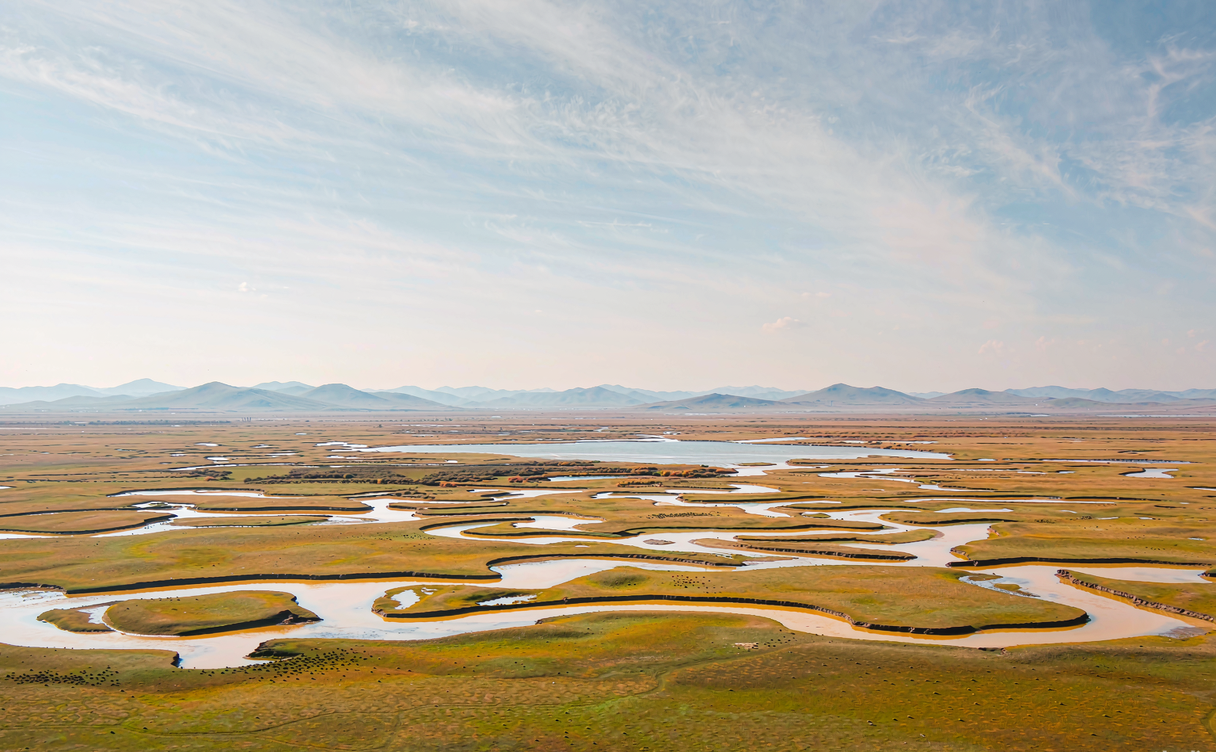
On our last sweep through the Tibetan cultural highlands of Qinghai, China, we flew into Yushu and spent four days around the headwaters, and it reshaped how I think about the province. Yushu, Qinghai, China sits where three of Asia’s greatest rivers — the Yellow, the Yangtze, and the Mekong — begin their long runs to the sea. It is remote, high, and far from the Qinghai Lake coach crowds. This Yushu travel guide is built from that trip and from the travelers we’ve sent here who wanted the real plateau rather than a postcard.
The town is a working prefecture seat with a rebuilt center (after the 2010 earthquake), a big monastery on the hill, and a market that smells of yak butter and incense. The surrounding valleys hold some of the most extraordinary stone art in the country. If you are comfortable with altitude and long transfers, things to do in Yushu easily fill three or four unhurried days. For the geography, the Wikipedia page on Yushu, Qinghai maps exactly where the three river headwaters sit.
How to Get to Yushu Qinghai
The first thing to solve is how to get to Yushu Qinghai, because there is no train. Most travelers fly. Yushu Batang Airport sits at about 3,900 m and has direct flights from Xining (roughly 1.5 hours, ¥600–1,200 CNY depending on season) and from Chengdu via Xining. From the airport it is a 30–40 minute drive (¥60–100 CNY taxi) into the town.
Overland, the classic approach is the long haul from Xining down the G214: Xining → Guoluo → Yushu, about 800 km and two long driving days. A hired 4WD runs roughly ¥1,000–1,500 CNY per day. I only recommend the drive for confident plateau travelers who have already acclimatized around Xining and Qinghai Lake, because the road climbs over several 4,000 m passes.
Whichever way you arrive, plan a slow first day. The China altitude sickness guide is essential reading before you book, since Yushu’s elevation is unforgiving.
The Jiana Mani Stone Mound Yushu
The single most moving sight is the Jiana Mani stone mound Yushu, near the town of Jiana (Gyêgu). It is the largest collection of carved mani stones on the plateau — estimates run into the hundreds of millions of slabs, each etched with a mantra, stacked into long walls that pilgrims walk clockwise for hours. The scale is hard to grasp until you stand among the walls, hearing the soft click of stones being added by passing devotees.
Entrance is free; this is a living religious site, not a ticketed park. Go at dawn when the light is low and the circuit is busy with prostrating pilgrims. I ask clients to keep a respectful distance when photographing people and to walk the kora in the clockwise direction. It pairs naturally with a visit to the nearby Ta’er Monastery near Xining if you are building a Qinghai plateau loop.
Princess Wencheng Temple Yushu
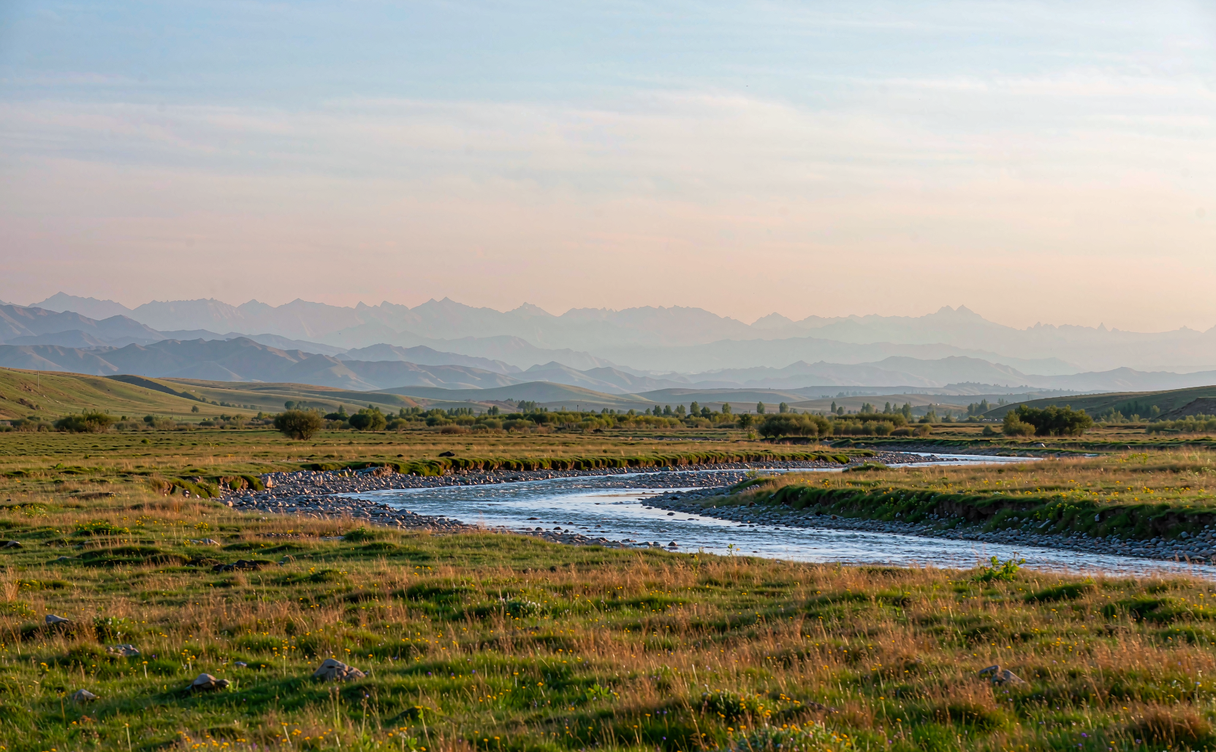
A short drive south of town brings you to the Princess Wencheng Temple Yushu, carved into a cliff face in a narrow valley. The temple honors the Tang dynasty princess Wencheng, whose 7th-century marriage alliance is remembered across the region’s history and is depicted in fine relief carvings here. The setting is dramatic — a narrow gorge, prayer flags, and a spring said to have been hers.
Entry is about ¥30–50 CNY. The cliff reliefs are the highlight; a local caretaker often explains the panels if you tip a few yuan. I time this for late morning after the mani mound, then loop back for lunch in town. For broader context on the province’s peoples, our China ethnic minorities guide explains the Tibetan, Mongolian, and Salar communities you’ll meet across Qinghai.
More Things to Do in Yushu
Beyond the headline sites, there is plenty for a slow traveler:
- Jyekundo (Jiegu) Monastery: the hilltop monastery above town, with a dawn chant worth waking for and wide valley views.
- The source rivers: short drives reach the marked headwater springs of the Yellow and Yangtze tributaries — more symbolic than scenic, but powerful for geography lovers.
- Nomad valleys: hired cars can reach summer pasture camps where you can drink buttered tea in a tent (arrange via your guesthouse, ¥200–400 CNY for a half day).
- Market mornings: the town market at 7–9 a.m. is the best free show in Yushu — dried cheese, turquoise, and prayer-wheel repairs.
If you are continuing west, the Golmud travel guide covers the next big hub on the Qinghai–Tibet corridor.
Getting around town is straightforward on foot, but the mani mound, the Wencheng Temple, and the headwater springs are all outside the center and need a car. A half-day hire runs ¥200–400 CNY, and your guesthouse can usually arrange a driver who speaks a little Mandarin and knows the sites. There is a small museum in town covering the 2010 earthquake and the rebuilding, worth an hour if the weather turns; it explains how the new grid was laid out to resist future quakes. I also tell clients to carry a paper map or offline maps, because signal outside town is unreliable and you do not want to be navigating blind at 4,000 m.
Where to Stay and Eat
Yushu town has rebuilt, clean hotels. A standard double runs ¥250–450 CNY; a few places offer oxygen rooms at ¥500–700 CNY, which I recommend for the first night at this height. Eat hearty: yak hotpot (¥80–150 CNY for two), momos (¥15–25 CNY a plate), and sweet milk tea. The market has noodle stalls at ¥12–20 CNY. Vegetarian options exist but are limited, usually centered on potato and greens rather than fake meat. Bring a reusable bottle and fill it at your hotel, since the tap water is not for drinking but the altitude makes hydration constant.
Best Time to Visit Yushu
The best time to visit Yushu is July and August, when the grasslands are green, festivals peak, and the roads are open. September is clear and golden but already cold at night. October to May is harsh — snow closes passes, and many guesthouses and the outer sites are hard to reach. I send most travelers in late July or early August, and warn them the town’s altitude makes even summer nights chilly.
Sample 3-Day Plan
Day 1: Fly in, rest, short walk to Jyekundo Monastery at dusk. Day 2: Dawn at the Jiana Mani mound, Princess Wencheng Temple mid-morning, market lunch. Day 3: Headwater springs drive and nomad-valley tea, fly out or begin the G214 drive north.
Practical Tips
Carry cash; cards are unreliable off the main strip. Sunscreen and a windproof shell are mandatory, and lip balm saves you from the dry plateau air. Give yourself a full rest day on arrival. Respect monastery rules and always circle shrines clockwise. For the broader region, the Xining travel guide is your gateway city and where most trips begin.
Download our Yushu altitude and transfer planner before you book the flight.
Pair this with the Xining and Qinghai Lake guide to acclimatize before the plateau.
Tell us your month and we’ll confirm the best time to visit Yushu for green grasslands.