

Why Litang Is the Real Edge of the Sichuan Plateau
On our last trip west we drove the G318 from Kangding toward the Tibetan cultural highlands of western Sichuan, China, and Litang stopped us cold — not because it is famous, but because it is the most “sky-town” feeling place we’d stood in for weeks. At roughly 4,000 meters, Litang sits on a wide grassy plain ringed by snow peaks, and the wind never quite stops. This Litang travel guide comes from that drive and from the travelers we’ve since sent here who wanted the plateau without the crowds of the better-known parks.
Litang, in western Sichuan, China, is the heart of the local Kham-style Tibetan cultural belt of the province. The town itself is a working county seat with a big working monastery, a dusty but lively market, and yak-tea cafés where old men in chubas (robe-coats) spin prayer wheels. It is raw, high, and wonderful if you respect the altitude. For a factual overview, the Wikipedia page on Litang County places it clearly on the Sichuan plateau and explains its role on the G318 highway.
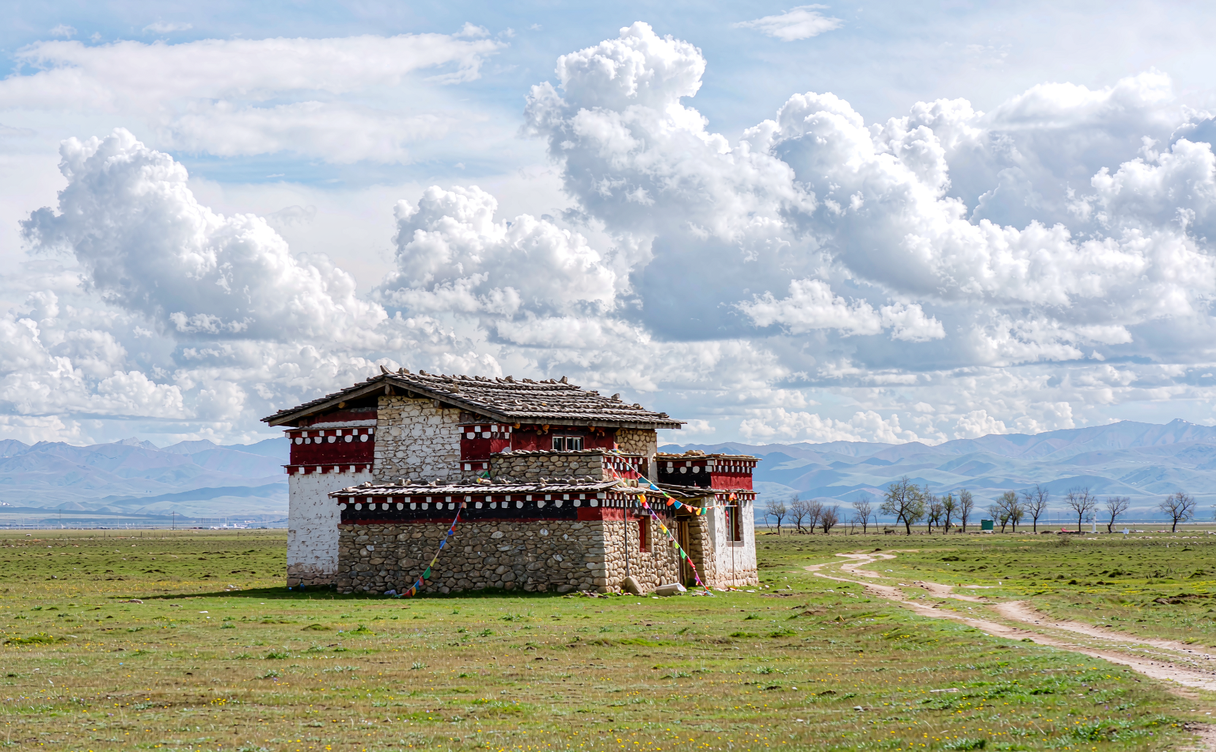
How to Get to Litang from Chengdu
The question every planner asks is how to get to Litang from Chengdu, and the honest answer is: by road, and give it time. There is no train to Litang. Most travelers fly from Chengdu to Daocheng Yading Airport (the world’s highest commercial airport at ~4,400 m) and then drive north about 3–4 hours; a private car from the airport to Litang runs roughly ¥500–800 CNY. Flying cuts altitude-gain days but dumps you straight into thin air, so read the acclimatization note below.
The classic overland route is the G318: Chengdu → Kangding (~6–7 h drive) → Xinduqiao → Litang, a full two days of driving with an overnight in Kangding or Xinduqiao. A hired 4WD with driver from Chengdu runs about ¥1,200–1,800 CNY per day including fuel. Buses exist but are slow (15+ hours) and uncomfortable at altitude; I only recommend them for the budget-hardened. Whatever you choose, build in a night at 2,500–3,000 m before climbing to Litang — that single step prevents most altitude trouble.
A Litang Monastery Visit
The centerpiece is a Litang monastery visit to the Ganden Thubchen Ling Monastery, usually called Litang Monastery. It is one of the largest working monasteries in the Garzê Tibetan Autonomous Prefecture of Sichuan, with hundreds of monks, a vast assembly hall, and a hillside of white residential houses that make up the monastic quarter. Entrance is free or a small donation (¥10–20 CNY suggested); photography inside the halls is often restricted, so ask first.
I’ve sent travelers here who expected a polished tourist site and instead found a functioning religious community — chanting at dawn, debating in the courtyard, butter lamps flickering. The morning prayers (around 7–8 a.m.) are the most moving time to be there. Dress modestly, walk clockwise around the shrines, and keep your voice down. The kora (pilgrim circuit) around the hill takes about 40 minutes and gives great views back over the plain.
If you are building a plateau route, our Daocheng Yading guide is the headline park two days south, and the Kangding travel guide is your logical first high-altitude stop out of Chengdu.
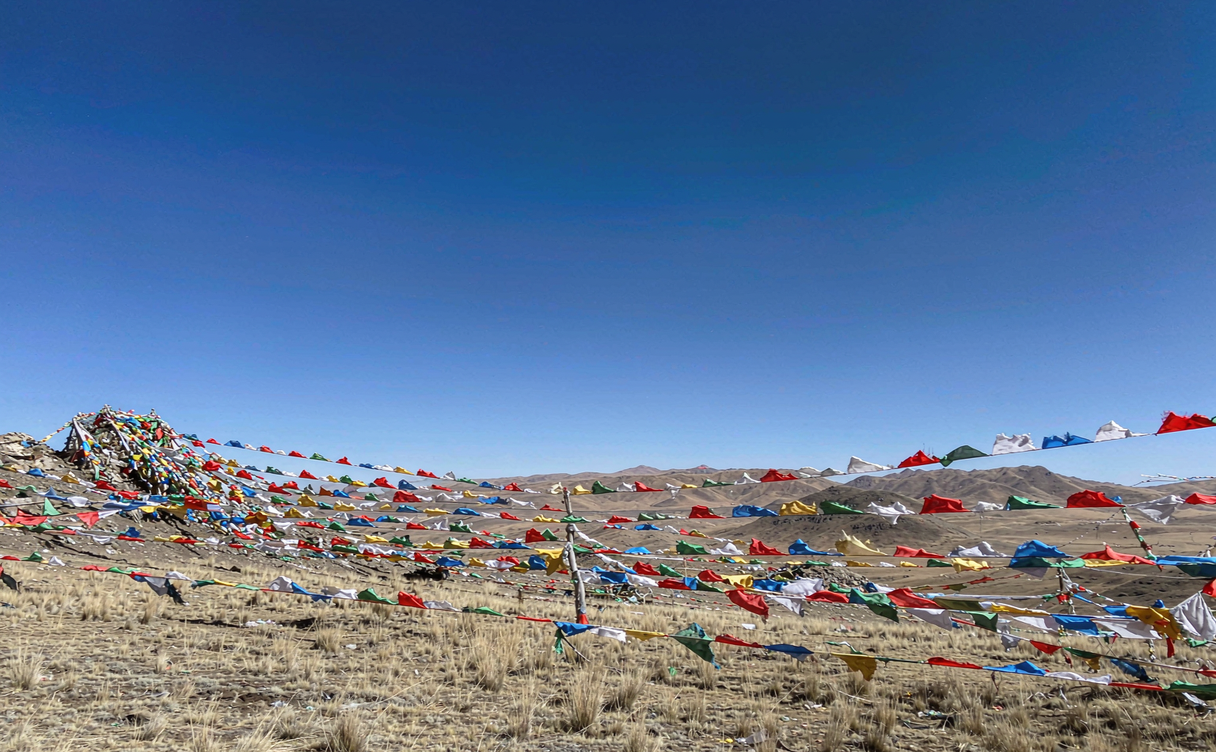
The Maoya Grassland Litang Plains
Just south and west of town opens the Maoya grassland Litang, a rolling sea of green in summer that turns copper-gold in late autumn. This is the postcard: yaks dotting the sod, herders on motorbikes, and the occasional white tented camp. In August the annual horse festival draws riders from across the plateau for bareback races and archery — a genuinely local spectacle, not a staged show.
You can reach the grassland by hired car (¥200–300 CNY half day) or even bicycle if you are fit and acclimatized. Bring a windproof layer; even in July the plain is windy and cold after noon. I tell clients to go at dawn or late afternoon for light and to avoid the midday glare and chill.
Getting around the county town itself is easy on foot, but every site worth seeing outside the center — the grassland, the festival grounds, the higher kora viewpoints — needs wheels. A half-day car hire runs ¥200–300 CNY, and most guesthouse desks can call one within ten minutes. There is a small tourist-information desk near the monastery gate, though English is limited; I always have clients’ hotels write destinations in Chinese characters on a card to show drivers, because place names here are not pronounced the way they are spelled. Fuel up on water and snacks before any outing, because the plain has almost no shops once you leave the main street, and mobile signal thins out fast beyond the ridge.
Litang Altitude and Acclimatisation
This is the part I never skip. Litang altitude and acclimatisation decide whether you love this town or hate it. At ~4,000 m, most newcomers feel breathless on the first climb of stairs, and headaches are common on night one. The rules that keep our travelers healthy:
- Spend at least one night lower (Kangding ~2,560 m or Xinduqiao ~3,300 m) before arriving.
- Drink 2–3 liters of water a day; skip alcohol for the first 48 hours.
- Move slowly for the first day; no running up monastery steps.
- Consider the China altitude sickness guide for medication and symptom advice before you fly in.
If you feel or see real altitude sickness — persistent vomiting, confusion, breathlessness at rest — descend immediately. The road back down to Kangding is the fastest cure, and our Sichuan 7-day itinerary is built to climb gradually for exactly this reason.
Where to Stay and Eat
Litang has basic but clean lodging. A standard county-town hotel runs ¥200–400 CNY; a few newer places with oxygen rooms charge ¥500–800 CNY, which I recommend for first-timers at this height. The China road trip guide has wider tips on driving this corridor with gear and spare fuel.
Food is hearty plateau fare: yak meat hotpot (¥80–140 CNY for two), butter tea (¥5–10 CNY), and tsampa (roasted barley flour). The market street has noodle joints at ¥12–20 CNY a bowl. Vegetarians do fine on momo-style dumplings and vegetable noodles but should manage expectations.
Best Time to Visit Litang
The best time to visit Litang is July to early September for green grassland and the horse festival, or late September to October for golden plains and crisp light. Winter is brutally cold (nights below −15°C) and many guesthouses close, though the sky is impossibly blue. Spring (May–June) is variable with late snow. I send most people in August for the festival atmosphere, with a clear warning about altitude and cold nights.
Sample 3-Day Plateau Plan
Day 1: Chengdu → Kangding, overnight to acclimatize. Day 2: Kangding → Xinduqiao → Litang, monastery visit at dusk. Day 3: Maoya grassland at dawn, horse-festival grounds if in season, drive south toward Daocheng Yading.
Practical Tips
Carry cash; card terminals are unreliable. Sunscreen and lip balm are essential — UV at 4,000 m burns fast. Signal is patchy outside town. Respect monastery etiquette and ask before photographing people.