

I planned my first Sichuan 7 day itinerary around one stubborn idea: see giant pandas, stand under a 71-meter Buddha, and walk a real mountain, all in one week without burning out. After two trips and a lot of trial and error, this is the route I now give friends. It mixes the city comfort of Chengdu with the alpine lakes of Jiuzhaigou and the Buddhist peaks of Emei and Leshan. It is built for first-timers who want variety, not marathon bus rides.
Why this Sichuan travel route one week works
A Sichuan itinerary with pandas and mountains needs balance. Chengdu sits at 500 meters; Jiuzhaigou sits above 2,000 meters. Going straight to altitude after a long flight is unpleasant, so I start low and slow. The first three days ease you in with food and pandas, then days four to six climb into the mountains, and day seven gives a soft landing. This is a realistic Chengdu to Jiuzhaigou itinerary days plan, not a racing schedule.
The best time for Sichuan 7 days is late September to early November, when the Jiuzhaigou leaves turn red and gold, or April to May, when rhododendrons bloom and crowds thin. I went in mid-October and the lakes were mirror-still. Summer (July to August) is green and wet; the Sichuan one week trip budget rises because domestic tourists flood the parks. Winter is cold but cheap, and Jiuzhaigou with snow is stunning if you dress for it.
Day 1: Arrive in Chengdu and meet the pandas
Land at Tianfu International Airport (TFU) or Shuangliu (CTU). The metro from TFU to the city takes about 40 minutes on Line 18. Check in around Wide and Narrow Alley or Chunxi Road, then do only light walking. On day one I always save energy for the pandas the next morning.
Day 2: Chengdu pandas and city food
Arrive at the Chengdu Research Base of Giant Panda Breeding before 7:30 a.m. The pandas are most active before 9 a.m., and the lines at the gate build fast after 8. Tickets cost RMB 55 (about RMB 60 with the shuttle). Spend three hours, then return to town for a relaxed afternoon of hotpot. A mid-range hotpot dinner for two runs RMB 120 to RMB 200. If you want more city detail, our Chengdu travel guide covers neighborhoods, metro passes, and where locals actually eat.
For a deeper panda-and-street-food day, pair the base with the Chengdu pandas and city guide, which maps the food streets near the old town.
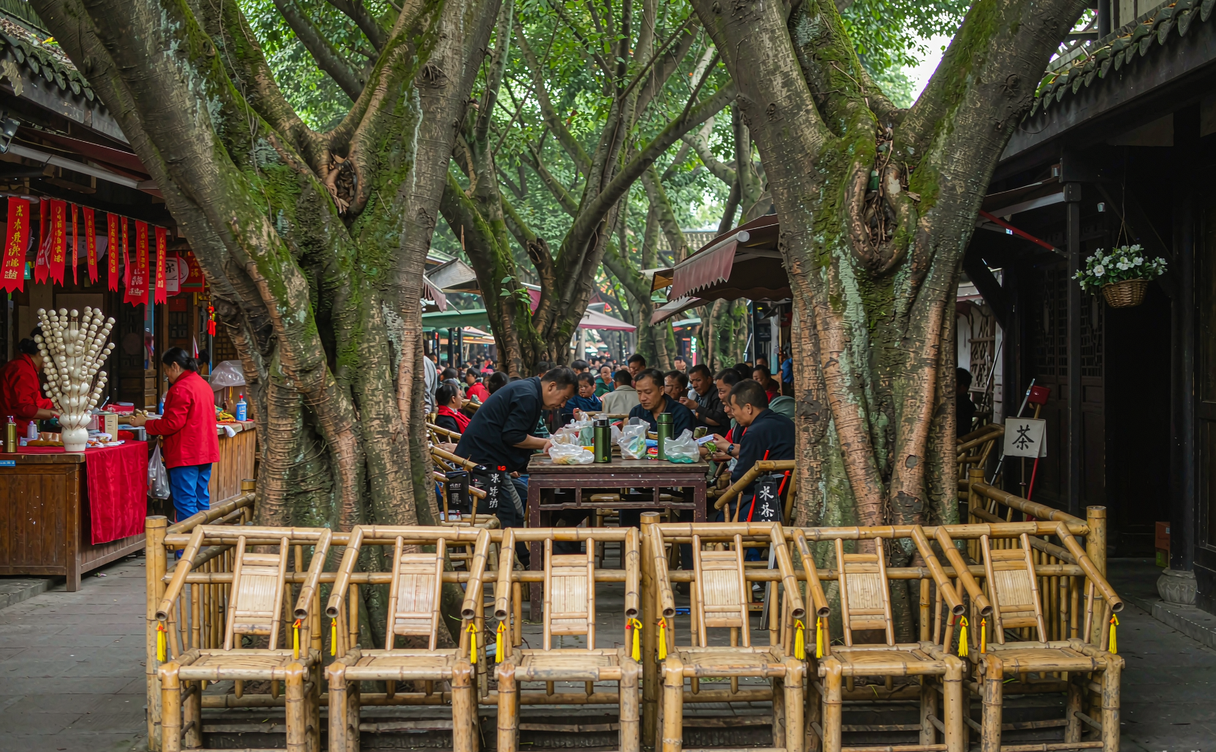
Sichuan food is the real draw for many visitors, and Chengdu is the easy place to learn it. I ate mapo tofu (RMB 28), dan dan noodles (RMB 12), and steamed pork in chili paste at small shops near Jinli. Spice levels are adjustable, so tell the server “wei la” for mild. A filling lunch rarely passed RMB 40. The night markets around Jinli and Kuanzhai Alleys are tourist-priced but fun for a first evening; for better value walk two blocks off the main lane. Carry small cash and a payment app, because some panda-base snack stalls still prefer scans over cards.
Day 3: Leshan Giant Buddha, then up to Emei
Take the high-speed train from Chengdu East to Leshan (about 1 hour, RMB 54 in second class). The Leshan Giant Buddha is a 71-meter carved cliff statue, best seen from the river boat (RMB 70) to avoid the steep stair queue. After lunch, continue by train or bus to Emei Mountain town (30 to 60 minutes). Stay at the base or halfway up. Our Leshan Giant Buddha guide explains the boat-versus-stairs trade-off and the ticket windows that most tourists miss.
Day 4: Emei Mountain sunrise and monkeys
Emei is a sacred peak with cable cars and temples. I took the scenic bus to Leidongping (RMB 90 from the gate), then climbed or rode to the Golden Summit for the sea-of-clouds view. Watch the wild monkeys near Qingyin Pavilion; they snatch plastic bags. A full Emei day with cable cars costs roughly RMB 250 to RMB 320 all in. The Emei Mountain guide lists the cable car hours and the lodge I booked at the summit.
Day 5: Fly or drive to Jiuzhaigou
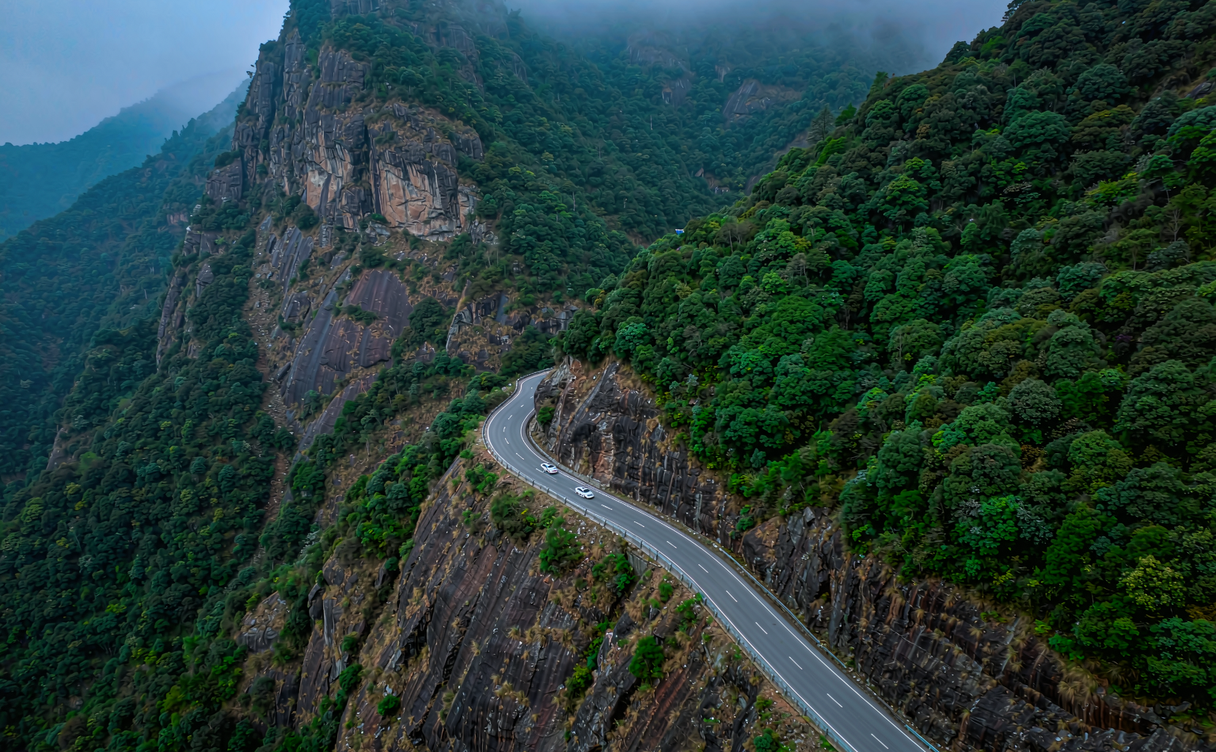
From Chengdu, you have two choices. A direct flight to Jiuzhaigou Huanglong Airport (JZH) takes about 1 hour and costs RMB 400 to RMB 900 depending on season. The scenic drive on the G213 takes 8 to 10 hours and is gorgeous but tiring, so I only recommend it if you love mountain roads. I flew and booked a private transfer (RMB 200 to RMB 300) to the park entrance at Zhangza town.
Day 6: Jiuzhaigou full day
Jiuzhaigou Valley is a UNESCO World Heritage Site with tiered turquoise lakes, waterfalls, and boardwalks. Entry is RMB 169 in peak season (April to November) plus RMB 90 for the shuttle bus. The park runs a one-way loop, so start at the top and ride down. I spent nine hours and still missed a few streams. The Jiuzhaigou travel guide has the exact shuttle stops where I saw the fewest crowds. You can read the official heritage listing on the UNESCO Jiuzhaigou page.
Day 7: Huanglong or Mount Siguniang, then fly home
If you still have energy, Huanglong (near the airport) has terraced calcium pools and a cable car (RMB 170 entry plus RMB 120 cable car). If you prefer a longer alpine detour, swap Huanglong for Mount Siguniang, a four-peak range near Wolong, though that adds a night. I chose Huanglong, then flew back to Chengdu the same evening and caught my international flight the next morning.
Sichuan one week trip budget
Here is what I actually spent, per person, in RMB: trains and flights RMB 1,100 to RMB 1,700; park tickets and shuttles RMB 800 to RMB 1,100; hotels RMB 350 to RMB 600 per night (six nights, RMB 2,100 to RMB 3,600); food RMB 120 to RMB 200 per day (RMB 840 to RMB 1,400); local transfers RMB 400 to RMB 600. Total: roughly RMB 6,200 to RMB 8,400 per person, not counting international flights. A Sichuan 7 day itinerary can be done cheaper by taking buses and hostels, or pricier with private guides.
Getting around
Within Chengdu, the metro is clean and English-signposted; use Alipay or WeChat transport cards. Between cities, high-speed rail is the backbone: Chengdu to Leshan is frequent and cheap. For Jiuzhaigou, flying saves a full day. Book trains on 12306 or via the app; seats sell out around National Day (early October), so reserve two weeks ahead.
What I would skip
I skipped the Dujiangyan irrigation system this time to protect the mountain days, and I do not regret it. If your week is tight, drop Mount Siguniang rather than Jiuzhaigou. The pandas and Jiuzhaigou are the two things I would never cut from a first Sichuan 7 day itinerary.
Packing and altitude notes
Jiuzhaigou and Huanglong sit above 2,000 meters; Huanglong’s top is near 3,500 meters. Walk slowly, drink water, and skip heavy exercise on arrival day. Bring a rain shell even in October; the valleys turn misty by noon. Comfortable shoes matter more than fancy gear, since you will walk 10 to 15 km on boardwalks.
Sample day-by-day at a glance
Day 1 Chengdu arrival. Day 2 pandas and hotpot. Day 3 Leshan Buddha to Emei. Day 4 Emei summit. Day 5 fly to Jiuzhaigou. Day 6 Jiuzhaigou Valley. Day 7 Huanglong and fly out. This is the Chengdu to Jiuzhaigou itinerary days shape that worked for me, and it leaves buffer for delayed flights.
A Sichuan travel route one week like this gives you pandas, a sacred mountain, a giant Buddha, and alpine lakes without a single 12-hour bus day. If you build it around the best time for Sichuan 7 days and book trains early, the trip runs smoothly. I came home tired in the best way and already plotting a return for Mount Siguniang in spring.