

I went to Xintiandi (新天地) in October 2025 because I wanted to see how Shanghai turns its oldest housing into its most polished district without losing the bones. Xintiandi is a restored cluster of shikumen (石库门) lane houses — the stone-gate homes that defined 1900s Shanghai — rebuilt as restaurants, cafes, and boutiques between the old French Concession and People’s Square. This Shanghai Xintiandi guide comes from several evening and afternoon visits, with the metro I took, the museum ticket I paid, and the meals I actually sat down for. It is written for first-time visitors who want one walkable district that shows both the old lane form and the new city mood.
How to visit Xintiandi
Xintiandi is dead simple to reach by metro. Lines 10 and 13 both stop at Xintiandi Station (新天地站), and I used Line 10 from People’s Square, a four-stop ride of about 12 minutes for RMB 3. Exit 2 or 3 puts you at the lane entrance within two minutes. The area is also an easy 15-minute walk from Nanjing Road or a 20-minute walk from the Bund if you want to chain sights on foot. For the wider rail picture, our China metro and subway guide explains how to ride any Chinese metro with a foreign card or the Alipay QR, and it is the cheat sheet I used to breeze through the gates.
Entry to the lanes themselves is free; you pay only for what you eat, drink, or the one small museum. The whole district is flat and pedestrianized, so comfortable shoes are the only gear you need. The shikumen style and the district’s history are outlined on Xintiandi at Wikipedia if you want the background before you go, and it is worth a skim so you can tell the restored buildings from the pastiche.
Best time to visit Xintiandi
Xintiandi works year-round, but the open-air lanes are best in mild weather. I went in October with evenings around 20°C, which was ideal for sitting outside with a drink. Spring (April to May) and autumn (September to November) are the comfortable windows; summer is hot and sticky, often above 33°C, so you will want the air-conditioned restaurants more than the lanes; winter is cold but the Christmas and New Year lights make it festive. Our Shanghai first-time travel guide places Xintiandi in a sensible first-day plan and confirms that an evening here pairs well with an earlier Bund walk.
The Shikumen lanes and the open-house museum
The draw is the architecture. Xintiandi Shikumen lanes keep the gray-brick facades, the stone gateways, and the tight alley rhythm of old Shanghai, then open them into glass-fronted cafes and wine bars. I spent an hour just walking the north and south blocks, and the contrast — laundry-day nostalgia outside, espresso machines inside — is the whole point. The one paid stop is the Shikumen Open House Museum (屋里厢博物馆), a restored lane home showing 1920s interior life, where I paid RMB 20 in 2025.
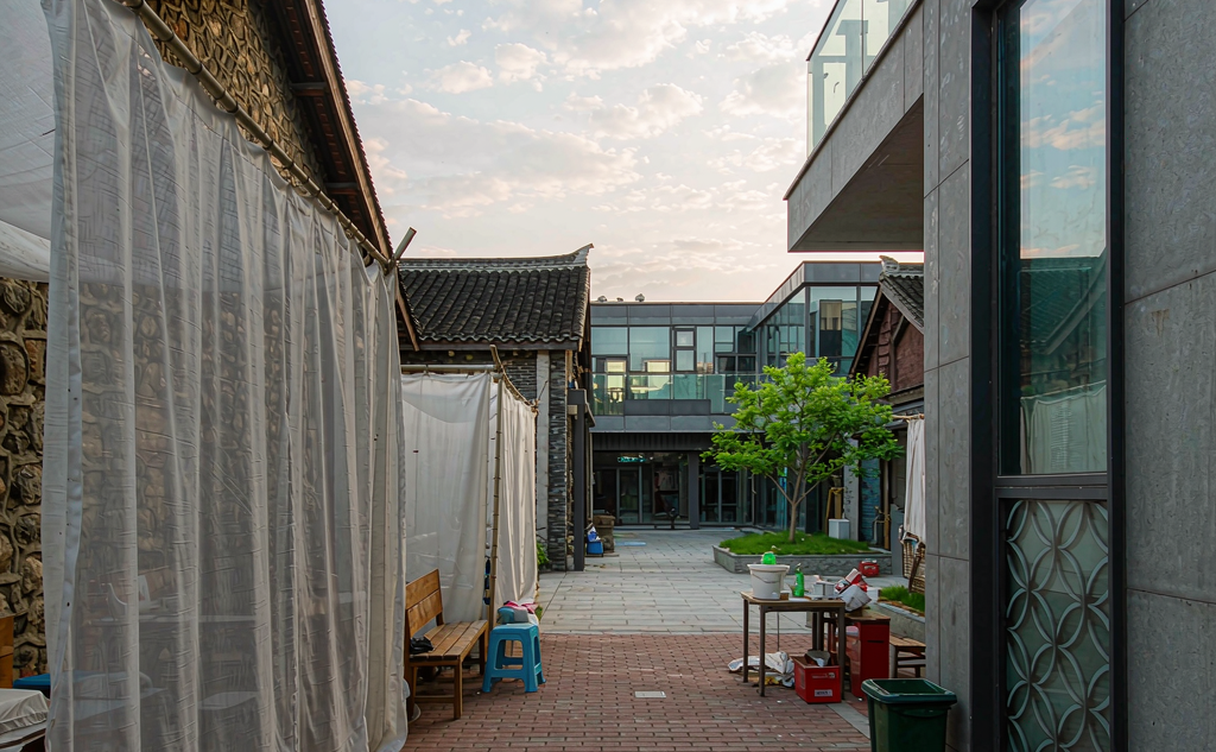
Right beside the lanes is the site of the First National Congress of the Communist Party of China, now a free museum about the building’s history; I popped in for 20 minutes and found the old brick meeting room interesting as a piece of the district’s story. Keep your camera ready in the alleys — the brick and the lanterns read beautifully at golden hour. This is where things to do in Xintiandi start: look up at the gateways before you look at the menus.
Xintiandi restaurants and the food scene
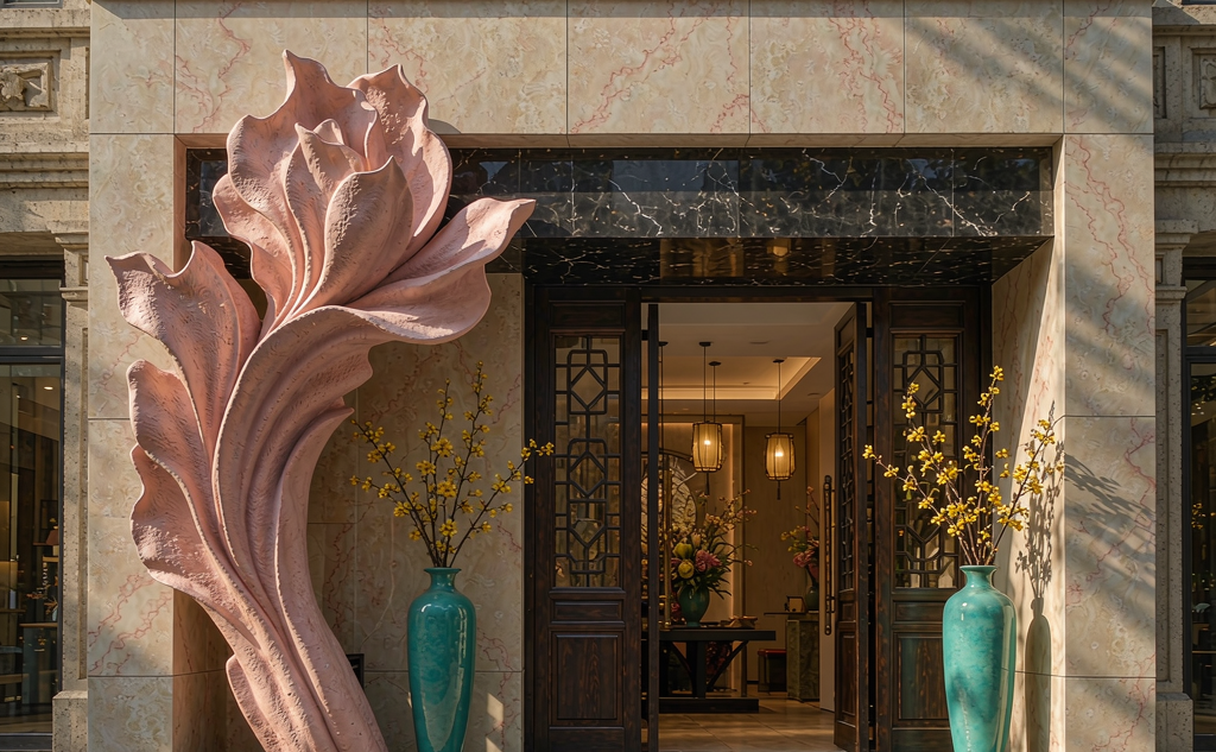
The eating is the reason most people stay. Xintiandi restaurants range from a Din Tai Fung dumpling branch (xiaolongbao around RMB 50 to 80 for a basket set) to Italian, Japanese, and modern Chinese grills. I had a casual brunch of avocado toast and a flat white for RMB 78, and a proper dinner of Shanghainese braised pork (hongshao rou) with rice for RMB 98. Prices run higher than the rest of the city — this is a polished district — but the setting justifies it for one splurge meal.
For the regional context, our Shanghai Yu Garden guide covers the older, busier old-town food streets if you want the cheap version the next day, and the two together show Shanghai’s range. I treated Xintiandi as the “nice dinner” end and Yu Garden as the “snack crawl” end. Reservations help on weekends; I walked in on a Tuesday night with no wait, but Friday and Saturday tables fill by 7 p.m.
Xintiandi shopping and the boutiques
Beyond food, Xintiandi shopping is a tidy loop of international brands, local designer studios, and a basement of beauty and lifestyle shops. I browsed a Shanghai-label silk scarf for RMB 220 and a calligraphy-themed notebook for RMB 45, both easy souvenirs that are not the usual airport fare. The boutiques cluster in the south block and the linked shopping gallery, and the window-shopping alone is a pleasant half hour.
If you want the bigger retail picture, our Shanghai French Concession guide maps the tree-lined boutique streets just west of here, and the two areas make a natural afternoon together. I did the Concession’s quiet lanes first, then ended at Xintiandi’s brighter storefronts, which is the order I would repeat.
Nightlife and where it fits in your evening
Xintiandi turns into a low-key nightlife spot after dark, with wine bars and lounges that spill onto the lanes. I had a glass of house red for RMB 60 and watched the lanterns come on, which was calmer than the mega-clubs elsewhere. For the broader scene, our China nightlife and bar guide ranks the city’s drinking districts, and Xintiandi sits at the refined end rather than the raucous one. Our Shanghai Bund night-view guide is the natural pre-game across the river if you want lights before lanes.
A practical Xintiandi itinerary
Here is the half-day plan I used. Late afternoon: metro to Xintiandi, walk the north lanes and the museum (RMB 20). Early evening: browse the south-block boutiques. Dinner: one sit-down restaurant, then a lane-side drink. If you have more time, add the French Concession lanes beforehand and the Bund lights afterward for a full Shanghai evening. The district is small enough that two to three hours covers it well without rush.
My spend was about RMB 250 to 400 for the visit including a meal and a drink, not counting the RMB 3 metro. It is not a budget stop, but as a single walkable hit of old-meets-new Shanghai, it is efficient and photogenic, and easy to bolt onto any first-day route.
Xintiandi is not the “real” old Shanghai, and it does not claim to be — it is the heritage form rebuilt for the present city, which is exactly why it works as an introduction. If you want one place that shows the lane bones and the modern mood in a single safe, walkable, English-friendly stroll, Xintiandi earns its spot on a first Shanghai trip, and the stone gateways will make more sense once you have seen them up close.