

Bozhou is not on most foreign itineraries, and that is precisely the point. Deep in northern Anhui, far from the alpine drama of Huangshan, this is a city built on roots, bark, and centuries of pharmacology. Known across China as the birthplace of traditional Chinese medicine commerce, Bozhou hosts one of the largest herbal medicine markets on earth, where thousands of varieties of dried plants, fungi, and minerals change hands every day. A Bozhou travel guide is really an invitation into the sensory, slightly mysterious world of Chinese wellness — equal parts bazaar, pharmacy, and living museum.
How to Get to Bozhou
Bozhou sits on the high-speed rail line linking Anhui to Henan and beyond. The nearest major hub is Hefei, the provincial capital, reachable in roughly two hours by train; our Hefei travel guide is the natural starting point for an Anhui trip. From Hefei you can also branch south toward the mountains using the Huangshan Yellow Mountain guide. If you are new to the country’s rail system, our China high-speed train guide for foreigners covers tickets, IDs, and seat choices. First-time visitors to the region should also skim our China travel guide for first-timers before departure.
Bozhou’s station sits a short taxi ride from the old town and the medicine market. Local transport is cheap and simple: ride-hailing apps and buses cover the core sights, and the central herb district is walkable once you arrive.
Getting Around Bozhou
Bozhou’s center is flat and walkable, with the herb market, old lanes, and most hotels within an easy stroll. For the Cao Cao tombs and the outlying temples, a taxi or ride-hailing car is the practical choice, since bus routes are sparse and seldom signed in English. DiDi covers the city well and costs little for short hops. If you want to visit nearby counties with their own medicine markets, regional trains and buses run regularly but on rural schedules, so start early and keep your plans flexible.
Things to Do in Bozhou
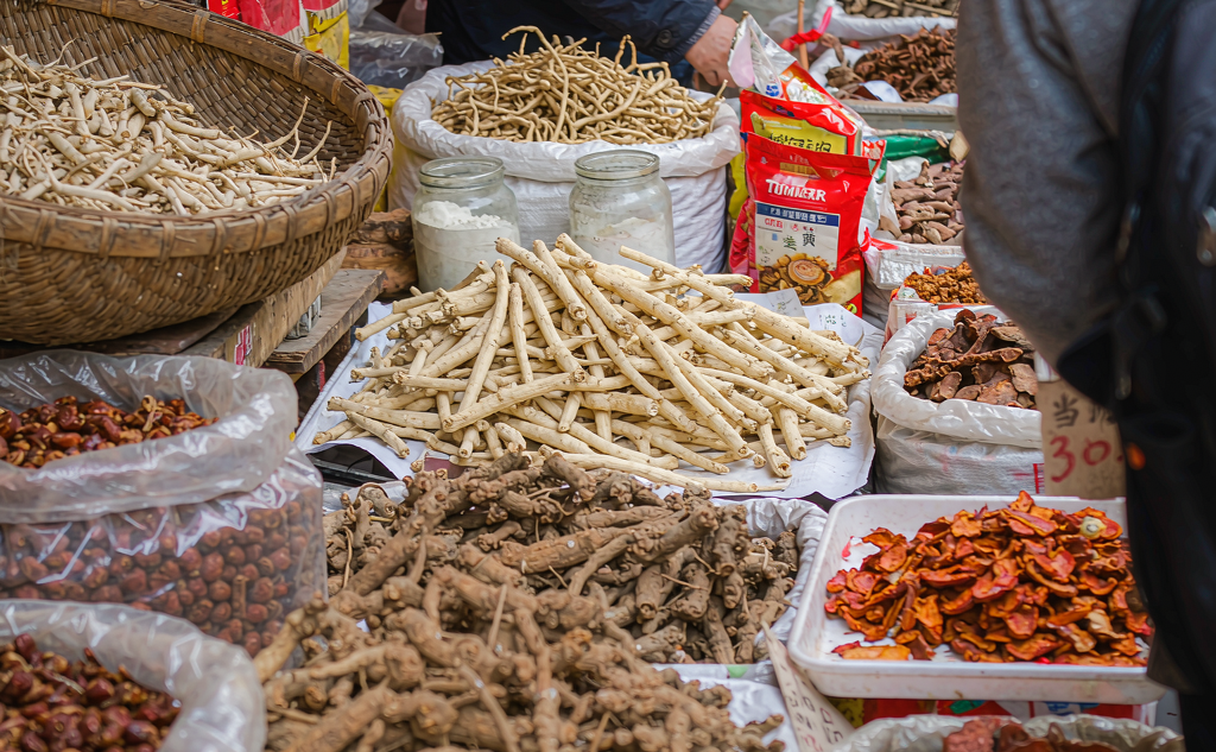
The Bozhou herb market. This is the city’s beating heart. Rows of wholesalers display ginseng, goji berries, dried peony root, star anise, and countless substances you will not be able to name. The bustle, the aromas, and the sheer scale are unforgettable. Even if you never buy a thing, walking the aisles is a crash course in how Chinese medicine thinks about the body and the natural world. The practice itself is explained in depth on the Traditional Chinese medicine Wikipedia page.
Bozhou Chinese medicine culture. Beyond shopping, the city celebrates its heritage with museums and demonstration halls where practitioners explain diagnostics, from pulse reading to the balancing of “hot” and “cold” foods. Some offer short guided experiences in which you can watch herbs being weighed, ground, and formulated into prescriptions.
Cao Cao’s clan tombs. Bozhou was the homeland of Cao Cao, the warlord who looms large in the Romance of the Three Kingdoms. A cluster of Han-dynasty tombs and a modest museum tell that story, adding a layer of imperial history to the herbal theme.
Huazu Temple. Dedicated to Hua Tuo, a revered ancient physician credited with early anesthesia and acupuncture advances, this quiet temple is a pilgrimage spot for those in the medical trades and a calm green pause for visitors.
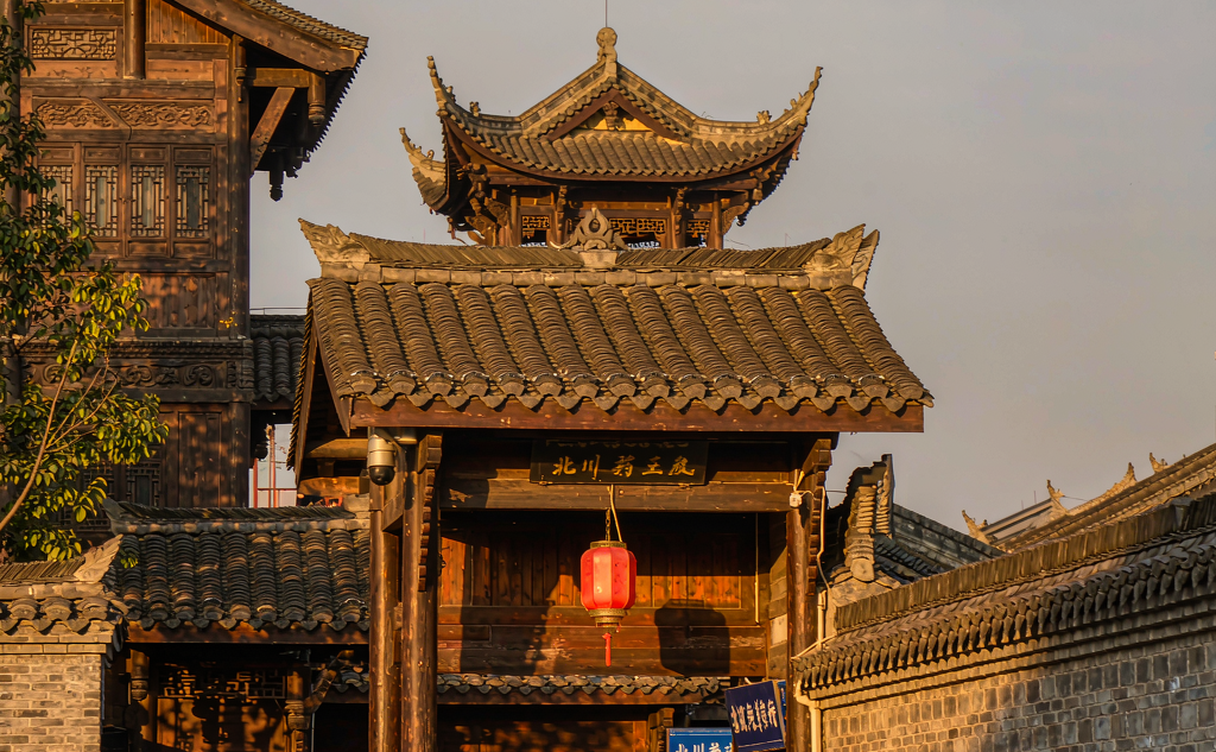
Old town lanes. The surrounding streets reward slow wandering, with carved gateways, noodle shops, and the ordinary rhythm of a northern Anhui city that hasn’t been polished for tourists.
Bozhou Herb Market: A Practical Visit
The market runs year-round but is liveliest in the morning, when wholesalers and clinic buyers negotiate in a friendly roar. Go early, wear comfortable shoes, and keep an open mind about smells. Photography is usually fine in the open halls but ask before snapping a vendor’s face. If you want to bring herbs home, choose sealed, labeled packets from established stalls, and check your home country’s rules on importing botanicals before you fly.
For travelers who enjoy the ritual of tea alongside medicine, our China tea tour guide pairs naturally with a Bozhou stop — both are about slowing down and paying attention to what you consume.
Best Time to Visit Bozhou
The best time to visit Bozhou is spring and autumn, when northern Anhui is mild and the markets are comfortable to walk. Summers are hot and humid; winters are cold and grey but good for indoor museum time. The city’s herbal trade fairs and cultural festivals tend to fall in the warmer half of the year, so check local calendars if you want the fullest experience. For a broader sense of seasonal planning across the country, our best things to do in China roundup is a useful companion.
A Suggested One-Day Bozhou Itinerary
Arrive on a morning high-speed train and go straight to the herb market before nine, when the wholesale halls are loudest and the stalls are fully stocked. Allow two hours to wander the aisles, then walk or taxi a few blocks to Huazu Temple for a calm half hour of cypresses and stone courtyards. Lunch on a bowl of hand-pulled noodles or a winter lamb soup at a nearby shop, then spend the early afternoon at the Cao Cao clan tombs and their modest museum, which needs about ninety minutes at a relaxed pace. As the light softens, drift back through the old lanes for photos of the carved gateways and finish with a cup of herbal tea offered by a vendor. Two nights let you revisit the market at a quieter hour and add a medicine-culture demonstration hall, where a practitioner may weigh and bundle a prescription in front of you.
Shopping and Souvenirs
The medicine market is also the best place to buy gifts with a story. Sealed packets of goji berries, dried peony root, chrysanthemum flower, and licorice root travel well and survive the flight home in a suitcase. Avoid loose, unlabeled bulk if you are unsure about your home country’s rules on importing botanicals, and keep receipts in case customs asks questions. Carved wooden medicine spoons, small mortars, and illustrated herb charts make lighter souvenirs that still speak to Bozhou’s identity as a city of remedies.
Where to Stay and How Long
Bozhou is a one- to two-night stop. Hotels are practical and affordable, concentrated near the station and the medicine district. Two days lets you explore the market thoroughly, see the tombs and temple, and sample the local noodle and lamb dishes without hurry.
Food and Local Flavor
Bozhou eats like the northern plain: wheat-based staples, hand-pulled noodles, stuffed buns, and hearty lamb soups in winter. The medicine market spills into the kitchen — many locals brew herbal teas and tonic broths at home, and you may be offered a cup said to “clear heat” or “boost energy.” It is a gentle, welcoming introduction to a food-as-medicine philosophy that runs deep here.
Practical Tips for Visitors
Bozhou is welcoming but firmly off the international trail, so a little preparation pays off. English signage is sparse, so keep a translation app handy and save your hotel’s address in Chinese characters for taxi drivers. The herb market is a working wholesale hub, not a curated attraction, so mornings are liveliest and polite curiosity goes furthest. If you plan to buy herbs, choose sealed packets from established stalls and confirm what you are purchasing before handing over cash.
Mobile payment dominates, and some smaller clinics and snack shops do not accept foreign cards, so carry some yuan. The city is flat and walkable in the center, but distances to the tombs and outlying temples are best covered by taxi or ride-hailing. Summer heat is intense, so schedule outdoor stops for early morning or late afternoon and drink plenty of water.
Why Bozhou Deserves a Stop
Bozhou offers something rare: a Chinese city that explains itself through smell, taste, and tradition rather than through monuments alone. You will leave understanding a little more about how hundreds of millions of people think about health, and you will have wandered a market unlike any other on the tourist trail.