

This Huanggang travel guide is for travelers who have already ticked off Wuhan and want a slower, more local slice of Hubei. Huanggang sits on the north bank of the Yangtze River in eastern Hubei, a sprawling prefecture where the Dabie Mountains drop toward the water and where one of China’s most beloved opera traditions was born. Most visitors pass through on the way to the Three Gorges, but spend two or three days here and you get misty peaks, a riverside old town with real literary history, and some of the best freshwater food in the province.
Where Huanggang Actually Is
Huanggang is not a single walkable city center so much as a collection of counties under one name. The main urban district is Huangzhou, on the Yangtze, about 70 kilometers east of Wuhan. To the north, Luotian and Yingshan counties hold the green spine of the Dabie range; to the southeast, Huangmei county borders Jiangxi and Anhui and is the cradle of Huangmei opera. Knowing this geography matters because it changes how you plan transport and where you sleep.
How to Get to Huanggang
The easiest entry point is Wuhan. High-speed trains from Wuhan Station to Huanggang East (Huanggangdong) take roughly 35 to 50 minutes, and there are also frequent services to Huangzhou. If you are coming from farther afield, fly into Wuhan Tianhe International Airport, then take the intercity railway or a long-distance bus. Once in Huangzhou, county destinations like Tiantangzhai in Luotian are reached by bus from the Huangzhou coach station, a ride of around two hours into the hills. Pairing this region with a wider Hubei loop is easy if you also look at a Wuhan travel guide for the big-city bookends of your trip.
Driving is another option. The Hurong (Shanghai–Chengdu) expressway and the Daguang (Daqing–Guangzhou) expressway both cross the prefecture, so a private car lets you hop between Huangzhou, Huangmei, and the mountain counties without waiting on rural buses.
Best Time to Visit Huanggang
The best time to visit Huanggang is spring (April to May) and autumn (September to early November). Spring brings green terraces and comfortable hiking in the Dabie foothills; autumn paints Tiantangzhai in red and gold and is the clear favorite for photographers. Summers are hot and humid, though the mountains stay a few degrees cooler than the river plain. Winter is chilly and damp, but it is also the low season for crowds and hotel prices.
Avoid the weeks around the May Day and National Day holidays if you can. Huanggang is not as swamped as the headline cities, but domestic tourist buses still fill the mountain scenic areas on those dates.
Things to Do in Huanggang
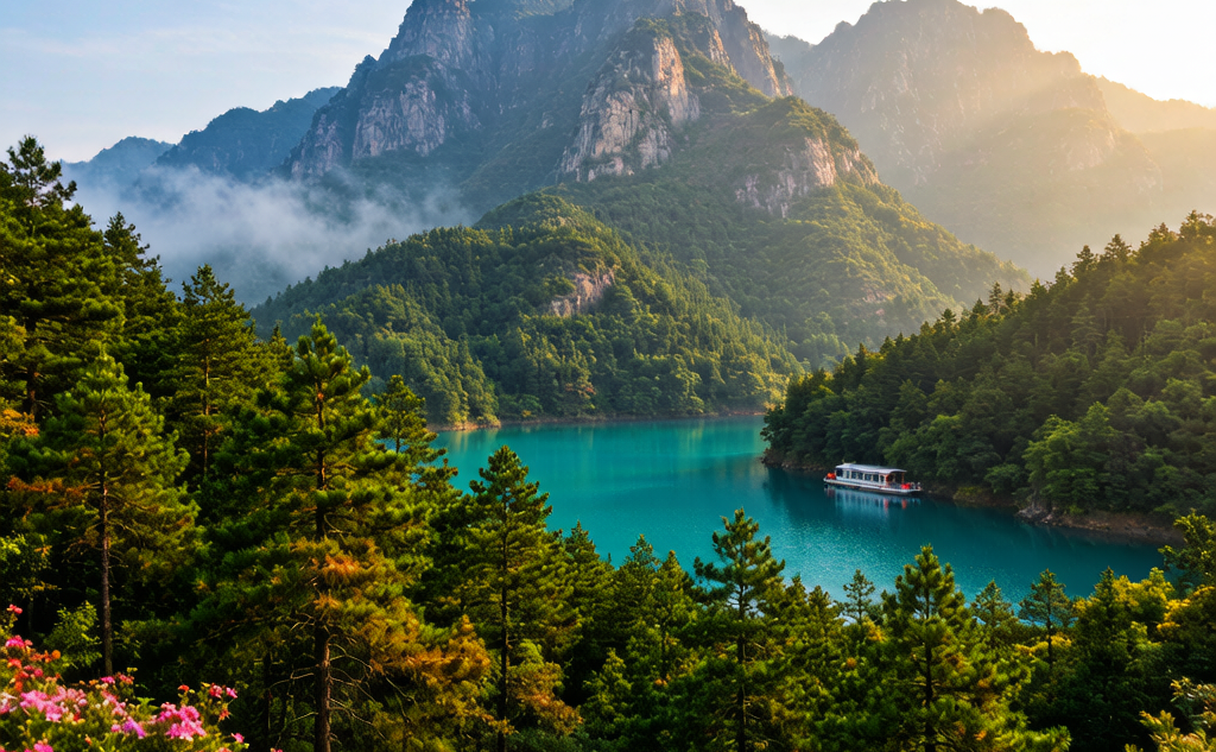
Tiantangzhai (Paradise Village) is the headline natural attraction. This peak on the Hubei–Anhui border tops out around 1,729 meters and is laced with waterfalls, virgin forest, and a cable car that saves your knees on the way up. The standout is the “Tiantang Caise” (Paradise Waterfall) and the boardwalk along the Jiu Yin (Nine Silver) streams. Go early; the summit clouds burn off by mid-morning and the views across the rolling green ridges are worth it.
Dongpo Chibi (Red Cliff) sits right in Huangzhou and is the literary heart of the city. This is the riverside cliff where the Song-dynasty poet Su Shi (Su Dongpo), exiled here, wrote his famous odes to the Red Cliff. The site is small, shaded by bamboo and old pines, with steles and a quiet pavilion facing the brown Yangtze. It is more a place to linger than a place to tick off, and it pairs well with the nearby Yiai Lake park.
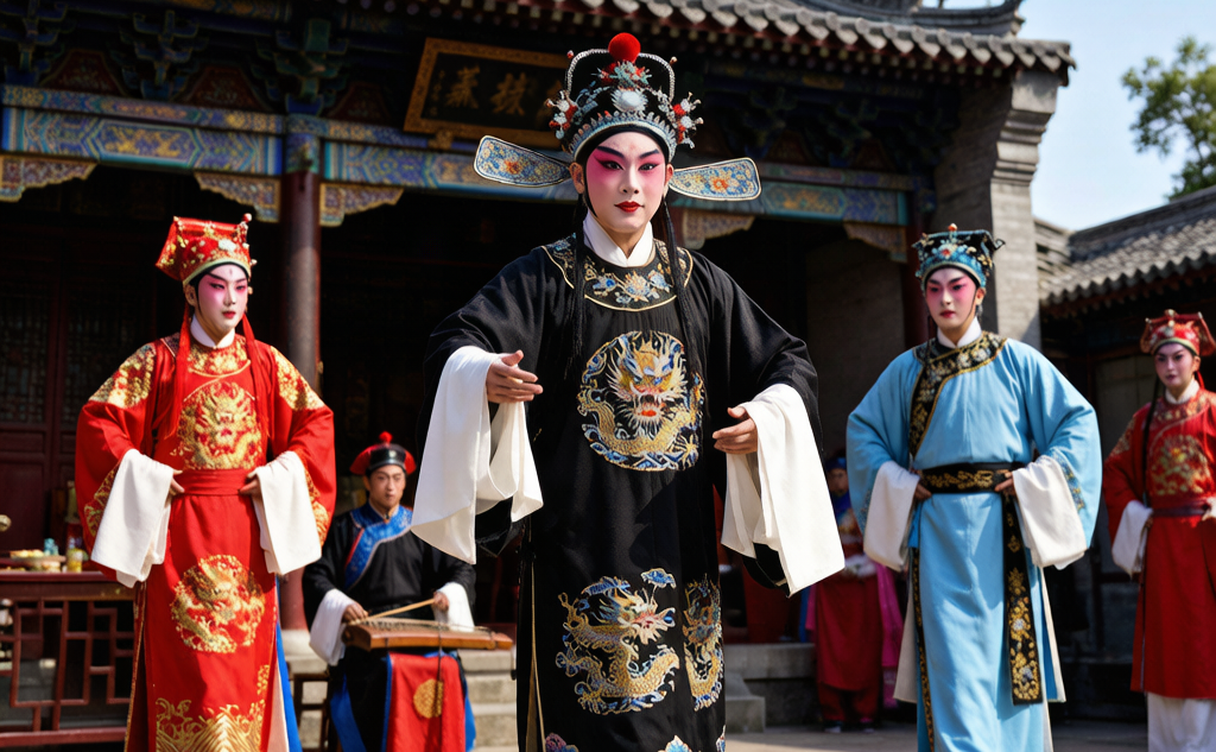
Huangmei Opera origins. Huangmei county is where the opera form began before it migrated east to Anhui and became a national staple. In Huangmei you can catch amateur performances in temple fairs and teahouses, especially around the fourth lunar month. Even if you do not catch a show, the county’s quiet countryside and the Fourth Ancestor Temple (Sizu Temple) on Shuangfeng Mountain make a pleasant half-day.
Qichun and Li Shizhen. Qichun county is the hometown of Li Shizhen, the Ming-dynasty physician who compiled the monumental Compendium of Materia Medica. The Li Shizhen Memorial Hall and the nearby medicinal herb market are genuinely interesting, and the surrounding hills are dotted with hot springs — a good winter reward after hiking.
A Practical Huanggang Itinerary
A relaxed Huanggang itinerary runs like this:
- Day 1: Arrive Huangzhou from Wuhan, walk Dongpo Chibi and Yiai Lake, eat river fish for dinner.
- Day 2: Bus to Luotian, overnight near Tiantangzhai, sunset from the lower falls.
- Day 3: Sunrise cable-car climb at Tiantangzhai, then down to Huangmei for an evening opera performance or temple visit.
- Optional Day 4: Qichun hot springs and the Li Shizhen museum before returning to Wuhan.
If your schedule is tight, drop Qichun and spend the extra half-day in Huangzhou’s riverside lanes. The city is walkable once you are there.
Food You Should Not Skip
Huanggang eats like the river country it is. Try Xiao Chi (river shrimp) flash-fried with green pepper, the braised Daye tilapia, and Huangzhou dumplings (Dongpo dumplings) said to date back to Su Shi’s kitchen. In the mountains, wild mushroom hot pots appear in autumn. For something sweet, Huangmei’s glutinous rice cakes are sold at every county market. Meals are cheap — a solid riverside dinner for two rarely tops 120 yuan outside holiday peaks.
Pairing Huanggang With Neighboring Hubs
Huanggang works as a calm counterpoint to busier Hubei stops. If you are heading west, the Yichang travel guide covers the gateway to the Three Gorges cruises, about three hours away by train. History lovers can branch south to Jingzhou’s ancient city wall and the Chu culture relics, or north to Xiangyang for one of the best-preserved Han-era walled cities in China. And if your trip ends in the metropolis, our Shanghai first-time travel guide helps you close the loop with ease.
Huanggang Travel Tips
A few Huanggang travel tips that save money and hassle: county buses run on rural schedules, so confirm the last return bus before you head into the mountains; book Tiantangzhai accommodation ahead in October, when the autumn-color crowds arrive; carry cash for small teahouse performances and village markets, as card readers are spotty outside Huangzhou; and learn a handful of Mandarin food words, because English signage is minimal away from the scenic areas.
For background on the opera tradition that defines the region, the overview at Wikipedia’s Huangmei opera page is a solid, free primer before you go.
Getting Around and Staying
Within Huangzhou, buses and cheap taxis cover the basics, but for the county sights you will want either a driver or the intercounty bus network. Hotels range from anonymous business towers in Huangzhou to family guesthouses at the foot of Tiantangzhai; book the mountain stays through a Chinese platform or your hotel in Wuhan, since international sites list few of them.
Huanggang will not wow you with skyline glamour, and that is precisely the point. It is a place to slow down, listen for an opera tune drifting from a riverside teahouse, and watch the Yangtze slide past the same cliffs that inspired a poet 900 years ago.
A note on everyday logistics: mobile payment through WeChat Pay or Alipay covers almost every bus fare, teahouse ticket, and guesthouse in the prefecture, so setting those up before you leave home saves constant fumbling for cash. For maps and bus times, the Chinese apps Amap (Gaode) and Baidu Maps are far more accurate than international alternatives in the county towns, and a translation app with camera mode helps when only Chinese signage is posted.