

Suqian is a green, low-rise city in northern Jiangsu built where the Grand Canal meets the broad waters of Luoma Lake. This Suqian travel guide is for foreign visitors who want open space, lakeside cycling, and a deep thread of Chinese history without big-city pressure. It was the homeland of Xiang Yu, the tragic warrior-king who lost the empire to Liu Bang, and today it pairs that heritage with forest parks and a relaxed lakeshore lifestyle. Reachable by high-speed train from Xuzhou, Nanjing, or Huai’an, it is an easy and refreshing stop.
How to Get to Suqian
Suqian has no airport, so most travelers arrive by train. Suqian Station lies on a regional line with connections from Xuzhou (about forty minutes), Huai’an (around an hour), and Nanjing (roughly two hours). Our China high-speed train guide for foreigners covers ticket booking and station navigation. The nearest international airports are Xuzhou and Nanjing, both with onward rail links. From Shanghai, the trip means a transfer in Nanjing or Xuzhou, which is still straightforward on the high-speed network.
The city spreads between the old canal town, the new central district, and the Luoma Lake shoreline to the west. Taxis and ride-hailing are cheap; the lakefront and forest parks are best reached by car or bike. Local buses reach the lake but run infrequently, so plan the timing.
Best Time to Visit Suqian
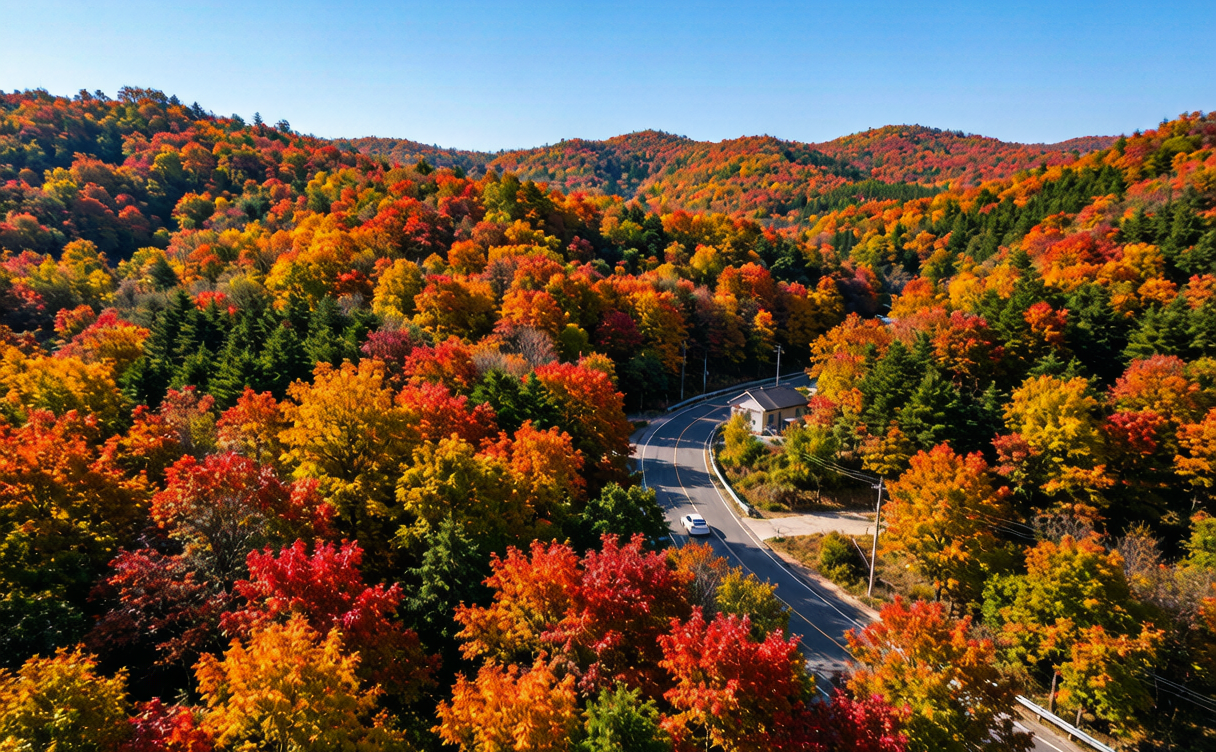
The best time to visit China guide points to spring and autumn, and Suqian follows the pattern. April and May bring mild weather and flowers across the lakeside parks. October is crisp and ideal for cycling and forest walks. Summers are hot and humid; winters are cold but the lake takes on a stark, photogenic calm. The Santaishan forest is especially beautiful when the leaves turn in mid to late autumn, drawing photographers from the region.
Things to Do in Suqian
Luoma Lake
Suqian Luoma Lake is the city’s centerpiece, a wide, clean freshwater lake with a long boardwalk, beaches, and cycling paths. Rent a bike and ride the shoreline, or take a short cruise to feel the scale of the water. The lake is also the source of prized whitebait and lotus root, staples of the local table. Sunrise over the water is worth an early start. On clear days the far shore fades into haze, a classic Jiangsu lakescape.
Santaishan National Forest Park
Just north of the lake, Santaishan National Forest Park is a planted-but-lovely evergreen landscape with rolling hills, a reservoir, and a famous “sea of flowers” in spring. The autumn foliage draws photographers. Wooden walkways keep the walking easy, and the air is noticeably fresher than in the city. A small train shuttles between the main viewpoints if you prefer not to hike.
Xiang Yu’s Hometown
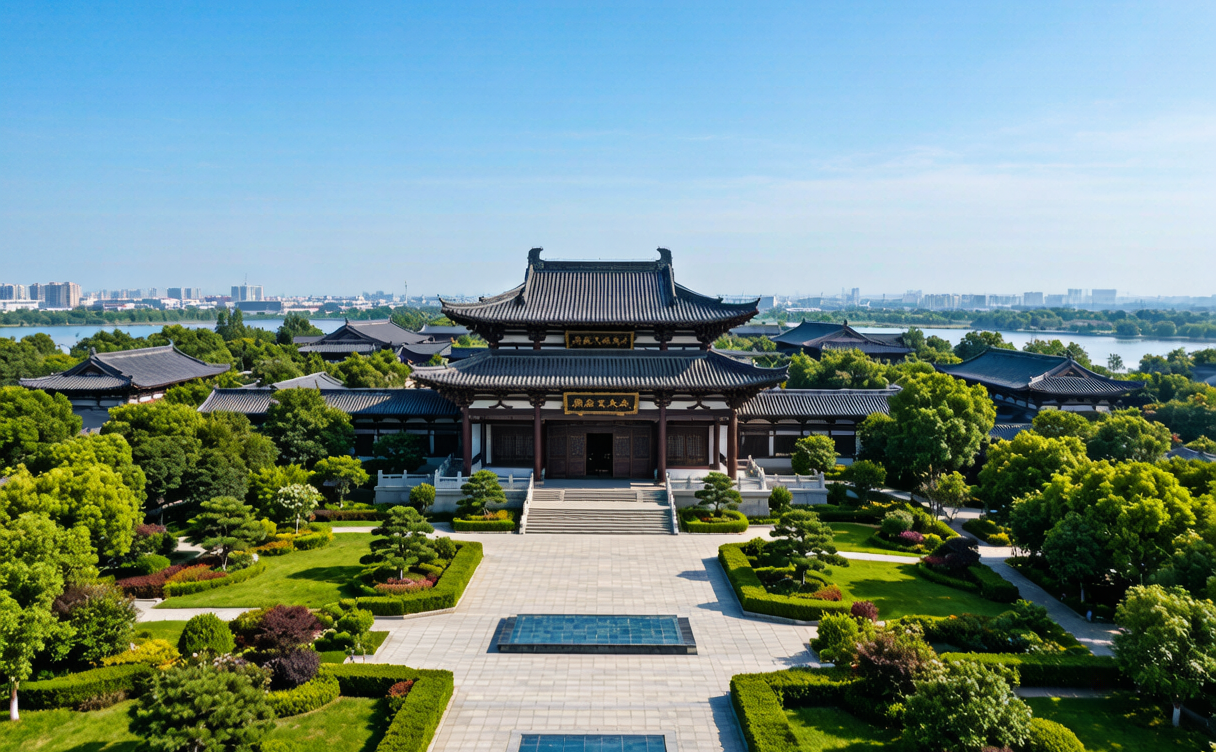
The Xiang Yu hometown memorial sits in Sucheng district, honoring the Chu-era warlord born here around 232 BC. The compound includes reconstructed gates, statue groups, and gardens that stage the drama of his rise and fall. Even without deep knowledge of the history, the setting is pleasant and the story is the stuff of legend. Pair it with a read of the Chu-Han contest for context. The nearby opera performances on festival days bring the legend to life.
The Grand Canal and Old Town
As a canal city, Suqian preserves stretches of the waterway and the wharves that once moved grain to the capital. The old town near the canal is low-key but good for an evening walk, with local snacks and a slower rhythm than the lake resorts. The canal museum explains the city’s role in the imperial grain transport system.
Where to Eat: A Suqian Food Guide
Northern Jiangsu cooking is heartier than the delicate Huaiyang style to the south, with more noodles, breads, and river fish. Suqian specialties include Luoma Lake whitebait, lotus root prepared sweet or savory, and braised pork with local soy. The city is also known for crisp fried snacks sold at night markets. For travelers watching costs, our China travel budget per day guide shows how affordable cities like this can be. Vegetarian travelers will find tofu and vegetable dishes widely available. A lakeside fish feast, shared among friends, is the meal to remember. The night markets also serve grilled skewers, fried cakes, and sweet soybean milk that make for a cheap, cheerful evening. If you visit in summer, ask for the cold noodle salad with sesame, a refreshing counter to the humidity. Locals often finish a meal with a bowl of sweet lotus-root soup, a subtle specialty you will not find easily outside the region.
A Sample Suqian Itinerary
Day 1: Arrive from Xuzhou or Huai’an, check in near the lake, and walk the Luoma Lake boardwalk at sunset.
Day 2: Morning at Santaishan Forest Park, afternoon at the Xiang Yu hometown memorial, evening in the old canal town.
Day 3: Cycle the lakeshore, visit a local market, then train onward.
A single full day covers the lake and the memorial if your schedule is tight.
Where to Stay
Lakefront resorts and hotels near Luoma Lake offer the most pleasant setting, with some featuring hot pools and lake views. The central district has more budget chain hotels and better transport. Book ahead for spring flower season and the October holiday. Prices are gentle compared with Jiangsu’s famous tourist cities. For longer stays, the lake resorts often discount midweek.
Practical Tips
English is limited, so prepare a translation app and Chinese screenshots of your hotel address. Mobile payment dominates, but cash works at markets and ticket offices. The lake wind can be strong in spring and autumn, so bring a layer. For wider context, the Wikipedia entry on Suqian gives useful background on the city’s history and geography.
Money and Getting Around on the Lake
Suqian is friendly to modest budgets. A lakeside bike rental costs only a few yuan an hour, and the forest-park shuttle is included with most entries. If you stay near Luoma Lake, you can keep daily transport under the price of a coffee in a Western city. For the Xiang Yu memorial and the old town, a short taxi ride from the lakefront is cheapest; agree on a metered fare or use the ride-hailing app to avoid surprises. The city’s bike-share docks are common near the water, but they need a local phone number to unlock, so visitors usually rely on taxis or hotel bikes. Mornings are the best time for the boardwalk, before the midday sun and weekend family crowds build.
Pairing With Neighbors
Suqian links naturally with Yangzhou to the south and Huai’an to the southwest, letting you build a northern Jiangsu loop of canals, lakes, and history. Trains make the connections painless. Two or three nights across the three cities gives a rounded picture of the region’s water culture.
Suqian is proof that China’s smaller cities often deliver the most relaxed travel.
Getting the Most From Your Budget
Because costs are low and the scenery is open, Suqian suits longer, slower stays. The lake and forest are free or cheap to enjoy, leaving your budget for good food and a comfortable room. A few dollars a day covers local transport and snacks with ease.
Whether your interest is history, nature, or simply space to breathe, Suqian is a quiet highlight of northern Jiangsu.