

Tangshan sits in northeastern Hebei, an industrial city rebuilt after a devastating 1976 earthquake and now best known to travelers for two things: the magnificent Eastern Qing Tombs and a string of hot-spring resorts. This Tangshan travel guide is for foreign visitors basing themselves in or near Beijing who want imperial history and relaxation without a long haul. The tombs are a UNESCO-grade highlight, the coastal district offers beaches to the east, and the hot springs soothe tired legs. Tangshan is only about an hour from Beijing by high-speed train, which makes it an easy day or overnight trip.
How to Get to Tangshan
Most international travelers reach Tangshan via Beijing. The Beijing first-time travel guide explains arriving in the capital, and from there direct high-speed trains to Tangshan take roughly one hour. Our China high-speed train guide for foreigners covers booking and station navigation. Tangshan also has an airport with limited domestic flights and good road links to Tianjin and Chengde. From Tianjin, the train is even shorter, about forty minutes, which makes a coastal combination easy.
Within the city, taxis and ride-hailing handle most trips. The Eastern Qing Tombs are about 75 kilometers northeast, so plan a dedicated half-day with a private car, driver, or organized transfer. Public buses exist but are slow and confusing for first-timers.
Best Time to Visit Tangshan
The best time to visit Beijing guide applies well to nearby Tangshan: spring (April to May) and autumn (September to October) are clear, dry, and comfortable. The tombs and hot springs are enjoyable year-round, but winter is cold enough that the outdoor sites feel stark. Summer can be hot and humid, with the coast offering some relief. Avoid the October National Day week at the tombs, when domestic crowds peak. The cherry blossom season in the city parks is a quiet bonus in April.
Things to Do in Tangshan
The Eastern Qing Tombs
An Eastern Qing Tombs guide is the main reason many foreigners come. This is the final resting place of several Qing emperors, empresses, and concubines, including the Empress Dowager Cixi, set in a broad valley of pine-covered hills. The sacred way lined with stone guardian animals, the carved spirit towers, and the underground palace of the Dingling tomb are unforgettable. Allow at least half a day, and hire a local guide at the gate to bring the symbolism to life. The scale and craftsmanship rival anything near Beijing. The Xiaoling tomb of the Shunzhi Emperor opens the valley, and walking the approach road is half the experience.
Tangshan Nanhu Park
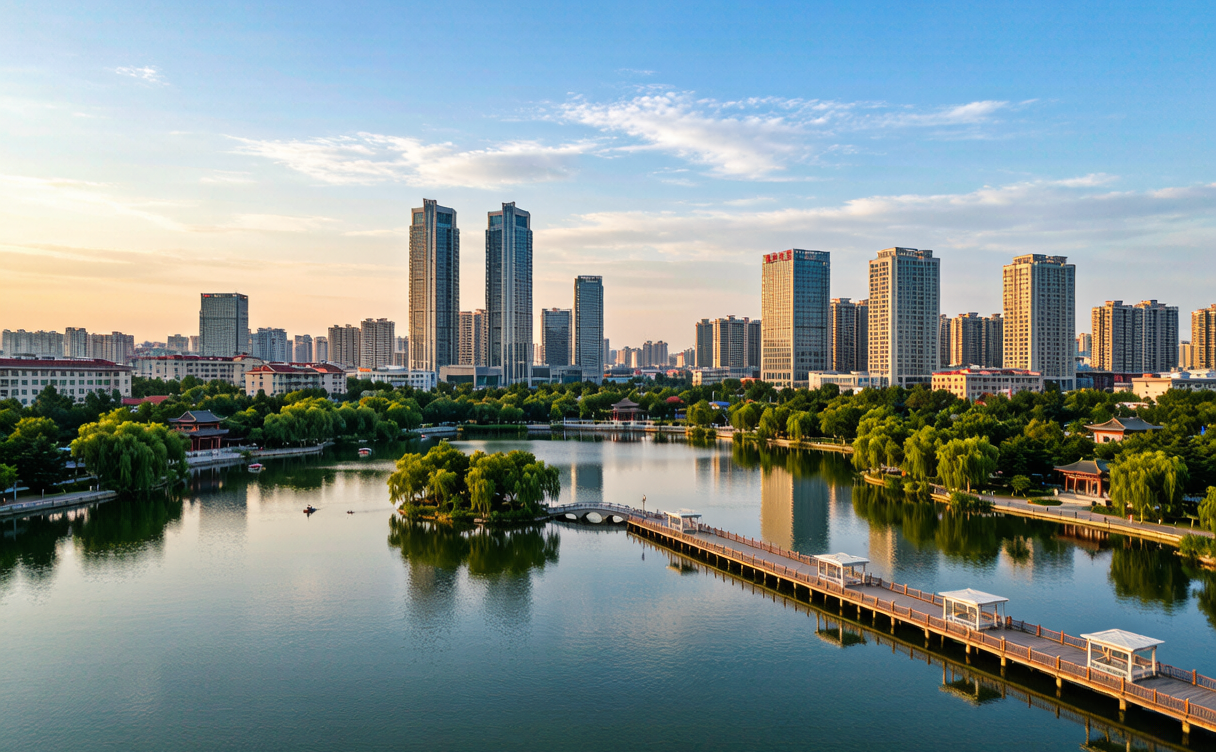
The city center was transformed around the 2016 horticultural expo, and Nanhu Park is the result: a large lake, gardens, and a modern waterfront where locals jog, boat, and relax. It is a pleasant counterpoint to the industrial reputation and good for an evening stroll. The expo’s leftover pavilions now host exhibitions, and the lakeside lighting at night is surprisingly pretty.
Hot Springs
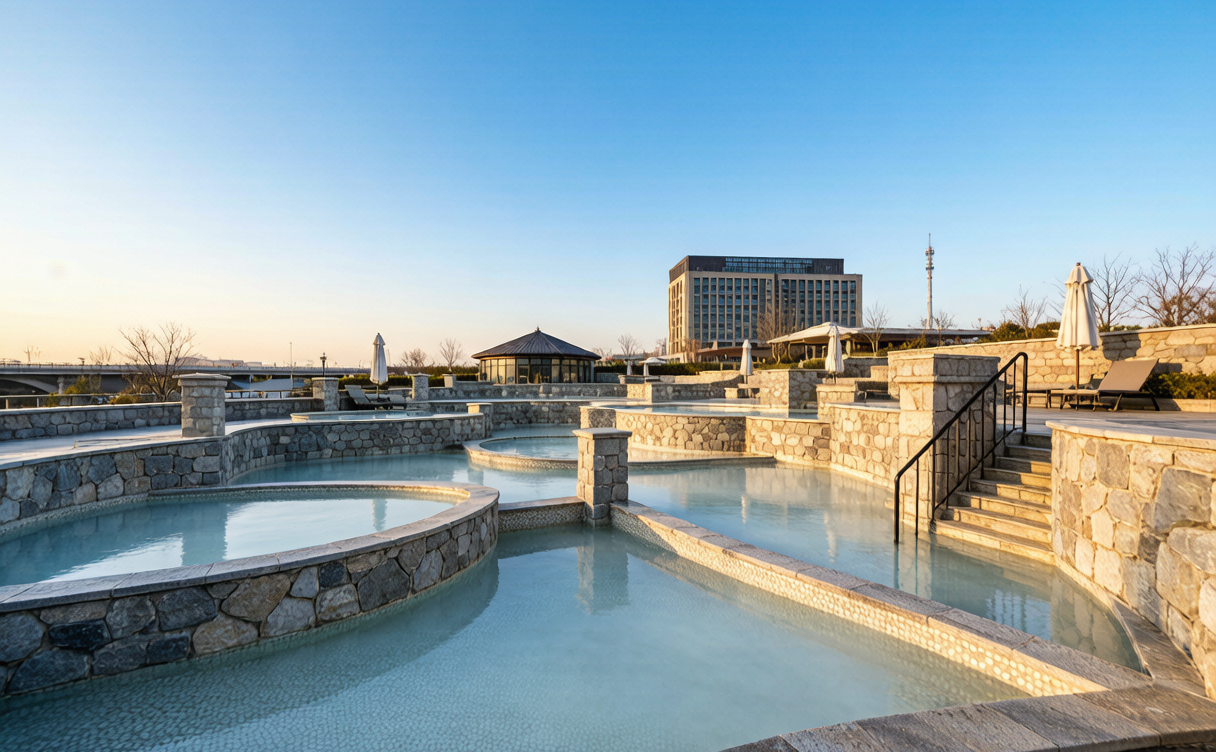
Tangshan hot springs are a regional draw, fed by geothermal sources on the city’s edge. Resorts range from large spa hotels with outdoor pools to quieter countryside bathhouses. After a day at the tombs, a soak is the perfect reward. For a wider picture, our China hot springs resorts guide lists other notable soak spots across the country. Many resorts offer private rooms if you prefer not to share the public pools.
The Coast at Putuo and Laolongtou
East of the city, the Bohai coastline offers beaches and seafood towns. While less famous than Beidaihe, the shore is pleasant in summer and far less crowded. Fresh seafood dinners by the water are a local highlight. The tidal flats also attract birdwatchers in the cooler months.
Where to Stay
Because Tangshan is so close to Beijing, many visitors stay in the capital and day-trip. But an overnight lets you reach the tombs early and enjoy the hot springs. The city center has international-standard hotels near the rail station, while hot-spring resorts sit on the outskirts. If you prefer to base in the capital, our where to stay in Beijing guide helps you pick the right district for easy train access. The station-area hotels are ideal for an early-morning departure to the tombs.
Where to Eat
Tangshan food leans into the hearty northern-Hebei style, with a seafood accent from the Bohai coast. Local specialties include chengde-style roasted chestnuts sold in the winter, handmade noodles, and freshly caught shrimp and crab from the eastern shore during the warm months. The city center near the station has the widest choice, from fast noodle joints to smarter restaurants serving banquet-style Hebei dishes. After a hot-spring soak, a simple meal of dumplings and a cold beer is exactly the local rhythm. Vegetarian travelers will find tofu and vegetable plates without difficulty, though meat dominates most menus.
A Sample Tangshan Itinerary
Day 1: Morning train from Beijing, check in, then Nanhu Park and a hot-spring soak in the evening.
Day 2: Full morning at the Eastern Qing Tombs with a guide, lunch in the nearby town, then return to Beijing or an extra night.
Add a third day for the coast and seafood if the season is right.
Practical Tips
English is limited outside top hotels, so bring a translation app and Chinese screenshots of addresses. Mobile payment is standard; carry some cash for tomb-site vendors. The tombs are exposed, so wear a hat in summer and warm layers in spring or autumn. For background on the dynasty and the site, the Wikipedia entry on the Eastern Qing Tombs is a solid reference. Photography inside the underground palaces is often restricted, so ask before shooting.
Money, Connectivity and Day-Trip Logistics
Tangshan is inexpensive by international standards, and a day-trip from Beijing is easy on the wallet. A round-train ticket costs a fraction of what a similar excursion would in Europe or Japan, and a tomb entry pass plus a hired driver for the valley still lands well under a typical big-city attraction day. Mobile payment through Alipay or WeChat covers trains, taxis, and most restaurants, and both apps now support some foreign card binding, though having a little cash avoids awkward moments at rural ticket windows. Free public Wi-Fi is sparse, so consider a Chinese SIM or an eSIM for maps and translation on the tomb circuit. If you are basing in Beijing, leave bulky luggage at your hotel and travel light; the tombs have limited storage and the walk from the parking area to the inner gates is longer than it looks.
Why Visit From Beijing
Tangshan proves that a short train ride from the capital opens a very different China, one of imperial valleys and geothermal calm. It is an efficient way to add depth to a Beijing-focused trip. Many travelers pair it with Chengde to the north for a fuller Hebei heritage loop.
The combination of history and relaxation is hard to beat for a one- or two-night escape.
Making the Most of the Tombs
Go early, hire a guide, and give yourself time to simply walk the sacred way. The quiet of the pine valley is part of the experience. Reading a little Qing history beforehand turns carved stone into a vivid story.
Whether you come for Cixi’s underground palace or a long soak, Tangshan delivers a memorable slice of Hebei.