

There is a particular kind of exhaustion that belongs only to the eleven-hour connection: too long to sit upright in a departure lounge, too short to justify a taxi into a city you have never seen. China airport transit hotels exist precisely for this gap, and they are far better developed here than most arriving travellers expect. Every major hub on the mainland now offers some combination of pod cabins, hourly rest rooms and full four-star hotels attached to the terminal by a covered walkway. The trick is knowing which side of immigration you will be sleeping on, and booking accordingly.
Airside or Landside: The One Question That Decides Everything
Before comparing prices, work out whether you can legally leave the secure zone. This single distinction shapes your entire layover.
Airside means you never pass through immigration. You stay inside the international transit corridor, your checked bags continue to your final destination, and you sleep in a rest cabin, capsule or lounge inside the terminal. No visa of any kind is needed. The trade-off is limited choice, small rooms and, at some airports, no shower.
Landside means clearing immigration into China, collecting your bags if they were not through-checked, and walking or shuttling to a hotel outside the terminal. You get a proper room, a proper bed and real restaurants. But you need permission to enter, which for most nationalities means the visa-free transit scheme. The current policy allows eligible passengers from a long list of countries to stay up to ten days when transiting to a third country through designated ports, and the official conditions are published by the National Immigration Administration. Read our explainer on the 240-hour visa-free transit rules and the broader China visa-free transit guide before you assume you qualify.
My rule of thumb: under six hours, stay airside and find a recliner. Six to twelve hours, airside pod or terminal hotel. Over twelve hours, clear immigration if you are eligible and sleep properly.
Beijing: Capital and Daxing
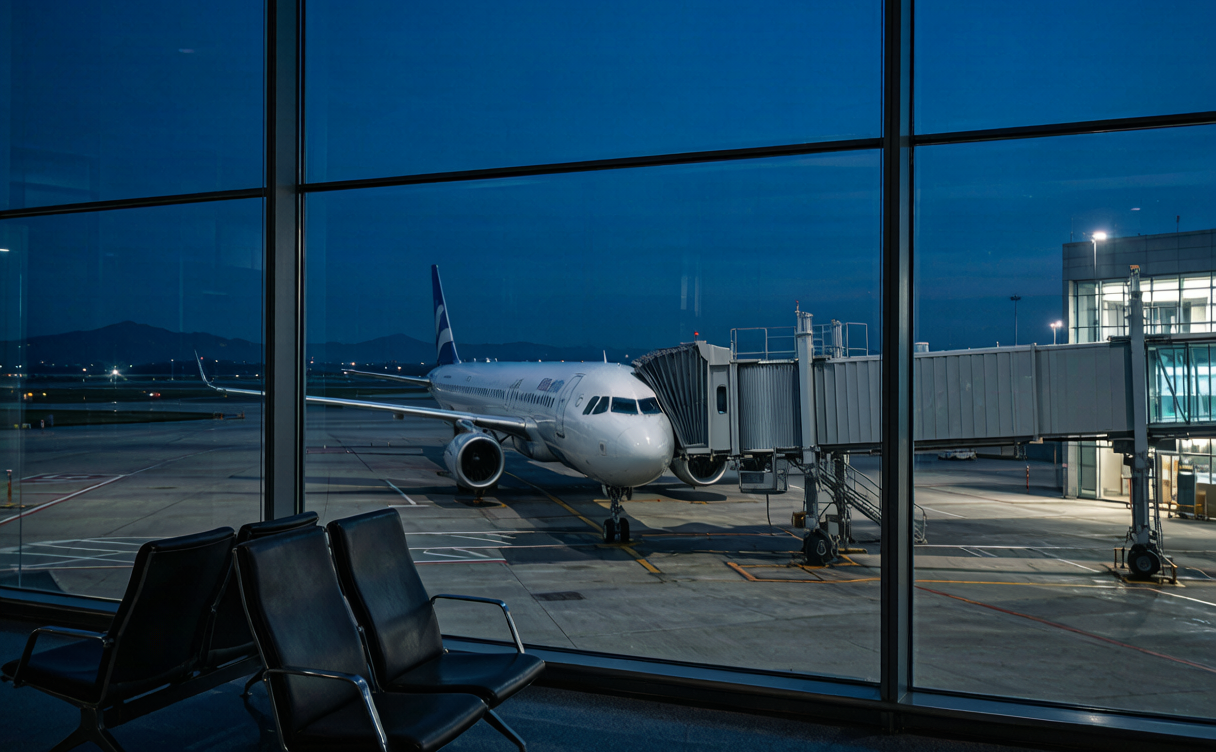
Beijing Capital (PEK) has the older and better-known airside option. Terminal 3’s international transit area contains a rest zone with reclining chairs and a small number of enclosed cabins, plus paid shower facilities. It is functional rather than pleasant, and it fills up fast when Europe-bound evening banks are delayed. Landside, the CITIC Hotel and the Langham Place at Terminal 3 are the two reliable choices, the latter connected directly to the terminal by an air bridge — genuinely useful in January when the wind comes off the north plain.
Beijing Daxing (PKX) is newer, larger and less crowded, with the airport hotel sitting on the ground transportation centre directly beneath the starfish-shaped terminal. Because Daxing was designed after the pod-hotel boom, its rest cabins are cleaner and better soundproofed than anything at Capital. If your itinerary lets you choose, Daxing is the more comfortable place to be stranded. Our guide to China’s newer airports covers the layout differences in detail.
One warning: Capital and Daxing are roughly two hours apart by road. If your ticket routes you into one and out of the other, you cannot treat it as a normal layover. Budget four hours minimum, and remember that a self-transfer between the two requires you to clear immigration regardless of how tired you are.
Shanghai: Pudong and Hongqiao
Shanghai Pudong (PVG) is the strongest performer for airside sleeping. The transit area in the satellite concourse has capsule-style rest cabins rented by the hour, along with shower rooms that are cleaned between users. Rooms are small — a bed, a shelf, a light, a power socket — but they are dark, quiet and warm, which is the entire point at three in the morning. Landside, the Dazhong Airport Hotel and several mid-range chains sit within a ten-minute shuttle ride, and the Maglev can put you in the city centre in eight minutes if you have cleared immigration and want a real evening out. Our Shanghai accommodation guide covers neighbourhoods worth the trip.
Hongqiao (SHA) is mostly domestic, but it is fused with a high-speed rail station, which changes the calculation entirely. If you have a long wait at Hongqiao, the smarter move is often not to sleep at all but to take a train onward — see our comparison of trains versus domestic flights.
Guangzhou, Shenzhen, Chengdu and the Southern Hubs
Guangzhou Baiyun (CAN) is the busiest transit point for Africa, Southeast Asia and Australia routing, and its airside rest facilities reflect that: a large pay-per-hour rest lounge in the international zone with cabins, showers and a noodle counter that stays open all night. Landside there is a Pullman physically attached to Terminal 1.
Shenzhen Bao’an (SZX) has an airport hotel in Terminal 3 and a well-organised capsule operator. Chengdu Tianfu (TFU) and Chongqing Jiangbei (CKG) both have new terminal hotels built into the ground transport levels. Kunming Changshui (KMG), a common stop for Southeast Asia connections, has an airside rest area that is adequate but noisy.
Hong Kong, China deserves a separate note. Hong Kong International has a genuinely excellent airside transit hotel with proper rooms, sold in six-hour blocks, plus the Regal directly across the footbridge landside. Macau, China has a smaller airport with no on-site hotel, but the Taipa hotels are a five-minute taxi away and often cheaper than an airport room elsewhere.
What You Actually Get for the Money
| Type | Typical price | Where | Best for |
|—|—|—|—|
| Recliner in rest zone | Free–¥60 (US$0–8) | Airside, most hubs | Waits under 5 hours |
| Capsule / pod cabin | ¥80–150 per hour block (US$11–21) | Airside, PVG, CAN, SZX | 5–9 hour waits |
| Airside transit hotel room | ¥600–1,200 (US$85–170) | Hong Kong, China; PVG | Overnight without a visa |
| Terminal-attached hotel | ¥450–900 (US$63–125) | PEK, PKX, CAN, TFU | 12+ hours, landside |
| City hotel + transfer | ¥250–600 (US$35–85) | Anywhere with metro access | 16+ hours, sightseeing |
Prices climb sharply during Spring Festival and the October holiday, and airside capsules at Pudong have been known to sell out entirely on nights when Beijing is fogged in and traffic reroutes south.
How to Book Without Getting Burned
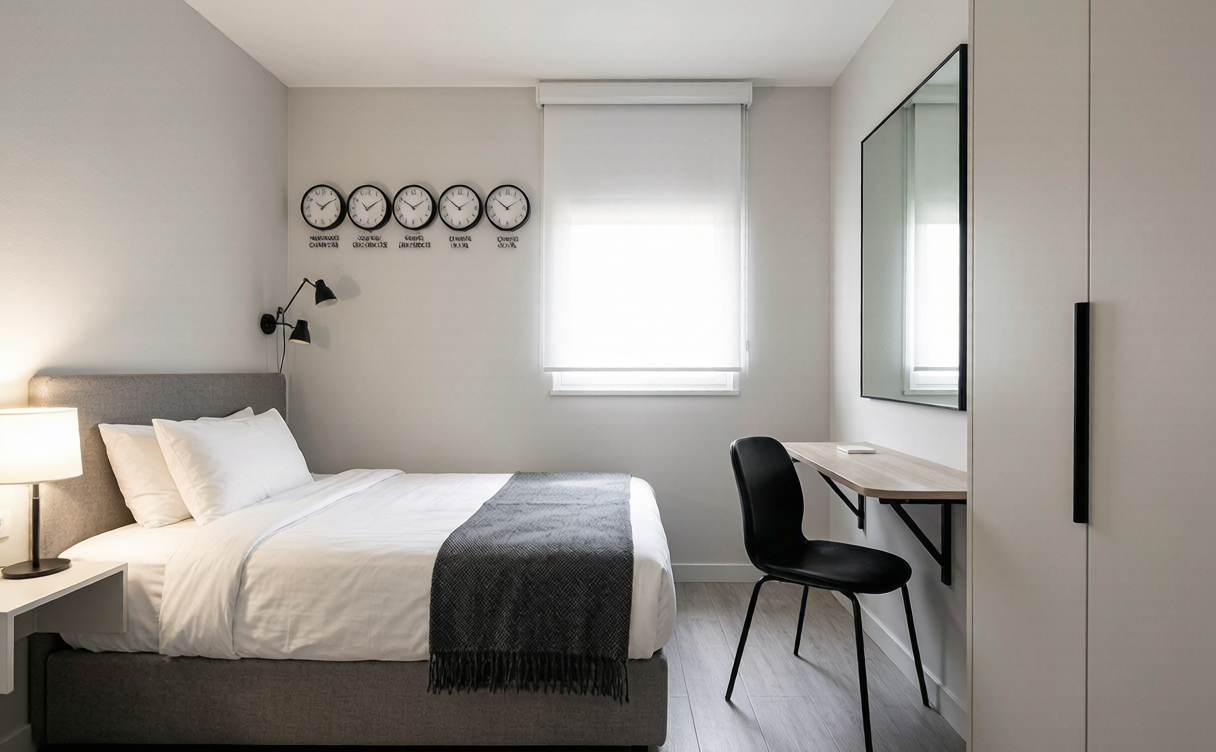
Airside cabins usually cannot be booked in advance by foreign travellers, because the operators sit inside the secure zone and take walk-ups only. Turn up, pay by card or mobile wallet, and hope. Landside hotels can and should be booked ahead — Trip.com and the international booking platforms both list them, and the Chinese-language platforms sometimes show inventory the English ones do not.
Three practical cautions. First, “airport hotel” in a listing may mean twenty kilometres away; check the shuttle description, not the name. Second, many terminal hotels require passport registration for foreign guests, and a small number of older properties still decline foreign nationals altogether — filter for those that accept international passports. Third, if you booked an airside room but your inbound flight arrives at a domestic gate, you may be forced landside anyway.
Surviving the Layover Itself
Chinese terminals are generally warm, well lit and safe, with 24-hour convenience stores and hot-water dispensers on nearly every concourse — bring instant noodles or tea and you have a free meal. Power sockets are plentiful; the standard is 220V with type A and I plugs. Free airport wi-fi usually requires a passport scan at a kiosk or a code sent to a phone number, so registering with an international SIM before you land saves a frustrating half-hour.
Showers are the thing people forget. Even a ¥50 shower transforms a fifteen-hour connection, and most large hubs have them airside near the transfer desks. Bring a small towel anyway.
If you do clear immigration in Beijing, the airport express and metro make a half-day of sightseeing realistic; our Beijing accommodation guide shows which districts are close enough to the line to be worth it on a short stay. Set two alarms, allow three hours to get back through security, and never trust a taxi queue at rush hour.
The Short Version
For most travellers the decision tree is simple. Short wait, stay airside and find a recliner. Medium wait, pay for a pod. Long wait plus visa-free eligibility, clear immigration and book a real room. China airport transit hotels are cheap by global standards, widely available and improving every year, and the difference between arriving at your destination wrecked or functional usually comes down to whether you spent ¥300 the night before.