

The first thing you notice is the smell. A wok is hot, a pinch of dried tea leaves goes in, and for two or three seconds the kitchen smells like a tea house at dawn. Then the shrimp goes in and the aroma turns sweeter, warmer, and the cook tips everything onto a pale bowl before either the tea or the shrimp has time to overcook. Longjing shrimp lives in that narrow window. Miss it and you have plain stir-fried shrimp with some green leaves scattered through it — edible, but not the dish people travel to Hangzhou to eat.
I order it almost every time I eat in Zhejiang, and I have learned to watch the server rather than the plate. If the bowl arrives fragrant, with the leaves still bright green and the shrimp barely opaque, the kitchen understands what it is doing. If the leaves are dark and limp and the shrimp are tight and rubbery, the cook was working too slowly.
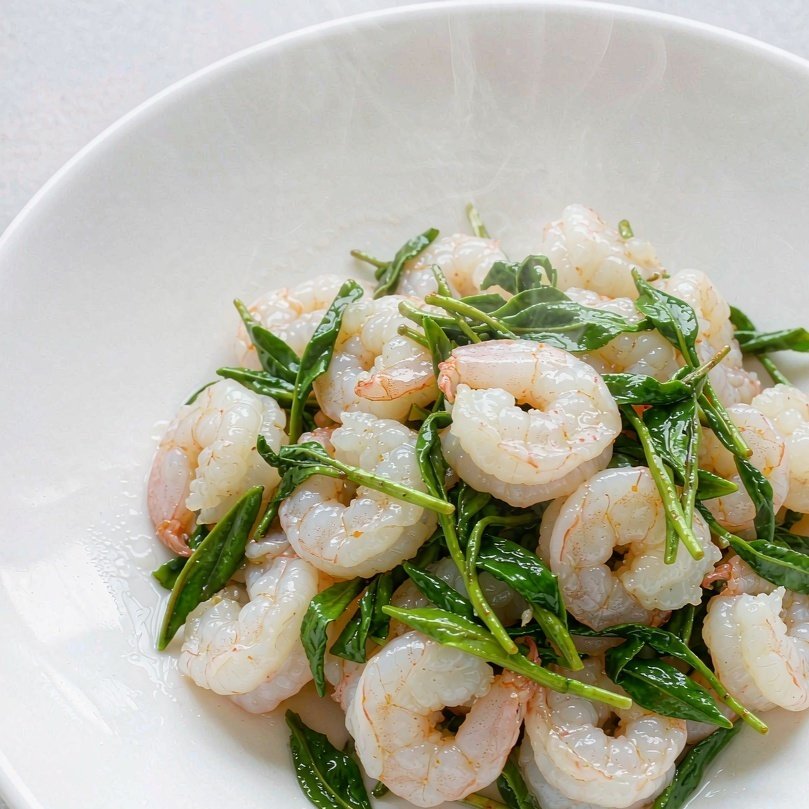
Why the Tea Leaves Are the Point, Not a Garnish
Most dishes that carry a tea name use tea as a seasoning — a smoke, a powder, a syrup poured over at the end. This one is different. The leaves are cooked with the shrimp and eaten with it, and the aroma they release in the hot oil is the whole identity of the plate. Known in English as Longjing shrimp, Dragon Well shrimp, or sometimes West Lake shrimp, it belongs to the small, elegant group of Hangzhou dishes that rely on restraint rather than heat and heavy sauce.
The usual story connects it to the Qing dynasty and the emperor Qianlong’s southern tours: a chef, caught short in a tea-growing village, supposedly tossed local shrimp with the leaves at hand. Treat that as a good story rather than documented fact — food history in China is full of imperial anecdotes that appeared centuries after the event. What is verifiable is humbler and more interesting. The dish belongs to a tea culture that made Longjing (Dragon Well) tea famous around West Lake, and it turns up in the canon of Hangzhou’s celebrated dishes because local cooks had the raw material on their doorstep. It is a regional dish in the most literal sense: shrimp from the water, tea from the hills, one city between them.
The documented longjing shrimp history is thin on specifics, but the logic of the place is clear: tea grew on the hills, shrimp came from the water, and a local kitchen put them together. That origin explains the technique. You are not making a shrimp dish with tea thrown in. You are using fat and heat to carry a volatile tea aroma into protein, and the timing has to be measured in seconds.
What Does Longjing Shrimp Taste Like?
Expect something much quieter than a typical Chinese stir-fry. The shrimp are sweet and clean, with the soft snap of a freshly cooked prawn. The tea contributes a light, grassy fragrance with a slightly nutty, almost chestnut edge — the same note you get from a good green tea, but amplified by oil. There is no chili, no black bean, no soy-heavy glaze. A light brushing of egg white and starch gives each shrimp a faint satin coat, and the finished plate should look moist, never swimming in sauce.
People who meet the dish for the first time sometimes call it bland. That is usually a problem with the cooking, not the concept. Undercooked tea leaves taste flat and vegetal; over-brewed leaves turn bitter; shrimp that sat too long in the wok lose their sweetness. A properly made plate tastes delicate but not empty, and the aroma should still be rising when it reaches the table.
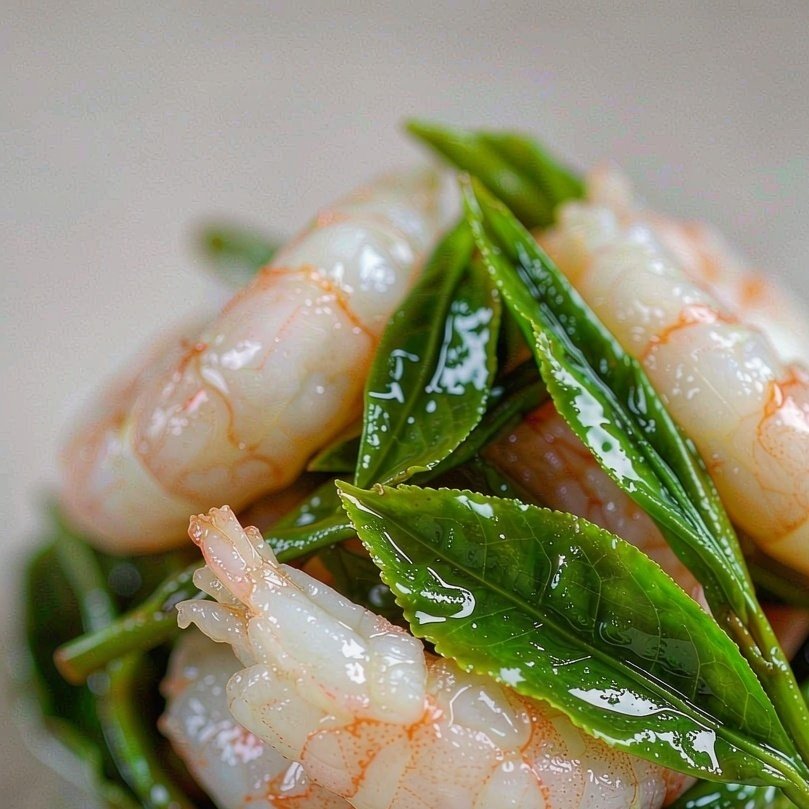
Longjing Shrimp Ingredients: The Two Things That Decide Everything
Because the recipe is short, ingredient quality does most of the work. This is not the place for frozen mystery shrimp or the tea dust at the bottom of a tin.
- Shrimp — 400 g (about 14 oz) peeled. Medium-large raw shrimp, ideally fresh and firm. Both freshwater prawns and sea shrimp are used in Zhejiang; at home, tiger or king prawns are reliable. Buy them in shell and peel yourself if you can — the shells make a quick stock, and pre-peeled shrimp are often treated with water.
- Longjing tea leaves — 1 to 1½ tablespoons dried leaves. Use a drinkable, medium-grade Dragon Well. The very finest pre-Qingming buds are wasted here and can taste too subtle once cooked; a decent second-grade leaf has enough body to perfume the oil. Avoid scented teas, flavored blends, and tea bags.
- Egg white — 1, lightly beaten. This is the velveting coat, not a binder.
- Cornstarch — 1 teaspoon. Just enough to hold the coating.
- Shaoxing rice wine — 1 teaspoon. Optional, but it rounds out the aroma.
- Fine salt — ½ teaspoon, plus more for the water.
- Neutral oil — 3 to 4 tablespoons for velveting and stir-frying, plus a little sesame oil if you like.
- Ginger — 2 thin slices, optional and deliberately restrained.
A note on the tea: you want whole, intact leaves that have been rolled flat, not broken fragments. Put the dried leaves in a small cup, cover with lukewarm water for about two minutes, then drain gently. This softens them and removes a little bitterness without stealing the fragrance. Many home recipes skip this step and add dry leaves straight to the wok; that works, but the leaves stay brittle and can taste harsh. Reserve the soaking liquid — a spoonful added at the end gives the dish a cleaner tea flavor than water alone.
How to Make Longjing Shrimp at Home, Step by Step
Set everything out before you start. From the moment the oil is hot, the active cooking takes less than three minutes.
- Step 1 — Prepare the shrimp. Peel and devein them, leaving the tail segments on if you like the look. Pat very dry with paper towels. Wet shrimp will steam in the oil and wash away the coating.
- Step 2 — Velvet. Mix the egg white, cornstarch, salt, and rice wine in a bowl. Add the shrimp and turn to coat evenly. Cover and refrigerate for 20 to 30 minutes. This short rest is what gives the finished shrimp its smooth, slightly translucent surface.
- Step 3 — Soften the tea. While the shrimp rest, soak the Longjing leaves in lukewarm water for two minutes, drain, and set aside. Keep a tablespoon of the liquid.
- Step 4 — Warm the oil. Heat 3 tablespoons of neutral oil in a wok or wide skillet over medium-low heat. You want the oil warm, not smoking — roughly 140°C / 285°F. High heat is the most common mistake.
- Step 5 — Cook the shrimp gently. Add the shrimp in a single layer and stir slowly until they just turn pink and opaque, about 60 to 90 seconds. They should still look slightly curved and moist. Lift them out with a slotted spoon and set aside.
- Step 6 — Bloom the leaves. Raise the heat to medium. If using ginger, add it for ten seconds, then add the drained tea leaves and stir for 15 to 20 seconds, just until fragrant. Do not let them darken.
- Step 7 — Combine quickly. Return the shrimp to the wok. Add the tablespoon of tea soaking liquid, toss for 20 to 30 seconds to bring everything together, and taste for salt. Finish with a few drops of sesame oil if using.
- Step 8 — Plate immediately. Tip onto a warm pale plate and serve at once. The aroma is at its peak for about two minutes.
The Velveting Detail Most Home Cooks Miss
The egg-white-and-starch coat is what separates a restaurant plate from a home attempt, and temperature is the secret. If the oil is too hot, the coating sets into a hard, clumpy shell before the shrimp cook through. If it is too cool, the starch slides off into the oil and you get greasy, bare shrimp. Medium-low heat with a visible but gentle shimmer is the target.
The second detail is restraint with the starch. One teaspoon for 400 g of shrimp is plenty. More than that and you are eating a pale batter with tea on it. If you want a lighter result, you can skip the oil velveting entirely and poach the coated shrimp in barely simmering water for 45 seconds before stir-frying — a cleaner method that many Hangzhou kitchens prefer for this particular dish.
Who It Suits, and Who Should Think Twice
This is a good choice for anyone who likes subtle cooking and wants a protein dish that is not drenched in sauce. A serving comes in around 220 to 280 calories, depending on how much oil you use, with most of that from the shrimp and the coating. It is naturally low in carbohydrate and contains no wheat unless you swap the cornstarch for flour.
The obvious caution is shellfish allergy. There is also a modest caffeine hit from the brewed leaves — small, but worth noting for anyone avoiding caffeine late at night. Because shrimp is relatively high in cholesterol and the dish uses salt, people on a strict low-sodium or cholesterol-controlled diet should keep portions reasonable. If you are buying it in a restaurant, ask whether the shrimp have been brined or treated; some kitchens soak them in alkaline water for texture, which can push the sodium up considerably.
Regional Takes and Ordering It in Hangzhou
In Hangzhou, the dish is tied to the tea villages that climb the hills west of the city. order it in a restaurant near the tea fields and you may find the leaves added at the table, or a small pot of the same tea brought alongside so you can smell what you are eating. The best versions I have had were in small family-run places rather than the big tourist restaurants on the lake — the difference is almost always the freshness of the shrimp and the confidence to undercook the tea.
If you are planning a food-focused visit, a morning walking the terraces is the natural lead-in to lunch; this guide to the Longjing tea villages near Hangzhou covers how to get there and what a tasting involves. For a wider choice of places to eat, the Hangzhou food guide lists dishes worth ordering beyond this one. Expect to pay roughly 80 to 180 yuan for a restaurant portion, more in a tea-house setting with a view. If you are hunting for the best Longjing shrimp in Hangzhou, judge the kitchen by how it handles this one dish rather than by the size of its menu.
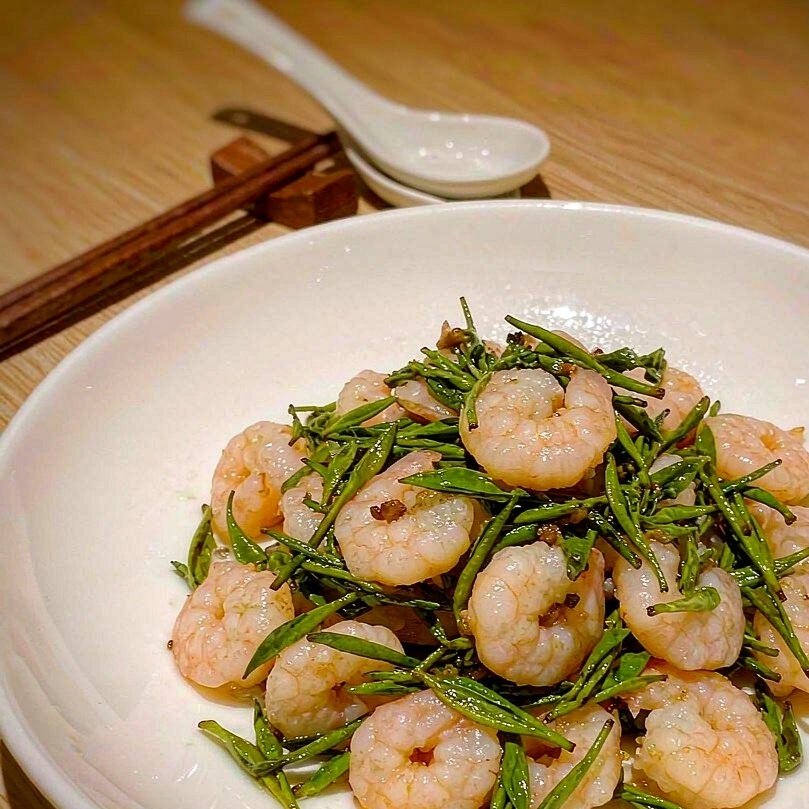
Longjing Shrimp vs. Other Shrimp Dishes
Compared with Kung Pao shrimp or Szechuan-style versions, this is a study in subtraction: no chili, no peanuts, no dark sauce. It is closer in spirit to other delicate Zhejiang cuisine classics, where freshness is meant to be tasted rather than covered. Western “tea shrimp” recipes often take the lazy route, dusting prawns with matcha or glazing them with sweet tea syrup; those are pleasant enough, but they miss the point of using whole leaves bloomed in oil.
The closest comparison is probably a simple garlic-and-butter prawn: both depend on good seafood and a short cooking time. The difference is the aromatic route. Butter is rich and round; tea is clean and fleeting. If you have only ever cooked shrimp with bold sauces, this dish will feel almost like a different ingredient.
Tea and travel go together naturally in this part of China. If the idea of cooking with leaves you bought on a hillside appeals to you, a tea-focused route through China makes a good companion trip, and you will come home with a much better sense of why this recipe is so restrained.
Frequently Asked Questions
How do I make Longjing shrimp at home without a wok?
A wide stainless-steel skillet works well. The important thing is surface area, not the shape of the pan: the shrimp need to sit in one layer so they cook evenly. Keep the heat at medium-low and move them often.
What can I substitute for Longjing tea leaves?
Another unflavored green tea with flat, whole leaves is fine — a decent Biluochun or a plain Chinese green tea will give a similar grassy note. Matcha is not a good substitute because it is a powder and will make the coating muddy. Avoid jasmine or bergamot-scented teas, which will dominate the shrimp.
Is authentic Longjing shrimp very difficult to cook?
The technique is simple; the timing is the challenge. Once you have velveting right and understand that the oil should never smoke, the dish comes together in minutes. Most failures come from impatience — too much heat, or leaving the shrimp in the pan while you look for a plate.
What does Longjing shrimp taste like compared with sweet-and-sour shrimp?
Completely different. Sweet-and-sour shrimp is bold, sticky, and acidic. Longjing shrimp is clean, mildly sweet, and fragrant, with no thick sauce. If you want a dish that tastes primarily of the shrimp itself, this is the one.
How many Longjing shrimp calories are in a serving?
A home-cooked portion is roughly 220 to 280 calories. Restaurant versions can be higher because they often use more oil for velveting. Serving it with steamed rice and a vegetable dish keeps the meal balanced.
How to order Longjing shrimp in a Chinese restaurant
Ask for it by its English name or point to it on the menu, and if the restaurant is casual, ask whether the leaves are real Longjing tea. A good sign is a kitchen that is willing to make it to order rather than plating it from a tray that has been sitting under a heat lamp.
That is really the whole lesson of the dish: good shrimp, real tea, low heat, and a willingness to stop cooking early. It takes less time than almost any other Chinese recipe worth learning, but it rewards attention more than most. Get the three-second tea bloom right once and you will understand why a plate this plain can be the memorable one of a whole meal.