

If you are planning a trip to China and want to understand the layers of history beneath its temples, walls, and museums, a solid grasp of the chinese dynasties timeline is the best place to start. The story of ancient China spans more than four thousand years, and almost every landmark you visit connects to one of these ruling houses. This guide walks through the major dynasties in order, with dates and a short note on what each era is remembered for. Think of it as your pocket companion for the history of china, whether you are standing inside the Forbidden City or gazing at bronze vessels in a quiet gallery.
The Earliest Dynasties
The first chapter of the history of china is wrapped in legend and archaeology. The Xia dynasty (c. 2070–1600 BCE) is traditionally regarded as the first Chinese dynasty, though written records from the time are scarce. It is followed by the Shang dynasty (c. 1600–1046 BCE), which left behind the earliest confirmed Chinese writing carved on oracle bones, along with spectacular bronze work.
The Zhou dynasty (c. 1046–256 BCE) ruled longer than any other, splitting into the Western and Eastern Zhou, with the Eastern Zhou further divided into the Spring and Autumn and Warring States periods. This was an age of philosophers: Confucius, Laozi, and many others shaped ideas that still influence Chinese culture today.
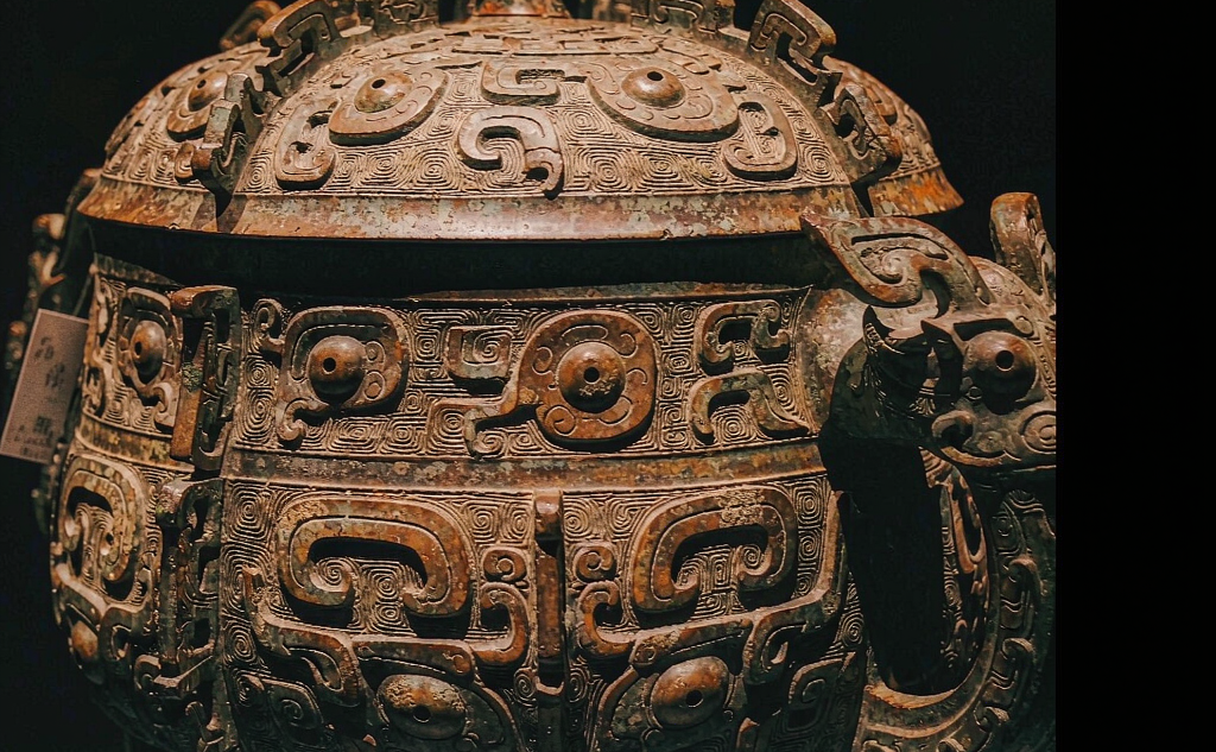
To see artifacts from these early periods up close, a visit to the Shaanxi History Museum in Xi’an is unforgettable. The bronze ritual vessels and jade objects there make the distant past feel tangible, and they pair perfectly with a deeper reading of the history of china. The museum’s chronological layout means you can wander from Neolithic pottery straight into Shang and Zhou metalwork without ever leaving the building.
Imperial Unification Under Qin and Han
The Zhou world ended in fragmentation until the Qin dynasty (221–206 BCE) unified the warring states under the first emperor, Qin Shi Huang. He standardized writing, weights, and measures, and began the Great Wall. Though the Qin lasted only a short time, its foundation shaped every later empire.
The Han dynasty (206 BCE–220 CE) followed and became one of the most influential eras in Chinese history. It was during the Han that the Silk Road opened, paper was invented, and the name “Han” became tied to the Chinese people themselves. Travelers today can explore Han tombs, capital ruins, and exhibitions that bring this golden age to life. If you want a fuller picture, our Han dynasty guide offers routes, museums, and tips for visiting Han-era sites across the country. The Han also left a lasting mark on daily life, from the spread of Confucian exams to the trade caravans that first carried Chinese silk as far as Rome.
The Golden Tang and Song
After centuries of division, the Sui dynasty briefly reunified China before giving way to the Tang dynasty (618–907 CE), often called the golden age of Chinese civilization. The Tang capital, Chang’an (modern Xi’an), was the largest city in the world, a cosmopolitan hub where merchants from across Asia traded silk, spices, and ideas. Poetry, painting, and Buddhism flourished. Our Tang dynasty guide highlights the best Tang sites, from the Big Wild Goose Pagoda to imperial tombs scattered across the plains. The Tang also welcomed foreigners as officials and merchants, leaving a cosmopolitan legacy you can still sense in Xi’an’s Muslim Quarter and ancient city walls.
The Song dynasty (960–1279 CE) is remembered less for territorial reach and more for innovation and culture. Printing, gunpowder, the compass, and paper money all advanced under the Song. Despite constant pressure from northern rivals, the era produced exquisite ceramics and a refined urban life captured in famous scrolls of riverside markets.
Yuan, Ming and Qing
The Mongol-led Yuan dynasty (1271–1368 CE) united China with a vast steppe empire and opened trade routes deep into Europe. It was followed by the Ming dynasty (1368–1644 CE), which built the Forbidden City, restored the Great Wall to its familiar form, and sent maritime expeditions across the oceans. Our Ming dynasty guide covers the tombs, city walls, and coastal forts that still stand today. The Ming also moved the capital to Beijing and rebuilt it as a symmetrical masterpiece of planning that visitors can walk end to end.
The final imperial house was the Qing dynasty (1644–1912 CE), founded by the Manchus and lasting until the early twentieth century. The Qing expanded the empire to its greatest territorial extent and left a rich architectural legacy in Beijing and beyond. Our Qing dynasty guide walks you through palace halls, gardens, and the rituals of the last emperors. It was the Qing who opened the Summer Palace and the elaborate gardens of Chengde, blending Chinese and steppe design into a style all its own.
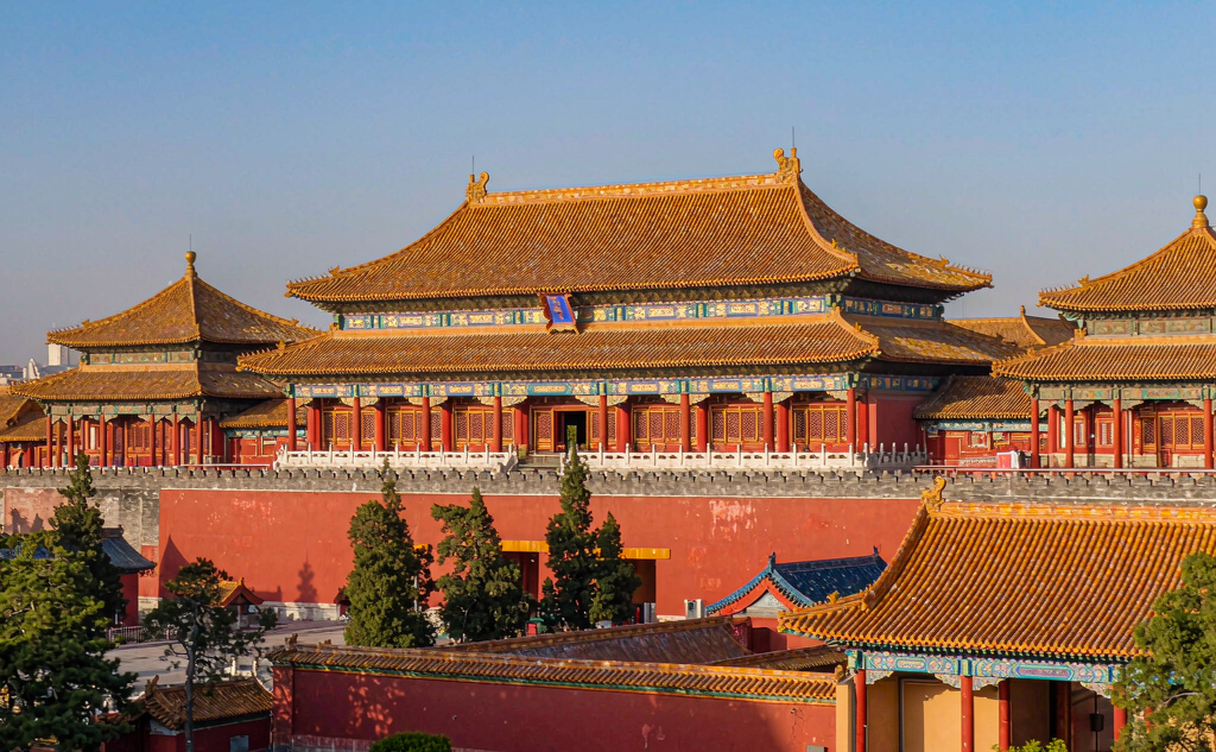
For a single stop that gathers masterpieces from every period, the Beijing National Museum is hard to beat. Its chronological galleries let you walk the chinese dynasties timeline from room to room, ending with the craftsmanship of the Qing court. Budget a full morning there, because the collection is enormous and the early bronze and jade halls alone can fill an hour.
How Long Is the Timeline, Really?
A common question among travelers is how many dynasties in china there actually were. The answer depends on how you count: if you list the major unified and splinter regimes, the number rises above twenty, but most surveys highlight around a dozen pivotal houses from Xia to Qing. Whether you are a casual visitor or a serious history buff, knowing the rough order helps you read any site you encounter. For a deeper and fully sourced reference on the sequence, see the Dynasties of China on Wikipedia. Keeping a simple chinese dynasty list in your notes makes it easy to place each ruin, pagoda, or pottery style you meet on the road.
FAQ
How many dynasties were there in china?
Historians usually count about a dozen major dynasties from the Xia through the Qing, though the total climbs higher if you include shorter and regional ruling houses. Most travelers only need the core sequence to make sense of museums and ruins.
What was the first chinese dynasty?
The Xia dynasty, traditionally dated to around 2070 BCE, is regarded as the first Chinese dynasty. The Shang dynasty that followed is the earliest with confirmed written records.
Which chinese dynasty was the largest?
The Qing dynasty reached the greatest territorial extent of any Chinese dynasty, governing a vast multi-ethnic empire before its fall in 1912.
What is the order of chinese dynasties?
The commonly cited order is Xia, Shang, Zhou, Qin, Han, Tang, Song, Yuan, Ming, and Qing, with several shorter transitional dynasties between the major ones.
Conclusion
The chinese dynasties timeline is more than a list of names and dates; it is the backbone of everything you will see in China, from museum bronzes to imperial palaces. By learning the order and character of each era, you transform a sightseeing trip into a journey through four thousand years of civilization. Use this guide as your starting point, follow the internal links to plan each stop, and let the history of china come alive on your next adventure.