

Standing in front of thousands of life-sized clay soldiers, it is easy to feel small. The Terracotta Army is one of the most staggering archaeological discoveries on earth, and it exists for one reason: a man who wanted to rule forever. If you are planning a trip to Xi’an, understanding the story behind these warriors will make your visit far richer. This qin shi huang guide introduces the ruler who became the first emperor of China, explains why his tomb complex is so vast, and shows you how to see the highlights without feeling overwhelmed.
Who Was Qin Shi Huang
So, who was qin shi huang? Born Ying Zheng in 259 BCE, he became king of the Qin state at a young age and spent his early reign consolidating power. By 221 BCE he had defeated the rival states of the Warring States period and declared himself Qin Shi Huangdi, often shortened to qin shi huangdi, meaning “First August Emperor.” He was the first ruler to call himself emperor of a unified Chinese realm, which is why historians often describe him as the first emperor of china.
His reign was short by modern standards but transformative. He centralized government, standardized the writing system, unified weights and measures, and even aligned the width of cart axles so roads worked for everyone. For travelers today, these reforms matter because they helped create a shared culture that still connects the sites you can visit across the country, from the Qin dynasty heartland in Shaanxi to the far reaches of the Great Wall of China.
Unifying China
What did qin shi huang accomplish that earns him a place in every history book? The headline answer is unification. Before his rule, the region we now call China was split among competing kingdoms with different scripts, currencies, and laws. By bringing them under one administration, he laid the foundation for more than two thousand years of imperial continuity.
He also undertook massive infrastructure projects. He expanded and connected earlier fortifications into an early version of the Great Wall of China to defend against northern raids, built straight “imperial roads” radiating from the capital, and linked canals for moving grain and troops. Many later dynasties borrowed his template of centralized rule. When you walk through the Shaanxi History Museum, you can see artifacts that illustrate how dramatically daily life changed once the realm was unified under one legal code.
Yet his methods were harsh. The emperor relied on strict laws and severe punishments, and traditional accounts say he suppressed dissenting schools of thought. This duality, brilliant statecraft paired with ruthless control, is part of why qin shi huang remains such a fascinating figure for visitors who want more than a photo opportunity.
The Terracotta Army
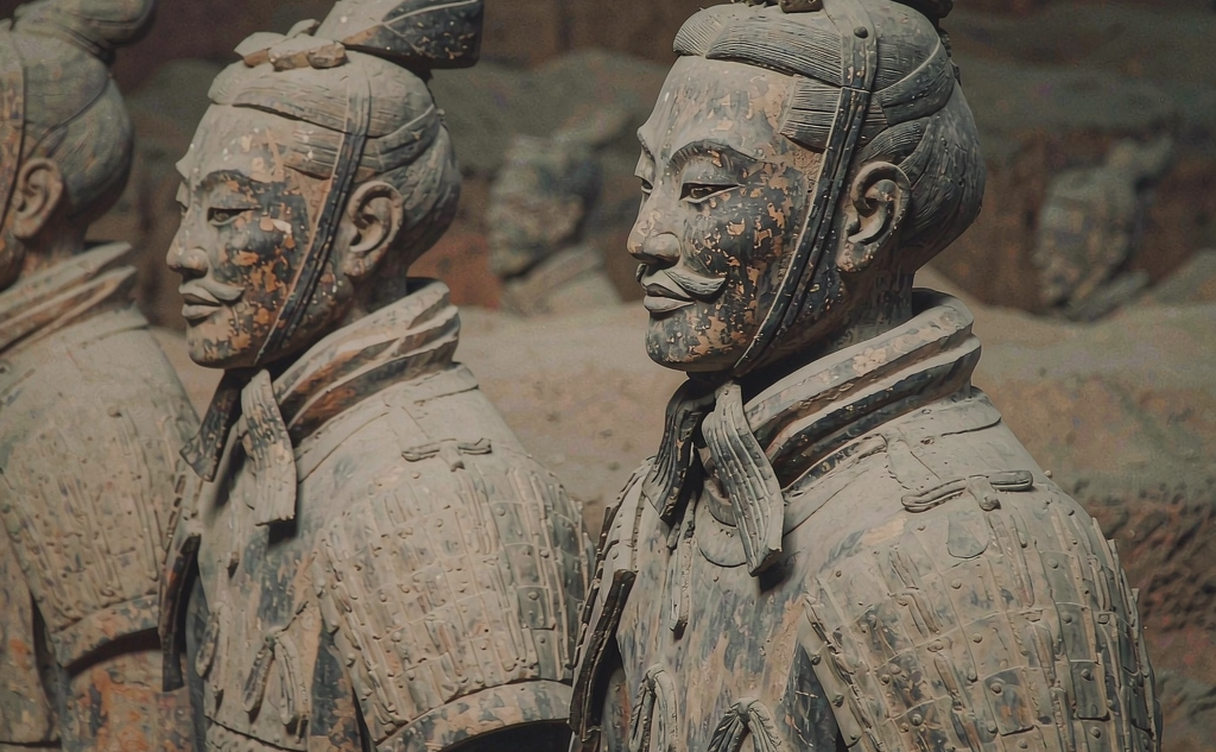
The reason most travelers come to Shaanxi is the Terracotta Army, and it does not disappoint. Discovered by farmers in 1974, the army consists of thousands of individually sculpted warriors, horses, and chariots arranged in battle formation to guard the emperor in the afterlife. No two faces are alike, which still amazes first-time visitors.
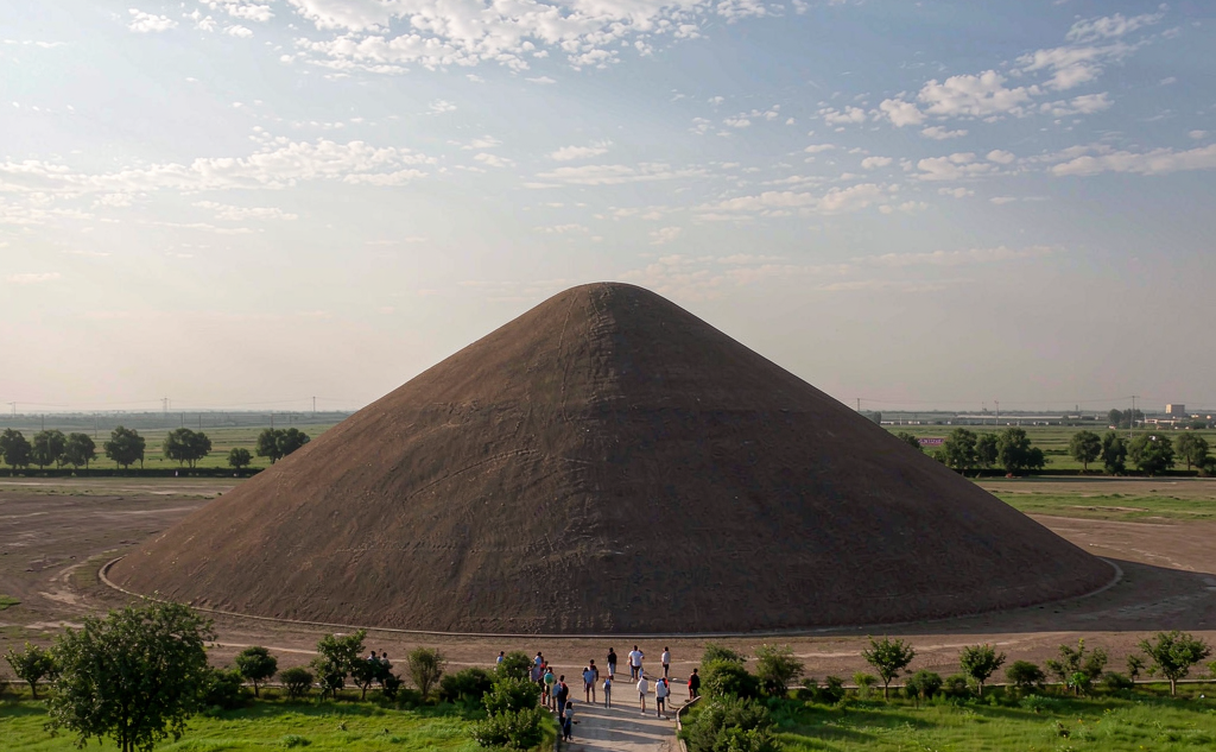
The site sits about 30 kilometers east of Xi’an, beside the still-unopened tomb mound of the emperor himself. Archaeologists believe the underground complex was constructed by hundreds of thousands of laborers over decades. Pit 1 is the largest and most dramatic, while Pits 2 and 3 reveal cavalry, commanders, and command structures. A visit here pairs perfectly with a deeper read of our guide to the Terracotta warriors, where we break down ticketing, the best viewing times, and how to avoid the biggest crowds.
Visiting the Sites Today
Seeing the legacy of the first emperor of China is easier than ever. Most travelers base themselves in Xi’an, a city that blends ancient walls with modern metro lines. From there, organized buses and private drivers reach the Terracotta Army in under an hour. The Shaanxi History Museum, back in the city center, fills in the broader story with bronzes, ceramics, and Tang dynasty treasures that follow the Qin period.
If your trip is part of a longer route, the Qin dynasty and its immediate successors left marks well beyond Shaanxi. The Great Wall of China, though rebuilt many times, traces its defensive logic back to Qin-era fortifications. Pairing Xi’an with a section of the wall gives you a powerful sense of how a single ruler’s ambition shaped the geography of an entire civilization.
Why Qin Shi Huang Still Matters
Why is qin shi huang important enough to draw millions of visitors each year? Because the systems he put in place, standardized writing, unified measurement, centralized administration, became the default model for Chinese governance for millennia. The very idea of “China” as a single political and cultural space owes much to his reign.
For the traveler, his importance is tangible. The tomb complex near Xi’an is so large that archaeologists have barely scratched its surface, and the surrounding region is packed with museums, ruins, and festivals tied to his era. Understanding him turns a simple sightseeing stop into a story about ambition, engineering, and the human desire to leave a mark that outlasts a lifetime.
Practical Tips for Your Visit
A few simple habits will improve any trip built around the first emperor. Arrive at the Terracotta Army when gates open to enjoy the pits before tour buses arrive. Wear comfortable shoes, since the site involves a fair amount of walking. Consider hiring a licensed guide at the entrance; the details about rank, armor, and hairstyles bring the silent warriors to life.
Budget at least half a day for the army and another half day for the Shaanxi History Museum, which requires advance reservation during peak season. If you want historical context before you fly, our Qin dynasty guide explains the broader arc from warring states to unified empire, which makes the on-site exhibits far easier to follow.
FAQ
Who was qin shi huang?
Qin Shi Huang, originally named Ying Zheng, was the king of the Qin state who conquered the rival Warring States and in 221 BCE declared himself the first emperor of a unified China. He is famous for centralizing the state and for the Terracotta Army built to guard his tomb.
What did qin shi huang accomplish?
He unified China’s warring kingdoms, standardized writing, currency, weights, and measures, built roads and early Great Wall fortifications, and created a centralized bureaucratic system that influenced later dynasties for two thousand years.
Where are the terracotta warriors?
The Terracotta Army is located about 30 kilometers east of Xi’an in Shaanxi province, beside the tomb mound of Qin Shi Huang. It is the most popular historical attraction in the region and is easily reached from the city.
Why is qin shi huang important?
He established the framework of a unified Chinese state and culture. His reforms created lasting continuity in language, law, and administration, and his tomb complex remains one of the greatest archaeological sites in the world.
Conclusion
Qin Shi Huang was a ruler of extremes, a unifier who built enduring systems and a tyrant who demanded absolute control. For today’s traveler, his legacy is best experienced on the ground in Xi’an and Shaanxi, where silent warriors and a towering tomb mound tell the story better than any textbook. Plan a visit, slow down at the pits, and let the first emperor of China show you how one life can reshape a civilization. For additional background, see Qin Shi Huang on Wikipedia.