

Zhuzhou sits in eastern Hunan, about 50 km south of Changsha, where the Xiang River meets the Lishui. Most foreign travelers have never heard of it, which is exactly why it can reward a visit. The city is best known as the home of the Yan Emperor Mausoleum, a major heritage and pilgrimage site, and it also offers lively night markets, riverside parks, and a convenient base for exploring the wilder west of Hunan.
This Zhuzhou travel guide covers what to see, when to go, how to get there, and what to eat — plus a few ways to connect your trip with the bigger highlights of the province. If your China route already includes Changsha, Zhangjiajie, or the Xiangxi region, Zhuzhou is an easy half-day or overnight stop just off the high-speed rail line.
Why Visit Zhuzhou
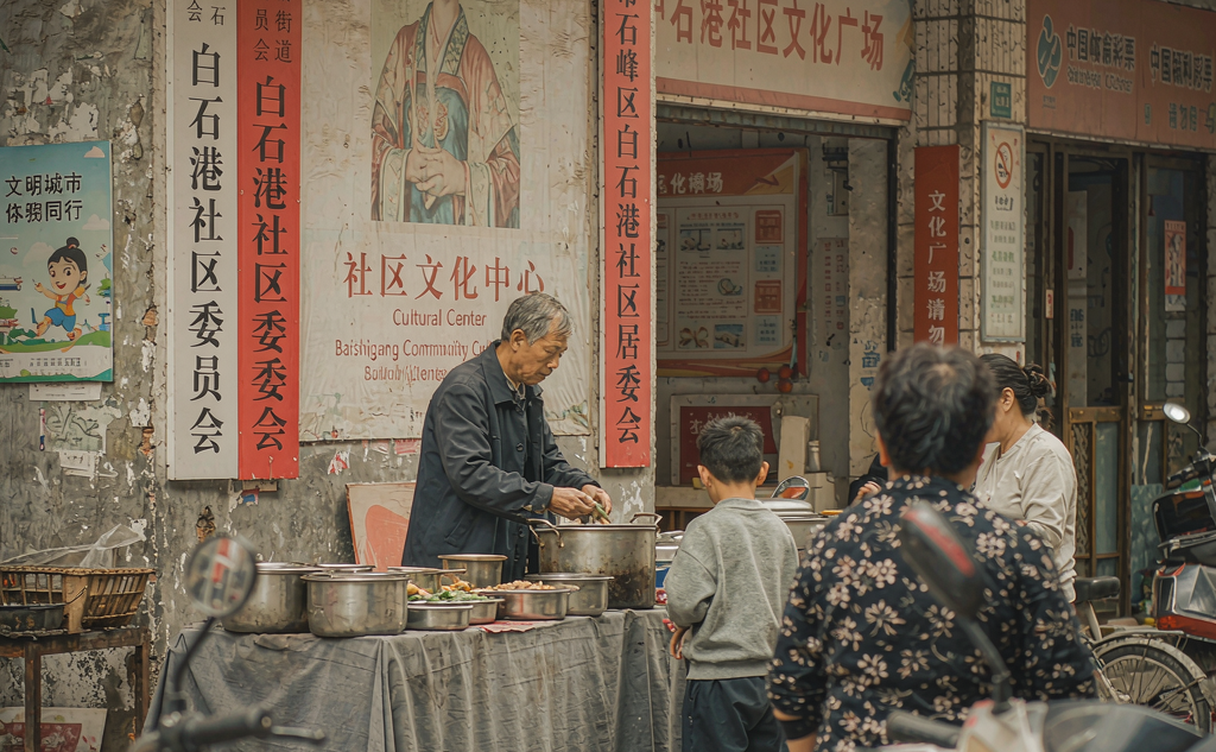
Zhuzhou is a working Chinese city rather than a tourist showpiece, and that is part of its charm. You share the streets with locals instead of tour groups. The two main reasons to come are heritage and food: the Yan Emperor Mausoleum in the Luyuan area draws visitors from across China, while the city’s snack culture is a lighter, cheaper cousin of nearby Changsha’s famous street food scene.
The city also works as a relaxed transit point. Trains run constantly between Changsha and Guangzhou, and Zhuzhou West Station puts you within a short ride of both the mausoleum and the city center. For travelers who want a break from big-ticket attractions, it offers an unhurried look at everyday life in a mid-sized Hunan city.
The Yan Emperor Mausoleum (Yan Di Ling)
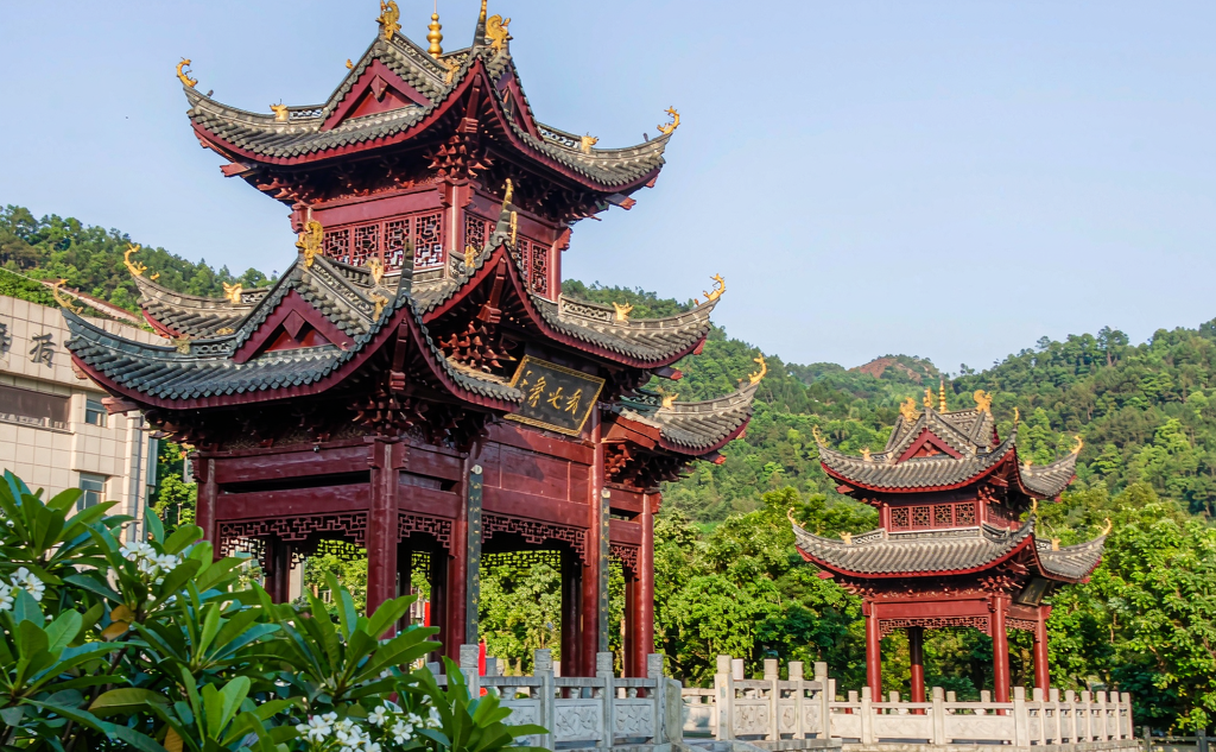
The Yan Emperor, also called Shennong, is a legendary ruler credited in Chinese tradition with teaching people agriculture and herbal medicine. According to tradition he died and was buried in what is now Zhuzhou’s Luyuanpo area. The mausoleum complex has been rebuilt and expanded many times over the centuries; today it includes a large ceremonial square, red pavilions, carved stone steles, and a long, tree-lined approach road.
The site is busiest during the annual sacrificial ceremony, usually held in autumn, when officials and descendant groups gather for traditional rites. On ordinary days it is calm, with gardeners tending the grounds and families strolling the shaded paths. Allow at least two hours if you want to walk the full complex and read the historical markers.
Background on the Yan Emperor’s legendary role in Chinese history is summarized on Wikipedia’s Yan Emperor page. For a broader provincial plan, our Changsha travel guide explains how to base yourself in the provincial capital.
Things to Do in Zhuzhou
Beyond the mausoleum, the city has several relaxed, low-cost diversions that fill an easy day.
- Shennong Terrace (Shennong Cheng): a central landmark with a broad plaza, fountains, and evening light shows. Good for a casual walk after dinner.
- Xiangjiang riverside: paved paths run along the water, where locals gather for evening strolls, group dancing, and kite flying.
- Yandi Square and shopping streets: the area around the main square fills with snack stalls and small shops once the sun goes down.
- Luyuan Valley: near the mausoleum, this green belt offers walking trails and photo spots among low hills and clear streams.
For more dramatic scenery, the Zhangjiajie travel guide covers the famous quartz-sandstone peaks a few hours west, and the Xiangxi travel guide explores the Miao and Tujia cultures of the western highlands.
Best Time to Visit Zhuzhou
Zhuzhou has a humid subtropical climate. Summers, from June to August, are hot and muggy, often climbing above 35°C, while winters are cool and damp. The most comfortable months are spring, April through May, and autumn, September through November, when temperatures sit in a pleasant 18–26°C range and rainfall is lower.
If you hope to see the Yan Emperor sacrificial ceremony, plan for autumn — but expect larger crowds and tighter hotel availability. For general sightseeing and street food, spring is hard to beat, with blooming trees along the riverside and comfortable walking weather.
How to Get to Zhuzhou
Zhuzhou lies on the Beijing–Guangzhou high-speed rail corridor. Trains from Changsha take roughly 15 to 30 minutes, and from Guangzhou about two and a half hours. The city also has a conventional rail station and is linked by long-distance bus to nearby towns.
From Changsha Huanghua International Airport, the simplest route is a high-speed train from Changsha South Station to Zhuzhou West. Taxis and ride-hailing apps such as DiDi cover the short hop from the station to the city center or the mausoleum area.
Foreign visitors should read our China high-speed train guide for foreigners before booking, since real-name ticketing and ID rules differ from what you may expect at home. Keep your passport handy, because it is the document you use to collect tickets and to check in at hotels.
Zhuzhou Food
Zhuzhou eating leans into Hunan’s bold, chili-forward style but stays a notch milder than Changsha. Local favorites worth seeking out include:
- Stir-fried smoked pork with peppers — a home-style dish found in small neighborhood restaurants.
- Rice noodles (mifen) — served soupy or dry, often eaten at breakfast from roadside stalls.
- Street skewers and grilled fish — concentrated around Yandi Square after dark.
- Lotus root and fresh river fish — the Xiang River supplies daily catches that show up on local menus.
For a deeper dive into the region’s flavors, our Changsha food guide and Hunan cuisine guide map out signature dishes, spice levels, and where to try them without overwhelming a first-time visitor.
Where to Stay and a Sample Plan
Most visitors base themselves near Yandi Square or Zhuzhou West Station. Budget and mid-range hotels are plentiful, while international chains are limited, so book ahead during holidays. A realistic plan is to arrive from Changsha mid-morning, visit the Yan Emperor Mausoleum, wander the riverside in the afternoon, and eat your way through the night market before heading out the next day.
Around Zhuzhou: Easy Combos
Zhuzhou’s position on the Beijing–Guangzhou line makes it a natural hinge between Hunan’s headline sights. A common pattern is to base in Changsha for two or three nights, take a morning train south to Zhuzhou for the mausoleum and the riverside, and still be back in Changsha for its famous nightlife. Travelers heading west can use Zhuzhou as the jump point toward Zhangjiajie’s quartz peaks or the Miao and Tujia villages of Xiangxi, breaking the long rail journey with an overnight here. Even a two-hour stop lets you tick the mausoleum off a bigger list without a separate trip.
Best Photo Spots
The Yan Emperor Mausoleum photographs best at opening, when the red pavilions glow in low sun and the ceremonial square is empty. The riverside paths near Shennong Terrace catch the evening light and the lanterns of group dancers, while Yandi Square after dark is a neon-and-steam composition of skewers and noodles. For something quieter, the wooded bends of Luyuan Valley give soft, green frames free of crowds.
Practical Tips
- Carry your passport at all times — it is required for train tickets and hotel check-in.
- Download a translation app and DiDi before you arrive, because English signage is limited outside major hubs.
- Avoid the national holiday weeks, especially Golden Week in early October, if you dislike large crowds.
Zhuzhou will not top anyone’s China bucket list, but as a relaxed, authentic stop between Hunan’s headline sights, it earns its place on a slower itinerary.
Final Thoughts
Zhuzhou shows a side of Hunan that big-city itineraries often miss: devotional heritage, riverside calm, and unpretentious food. Pair it with Changsha’s energy or Zhangjiajie’s drama and you get a well-rounded picture of the province.