

The zhou dynasty is the longest-ruling dynasty in Chinese history, stretching across roughly eight centuries from around 1046 BCE to 256 BCE. More than a political era, it was the cultural foundation on which later China was built. The ideas born during this period — the Mandate of Heaven, the reverence for ritual, and the teachings of Confucius — still shape how visitors experience China today. For travelers who want to understand the country beneath its famous landmarks, a zhou dynasty guide is the best place to start.
What Was the Zhou Dynasty?
The Zhou people began in the Wei River valley of what is now Shaanxi province. They overthrew the Shang dynasty and established a new order built on the idea that kings ruled with the approval of a higher power. This was expressed through the concept of the Mandate of Heaven, which held that a ruler stayed in power only as long as he governed justly.
The early Zhou court moved between capitals in the west, near present-day Xi’an, and later in the east, near present-day Luoyang. Over time, the central king lost real authority while regional lords grew powerful. This slow fragmentation is what gives the period its two great divisions: the Western Zhou and the Eastern Zhou.
The Mandate of Heaven
The Mandate of Heaven is the single most important political idea to come out of the zhou dynasty. It argued that heaven granted the right to rule, but that right could be withdrawn if a ruler became corrupt or cruel. Floods, famines, and rebellions were read as signs that the mandate had been lost.
For modern travelers, this concept explains a great deal about Chinese imperial sites. When you walk through the Forbidden City tickets in Beijing, you are walking through a space designed to display heavenly authority on earth. The same logic that built the zhou dynasty also built the great ceremonial centers that followed it centuries later, including the Forbidden City tickets.
Confucius and the Age of Philosophers
The later part of the zhou dynasty is often called the Spring and Autumn period and the Warring States period. It was an age of constant warfare between rival states, but also an age of extraordinary thought. Confucius lived during the Spring and Autumn period, looking back at the early zhou dynasty as a golden age of order and virtue.
Around him arose a remarkable circle of thinkers: Laozi, who inspired Daoism; Mozi, who preached universal love; and countless debaters whose ideas were recorded in texts that survive today. This burst of philosophy is why the zhou dynasty is remembered as the age of Confucius. His emphasis on family respect, education, and moral leadership became the backbone of Chinese culture for more than two thousand years.
Bronze Vessels and the Archaeology of Ritual
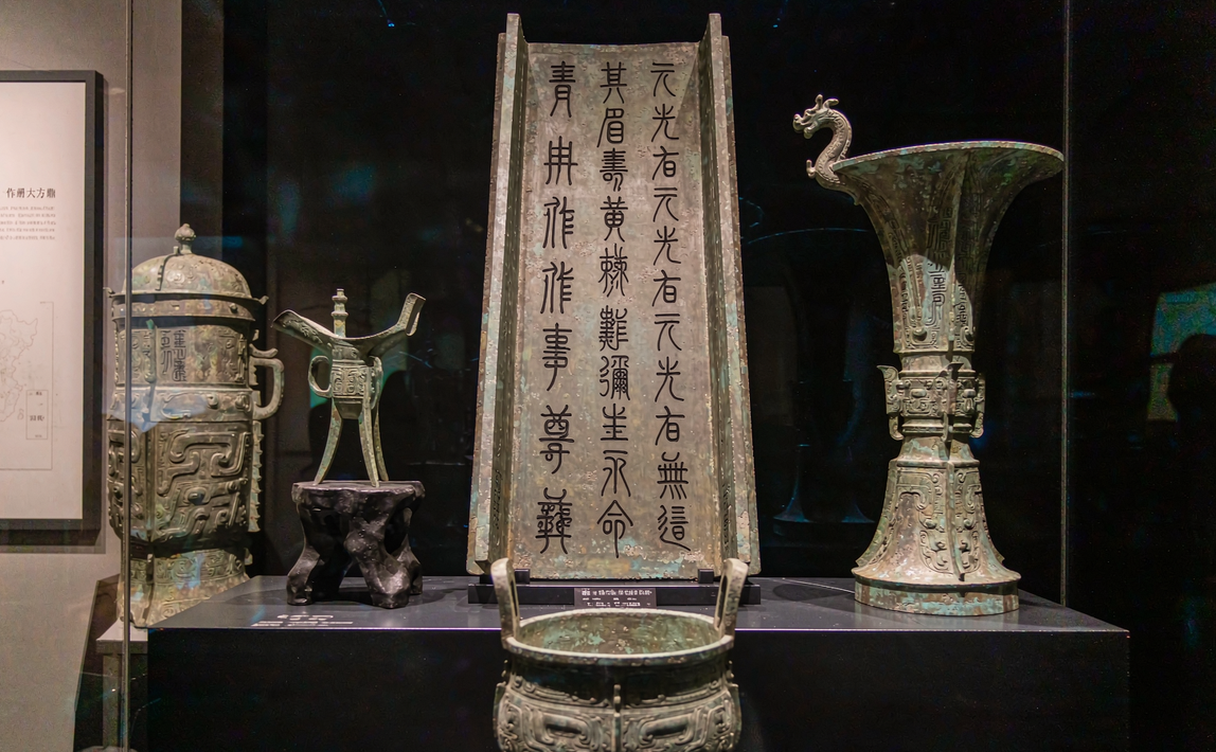
If you want to see the zhou dynasty with your own eyes, the place to look is bronze. Zhou rulers cast thousands of ritual vessels — often called ding and gui — used in ceremonies to honor ancestors. Many carry long inscriptions that tell us about land grants, treaties, and royal commands. These bronze objects are among the most valuable sources we have for the period.
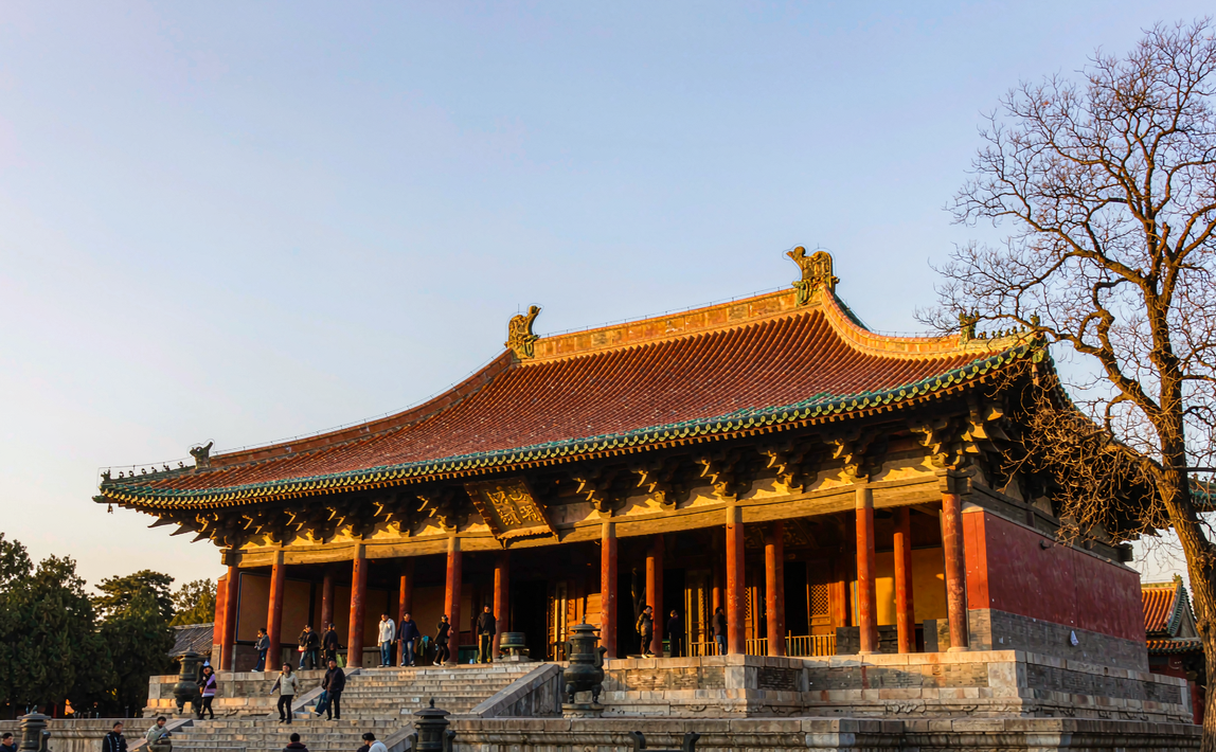
The best collection of these treasures sits in the Shaanxi History Museum, in Xi’an, close to where the Western Zhou heartland once lay. A visit there turns abstract history into something solid and beautiful.
Western Zhou and Eastern Zhou
The Western Zhou period (about 1046–771 BCE) was the era of strong central kings and elaborate ritual. The capital was near Haojing, west of modern Xi’an. When invaders sacked that capital, the court fled east to Luoyang, beginning the Eastern Zhou period (771–256 BCE).
The Eastern Zhou splits into two phases. The Spring and Autumn period (771–476 BCE) saw the old feudal order fray as regional states competed. The Warring States period (476–221 BCE) followed, with seven major powers fighting for supremacy until the state of Qin finally unified China. The legacy of the zhou dynasty lived on even after its kings were gone, because Qin and every later dynasty claimed the same Mandate of Heaven.
Where to See Zhou Dynasty Relics Today
Travelers interested in the zhou dynasty have several strong options across mainland China:
- Zhouyuan Site, Shaanxi: The original homeland of the Zhou people, where major bronze hoards have been excavated. It sits between Xi’an and Baoji.
- Shaanxi History Museum, Xi’an: Holds some of the finest Zhou bronzes and jade artifacts.
- Luoyang, Henan: Eastern Zhou capital, with museums covering the later period.
- The Great Wall of China is far later in date, but pairing it with a dynasty tour helps visitors grasp the long sweep of Chinese history. You can read more in our Great Wall of China guide.
For those building a fuller itinerary, our China travel guide for first-timers and our list of the best things to do in China are good companions to this page. To see how the Zhou fits into the bigger picture, follow our zhou dynasty timeline of Chinese dynasties.
A Zhou Dynasty Guide to Planning Your Visit
A practical zhou dynasty guide should begin in Shaanxi, where the story starts. Fly into Xi’an, spend a day at the Shaanxi History Museum, then take a short trip west to the Zhouyuan archaeological area near Baoji. From there, travel east to Luoyang to close the loop with the Eastern Zhou capitals. This route follows the dynasty’s own geography and keeps travel times reasonable.
Spring and autumn are the most comfortable seasons for this route, with mild weather and fewer crowds than summer. Give yourself at least four or five days if you want to cover both Xi’an and Luoyang without rushing. Local guides at the museums can explain the bronze inscriptions, which are difficult to read without training.
It also helps to pair the Zhou sites with later highlights so the timeline clicks into place. After exploring the Western Zhou heartland, many travelers continue to see the Qin and Han remains nearby, which show how Zhou ideas were absorbed by the empires that followed. Packing a small notebook for each museum stops the names and dates from blurring together by the end of the trip.
Frequently Asked Questions
How long did the zhou dynasty last?
The zhou dynasty is generally dated from about 1046 BCE to 256 BCE, making it the longest dynasty in Chinese history at roughly 790 years. Its length is one reason its cultural influence ran so deep.
What is the best zhou dynasty guide for a first trip?
Start in Xi’an at the Shaanxi History Museum, then visit the Zhouyuan site near Baoji and the Eastern Zhou remains around Luoyang. This zhou dynasty guide concentrates the most important relics into a single, logical route through Shaanxi and Henan provinces.
Why is the zhou dynasty called the age of Confucius?
Confucius lived during the later Zhou, a time of division and debate. He looked back to the early Zhou as a model of virtuous rule, and his teachings — along with those of many rival philosophers — made the period a golden age of Chinese thought.
For a broader academic overview of the period, see the detailed entry on the Zhou dynasty at Wikipedia.
[CTA]Plan your China trip with our expert guides and curated itineraries.[/CTA]
[CTA]Discover Zhou dynasty relics and other wonders with a custom Shaanxi and Henan route.[/CTA]
[CTA]Let our travel specialists build a history-focused China tour around your interests.[/CTA]