

When people picture Yunnan, they imagine the humid tropics of Xishuangbanna or the old streets of Lijiang. Zhaotong breaks that image completely. Tucked into the northeastern corner of the province, where Yunnan, Sichuan, and Guizhou nearly touch, Zhaotong is cool, green, and mountainous — a summer refuge when the rest of south China is sweltering. It is also one of the least-visited corners of a province famous for being visited, which is precisely its appeal.
Best Time to Visit Zhaotong
The best time to visit Zhaotong is June through September, when the Zhaotong summer weather is at its mildest. Daytime highs sit in the low twenties Celsius, nights are crisp, and the surrounding hills stay lush from the monsoon. This is the season for the high meadows, the crane sanctuaries, and long walks without breaking a sweat. Winters are cold and damp, with occasional snow on the peaks but grey, raw weather in the valley. Spring brings blooming orchards and fewer crowds, though rain starts to build by May. If you specifically want the black-necked cranes, come between November and March, when they winter in the marshes at Dashanbao.
How to Get to Zhaotong
Zhaotong has a high-speed rail station on the line linking Chengdu and Kunming, which makes it far easier to reach than its remote feel suggests. Trains from Kunming take around four to five hours; from Chengdu, roughly six. There is also Zhaotong Airport with flights from Kunming, Chongqing, and a few other hubs. From the station, the city center is a short taxi ride. Because the terrain is rugged, internal travel is slow — budget extra time for mountain roads if you head out to the reserves and villages.
Things to Do in Zhaotong
The list of things to do in Zhaotong is built around nature rather than monuments. The Dashanbao Black-necked Crane National Nature Reserve is the headline: a high plateau of bog and grassland where endangered cranes gather in winter against a backdrop of deep karst valleys. The nearby Loufan and Wumeng mountains offer ridge walks, cloud seas, and, in summer, a carpet of wildflowers. Closer to town, the Zhaotong Old Prefecture Street preserves a slice of Qing-era Yunnan architecture, quieter and more authentic than the restored old towns elsewhere in the province.
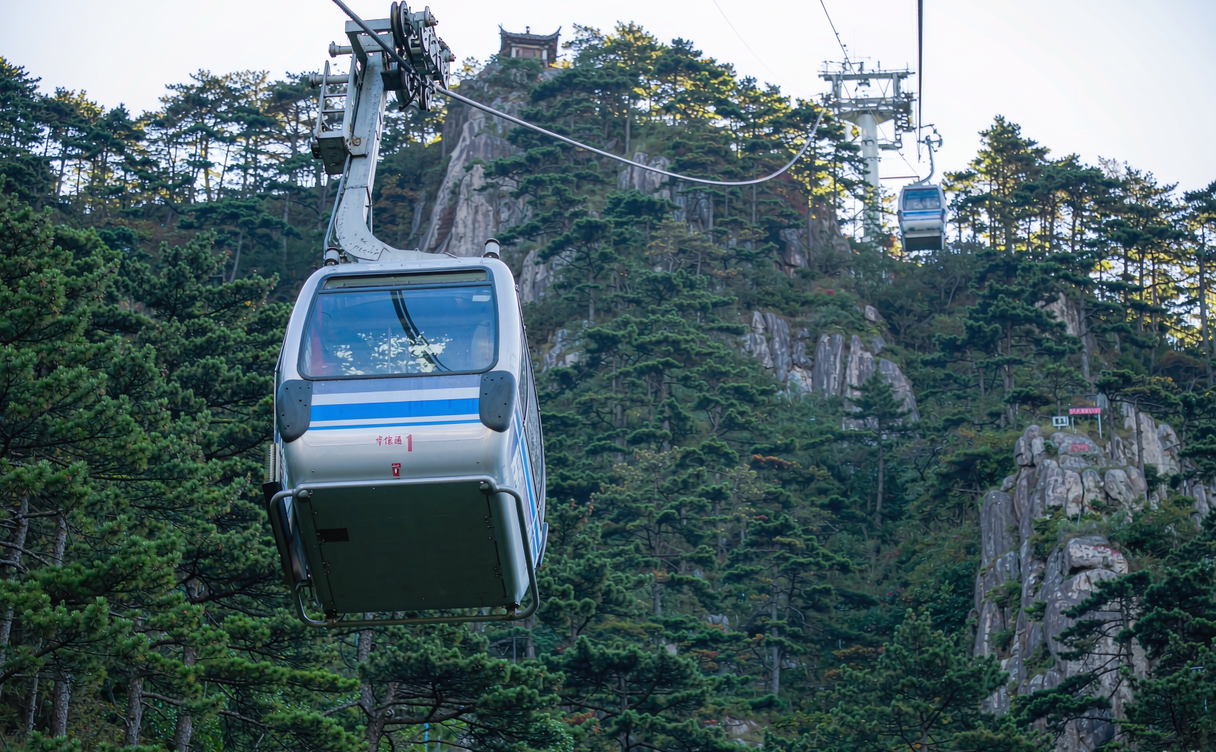
Zhaotong Mountains, Yunnan
The Zhaotong mountains, Yunnan side of the Wumeng range, are the region’s spine. They are not the dramatic snow peaks of the northwest; they are rounded, forested, and forgiving — ideal for travelers who want altitude without expedition-level effort. Local guesthouses at the trailheads rent basic rooms, and the cable car at one of the forest parks makes the high meadows reachable even for casual walkers. Sunrise from a ridgetop, with sea of clouds below, is the kind of view that justifies the journey on its own.
Zhaotong to Kunming
A Zhaotong to Kunming journey is the route most visitors take, and the high-speed train makes it painless. Kunming is the logical gateway and a useful contrast — a big, flower-filled city after Zhaotong’s small-town calm. Our Kunming travel guide covers the capital in depth, while the Dali Yunnan travel guide and Lijiang old town travel guide extend the provincial itinerary northward. For travelers who want the tropical south instead, the Xishuangbanna travel guide describes Yunnan’s completely different climate zone.
A Zhaotong Travel Itinerary
A workable Zhaotong travel itinerary runs three to four days. Day one: arrive, walk the old street, and acclimatize to the cool air. Day two: Dashanbao reserve for cranes (winter) or the high meadows (summer). Day three: a Wumeng mountain walk and a forest-park cable car. Day four: slow morning, then train to Kunming. If you are building a broader Yunnan route, our China summer destinations guide explains why the northeast plateau is such a reliable escape from the heat.
Where to Stay
Zhaotong’s city hotels are practical and inexpensive, clustered near the station and the old street. For nature, base at Dashanbao or a mountain guesthouse and accept simpler comforts in exchange for dawn access to the reserve. Book mountain lodging ahead in summer weekends, when Kunming families drive up to escape the heat.
Local Food
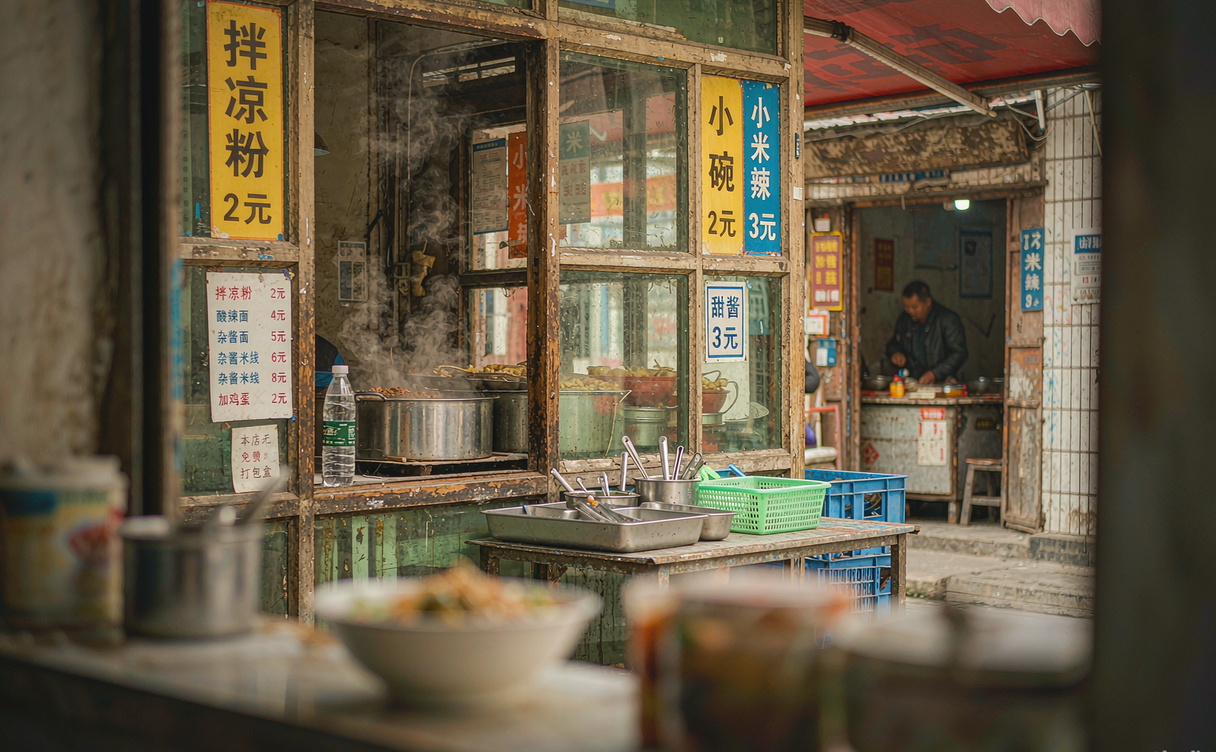
Yunnan’s food culture runs strong here, and the Yunnan rice noodles guide is worth reading before you eat your way through town. Zhaotong’s take on mixian is richer and pork-forward, often served with pickled vegetables and a spoon of chili. Try the local ham (the climate cures it well), wild mushroom hot pots in autumn, and buckwheat pancakes from the mountain villages. Street breakfasts of rice cake and soybean milk are cheap and filling.
Getting around Zhaotong takes patience. The city itself is walkable, but the reserves and mountain villages are spread across rough terrain, so a car or driver is essential for the Dashanbao and Wumeng areas. Buses run, but slowly, and schedules thin out on weekends and holidays. Budget a full morning for any reserve visit, since the drive alone can be two hours each way on twisting roads. The payoff is solitude: unlike Yunnan’s famous old towns, the Zhaotong mountains, Yunnan side of the range, see few foreign visitors, and you often have a viewpoint entirely to yourself. Combine this with the cool Zhaotong summer weather and the region becomes an ideal base for travelers who prefer quiet trails over crowded scenic zones.
One often-overlooked stop is the town’s morning market, where vendors from surrounding villages sell mountain herbs, cured ham, and wild mushrooms in season. Arrive before nine and you will see Zhaotong at its most local, with Yi and Han sellers side by side. If you have an extra day, the drive toward the Guizhou border passes terraced rice country and a completely different landscape from the high meadows. This variety is why a Zhaotong to Kunming route rewards travelers who break the journey rather than rushing the train straight through. For photographers, the low monsoon clouds and terraced hills make even a casual walk near the old street worthwhile. The county town of Yiliang, a couple of hours south, makes a quiet overnight if you want to extend the route toward Guizhou without backtracking to Kunming, and its small hot-spring hotels are a welcome reward after a day on the mountain roads.
Why Zhaotong Is Worth the Detour
Zhaotong will not wow you with temples or ancient towns. What it offers is rarer: a cool, green, genuinely local corner of one of China’s most touristed provinces, where the loudest sound is often a crane. For summer travelers worn out by humidity, or anyone curious about the Yunnan that exists beyond the postcards, it is a genuine find.
For official background on the region’s protected areas and travel practicalities, China’s Ministry of Culture and Tourism publishes visitor information at mct.gov.cn, a useful checkpoint when planning permits and seasonal access to the nature reserves.
Zhaotong rewards a slower pace and a willingness to let the landscape lead. Spend a few days among its mountains and meadows, and the province reveals a side most itineraries miss — quiet, cold-streamed, and thoroughly its own.
When you finally board the train south to Kunming, the cool air of the plateau follows you down the mountain, a small gift from Yunnan’s overlooked northeast.