

Xishuangbanna, in the far south of China’s Yunnan Province against the borders of Laos and Myanmar, is a slice of Southeast Asia inside China — a land of rainforest, Buddhist temples, and the hospitable Dai people. This Xishuangbanna travel guide covers the best time to visit, how to arrive, the top things to do, where to stay, what to eat, and an itinerary built around monasteries, markets, and misty jungles. Unlike the alpine Yunnan of Lijiang and Shangri-La, Banna is hot, green, and lazy, a place where the day begins with temple chimes and ends with a night market that never quite sleeps.
Best Time to Visit Xishuangbanna
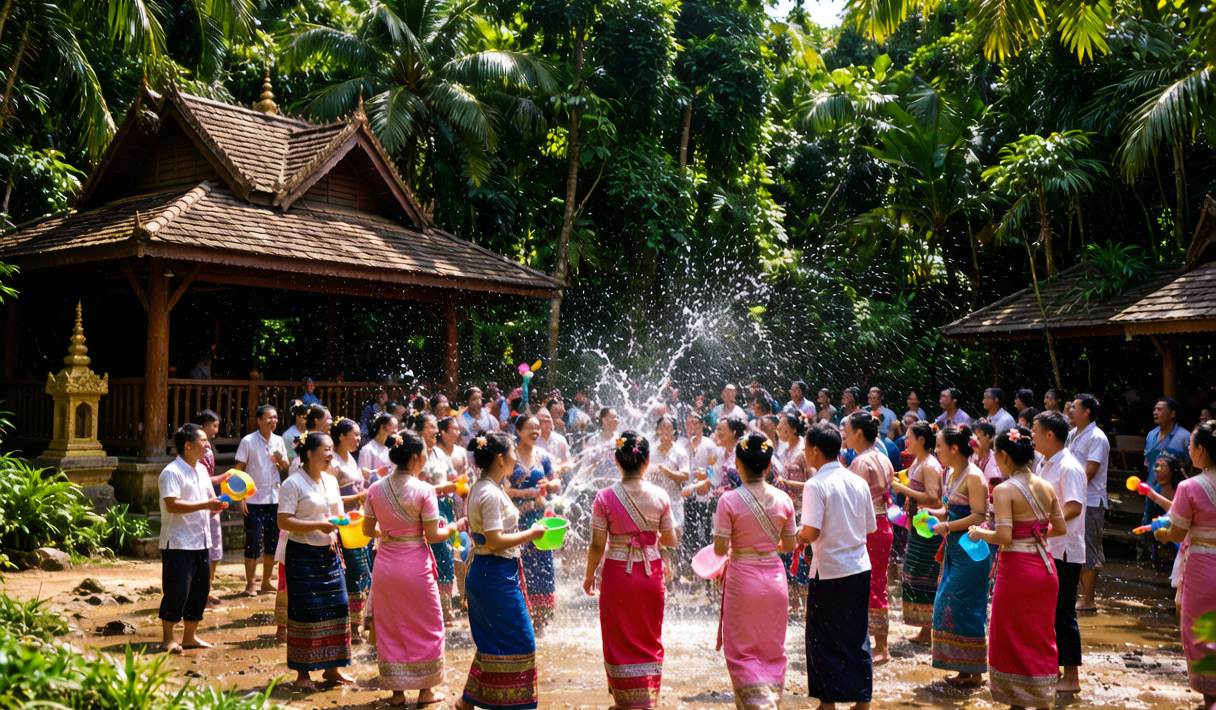
The best time to visit Xishuangbanna is the dry season from November to April, when temperatures are pleasant (20–30°C) and the humidity eases off. This is also when the Dai Water-Splashing Festival (usually mid-April) turns the streets into a joyful, soaking party — the region’s biggest event. The wet season (May–October) is lush and green but hot, with daily downpours that can disrupt travel, though hotel prices drop and the rainforest looks its best.
Avoid the worst of the summer heat if you dislike humidity, and book well ahead for the Water-Splashing Festival, as the hotels fill with domestic tourists. Mornings year-round are the coolest, calmest time to visit temples and markets. If you come for the festival, book lodging in Jinghong well in advance, because the whole region converges on the city for three days of water fights, concerts, and street food that runs past midnight.
How to Get There
Xishuangbanna has a growing airport and a new high-speed rail link that has made the south far easier to reach. For train schedules, check China Railway (12306).
- By air: Xishuangbanna Gasa International Airport (JHG) has direct flights from Kunming, Chengdu, and several other cities; a taxi reaches Jinghong, the main city, in about 30 minutes.
- By high-speed train: The line from Kunming reaches Jinghong in roughly 3–4 hours, making Banna an easy add-on to a Yunnan circuit without a flight.
- By road: Buses and private cars connect Banna with Pu’er and Mengla; border crossings to Laos exist but need the right paperwork, so plan ahead if you intend to leave China here.
Top Things to Do in Xishuangbanna
The Dai Temples and Manting Park
The center of any list of things to do in Xishuangbanna is the cluster of golden temples around Jinghong, especially the Dai-style shrine in Manting Park and the nearby Total Buddha Temple. Arrive early to hear the monks chant and watch locals offer lotus flowers, a calm, photogenic start to the day.
Xishuangbanna Tropical Botanical Garden
Run by the Chinese Academy of Sciences, this garden near Menglun holds thousands of tropical species across rainforest and lake. It is the best place to grasp the region’s biodiversity, with canopy walks and giant lilies that draw botanists and photographers alike. Allow half a day and bring mosquito spray.
The Night Market and Dai Food
As the sun sets, Jinghong’s riverside night market fills with grilled fish, sticky rice, and tropical fruit. It is the social heart of the city and the easiest place to meet locals over a cold drink. The market also sells handmade textiles and herbal remedies worth browsing.
Wild Elephant Valley and the Rainforest
North of the city, Wild Elephant Valley offers a chance to see Asia’s largest land mammal in a protected habitat, with marked trails and an observation tower. Even without an elephant sighting, the primary forest is a cool, leafy escape from the heat, and the butterfly garden nearby is a hit with families.
Where to Stay in Xishuangbanna
Stay in Jinghong for the most choice and walkable night markets; mid-range hotels run about ¥250–500 per night, and new resort-style properties on the city edge add pools and spa. For a quieter, more traditional stay, the Dai villages outside town offer homestays with home-cooked meals. Book ahead for the Water-Splashing Festival, when prices spike and rooms vanish, and pick a place within walking distance of the river for easy evenings. Riverside properties near the Lancang are pleasant for a sunset walk, though the city center remains the liveliest base for first-time visitors who want the night market only a few steps from the door.
Xishuangbanna Food and Local Specialties
Xishuangbanna food is the most Southeast Asian in China: lemongrass, coconut, sour bamboo shoots, and plenty of fresh-water fish. Don’t missDai-style grilled fish, pineapple rice, and the many tropical fruits that never reach northern supermarkets. Seek out sour bamboo-shoot hotpot and the pounded papaya salad that reveals the region’s close Lao and Thai kinship, then finish with sticky rice steamed inside a bamboo tube. For a wider sweep of the province’s kitchens, our best things to do in China guide links out to regional food roundups worth saving before you travel.

Xishuangbanna Itinerary
A Xishuangbanna itinerary of three to four days works well:
- Day 1: Arrive in Jinghong, explore the temples and Manting Park, night market in the evening.
- Day 2: Botanical Garden at Menglun, then back for riverside dining.
- Day 3: Wild Elephant Valley and a Dai village homestay experience.
- Day 4 (optional): Day trip to Mengla or a slow morning at the market before departure.
Many travelers combine Banna with Pu’er to the north for tea, or fly on to Kunming. Keep one buffer day in the wet season in case of storms.
Xishuangbanna Travel Tips
A few Xishuangbanna travel tips: the heat and mosquitoes are real, so pack light clothes, repellent, and a rain shell; temples require covered shoulders and removed shoes, so dress modestly. English is limited, a translation app is essential, and DiDi works for airport runs. The border areas need permits if you cross, and the night market is safe but crowded, so watch your belongings and drink bottled water. During the Water-Splashing Festival, treat every stranger with a water gun as a new friend, and keep a dry pouch for your phone and passport so the fun stays carefree.
FAQ
Is Xishuangbanna worth visiting for foreign tourists?
Yes — it is China’s most tropical, Buddhist, and festival-friendly corner, unlike anywhere else in the country.
Do I need a visa for Xishuangbanna?
Most foreign visitors need a Chinese visa; check current entry rules before travel.
How many days do I need in Xishuangbanna?
Three to four days covers the temples, garden, and elephant valley at ease.
What is Xishuangbanna most famous for?
Its Dai culture, rainforest, and the April Water-Splashing Festival.
Final Thoughts
This Xishuangbanna travel guide shows why the far south of Yunnan feels like another country: golden temples, rainforest, and a night market that hums until late. Time your visit in the best time to visit Xishuangbanna dry season for the most comfortable days. Use our Lijiang Old Town travel guide to contrast Banna’s tropics with Yunnan’s alpine old towns on one trip. The shift from misty rainforest to crisp mountain air is the real reward of linking the two.