

Dehong is Yunnan at its most unexpected: a strip of tropical lowlands along the border with Myanmar, where palm trees replace pine, where the dominant culture is Dai (closely related to the Thai and Shan peoples), and where the air carries the smell of mango and temple incense. Most foreign travelers in Yunnan never reach it, heading instead to the better-known south. That is their loss. Dehong is warm, laid-back, and culturally distinct — a place where China’s southwest edge feels genuinely like a frontier.
Best Time to Visit Dehong
The best time to visit Dehong is November through April, during the dry season. Humidity drops, temperatures sit in the high twenties, and the skies stay clear — ideal for temples, markets, and border-town wandering. May to October is the monsoon: lush and green, but hot and frequently drenched, with the occasional flood disrupting mountain roads. If you time it right, the Dehong Dai festivals in April — the Dai New Year, known locally as Water-Splashing Festival — are the region’s signature event, when streets turn into joyful, soaking water fights and the temples are at their most colorful.
How to Get to Dehong
Dehong’s main hub is Mangshi, which has an airport with flights from Kunming, Chengdu, and a few regional cities — often the easiest way in. There is no high-speed rail yet, so overland travel means bus or car from Kunming (a long day’s drive) or a flight. Ruili, the border town, has its own smaller airport too. Once in Dehong, local buses and taxis connect Mangshi, Ruili, and the smaller towns, though services thin out in the countryside. A car with a driver is the most flexible way to explore the scattered Dai villages and pagodas.
Things to Do in Dehong, Yunnan
The things to do in Dehong, Yunnan center on its two main towns and the culture between them. Mangshi is the relaxed capital, home to the striking Mengbanaxi Pearl Park and the enormous tree-encircled Buddhist pagodas. Ruili is livelier, a trading town where the border with Myanmar is never more than a few kilometers away, with jade markets, aport district, and a distinctly cross-border feel. Day trips reach Dai and Jingpo villages, hot springs, and the scenic banks of the Ruili River.
Mangshi Travel Guide Essentials
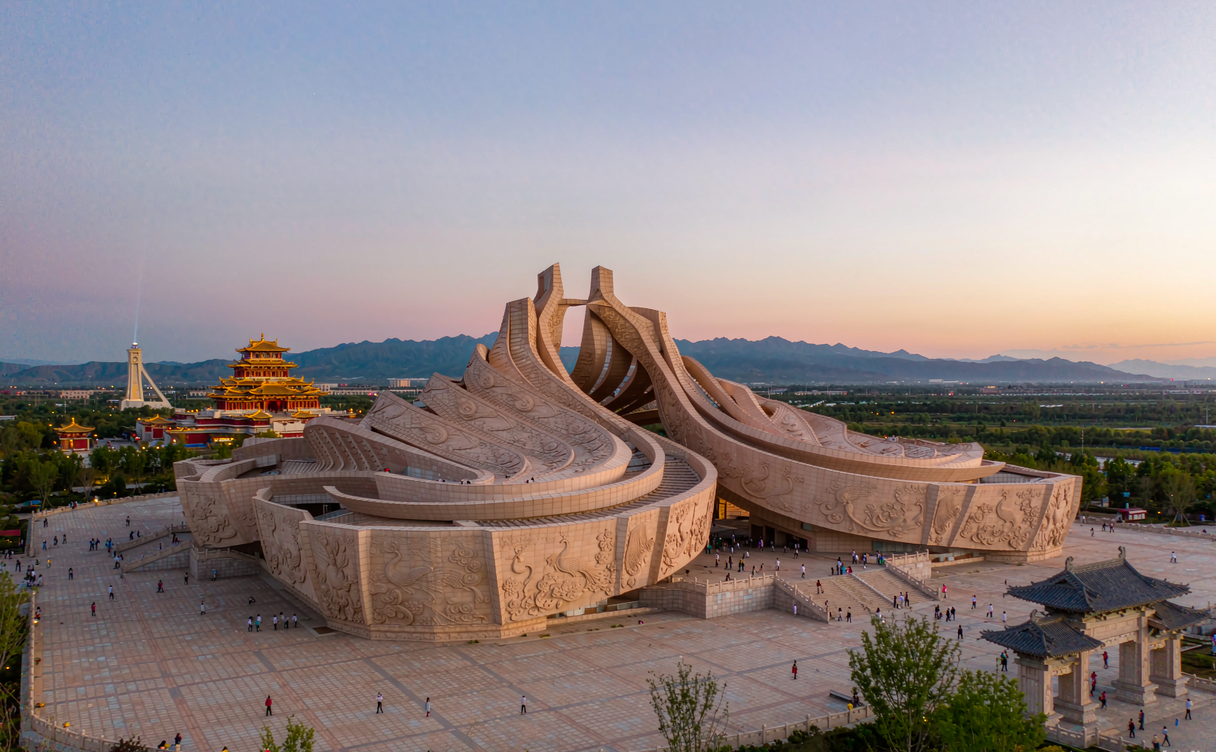
A proper Mangshi travel guide starts with the city’s golden pagodas. The Mengding Grand Pagoda and the nearby peacock-shaped monument are the postcard images, best photographed at dusk when the lights come on. The local Dai market is the place to eat and people-watch, and the surrounding countryside hides smaller stupas worth a half-day loop. Mangshi moves at a gentle pace — this is a town to wander, not race through.
Ruili Border Town, China–Myanmar
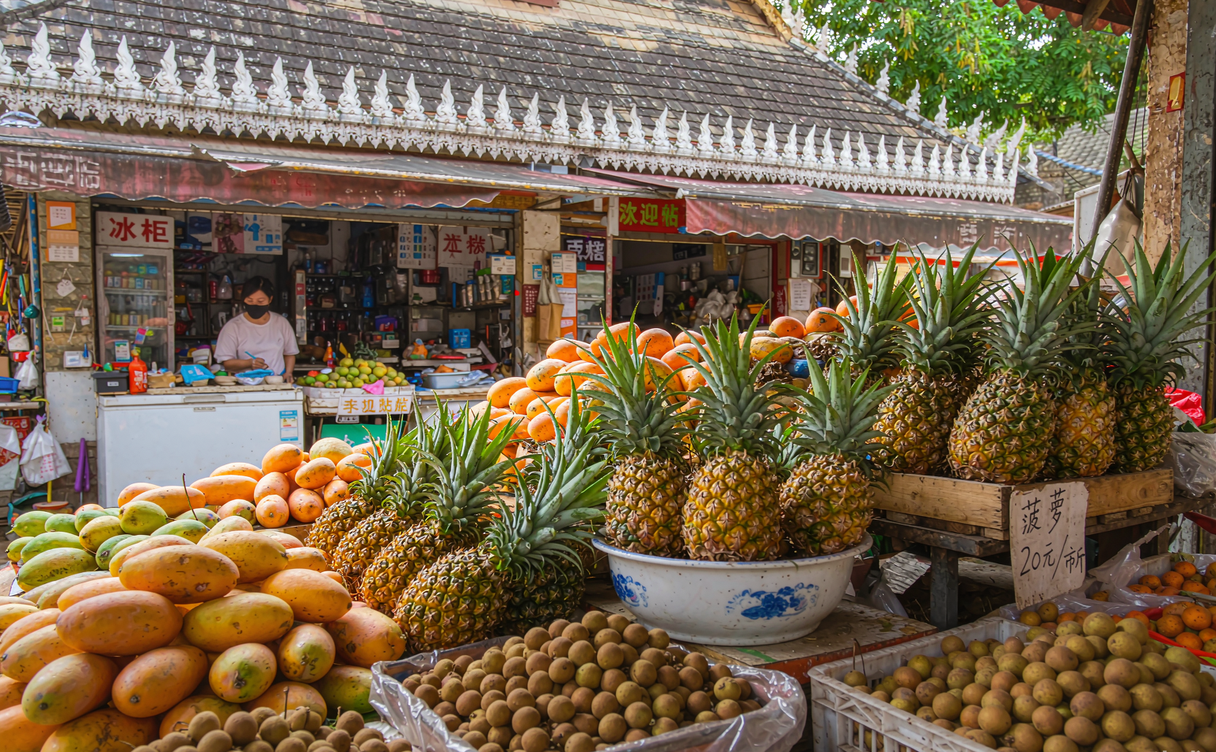
No Dehong visit is complete without Ruili border town, China–Myanmar, a place where two economies meet. The jade and gem markets are the obvious draw, but the real interest is cultural: Burmese language, food, and faces are everywhere, and the border crossings (for eligible travelers) hint at a wider regional world. Stay on the Chinese side, respect the port rules, and treat the town as a window rather than a transit point. The nearby One Tree Forest and the boundary markers make for an easy half-day outing.
Dehong to Kunming
A Dehong to Kunming trip is the standard entry or exit. Flying is fastest; driving is an adventure through rising terrain from tropics to plateau. Many travelers combine Dehong with the far south, and our Xishuangbanna travel guide covers the other great Dai region of Yunnan, while the Kunming travel guide anchors the route’s eastern end. For those driving the southwest, our China road trip guide has border-region driving notes, and the Mangshi travel guide and Ruili travel guide go deeper on each town.
A Dehong Travel Itinerary
A Dehong travel itinerary of four to five days works well. Day one: fly into Mangshi, settle, and see the pagodas at dusk. Day two: Dai market and a village day trip. Day three: transfer to Ruili, explore the jade markets and border district. Day four: One Tree Forest and the Ruili River, then a hot spring. Day five: fly or drive back to Kunming. Time your visit for April if festivals matter to you.
Where to Stay
Mangshi has the best range of hotels, from comfortable mid-range options near the center to a few characterful stays attached to temple complexes. Ruili leans toward practical trader hotels; book something central and clean. In the villages, guesthouses are basic — fine for an overnight but don’t expect luxury. The Yunnan rice noodles guide is handy for planning cheap, delicious meals wherever you stay.
Local Food
Dehong’s food is the tropical cousin of mainstream Yunnan cooking: more coconut, more sour, more lemongrass. Dai cuisine means grilled fish wrapped in banana leaf, sour bamboo-shoot soup, and sticky rice eaten by hand. Myanmar influence shows in the tea-leaf salads and the abundance of tropical fruit — mango, durian, and pomelo sold cheap at the markets. Rice noodles here take on a richer, spicier form than elsewhere in the province, and the night stalls of Mangshi are the best place to graze.
Getting around Dehong is easiest with a car and driver, since the Dai villages, pagodas, and hot springs are scattered and public transport is thin outside Mangshi and Ruili. Within the two main towns, taxis and e-bikes cover everything. A Mangshi travel guide worth its name also points you to the backstreets, where small temples sit between noodle shops and the pace slows to a stroll. If you want to see the rural side, a half-day loop through the surrounding Dai and Jingpo villages rewards with betel-nut groves, stilt houses, and the kind of unhurried hospitality that the border towns have traded away. The Ruili border town, China–Myanmar, by contrast, buzzes — and the contrast between the two is the real story of Dehong.
Because Dehong sits in the tropics, the rhythm of the day shifts early — markets peak at dawn and the afternoon heat sends everyone indoors until the cooler evening. Plan temple visits for the morning and lake or market wandering for the early evening, and the climate works for you rather than against you. The Dehong Dai festivals, especially the April water-splashing celebrations, are the one time to ignore this rule and simply join the happy chaos in the streets.
Why Dehong Stands Out
Dehong is where Yunnan stops being “Chinese” in the way most visitors expect and starts being Southeast Asian in feel. The Dai temples, the monsoon green, the border-town buzz — it all adds up to a corner of China that few foreigners see and even fewer forget. For travelers who want culture, warmth, and a sense of the country’s extraordinary diversity, it is a superb, off-the-radar choice.
For official practicalities on visiting Yunnan’s border regions, China’s Ministry of Culture and Tourism provides travel information at mct.gov.cn, useful for checking seasonal access and local regulations before you go.
Dehong does not fit the usual China narrative, and that is exactly why it matters. Spend a few days among its pagodas and markets and you leave with a wider, truer picture of what the country’s southwest actually contains.
When you finally fly out of Mangshi, the tropical heat lingers, and with it the sense that Yunnan still has corners waiting to be discovered.