

Liangshan is the part of Sichuan that the pandas-and-peppercorns travel brochures forget. Tucked in the south of the province, bordering Yunnan, it is a high, mountainous prefecture where the Yi (Nuosu) people form the cultural core and where a string of alpine lakes — chief among them Qionghai and Lugu — sit beneath ridgelines that glow at sunset. The gateway is Xichang, a relaxed city that most foreigners have never heard of, which is exactly why it is worth the trip.
Best Time to Visit Liangshan
The best time to visit Liangshan is spring (April to June) and autumn (September to November). The elevation — Xichang sits around 1,500 meters — keeps summers mild compared with the Sichuan basin, and the lakes are at their clearest in these shoulder seasons. July and August are warm and green, popular with domestic travelers escaping the heat, while winter is cold and sometimes grey over the lakes. If festivals draw you, aim for the Yi New Year (usually in November) or the summer torch festival, when the mountains light up with fire and dance.
How to Get to Liangshan
Xichang, the Liangshan capital, has an airport with flights from Chengdu and a handful of other cities, and a high-speed rail line now links it to Chengdu in around three hours — the easiest way in for most. From Kunming, the connection is slower but feasible by rail and road. Once in Xichang, local buses and taxis reach Qionghai Lake within minutes, while Lugu Lake is a longer mountain drive to the west. A car with a driver is the comfortable choice for the lake circuit, as public options thin out in the highlands.
Things to Do in Liangshan, Sichuan
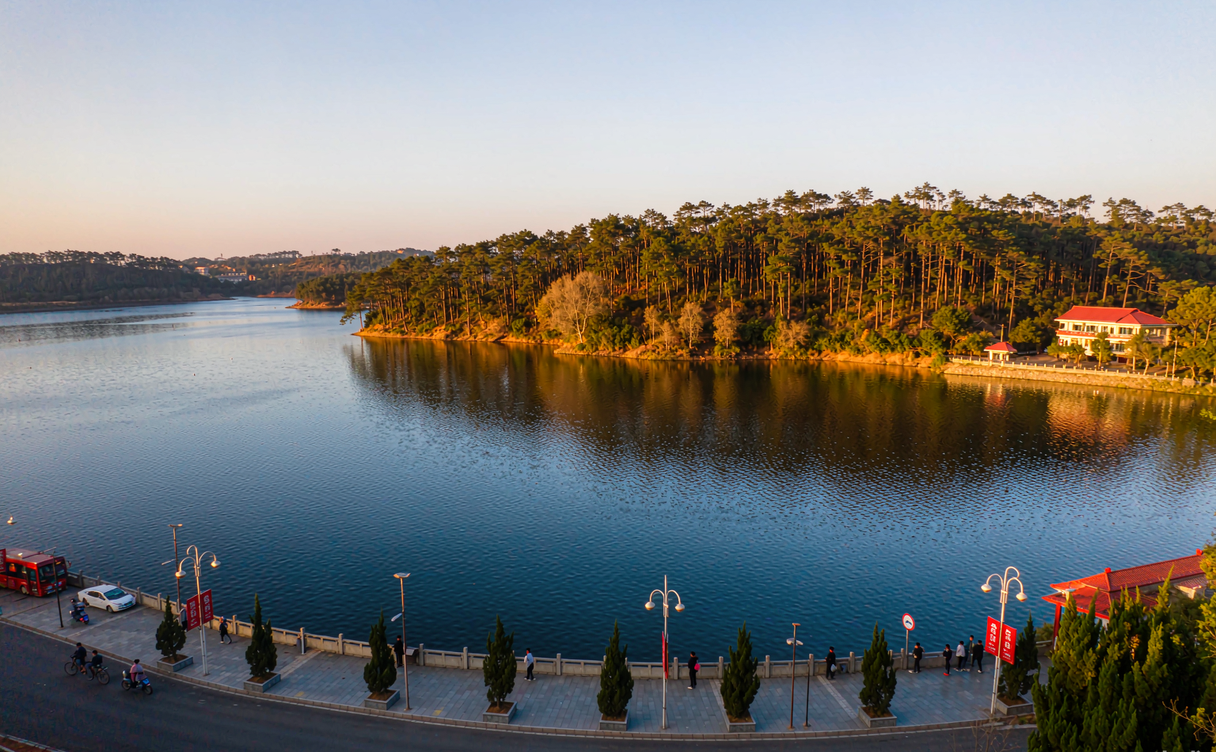
The things to do in Liangshan, Sichuan split between the city lake of Xichang and the high country to the west. In Xichang, Qionghai Lake is the centerpiece: a broad, reed-fringed lake with a lakeside promenade, bike paths, and fishing boats at dawn. The nearby Lushan Hill has temples and a sweeping view over the water. Out west, the Yi villages and the higher pastures show the region’s pastoral side, with terraced fields and stone houses.
Xichang Travel Guide Highlights
A solid Xichang travel guide covers the lake first and the town second. Rent a bike and circle part of Qionghai’s shore, pause at the wetlands for birdlife, and end at a lakeside teahouse. The old satellite-launch center on the city’s edge is a point of local pride (tours by arrangement). Evenings belong to the night market, where Sichuan-style skewers meet Yi smoked meats.
Lugu Lake, Liangshan
Lugu Lake, Liangshan is the region’s showstopper and one of the most beautiful bodies of water in southwest China. Shared with Yunnan, its Sichuan shore is quieter and framed by the Mosuo and Yi communities. Wooden boats, walking trails, and the famous “walking marriage” culture of the Mosuo make it a place to slow down for two nights at least. Sunrise over the water, with the mountains mirrored flat and still, is the kind of scene that justifies the long drive.
Liangshan Yi Festivals
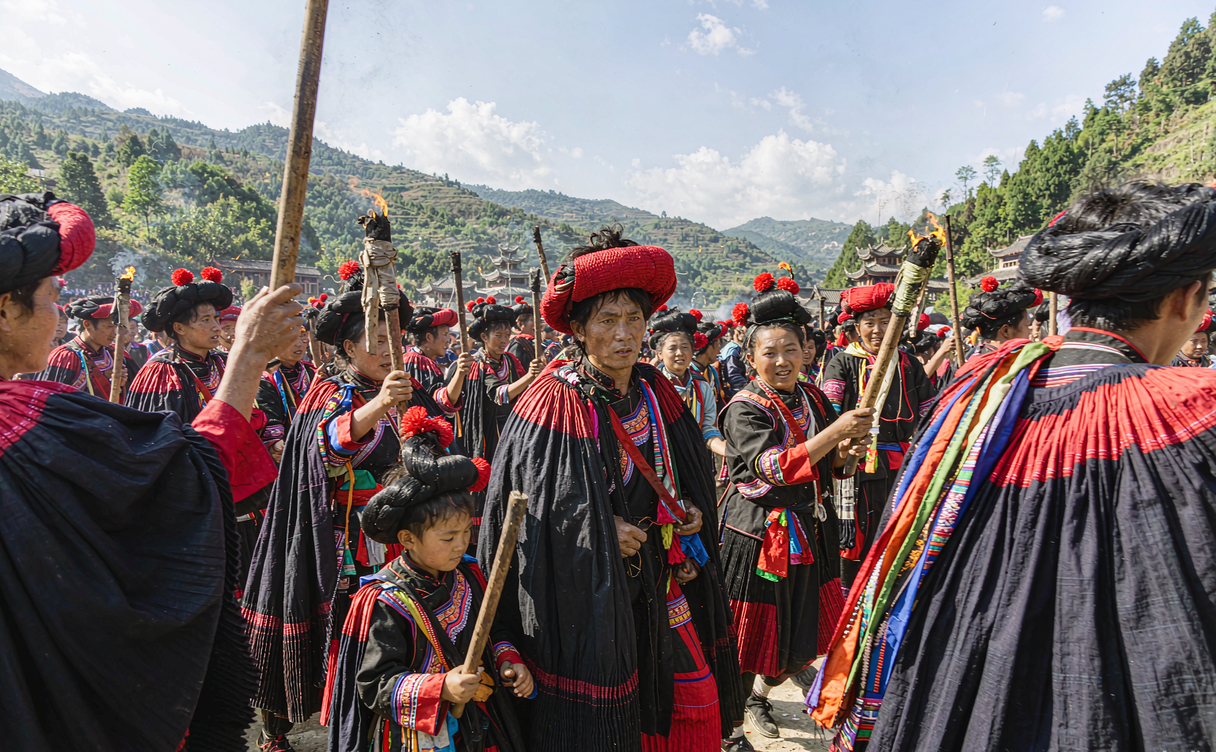
The Liangshan Yi festivals are the region’s social high point. The Torch Festival, held in midsummer, draws thousands to dance around towering bonfires, ride horses, and dress in embroideredtraditional clothing — a spectacle of sound and fire unique to the Yi highlands. The Yi New Year brings family feasts, sacrificial rites, and music. Timing a visit to either transforms an already lovely lake-and-mountain trip into something unforgettable. Our China summer destinations guide explains why highland Liangshan stays comfortable when the lowlands bake.
Xichang to Chengdu
A Xichang to Chengdu journey is now quick by high-speed rail, making Liangshan an easy add-on to a Sichuan trip. Chengdu is the natural base, with its food, pandas, and flight connections, while the Chengdu travel guide covers the hub in depth. The Kunming travel guide is the southern counterpoint, and the Lugu Lake Yunnan guide describes the lake’s other shore. For a greener Sichuan day trip, the Mount Qingcheng Chengdu guide pairs well with a Liangshan visit.
A Liangshan Travel Itinerary
A Liangshan travel itinerary of four to five days works well. Day one: rail into Xichang, lake promenade at dusk. Day two: Qionghai bike loop and Lushan Hill. Day three: transfer west toward Lugu Lake. Day four: a full day on the lake’s Sichuan shore. Day five: return via Xichang or onward to Kunming. Add a day if a festival is on.
Where to Stay
Xichang has the best lodging — comfortable lakeside hotels and central business options. At Lugu Lake, choose a lakeside guesthouse on the Sichuan side for quiet and sunrise views; book ahead in peak season. Yi village stays are basic but memorable for travelers who want the cultural immersion. The Yunnan rice noodles guide helps with cheap eats wherever you base.
Local Food
Liangshan eats from two traditions: Sichuan heat and Yi highland cooking. Expect numbing-hot hotpot, grilled lake fish from Qionghai, and Yi specialties like roasted goat, buckwheat cakes, and sour cabbage stew. The night markets mix the two effortlessly. Vegetarians will find tofu and wild greens, but this is meat-and-chili country at heart.
Getting around Liangshan is straightforward from Xichang, where bikes, buses, and taxis cover the lake and town, but the high country toward Lugu Lake needs a car or driver. The mountain road is slow and scenic, climbing through Yi villages and pine forest, so treat the transfer as part of the trip rather than a chore. A Xichang to Chengdu rail link makes the region easy to combine with Sichuan’s capital, but the quieter joy is simply staying put by Qionghai Lake for a day, watching the light move across the water. The things to do in Liangshan, Sichuan are best enjoyed slowly: one lake, one village, one long evening of Yi music is worth more than a packed checklist.
Practical note: at this altitude the sun is strong and nights cool, so pack a layer and sunscreen even in summer. The Liangshan Yi festivals, especially the torch festival, draw big domestic crowds, so book lodging well ahead if you time your visit to the fires. Lugu Lake, Liangshan rewards travelers who linger — two nights minimum lets you see both dawn and dusk on the water, when the mountains trade gold for deep blue.
Why Liangshan Rewards the Curious
Liangshan is not on the standard Sichuan route, and that is its strength. It offers a different rhythm — lakes instead of skyscrapers, Yi embroidery instead of teahouse opera, mountain silence instead of city noise. For travelers who have done Chengdu and want the province’s quieter, taller, more diverse side, it is a genuine discovery.
For official background on the region’s protected lakes and travel practicalities, China’s Ministry of Culture and Tourism provides information at mct.gov.cn, a useful reference when planning seasonal access and local transport.
Liangshan asks only that you slow down and look at the water. Do that, and Sichuan reveals a face most visitors never meet — high, clear, and quietly magnificent.
When you finally ride the rail north to Chengdu, the mountains of Liangshan stay blue on the horizon, a reminder that Sichuan is far bigger than its famous plains.