

An hour by high-speed rail from Beijing, Zhangjiakou is where the North China plain meets the Mongolian plateau — and where two very different trips begin. In winter, the Chongli district’s ski resorts draw powder seekers to slopes that hosted the 2022 Winter Olympics. In summer, the high Bashang grassland opens into a sea of amber grass and birch groves. This Zhangjiakou travel guide walks first-time visitors through both faces of the city, plus the frontier history that gives it character.
Why Zhangjiakou?
Zhangjiakou sits at a geographic crossroads. To the east lie Beijing and the Yan mountains; to the northwest rolls the Inner Mongolian grassland. Historically it was a frontier trading post where the Great Wall met the caravan routes, and the old gate at Dajingmen still stands as a reminder. Today it is best known for Chongli’s ski industry and for the cool, breezy Bashang plateau that offers Beijing residents an escape from summer heat.
If you are building a winter-focused China plan, our best winter destinations in China roundup places Zhangjiakou alongside Harbin and the northeast for cold-season travel.
How to Get to Zhangjiakou from Beijing by Train
Understanding how to get to Zhangjiakou from Beijing by train is the easiest part of the trip. The high-speed line from Beijing North or Qinghe to Zhangjiakou takes about one hour, with frequent departures. The China high-speed train guide for foreigners covers booking with your passport and the station security routine. From Zhangjiakou city you change to a regional bus or hired car to reach Chongli (about 45 minutes further into the mountains) or the Bashang grassland to the north (about two hours).
Things to Do in Zhangjiakou
1. Chongli Ski Resorts
The Chongli ski resorts are the region’s winter headline. Several linked areas — including Wanlong, Thaiwoo, and Genting — offer groomed pistes for every level, rental gear, and international-standard lifts and gondolas. The 2022 Olympic venues gave the infrastructure a major upgrade, and English signage at the big resorts is better than in many Chinese ski areas. Lessons are available, though foreign-language instructors should be booked ahead. Beginners will find wide, gentle slopes and patient ski-school groups, while advanced skiers can tackle longer fall-line runs and the terrain parks built for competition. Lift passes are sold by the day or multi-day, and most resorts bundle equipment rental at the base station so you can be on the snow within an hour of arriving.
2. Bashang Grassland Road Trip
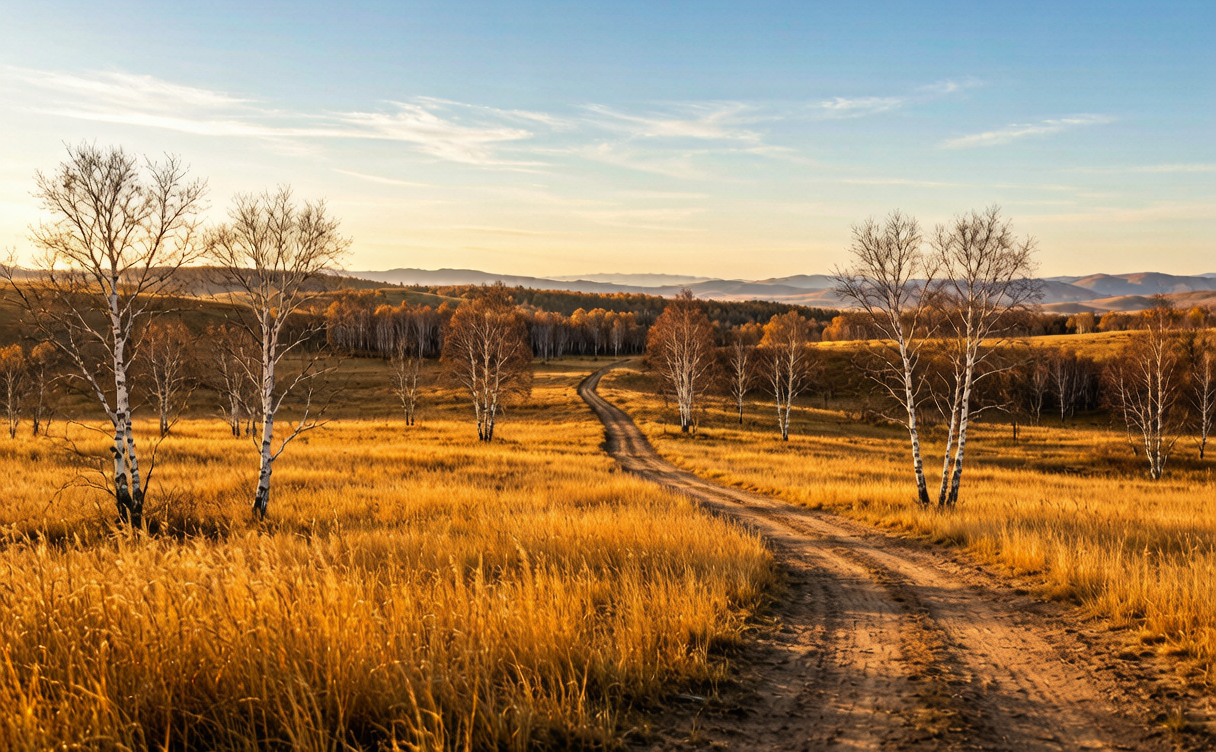
In the warmer months, the Bashang grassland road trip is the move. The plateau (also called Zhangbei grassland) spreads north of the city with rolling grass, scattered white birches, and seasonal flower blooms. A popular loop follows the “Grassland Sky Road” (Tianlu), a scenic drive with overlooks and yurt camps where you can try roast lamb and horseback riding. Self-driving or hiring a car for the day lets you stop at will; the light at dawn and dusk is spectacular. Along the way, small reservoirs and wind farms add to the open, frontier feeling, and a few family-run camps offer overnight stays in felt yurts so you can catch the Milky Way away from city light.
3. Dajingmen Gate and the Frontier Wall
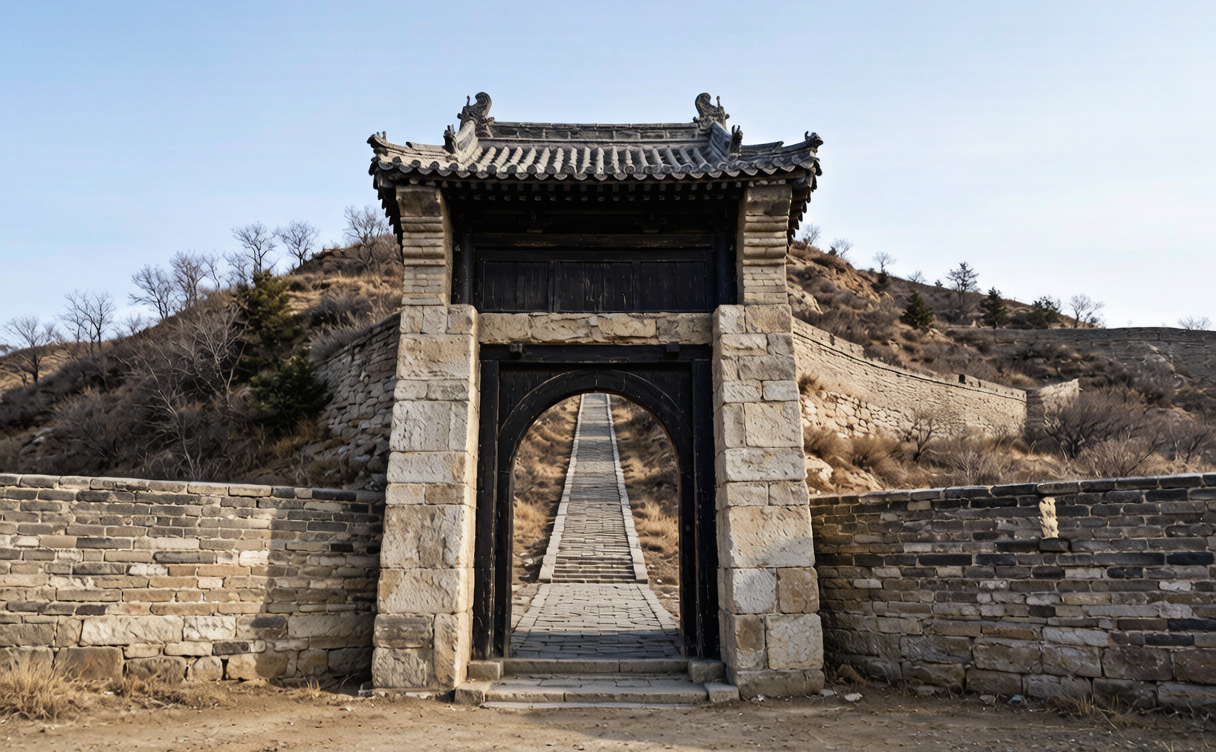
Back in the city, the massive Dajingmen gate is a stone arch set into a hillside section of the old frontier wall — a tangible piece of the Great Wall system where the northern and western ramparts met. Climb the wall for views over the valley and a sense of how strategic this crossing once was. It is a quieter, free alternative to the restored sections near Beijing. Carved characters above the gate read like a motto of the frontier, and the adjoining wall walk lets you picture the caravans that once passed through toward Mongolia. Visit late in the day when the low sun rakes the stone and the tour groups have gone.
4. Hot Springs and Summer Retreats
Because Zhangjiakou sits at altitude, summers are cool — a relief from Beijing’s humidity. Mountain lodges and hot-spring hotels around Chongli and the grassland make good base camps for hiking and photography even outside ski season. After a day on the Grassland Sky Road, soaking in a outdoor hot pool while the temperature drops is one of the region’s quiet pleasures, and several resorts combine lodging, dining, and spa in a single booked package that simplifies logistics for foreign visitors.
Best Time to Visit Chongli
The answer splits by interest. For skiing, mid-December through early March is the season, with January and February offering the most reliable snow. For the grassland, July and August bring green meadows and wildflowers but also the most visitors; September turns the grass amber and the crowds thin. Our best winter destinations in China guide explains how to pack and plan for cold-weather travel across the country.
A Suggested Zhangjiakou Itinerary
- Winter version: Day 1 train from Beijing to Chongli, afternoon on the slopes; Day 2 full ski day; Day 3 city Dajingmen and return.
- Summer version: Day 1 city and Dajingmen; Day 2 Grassland Sky Road drive and yurt stay; Day 3 return via the plateau.
Travelers heading west from Zhangjiakou often continue to Datong for the Yungang Grottoes and the hanging monastery, while those curious about wider steppe landscapes can read our Inner Mongolia Hulunbuir grassland guide for the far northeast of the plateau. North of the city, the grassland also shades into the cultural world of Inner Mongolia, and the best winter destinations in China roundup explains how Zhangjiakou fits a broader cold-season route.
Local Food: Lamb, Noodles, and Yurt Feasts
The food of Zhangjiakou straddles Han Chinese and Inner Mongolian styles. On the grassland, expect whole lamb roasted over open fire, eaten with flatbread and washed down with milky tea; in the city, knife-cut noodles and hearty mutton soups warm you after a day on the slopes. Chongli’s resort restaurants are pricier and more international, while the Dajingmen area has humble noodle shops favored by locals. If you have never tried Mongolian hotpot, a grassland yurt camp is a relaxed place to start.
Staying Warm and Packing Right
Because both the ski slopes and the plateau sit at real altitude, the temperature swing between noon and midnight is dramatic. Layers are essential: a windproof shell, insulating mid-layer, gloves, and a hat that covers the ears. Sunscreen and lip balm matter even in winter, since UV reflects off snow and the dry air chaps skin quickly. Good boots with grip are non-negotiable on icy resort paths and frosty grassland boardwalks alike.
Practical Tips for Foreign Travelers
- Altitude: Chongli and Bashang sit above 1,400 meters; the sun is strong and nights are cold even in summer.
- Transport: Buses to Chongli and the grassland exist but run on local time; a hired driver is simpler.
- Skiing: Book rental and lessons online ahead of peak weekends; bring your own helmet if picky.
- Cash: Small yurt camps and roadside stalls may not take international cards.
Zhangjiakou is the rare place that works in two opposite seasons. Ski Olympic-grade slopes in winter, then return in summer to drive a silent grassland road under an enormous sky — all within an hour of Beijing.
Sources
Travel and tourism information is published by the Zhangjiakou Municipal People’s Government: https://www.zjk.gov.cn/