

The yellow river china is the second longest river in the country, stretching about 5,464 kilometers from the Bayan Har Mountains in Qinghai province to the Bohai Sea. Known in Chinese as Huang He, this waterway is often called the cradle of Chinese civilization because early dynasties settled along its banks. It is also famously nicknamed “China’s Sorrow” because of the devastating floods and course changes that killed millions over the centuries. For travelers, the yellow river offers dramatic scenery, from the roaring Hukou Waterfall to the calm estuaries at Dongying. This guide covers its map and route, its true length, where the huanghe yellow river flows, why it earned its sorrowful nickname, and the best places to see it on a trip.
How Long Is the Yellow River?
The yellow river is approximately 5,464 kilometers (about 3,395 miles) long, making it the second longest river in China after the Yangtze and the sixth longest river system in the world. Its drainage basin covers roughly 752,000 square kilometers, an area larger than many countries. The huanghe china basin supports more than 100 million people and supplies water for farms, cities, and industry.
If you are comparing it with other famous waterways, the yellow river flow is shorter than the Yangtze but far more historically influential in the north of the country. Travelers who enjoy river adventures can pair a visit with guided trips described in our China river rafting guide, which explains safe ways to experience Chinese rivers.
Where Does the Yellow River Flow?
The yellow river flow begins on the northeastern Tibetan Plateau, specifically the Bayan Har Mountains in Qinghai province. From there it runs through nine provincial regions before reaching the sea. The nine are Qinghai, Sichuan, Gansu, Ningxia, Inner Mongolia, Shaanxi, Shanxi, Henan, and Shandong. It finally empties into the Bohai Sea near Dongying in Shandong.
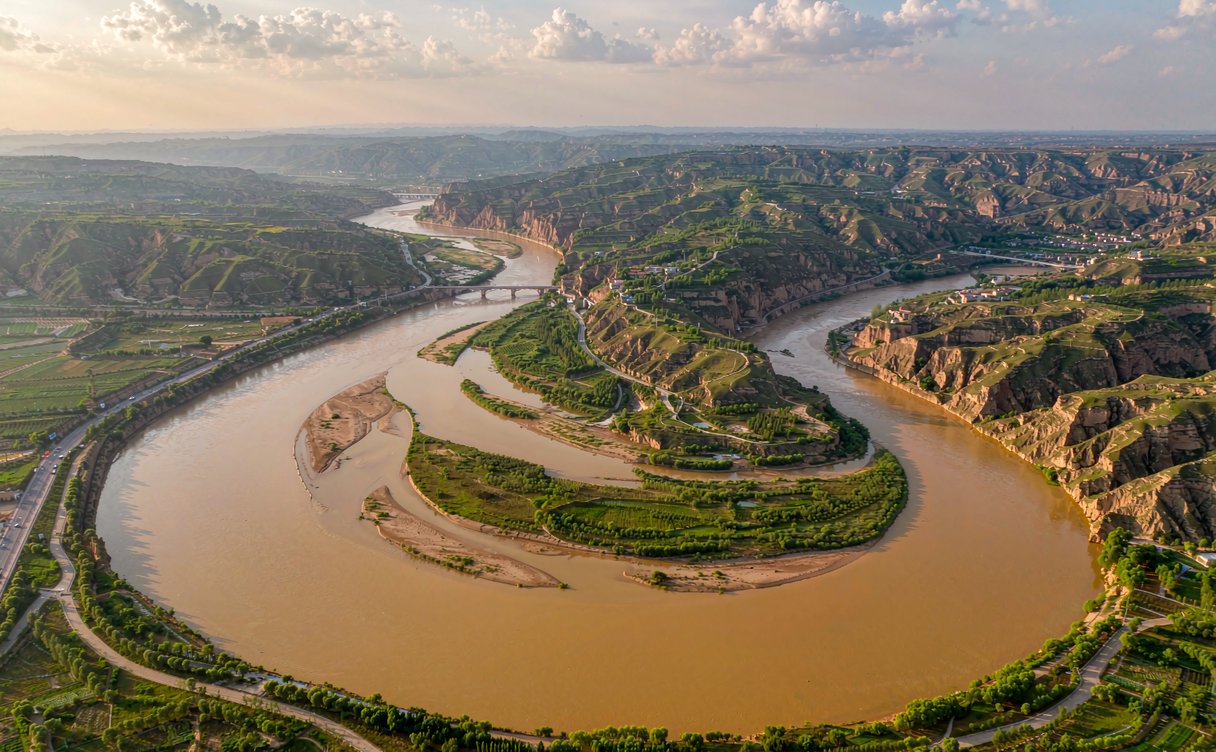
The journey of the huang ho river in china is usually split into three sections. The upper reaches run from Qinghai to the Ordos Loop and are relatively clear and fast. The middle reaches cut through the Loess Plateau, where the river picks up enormous amounts of yellow silt, giving china the yellow river its name and its distinctive color. The lower reaches cross the North China Plain, where the river drops most of its sediment and has built up a raised “river above the ground” in places.
A useful way to picture the route is on a map: the river first moves west to east, then turns north in a great loop through Inner Mongolia, then sweeps south and finally east again to the coast. For first-time visitors, our China travel guide for first-timers shows how to fit the Yellow River into a wider itinerary.
Why Is the Yellow River Called China’s Sorrow?
The nickname “China’s Sorrow” comes from the river’s long history of catastrophic flooding. Because the lower river carries so much sediment, its bed rose over the centuries until the channel sat above the surrounding farmland. When dikes broke, water swept across densely populated plains with little warning. Major floods in recorded history caused enormous loss of life, with some estimates suggesting millions of deaths across dynasties.
The huanghe yellow river also changed its course many times, sometimes shifting hundreds of kilometers and abandoning old channels entirely. These shifts destroyed villages, farmland, and transport routes. Modern engineering, including the Sanmenxia and Xiaolangdi dams, now controls floods far better than in the past, but the sorrowful name remains part of the river’s identity.
For travelers, the story adds depth to the landscape. Standing at the Hukou Waterfall, you are watching the same forceful water that shaped dynasties and legends. If you want more context on the country’s geography and people, see our best things to do in China for complementary destinations.
Best Places to See the Yellow River
The huanghe china can be enjoyed in several very different ways depending on which section you visit.
Lanzhou, the capital of Gansu, sits right on the river and offers an easy city view from the Zhongshan Bridge, sometimes called the first bridge over the Yellow River. A riverside walk here shows the calm upper-midsection character of the water.
The Hukou Waterfall, on the border of Shaanxi and Shanxi, is the most famous sight. It is the largest yellow waterfall in the world and the only one on the yellow river flow where the whole channel drops into a narrow gorge. The water turns a thick golden brown, which is exactly why the river is called yellow.
The estuary near Dongying in Shandong is a quieter destination, where the river finally meets the Bohai Sea and forms a vast wetland beloved by birdwatchers.
Timing matters. The best time to visit China is generally spring and autumn, and the same applies here: May to October gives the fullest water and the most dramatic Hukou flow, while winter can freeze parts of the river into strange ice sculptures.
Getting between these sites is easy by rail. Our China high-speed train guide for foreigners explains tickets, routes, and how to reach cities like Lanzhou and Zhengzhou efficiently.
FAQ: Common Questions About the Yellow River
Is the Yellow River the longest in China? No. The Yangtze is longer. The yellow river china is the second longest at about 5,464 kilometers, but it is often considered the more culturally important river in the north because the earliest Chinese dynasties rose along its banks.
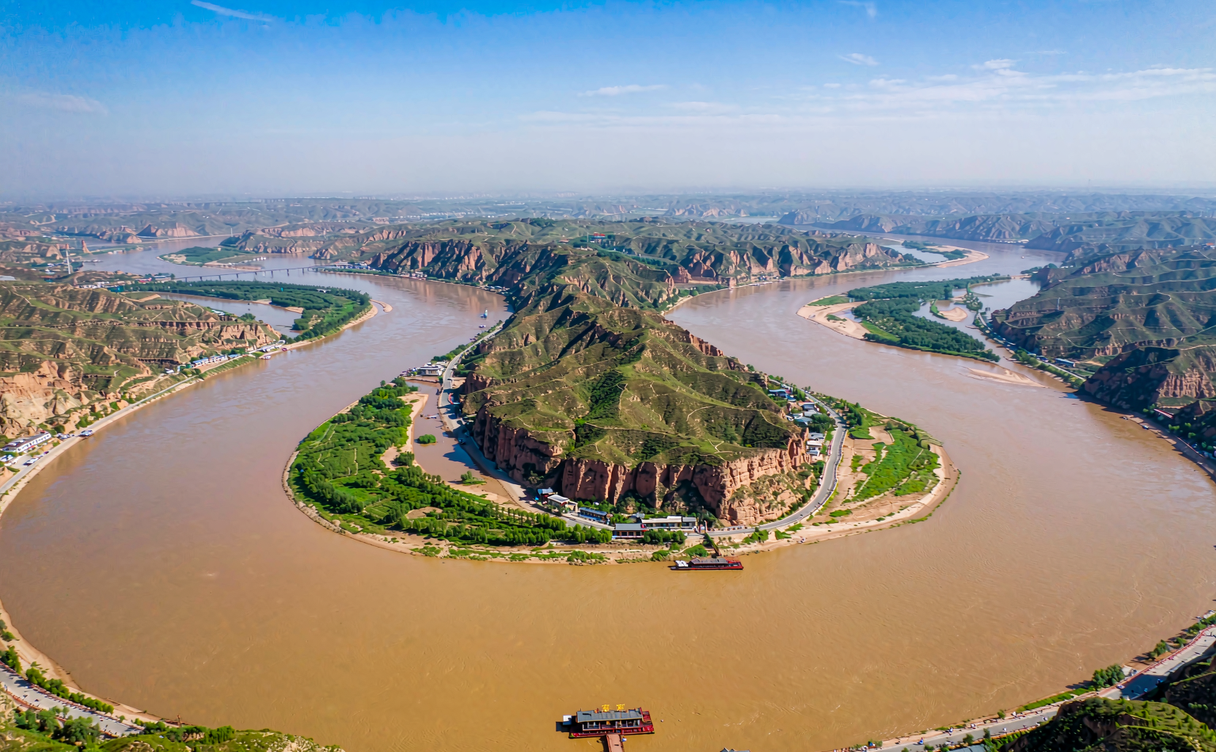
Why is the water yellow? The middle section cuts through the Loess Plateau and carries the highest silt load of any major river, coloring the water brownish yellow. In fact, the huanghe yellow river moves roughly 1.6 billion tons of sediment to the sea each year.
Can you visit the source? The source area in Qinghai is remote and high altitude, best for experienced travelers with permits and guides. Most visitors instead enjoy the middle and lower sections, which are far easier to reach by train and bus.
What is the best section for photos? Hukou Waterfall is the most photogenic and dramatic stop, while Lanzhou gives the easiest city access and the Dongying estuary offers wide natural wetlands.
Plan Your Yellow River Trip
The yellow river is both a natural wonder and a living museum of Chinese history. From its clear Qinghai headwaters to the silty plains of Shandong, it rewards travelers who take time to follow its course. Whether you want the power of Hukou or the calm of Lanzhou’s bridges, build the river into a broader China plan.
Ready to plan your trip? Start with our China travel guide for first-timers and map out your route today.
Want more ideas? Browse the best things to do in China to combine the Yellow River with other top destinations.
Book your rail seats early. Check the China high-speed train guide for foreigners before you travel.
For authoritative background on the river’s geography and history, see the overview at Yellow River on Wikipedia.