

Mainland China’s rivers run from gentle jade channels between rice paddies to violent gorges that have defeated armies. This China river rafting guide splits the country into the two experiences most visitors actually want: a calm float you can do half-asleep with a camera, and a white-water run that will have you gripping the rope. Both are easier to reach than you think, and both beat another afternoon in a shopping mall.
Start With the Li River
The most famous gentle float in China is the Li River, between Guilin and Yangshuo in Guangxi. The water is calm, the karst peaks rise straight out of the mist, and the standard trip is a bamboo raft or motorized boat that drifts for hours. It is touristy for a reason: the view is genuine, not staged. Our Guilin and Yangshuo travel guide covers how to book the stretch that suits you, because the full cruise and the short raft are different days entirely.
Li River rafting is the soft introduction — no skill, no danger, just a steady current and a landscape that has been on Chinese paintings for a thousand years. Go early; the mist is thickest at dawn and the tour groups arrive by ten.
White Water in the Gorges
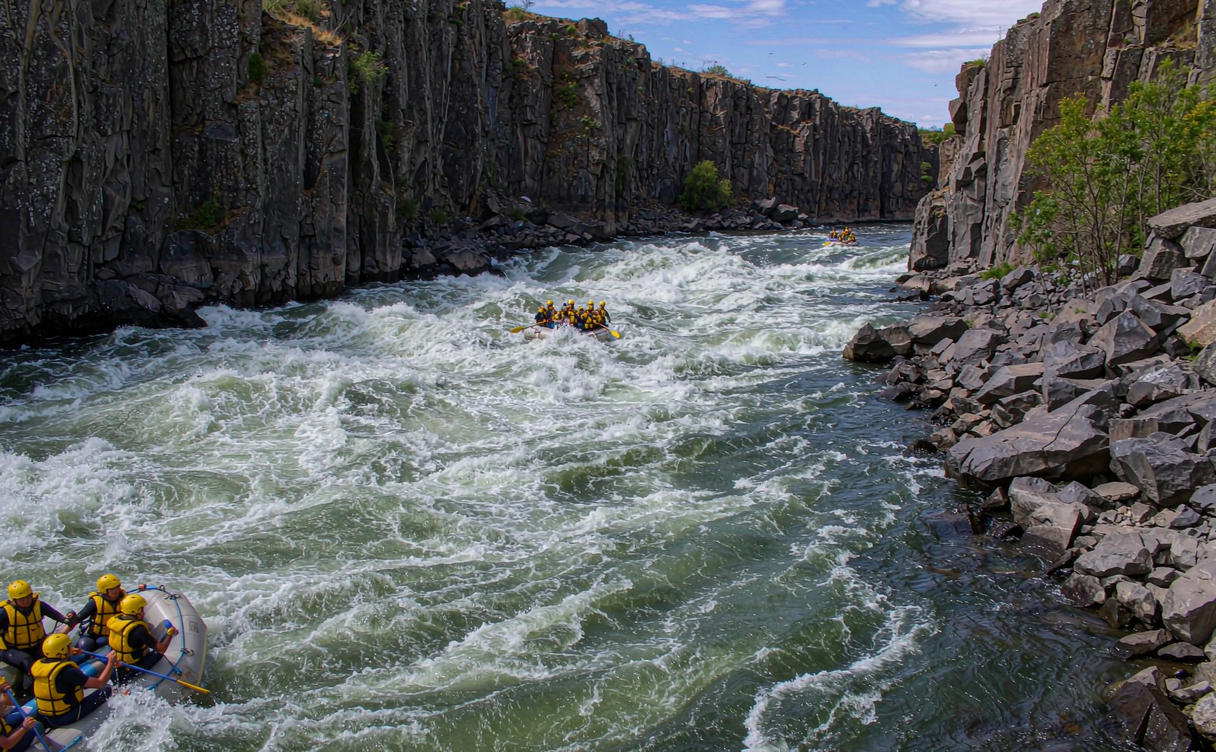
For the adrenaline version, head west. The rivers feeding the Yangtze gorges and the tributaries of Yunnan offer genuine Class III and IV water in the rainy season. Near Lijiang, the Yangtze narrows at Tiger Leaping Gorge, and while the gorge itself is a famous hike, the surrounding rivers host guided rafting trips in summer. The Tiger Leaping Gorge trek is worth combining with any rafting plan in the region, because the scale of the water from above prepares you for the scale from inside it.
Operators vary in quality, so book through a registered outfitter and confirm life jackets, helmets, and guides with rescue training. China’s adventure-tourism rules have tightened, but the burden of checking is still on you. The China hiking and treks guide lists comparable outfitters for land adventures if the water is low.
Best Rafting China, By Region
Beyond Guangxi and Yunnan, Sichuan’s rivers around Kangding and the Minjiang tributaries draw summer paddlers. Guizhou’s rivers, cooler and greener, suit those who want white water rafting China without the altitude. The northeast’s Yalu and Songhua rivers freeze or flood by season, so timing is everything. Our China national parks guide points to protected river valleys where outfitters cluster and the scenery is managed rather than mined.

The Karst and the Heritage
Much of what makes these rivers special is the limestone landscape around them. The UNESCO World Heritage list includes the South China Karst, the very terrain that frames the Li and many Yunnan rivers — a useful reminder that the scenery is protected, not accidental. Respecting those protections means sticking to marked launch points and not dumping gear or waste in the water.
When to Go
Season decides everything. Summer brings high, fast water and the best rafting trips China offers, but also crowds and storms. Spring and autumn give calmer floats and clearer photos. Winter shuts most white-water operations in the north while the south stays mild. The China summer destinations guide explains which river regions peak when, and how to avoid the worst of the holiday rush.
What to Pack
Quick-dry clothes, river sandals with straps, a dry bag for your phone, and a strap for your sunglasses. Sunscreen is non-negotiable on open water. If you are on a multi-day trip, a light rain shell and a change of clothes in the dry bag are the difference between misery and a good story. Most outfitters provide the boat and the safety gear; they do not provide common sense, so swim ability helps even on calm floats.
Combining With Old Towns
The best rafting regions sit next to great bases. Yangshuo has hostels, climbing, and an expat scene. Lijiang pairs river days with the Lijiang old town travel guide, a UNESCO-listed old town of canals and Naxi architecture that is perfect for a sore-muscle recovery evening. Build your rafting as a day or two inside a longer stay rather than a standalone sprint.
Safety deserves a plain word. Chinese rafting has grown fast, and not every operator is equal. Check that the company is licensed, that the guide speaks enough of your language to give commands, and that weather plans are clear before you push off. The water is beautiful and indifferent; your job is to respect it.
A China River Adventure, Your Way
The phrase China river adventure covers a huge range, from a grandmother on a bamboo raft to a guide yelling “paddle left” as the raft drops into a roller. Decide which version is yours before you book, because the regions and the seasons that suit them are different. Calm floats favor Guangxi and the lower Yangtze; serious white water favors Yunnan and Sichuan in high summer.
Whatever you choose, book the rafting early in your trip, not the day before you fly home — swollen rivers and cancelled departures are real, and you want a weather buffer. A missed rafting day is recoverable; a missed flight is not.
Beyond the Boat
Rivers are also the easiest way to meet the country sideways. A float past a village means waving at kids doing homework on the bank; a put-in near a market means dumplings before you launch. The national parks guide and the hiking guide together open the valleys around these rivers for walking days when the water is low.
Safety on the Water
A few rules keep a China river adventure from turning ugly. Always wear the life jacket, even on calm floats where locals may skip it; the current is stronger than it looks. Tell someone your launch point and expected return, and never raft unknown water alone. After heavy rain, rivers rise fast and change character within hours, so check the local forecast that morning rather than trusting yesterday’s conditions. If a guide seems careless or a boat looks worn, walk away — there is always another outfitter, and no photo is worth a risky launch.
Family and First-Timers
Calm floats like the Li River are ideal for families and absolute beginners; white-water sections are not, and should wait until everyone is comfortable on easier water. Children on bamboo rafts should wear the provided life gear and stay seated. First-timers often underestimate the sun and the cold spray, so layer and drink water even when you do not feel thirsty. The reward for caution is a trip you can repeat; the penalty for skipping it is a story told from a hospital bed.
Choosing an outfitter wisely is the whole game. Ask to see the equipment, confirm the guide’s certification, and read recent reviews rather than the glossy ones on the company’s own page. A good operator briefs you on signals and self-rescue before you launch and stays within sight the whole way down. The difference between a memorable trip and a miserable one is rarely the river — it is the person holding the other end of the rope.
Finally, respect the water and the villages beside it. Take out everything you bring, tip the local boatmen who help you, and ask before photographing people on the bank. The rivers are someone’s backyard, and a considerate visitor is one invited back. China’s waterways are vast and varied, and the ones worth rafting are the ones still clean enough to fall into.
Rafting in China rewards the traveler who plans the logistics and then lets the current do the rest. Pick the right river for the right season, trust a licensed guide, and you come home with a story that starts, as the best travel stories do, with cold water and a bad decision that turned out fine.