

Yangjiang lies on the western coast of Guangdong, far enough from Guangzhou to feel like a proper escape but close enough for a long weekend. The city is best known for Hailing Island, a calm sandy island with some of the cleanest swimming beaches in the province. It is also home to one of China’s most unusual museums, built around a shipwreck pulled from the South China Sea. This Yangjiang travel guide covers the beaches, the museum, and the seafood that ties the whole visit together.
It is written for foreign travellers who want a beach break with a bit of history, and who would rather explore on their own than join a coach tour. Yangjiang is easy, relaxed and well set up for visitors who like good food at the end of a swimming day.
How to get to Yangjiang from Guangzhou
The high speed train from Guangzhou reaches Yangjiang in about two hours, with frequent departures through the day. The station sits on the mainland, and from there a bus or taxi takes you across the bridge to Hailing Island in roughly 40 minutes. If you are starting a wider Guangdong trip, our Guangzhou travel guide explains the hub most travellers use to enter the region, and it pairs well with a few days on the coast.
Driving is also practical if you want to explore the smaller beaches and the coastal villages at your own pace. The highways are smooth and the island is easy to navigate, though the bridge toll and parking add a little to the cost. During summer weekends the island gets busy with visitors from the Pearl River Delta, so an early start helps.
Hailing Island and the beaches
The Hailing Island beach guide starts with Zhapo, the main resort strip on the southern shore. The sand is pale and the water is clear enough for long swims, with a wide shallow shelf that suits families. A promenade runs behind the beach lined with seafood restaurants, rental shops and evening snack stalls. It is lively in season and quiet in the cooler months.
A short distance away, the ten mile silver beach, known locally as Yintan, is the longer and quieter stretch. It lives up to the name at sunrise, when the wet sand reflects the light and the crowds have not yet arrived. If you want the calmer side of island life, base yourself here rather than at Zhapo.
The western tip of the island holds the Mawei lighthouse and some rocky headlands good for an afternoon walk. Our China beaches guide compares Hailing with other shoreline stops across the country, and our China ferry island hopping guide covers how to reach the smaller islands nearby if you want to extend the coastal theme.
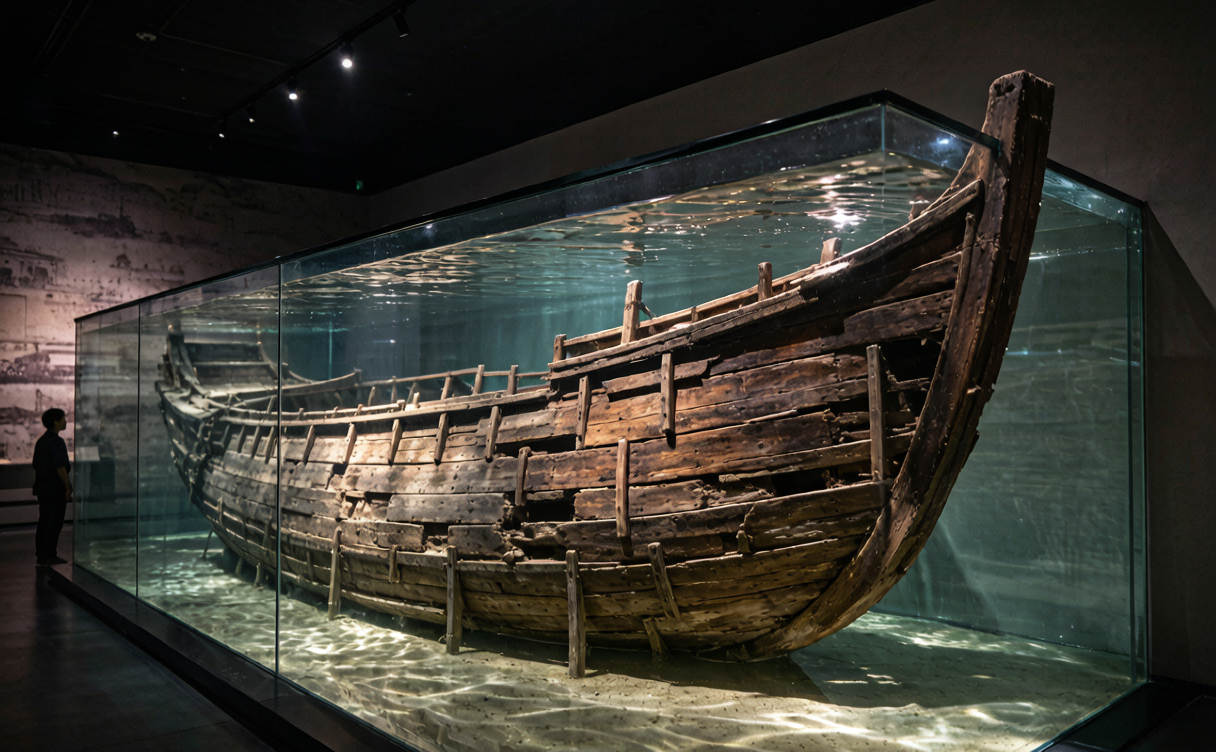
The Maritime Silk Road shipwreck museum
The single best reason to break your beach routine is the Maritime Silk Road museum Yangjiang, built on the island around the wreck of a Southern Song dynasty cargo ship. The vessel, nicknamed Nanhai No. 1, was raised from the seabed in one piece inside a steel cage and is now displayed in a hall filled with seawater so the timber stays preserved. Around it sit tens of thousands of recovered objects: porcelain, coins, iron goods and the personal items of the crew.
The museum tells the story of a trading route that linked China with ports across Southeast Asia and the Indian Ocean centuries before European ships arrived. The displays are labelled in Chinese with some English panels, and the scale of the wreck is genuinely impressive even if you skip the fine detail. Allow two to three hours, and go in the morning before the tour groups fill the central hall.
This is one of the more unusual things to do in Yangjiang, and it rewards visitors who like history delivered through objects rather than through rebuilt sets. Photography inside is restricted near the wreck itself, so keep your camera ready for the building and the coastline instead.
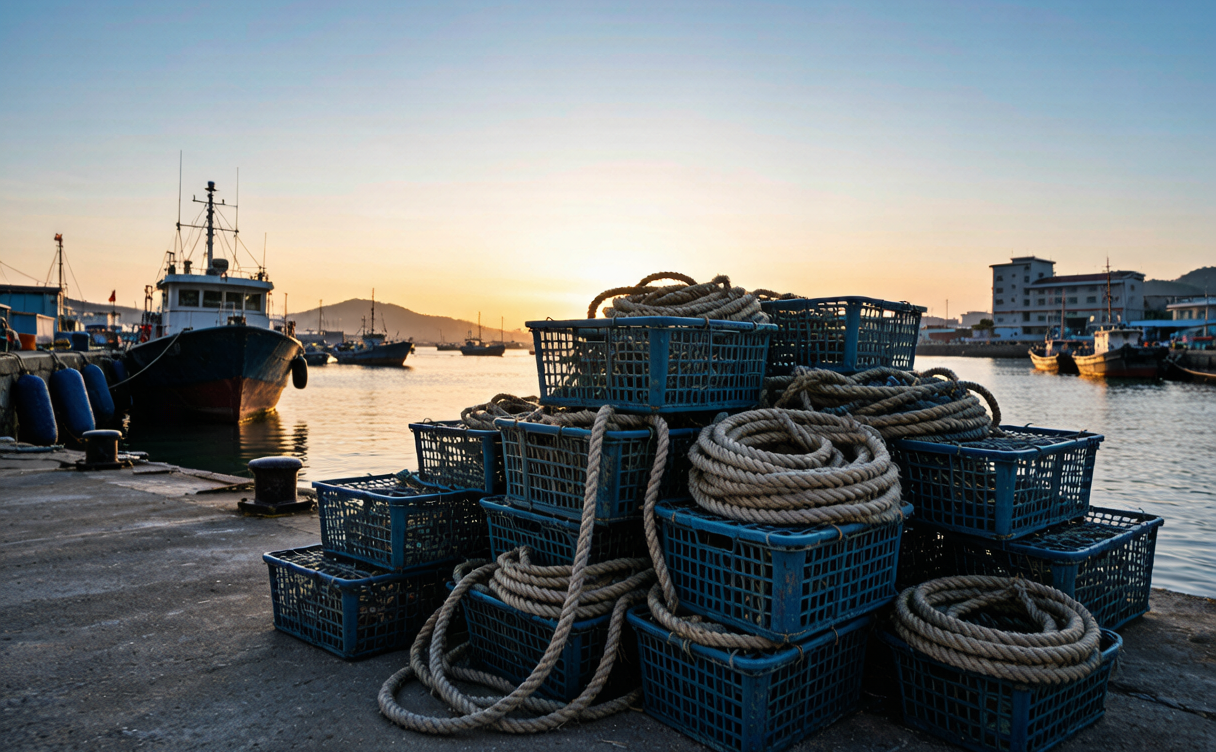
Seafood and the local markets
Yangjiang eats from the sea, and the Yangjiang seafood market at Zhapo is the place to see it properly. Boats land their catch at the small harbour each morning, and the stalls behind it sell crabs, prawns, groupers and shellfish by weight. Pick what you want and take it to one of the cooking restaurants nearby, which will prepare it for a modest fee. A meal of steamed crab, stir fried clams and a plate of local greens rarely costs much and tastes better than anything on a fixed menu.
Beyond the market, the city has a few dishes of its own. Yangjiang is known for a fermented bean paste used in braises, and for rice noodles served in a light seafood broth. The Guangzhou dim sum guide explains the wider Cantonese table if you want to understand how the morning tea tradition fits the regional food culture you will meet here.
For context on the maritime trade the museum describes, the UNESCO world heritage list includes several Silk Roads sites at https://whc.unesco.org/en/list/1442/, which helps frame the scale of the exchange the shipwreck represents.
A sample three day plan
Day one is travel from Guangzhou and an afternoon on Zhapo beach. Day two splits between the shipwreck museum in the morning and a slower swim at Yintan in the afternoon, with the seafood market for dinner. Day three leaves room for a headland walk or a ferry to a nearby islet before the train back north.
That rhythm keeps things simple and leaves the evenings free for long meals by the water. Yangjiang is not a place that demands a packed schedule.
When to visit
The warm season from May to September is best for swimming, with the sea at its calmest and warmest, though July and August bring crowds and the occasional typhoon warning. The cooler months from October to April are pleasant for walking and eating, with bracing but swimmable water early in the period. If you want the beaches to yourself, aim for a weekday outside school holidays.
Practical notes
Mobile payment is the norm, and foreign cards seldom work with local apps, so carry cash for markets, small stalls and entrance fees. English is limited on the island, so a translation app helps at restaurants and the museum desk. Buses run from the train station to the island, but once there a rented scooter or taxi is the easiest way to move between beaches.
If you want a cooler contrast to the coast, our China summer destinations guide lists mountain and highland escapes that pair well with a hot beach stay. For travellers coming from the far west of the province, our Zhanjiang travel guide covers the next coastal city down the coast, useful if you plan to travel along Guangdong’s shore rather than double back to Guangzhou.
Yangjiang will not overwhelm you with sights, and that is part of its charm. It offers a clean island, a genuinely fascinating museum, and seafood that justifies the trip on its own. For a few days of sand, history and good eating within easy reach of Guangzhou, it is one of the more satisfying short breaks in southern China.