

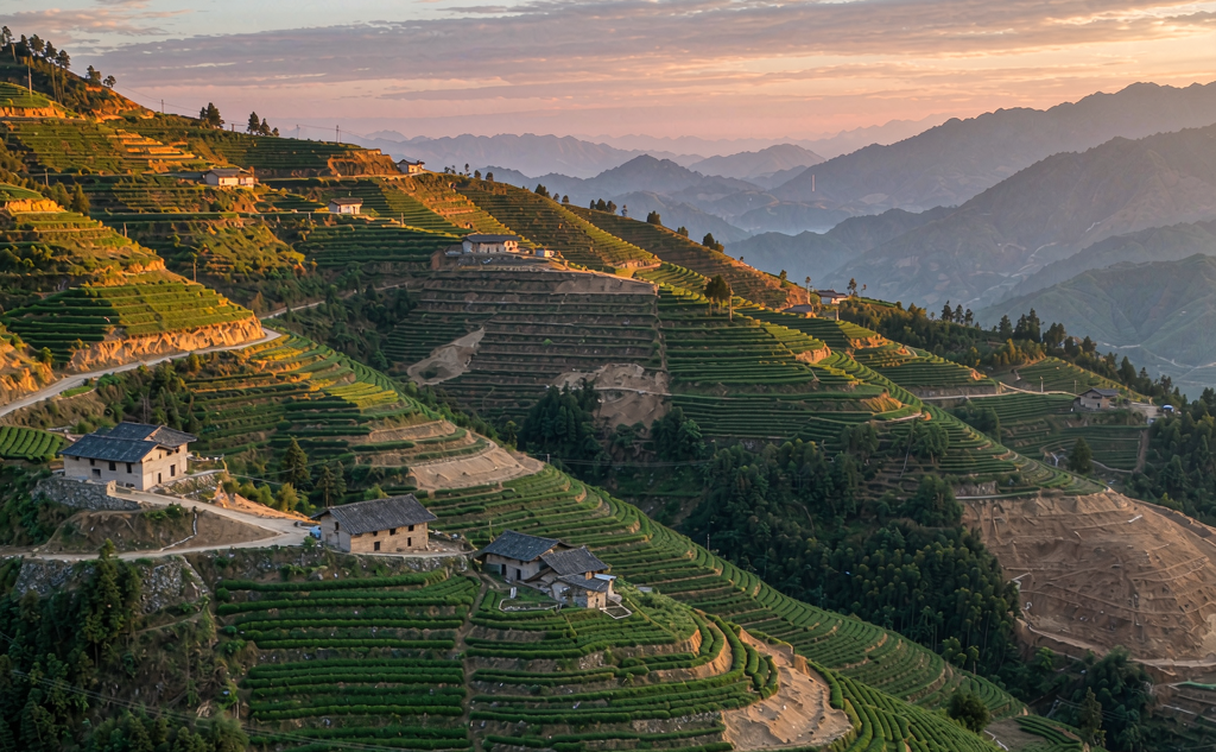
Xinhua (新化) is a county in central Hunan Province that most foreign travelers have never heard of—and that is exactly why we love sending people there. Its claim to fame is the Ziquejie terraces, a vast hand-built system of rice fields carved into misty mountains over more than a thousand years. On our last visit in early May, we watched water-filled terraces mirror the dawn like broken glass, then hiked a ridge where a local farmer explained the irrigation tricks his family has used for generations. This guide collects the practical, first-hand details we give clients—real prices, the best months, how to arrive, and the honest caveats.
Why Xinhua deserves more than a passing glance
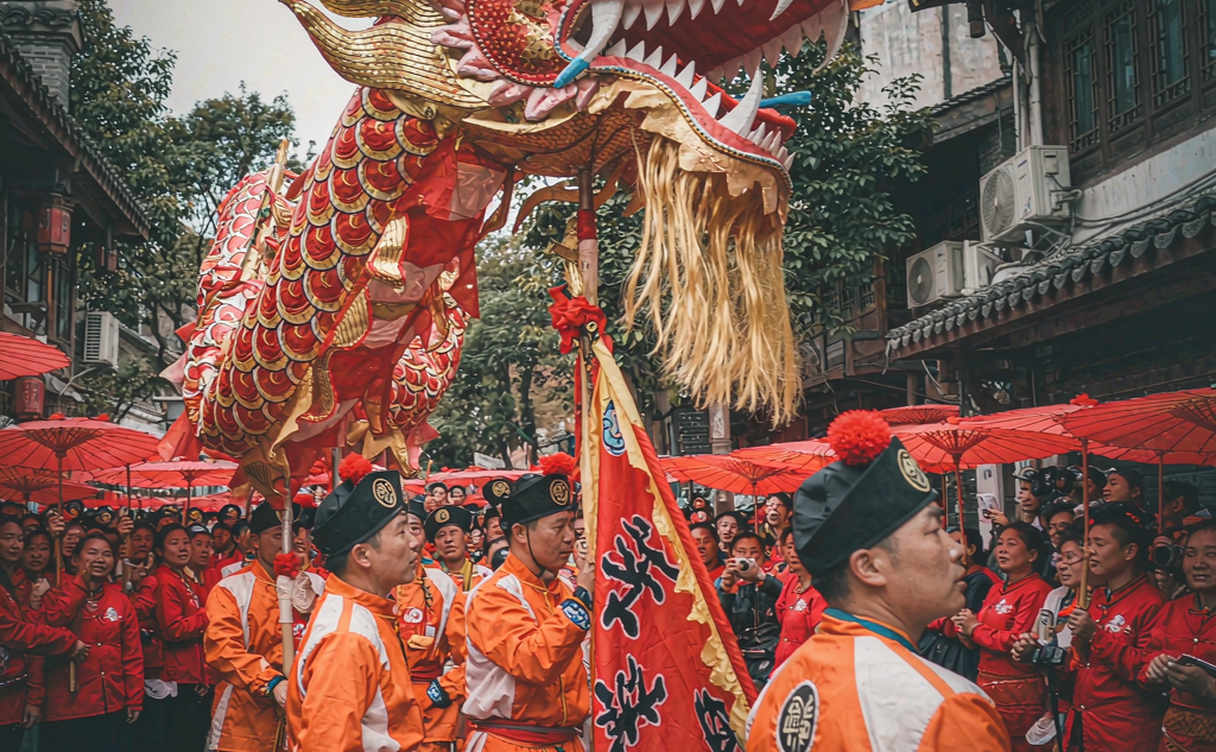
Hunan is known for Changsha’s food and Zhangjiajie’s peaks, but Xinhua offers something slower and older. The Ziquejie terraces are not a single viewpoint; they are a working landscape where people still farm by hand, and the Meishan culture here—a blend of Han and local traditions with dragon dances and mountain rituals—adds a layer most tourists miss. We have sent photographers, hikers, and culture-curious travelers here and the feedback is consistent: peaceful, authentic, and surprisingly easy to reach. If you want a rural counterpoint to Hunan’s cities, this is it.
Best time to visit Xinhua
The terraces change character with the seasons, and each has a fan. The most photogenic window is late April to early June, when the fields are flooded and reflect the sky—this is what most of our clients come for. A second excellent window is September to early October, during the rice harvest, when the terraces turn gold and the air smells of cut grain. We suggest avoiding mid-summer (July–August), when heat, humidity, and sudden thunderstorms make hiking unpleasant, and the fields are simply green. Winter is cold and quiet, with occasional frost on the ridges, good for solitude but limited services. Daytime spring temperatures run 18–26°C; pack a light rain jacket because mountain weather shifts fast.
How to get to Xinhua
The easiest hub is Changsha. From there, the high-speed train to Xinhua South station takes about 1.5–2 hours and costs ¥80–130 ($12–19) in second class, with frequent departures through the day. From Xinhua town to the Ziquejie terraces is another 1.5–2 hours by road; county buses run for ¥20–30 but are slow, so most of our clients hire a car (¥250–400 / $36–58 for a half day) for the flexibility. Self-driving is fine if you have read our China road trip guide, though the final mountain road to the terraces is narrow and winding. Flights into Changsha are plentiful, and our Changsha travel guide explains the airport and onward connections in detail.
Things to do in Xinhua
The headline is the Xinhua Ziquejie terraces themselves: walk the ridge paths, visit the small folk museum in the scenic area (¥80–100 / $12–15 combined entry including shuttle), and watch the sunrise from one of the designated viewing decks. We have found that hiring a local guide (¥100–150 for half a day) unlocks the best family-run viewpoints not on the standard loop. Beyond farming, the Xinhua Meishan dragon tradition surfaces in seasonal performances and temple fairs; ask the visitor center what is on during your dates. For a wider Hunan plan, the Zhangjiajie travel guide and the Fenghuang ancient town guide are natural add-ons, both within a few hours by rail.
A practical Xinhua travel itinerary
A relaxed two-day version works best. Day one: morning train from Changsha, afternoon exploring the lower terrace villages and a folk performance if available, overnight in a terrace-side guesthouse (¥180–350 / $26–51; a few design-minded lodges run ¥500–700). Day two: pre-dawn start for sunrise, a guided ridge hike, then return to Xinhua and an evening train back. If you want a fuller province loop, our China hiking treks guide lists other trails nearby, and the Shaoshan travel guide adds a patriotic stop between Changsha and the west.
Practical tips and honest caveats
The terraces sit at 500–1,200 m, so altitude is a non-issue, but the paths are steep and can be slippery after rain—wear proper shoes. Mist is beautiful but can hide the view for hours; we have had clients miss sunrise entirely on a cloudy May morning, so build a second dawn into your plan if photos matter. Mobile coverage is decent at the main decks but weak on the back ridges, so download maps. Food in the scenic area is simple and a little pricey; eat in the county town for better value. And book terrace-side lodging ahead for May and October, the two peak windows, when the best rooms sell out.
Terraces, water, and the land
The Ziquejie system is a remarkable feat of traditional engineering, part of the broader story told by Wikipedia’s terrace agriculture entry, which explains how hillside farming controls erosion and water. Here the genius is in the gravity-fed channels that move water between levels without pumps—something a local farmer proudly showed us on our last visit. Understanding this makes the view more than pretty; it becomes a thousand-year conversation between people and slope. We encourage clients to ask villagers about the “fish-duck-rice” rotation, where fish and ducks are raised in the flooded fields to fertilize and pest-control naturally.
Where to eat and sleep
Xinhua town has a solid Hunanese food scene: spicy stir-fried pork (¥28–45), smoked tofu (¥15–25), and the famous Hunan chili dishes that pair with plain rice to cool the heat. Our Changsha food guide is the place to prep your palate before you go. In the terrace villages, guesthouses serve family-style dinners (¥40–70 per person) of farm vegetables, free-range chicken, and river fish. Stay overnight on the mountain if you can—the dawn walk from your door beats a 5 a.m. transfer from town, and the night sky away from city light is genuinely stunning.
Extending your trip through Hunan
Xinhua sits neatly between Changsha and the west, so it is easy to combine with the province’s headliners. From here you can rail north to Zhangjiajie’s sandstone pillars, southeast to Fenghuang’s riverside old town, or simply linger in Changsha for the food and nightlife. We usually advise first-timers to give Hunan at least five days if they want both the city energy and the terrace calm. The scenic contrast—neon Changsha one day, misted terraces the next—is part of what makes the province so rewarding.
Responsible visiting in the terraces
Ziquejie is a living farm, not an open-air museum, and that distinction matters. We ask clients to stay on the marked paths so they don’t trample seedlings or damage the ancient irrigation channels, and to ask before photographing farmers at work. Buying a jar of terrace rice or a bundle of mountain tea from a village stall supports the people who maintain the landscape. The Meishan dragon performances are seasonal and community-run; treat them as invited guest moments rather than staged shows, and a small donation to the village troupe is appreciated.
Final thoughts
Xinhua is the Hunan that guidebooks skip: ancient terraces, living tradition, and mountain air. Go in late spring for the water mirrors or early autumn for the gold, give yourself two days on the mountain, and let the ridges slow you down. Plan trains and lodging ahead, respect the farming paths, and you will leave with a quieter, deeper picture of China’s countryside.