

Foping (佛坪) is a small county tucked into the Qinling Mountains of southern Shaanxi Province, and it may be the easiest place in China to see a giant panda in the wild’s backyard. Unlike the famous Sichuan bases, Foping is a quiet forested county where a dedicated panda research center sits inside a national nature reserve. On our last visit in October, we rode the high-speed train from Xi’an, stepped off into misty mountains, and within an hour were watching a rescued panda munch bamboo while a ranger explained the release program. This guide gathers the practical, first-hand details we share with clients—real prices, the best months, transport, and the honest caveats.
Why Foping is a panda lover’s shortcut
Most travelers assume you must fly to Chengdu for pandas, and you can—but Foping offers a calmer, less crowded alternative just two hours from Xi’an by train. The county sits on the Qinling range, the geographic dividing line between northern and southern China, and one of the last wild habitats of the endangered Qinling panda, a distinct brown-and-white subspecies. We have sent families and wildlife fans here and the combination of easy rail access and genuine forest immersion is hard to beat. If you are already visiting Xi’an’s history, a day or two in Foping adds living nature without a long flight.
Best time to visit Foping
Spring (April–May) and autumn (September–November) are the sweet spots. In spring the mountains green up and wildflowers line the trails; in autumn the maple and oak forests turn red and gold, and the air is crisp at 15–22°C by day. We generally avoid July and August, when heat and humidity climb and the reserve gets busy with domestic summer camps. Winter is cold and some facilities shorten hours, though hardy travelers can enjoy solitude and occasional snow on the peaks. The panda base is open year-round, but the animals are most active in the cooler morning hours, so plan an arrival before 10 a.m. Daytime temperatures in the gorges run 10–25°C depending on season, and nights are cool—pack a layer.
How to get to Foping
The standout is the high-speed rail. Trains from Xi’an North station to Foping station take roughly 40–55 minutes and cost ¥51–90 ($7–13) in second class, with several departures daily. From Chengdu, services also pass through but take around 3–4 hours, so Xi’an is the better base; our Xi’an travel guide covers the city side in depth. Foping station is small and taxis to the panda base (about 20–30 minutes) cost ¥30–50; some guests pre-arrange a driver through their hotel. Self-driving from Xi’an is about 3 hours via the expressway if you have read our China road trip guide, but the train is cheaper and lets you watch the Qinling tunnels instead of driving them.
Things to do in Foping
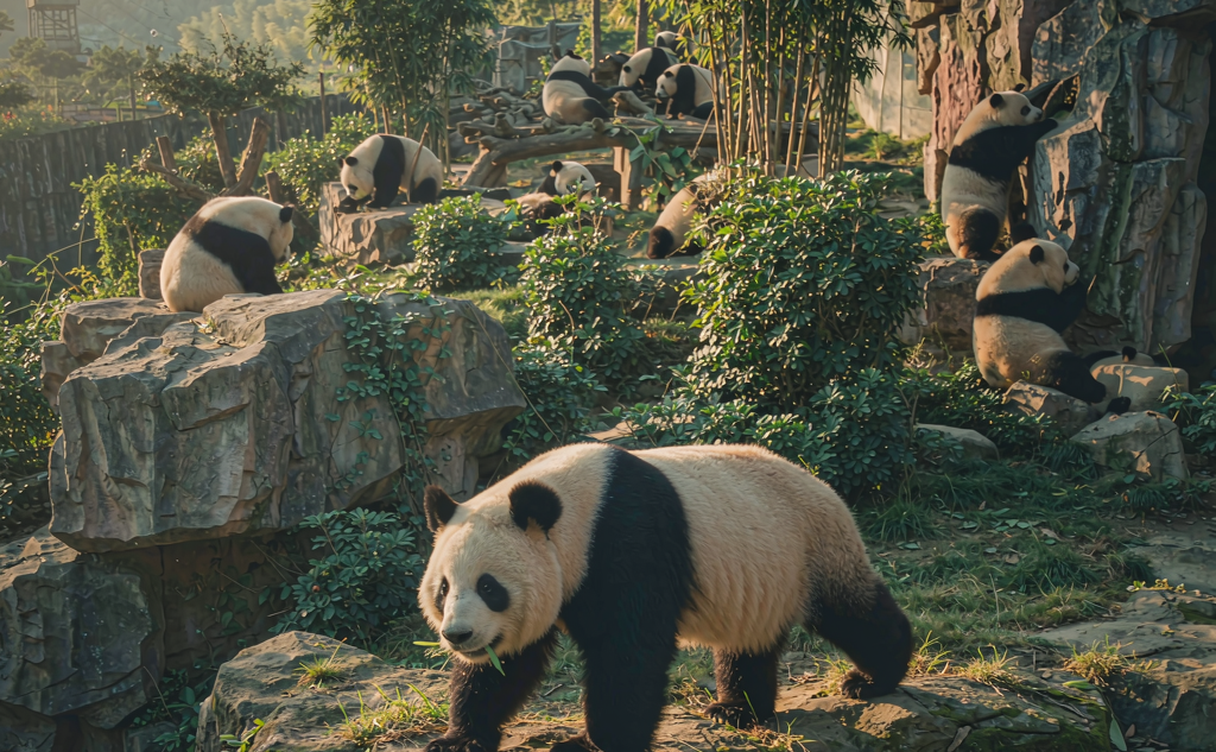
The panda base is the headline: a compact research and breeding center where you can observe animals up close and learn about the reintroduction effort (entry around ¥60–80 / $9–12, plus a shuttle if needed). We have found the ranger talks genuinely informative—on our last visit a keeper explained how cubs are prepared for wild release, which our clients loved. Beyond pandas, the Foping Qinling nature reserve offers marked forest trails, a butterfly and plant display, and the chance to spot golden snub-nosed monkeys in the higher zones (best in autumn). The China panda tour guide compares Foping with the Sichuan options, and the Wolong panda reserve guide and the Bifengxia panda base guide are the natural deep-dives if you want to extend a panda-focused trip.
A practical Foping travel itinerary
A relaxed one- or two-day plan works. Day one: morning train from Xi’an, late-morning panda base visit, afternoon forest walk, overnight in Foping town (clean hotels ¥200–380 / $29–55; a couple of nature-themed lodges run ¥450–650). Day two: sunrise reserve hike or a visit to a nearby village, then return to Xi’an by afternoon train—perhaps stopping at the Big Wild Goose Pagoda area in the evening. If you want pandas plus city history, this Xi’an-plus-Foping combo is exactly what we recommend over a long flight to Sichuan for many first-timers.
Practical tips and honest caveats
The reserve is at 800–1,500 m, so altitude is mild, but the trails are real—wear sturdy shoes and carry water. Weather shifts fast in the Qinling gorges; we have been rained on in October, so a packable rain shell is wise. The panda base is popular with domestic school groups on weekends, and the enclosures get crowded by 11 a.m.—a weekday morning is far better. Mobile coverage is good near town but fades on deep trails, so tell someone your route. And a frank note: Foping’s pandas are a small number of individuals in a research setting, not a vast wild park; manage expectations and you will enjoy it more than those who arrive expecting a zoo spectacle.
The Qinling and its rare wildlife
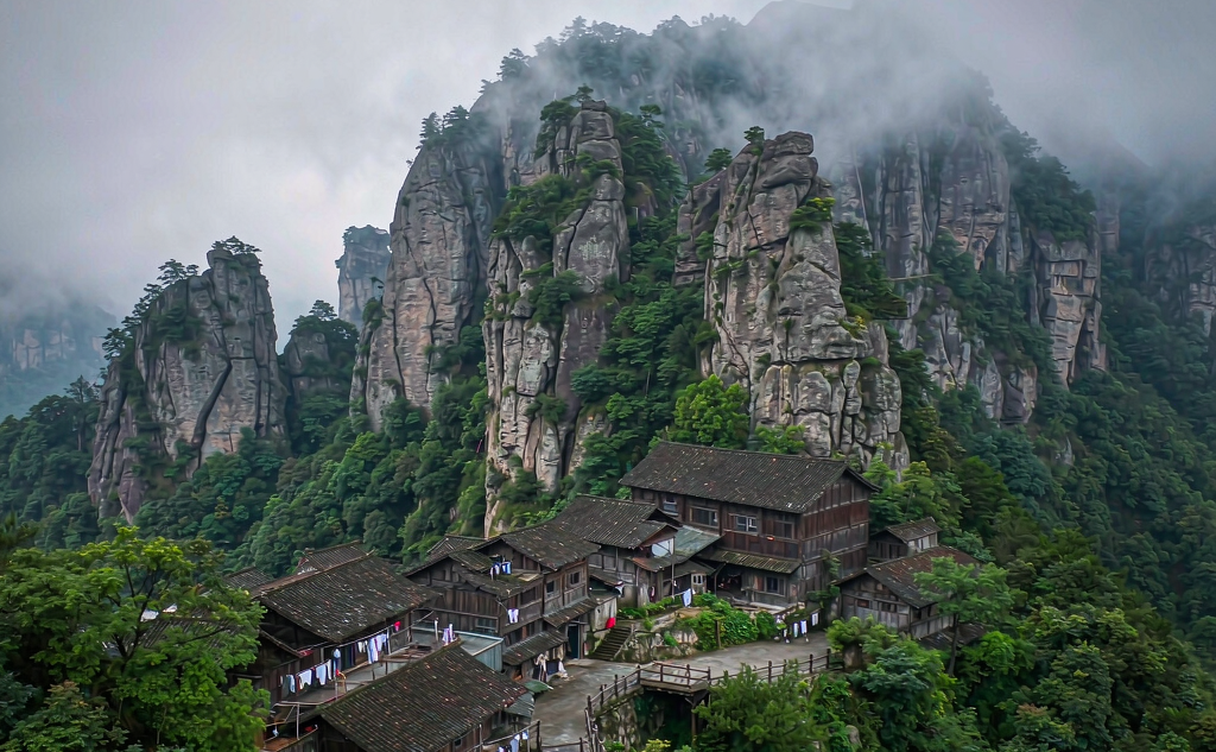
Foping lies in the Qinling Mountains, home to the distinct Qinling panda documented by Wikipedia’s Qinling panda entry, and the range is one of China’s most important biodiversity refuges. Beyond pandas, the forests shelter golden snub-nosed monkeys, takin, and hundreds of bird species. We like to remind clients that the train ride itself crosses the watershed divide—north of the tunnel the land drains to the Yellow River, south to the Yangtze—which is a neat geography lesson hiding in a 40-minute trip. Local rangers told us the monkey troops are easiest to see in October when the beech nuts drop, a tip worth timing around.
Where to eat and sleep
Foping town is small but satisfying: bowl-noodle soups (¥12–20), qinqiang-style braised dishes, and mountain mushrooms (¥30–50) featured on most menus. The famous Shaanxi biangbiang noodles and roujiamo (¥10–18) appear at several spots near the station. For lodging, book ahead on weekends and holidays—the county has limited rooms and prices rise to ¥500+ during October peak. Staying overnight rather than rushing back lets you catch the morning panda feeding and a quieter reserve before the day-trippers arrive. Our Chengdu travel guide is the reference if you later extend west to Sichuan’s own panda centers.
Extending toward Sichuan’s panda country
If Foping sparks a deeper interest, the obvious next step is Sichuan: Wolong and Bifengxia near Chengdu, and further afield the higher reserves. We often suggest doing Foping first as a low-commitment taste, then deciding whether the longer Sichuan journey is worth it for you. The animals are the same species (with the Qinling’s brown variant a special local pride), and the Sichuan bases are larger but busier. Either way, build rest into any multi-base plan—panda days start early and end happily tired.
A note on responsible wildlife watching
Foping’s animals are part of a working conservation program, not entertainment. We remind clients to keep quiet near enclosures, never tap glass or call out, and follow ranger instructions about distance. The reserve reinvests ticket revenue into habitat protection and community livelihoods, so your visit directly helps the pandas’ wild cousins. Teaching children to watch patiently rather than demand action is, for us, the best souvenir of the day.
Final thoughts
Foping proves you don’t need a long flight to meet a giant panda—just a quick train from Xi’an into misted Qinling forest. Go in spring or autumn, arrive early, and let the rangers’ stories turn a cute-animal visit into a real wildlife lesson. Plan trains and a room ahead, keep expectations honest, and you will leave charmed by China’s quiet mountain county.