

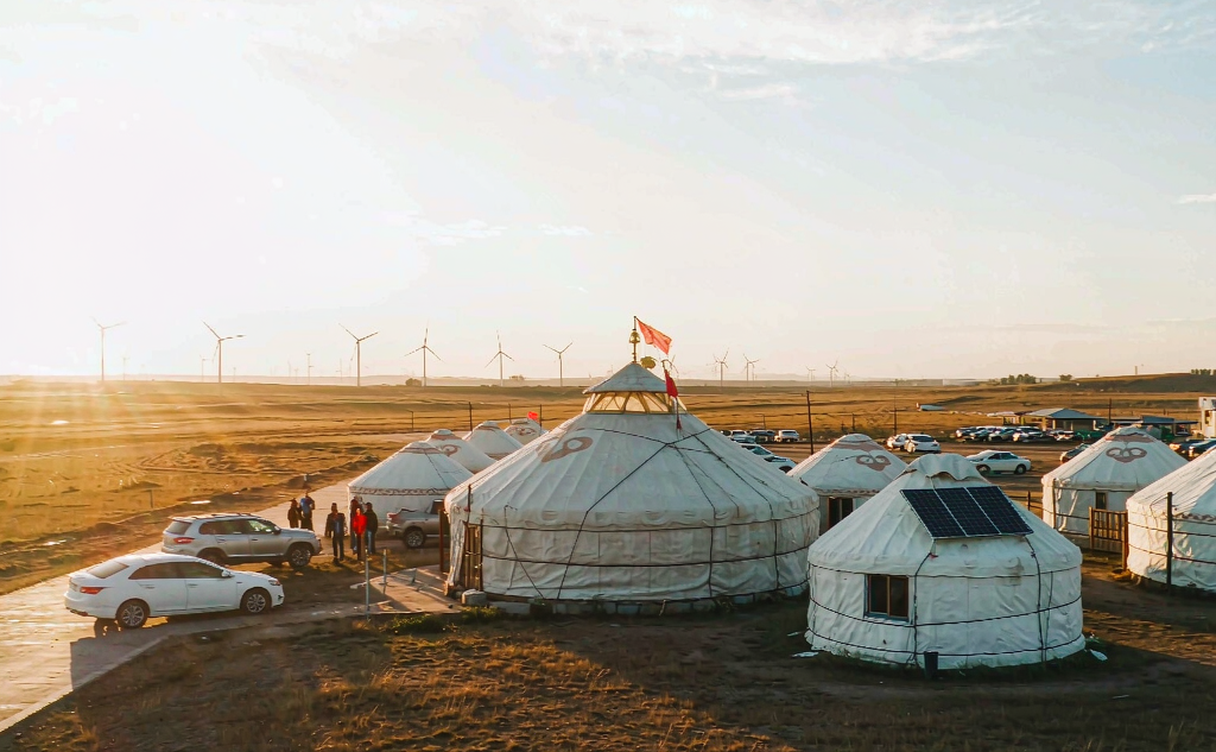
Xilamuren Grassland is one of the closest and most accessible stretches of open steppe to the city of Hohhot, the capital of Inner Mongolia in northern China. The name means “yellow river” in the local Mongolian language, a nod to the small, willow-lined watercourse that crosses the plain. Travelers come here for the classic grassland experience: rolling green hills dotted with white felt yurts, herds of sheep, and wide skies that seem to go on forever. It is an ideal first taste of nomadic culture for visitors who want a real Inner Mongolia grassland tour without the long trek to the far north.
Overview
Unlike the vast, remote pastures of the far northeast, Xilamuren sits only about 90 kilometers north of Hohhot, which makes it a practical half-day drive from the city. The terrain is gentle rolling steppe rather than dramatic mountains, and the elevation of around 1,700 meters keeps summer days cool and pleasant. The area has been developed for tourism for decades, so visitors will find a cluster of yurt camps, riding stables, and performance grounds that cater to both domestic and international guests.
The grassland is home to ethnic Mongol communities whose traditions of herding, horsemanship, and hospitality shape the visitor experience. A stay here is less about sightseeing from a distance and more about participating: riding, eating, singing, and sleeping under a felt roof. For many travelers building a broader journey, this spot pairs naturally with a Hohhot travel guide that covers the region’s temples, museums, and food scene.
How to Get There from Hohhot
Most visitors begin their Xilamuren Grassland guide in Hohhot, the regional transport hub with an airport and a high-speed rail station. From the city center, the most common way to reach the steppe is by hired car, private transfer, or a packaged tour bus, a drive of roughly 1.5 to 2 hours depending on road conditions. The route climbs steadily out of the urban basin into cooler, drier highland country, and the first open meadows appear well before the official entrance.
Independent travelers can also take a public long-distance bus from Hohhot to the nearby town of Xilamuren, then arrange a short local ride to the yurt camps. However, schedules are limited and not always tourist-friendly, so most first-time visitors prefer a driver who waits for the return trip. If you are planning a longer northern route, our Inner Mongolia 7-day itinerary shows how to combine this grassland with other highlights.
Planning your arrival can be the trickiest part of the trip. Pair this grassland with a Hohhot travel guide covering airport, train, and transport tips before you set out for the steppe.
Best Time to Visit
The short but glorious grassland season runs from roughly June through early September, when the steppe is at its greenest and the weather is mild. July and August are the peak months, bringing wildflower blooms, clear skies, and the liveliest schedule of cultural performances and horse festivals. This is the best time to visit Xilamuren if you want warm days, comfortable nights, and the fullest range of activities.
Shoulder months such as late May and September offer fewer crowds and lower prices, though the grass may be less lush and temperatures can drop sharply after dark. Winter is harsh and most camps close, so it is not recommended for a first visit. Because conditions shift with altitude and weather, packing layers is wise even in midsummer.
What to Do
A Xilamuren yurt stay is the centerpiece of most visits. Guests sleep in traditional round felt dwellings, often with a modern bathroom block nearby, and share hearty meals of lamb, milk tea, and flatbread with their hosts. Evenings frequently feature bonfires, folk singing, and the chance to try a few words of Mongolian toast traditions.
During the day, the grassland opens up to a range of activities. Horse riding is the signature experience, with short leads for beginners and longer trail rides for confident riders across the open plain. You can also watch or join demonstrations of archery, wrestling, and the lively performances that celebrate steppe heritage. For context on the food you will eat, our Inner Mongolia lamb guide explains the regional dishes worth tasting.
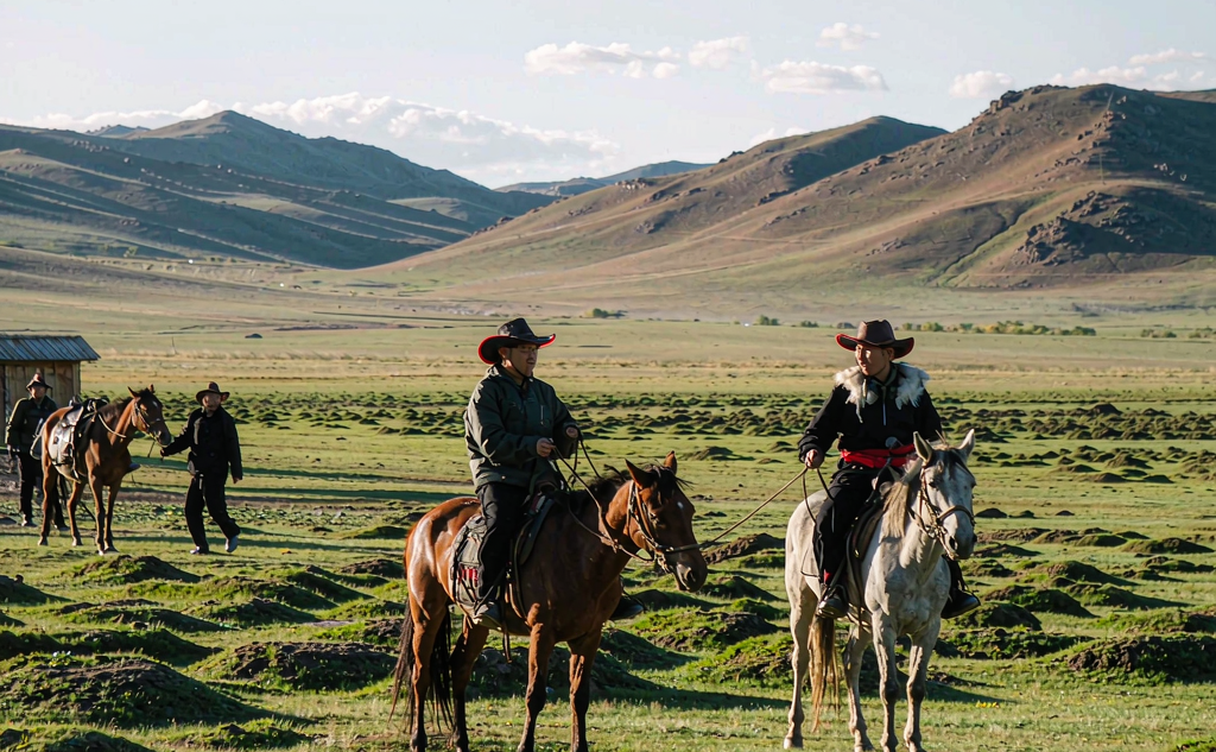
Want to ride, eat, and explore like a local? An Inner Mongolia lamb guide walks you through the dishes and dining customs you will meet on the steppe.
Grassland Activities
Beyond riding, many camps offer cart rides, kite flying, and photography walks to nearby hills where the views stretch for miles. Some visitors join a short hike to a local monastery or a small herd camp to see how dairy products like cheese and yogurt are made by hand. Photography lovers will find the early morning light and the late-day golden hour especially rewarding.
Cultural Performances
Evening shows are a staple of the developed camps, with singers, dancers, and sometimes throat-singing performers presenting Mongol culture. These are tourist-oriented but genuinely festive, and they give a quick, lively introduction to traditions that run deep in the region.
Where to Stay
Accommodation on the steppe means yurts, and the standard ranges from basic shared felt rooms to comfortable private yurts with real beds and heating. Booking through a tour operator often bundles meals and activities, which simplifies the experience for first-timers. If you prefer more hotel-like comfort, you can also stay in Hohhot and make Xilamuren a day trip, though an overnight stay captures the quiet magic of the steppe after the day visitors leave.
For travelers who fall in love with the landscape and want to go deeper, the remote Inner Mongolia Hulunbuir Grassland offers a far larger and wilder expanse farther north. The border town of Manzhouli can round out that northern journey with its distinctive Russian-influenced architecture.
Travel Tips
A few practical Xilamuren travel tips will make your visit smoother. Bring sun protection, a hat, and sunglasses, since the highland sun is strong even when the air feels cool. Nights get cold year-round, so a warm layer and long pants are essential. Cash is useful at small stalls, though mobile payment is widely accepted near the main camps.
Altitude is modest but real, so take it easy on your first ride and Drink plenty of water. Respect local customs: ask before photographing herders, and accept offered milk tea as a sign of goodwill. Booking ahead in July and August is strongly advised, as the best yurts fill quickly during peak season.
FAQ
How far is Xilamuren from Hohhot?
It is about 90 kilometers north, roughly a 1.5 to 2 hour drive depending on traffic and road conditions.
Is Xilamuren worth visiting if I have little time?
Yes. Because it is so close to Hohhot, it is the easiest grassland to reach and gives a complete yurt, riding, and culture experience in a single overnight stay.
What should I eat there?
Roast lamb, hand-pulled noodles, milk tea, and yogurt are staples, and a dedicated Inner Mongolia lamb guide covers the must-try dishes in detail.
When is the grassland greenest?
From July to early September the steppe is at its most lush, making this the best time to visit Xilamuren for scenery and activities.
The grassland environment of Inner Mongolia is part of a broader Eurasian steppe ecosystem recognized for its ecological and cultural value by sources such as Britannica’s overview of the Mongolian Plateau. Whether you come for a night or a week, Xilamuren delivers the postcard image of China’s north: open sky, felt yurts, and the steady rhythm of steppe life.
Ready to build the full route? An Inner Mongolia 7-day itinerary links Xilamuren with Hohhot and the far north for a balanced trip.