

I’ve lost count of how many times friends have asked me, “Where should I actually go in China?” Not the postcard list they saw on Instagram, but the places genuinely worth the flight and the jet lag. After more than a decade crisscrossing the country — from frozen winter markets in Heilongjiang to thin-air passes outside Lhasa — I’ve narrowed it down to ten spots that earn their hype in 2026. Rail keeps getting faster, visa-free transit keeps getting longer, and booking hotels and flights has become almost painless. Here is where I would send my own family.

At a Glance: Best Time, Crowds & Booking
Before the details, here is the quick version. Crowd levels are my own read from recent trips — “Moderate” means you’ll share the headline sights but still find quiet corners. “Packed” means book tickets weeks ahead and arrive at opening time.
| Destination | Best time to visit | Crowd level | Booking tip |
|---|---|---|---|
| Beijing | Apr–May, Sep–Oct | High | Stay near Line 1 or 2 subway; book the Great Wall hutong tours early. |
| Xi’an | Mar–May, Sep–Oct | Moderate | Book a hotel inside or beside the City Wall for walkable nights. |
| Shanghai | Mar–May, Oct–Nov | High | Choose Lujiazui or the former French Concession by vibe. |
| Guilin / Yangshuo | Apr–Jun, Sep–Oct | Moderate | Rent a bike in Yangshuo; book the Li River cruise upstream. |
| Chengdu | Mar–Jun, Sep–Nov | Moderate | Reserve panda base tickets for the 7:30 a.m. slot. |
| Zhangjiajie | Apr–May, Oct–Nov | High | Stay in Wulingyuan, not the city, to beat the bus queues. |
| Hangzhou | Mar–May, Sep–Nov | Moderate | Walk West Lake at 6 a.m.; book teahouse seats ahead. |
| Yunnan (Lijiang/Dali) | Mar–May, Sep–Oct | Moderate | Fly into Lijiang, train down to Dali — book both early. |
| Tibet (Lhasa) | May–Sep | Low–Moderate | You need a Tibet permit; book the package 20+ days out. |
| Harbin | Dec–Feb | High (winter) | Book the Ice and Snow World combo before December. |
For neighborhood-by-neighborhood lodging help, see the city-specific hotel guides linked above.
Northern Icons: Beijing, Xi’an & Shanghai
Beijing. Why go? Standing on the Mutianyu section of the Great Wall at 8 a.m., before the cable car crowds, is still the best travel moment I’ve had in China. Pair it with the Forbidden City (book timed entry days ahead) and a hutong breakfast of jianbing. Spring or autumn is best, when the haze lifts. Book a Beijing hotel in the hutong-adjacent Dongcheng area so you can walk to the sights.
Xi’an. This is where China’s story really starts for a visitor — the Terracotta Army is as staggering in person as the photos fail to show. My favorite hour was renting a bike and riding the 14 km Ming City Wall at golden hour. Spring and autumn are ideal; summers are brutally hot. The Muslim Quarter at night is chaotic, cheap, and delicious. Compare Xi’an hotels near the Bell Tower if you want to step out of your lobby straight into the night market.
Shanghai. People call it generic, but that misses the point. The Bund at dusk, then a ferry across the Huangpu for 2 RMB, is a better skyline show than any paid deck. Spend a morning in the former French Concession’s plane-tree lanes, and an afternoon in a longtang alley. Autumn is gorgeous. Book a Shanghai hotel in Lujiazui if you want the vertical city; the Concession if you want the leafy one.
Rivers & Peaks: Guilin, Zhangjiajie & Hangzhou
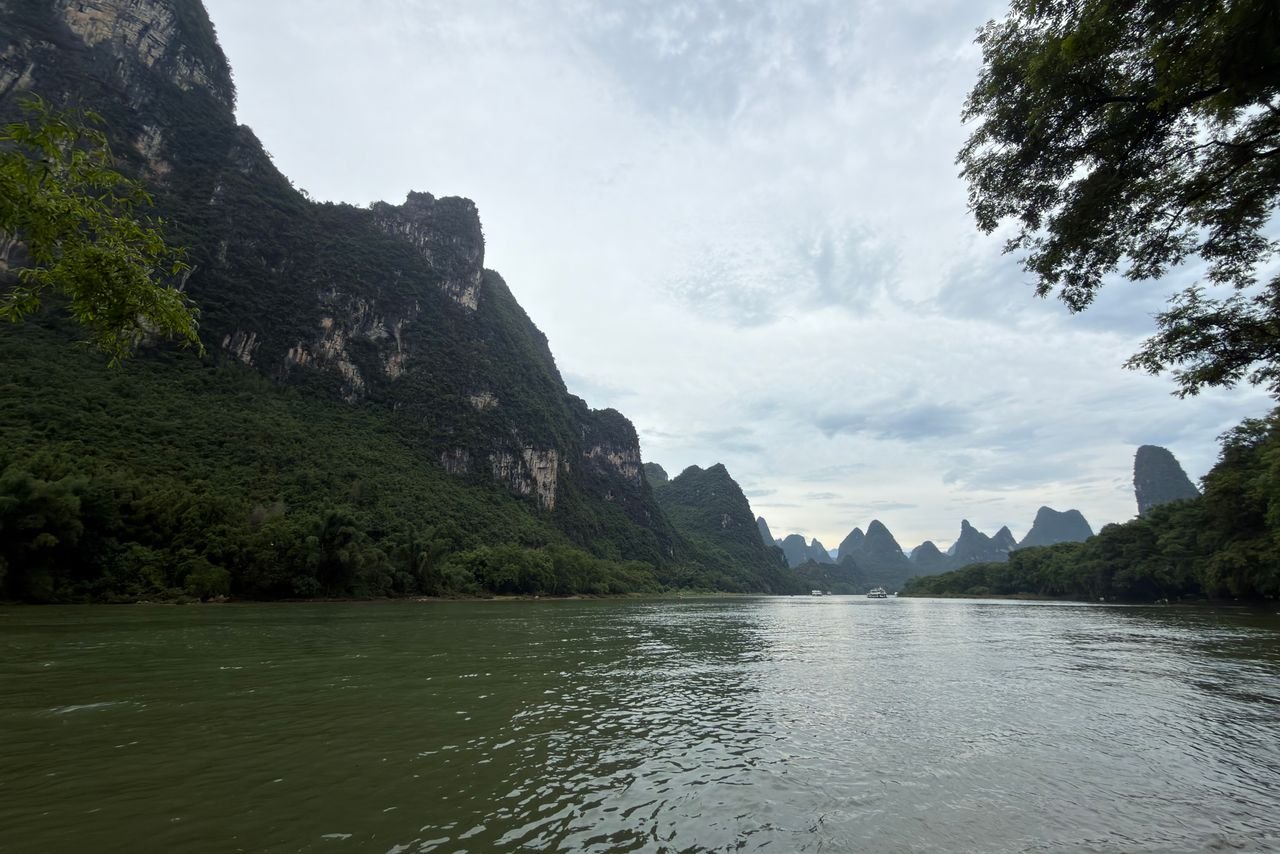
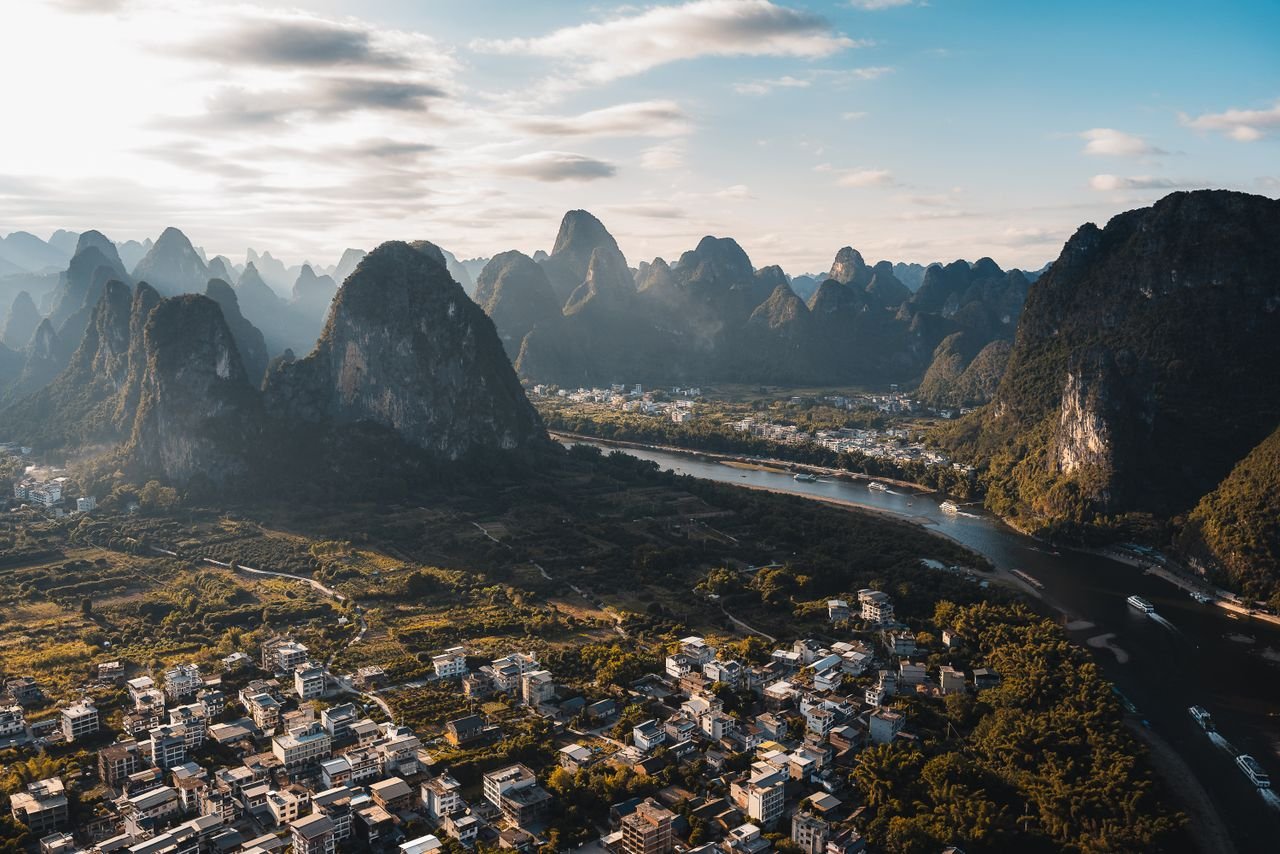
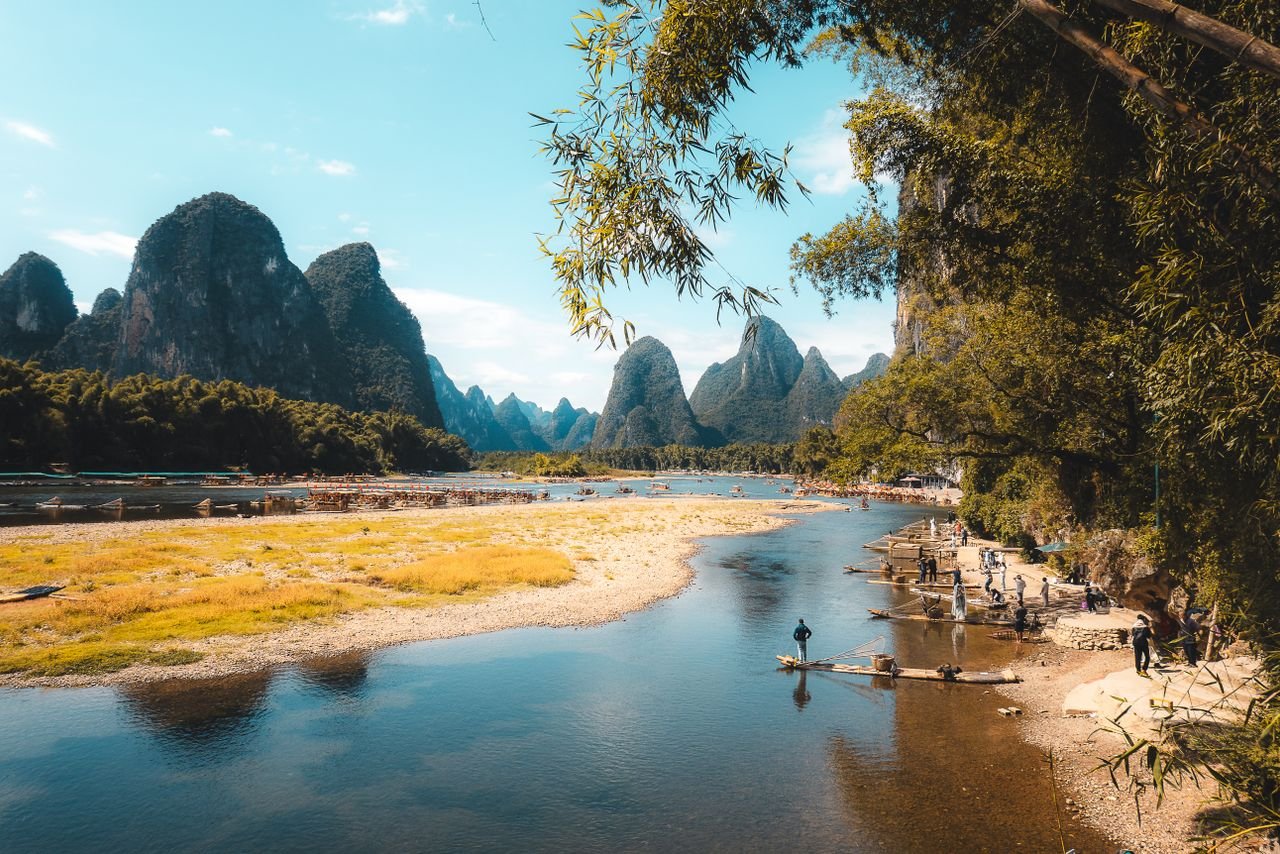
Guilin & Yangshuo. The karst landscape is real and better than the photos. My move: take the morning Li River cruise from Guilin down to Yangshuo, then ditch the town center for a zhuhai (bamboo raft) on the Yulong River and a rented e-bike through the rice fields. The 20-Yuan note viewpoint near Xingping is worth the cheesy photo. Book a Guilin hotel with river views and you’ll understand the obsession.
Zhangjiajie. Yes, it’s the “Avatar mountains,” and yes, it’s crowded — but the quartz-sandstone pillars poking through the mist are surreal in person. The trick is staying inside Wulingyuan so you’re at the park gate at opening, then riding the Bailong elevator and Tianzi Mountain before the day-trippers arrive. October’s weather is kindest. Book on-mountain hotels months ahead for sunrise.
Hangzhou. West Lake is tiny and perfect. Skip the busy midday cruises; walk the causeway at 6 a.m. when locals do tai chi and the mist sits on the water. Drink Longjing tea in a hillside village afterward. Spring (tea season) and autumn are both lovely, and it pairs with Shanghai on a 50-minute train.
Animals & Highlands: Chengdu, Yunnan & Tibet
Chengdu. The pandas are the headline, and the Chengdu Research Base genuinely delivers if you arrive at the 7:30 a.m. opening when the cubs are most active. But Chengdu’s real gift is pace — teahouses, hotpot that humbles you, and the laid-back heshang culture. It’s also the gateway to the Giant Buddha at Leshan. Compare Chengdu hotels near the Kuanzhai alleys so the night snacks are a short walk away. If flying in from abroad, compare flights to Chengdu against Beijing or Shanghai as your entry point.
Yunnan (Lijiang & Dali). This is the province I send people who want “real China” and good weather. Lijiang’s old town is touristy but the Jade Dragon Snow Mountain behind it is magnificent; Dali’s Erhai Lake ring road on a scooter is pure freedom. Fly into Lijiang, then take the new high-speed line down to Dali. Spring and autumn are ideal; summer brings rain.
Tibet (Lhasa). Physically the hardest trip here and emotionally the most rewarding. The Potala Palace at first sight, the pilgrims circling Jokhang Temple, the blue of Yamdrok Lake — none of it photographs well enough. You must travel on an organized permit (book 20+ days ahead), and spend two nights acclimatizing first. Go May through September. Book flights to Lhasa via Chengdu or Xi’an, the two easiest transfer hubs.
Cold-Weather Picks: Harbin & Xinjiang’s Altay
Harbin. If you travel in December to February, Harbin is unmissable. The Ice and Snow World — enormous LED-lit ice castles you can walk through — is a winter spectacle unlike anywhere else, and the century-old Russian architecture on Central Street frames it perfectly. Dress for -25°C and you’ll be fine. Book combo tickets before December; riverside hotels fill fast. Book a Harbin hotel within walking distance of the festival to avoid frozen taxi waits.
Xinjiang’s Altay (swap for Tibet if you prefer cold over altitude). For something quieter and more adventurous, China’s far northwest is the sleeper hit of 2026. The Altay region — Hemu village and the Jiangjunshan ski fields — gives you Kazakh yurts, birch forests, and powder skiing with none of Harbin’s crowds. Best in deep winter for snow, or September for golden larch forests. My Xinjiang best-time guide breaks down the regions month by month.
For a first-timer who wants the headline cities strung together sensibly, my 7-day golden-route booking plan maps Beijing–Xi’an–Shanghai with trains and hotels.
Mistakes I Made So You Don’t Have To
- Booking the Great Wall for midday. Bad move. Go early, pick Mutianyu or Jinshanling, and avoid the national holiday weeks (early October, Chinese New Year) entirely.
- Underestimating Tibet’s permit lead time. You cannot just buy a ticket. Organize the package at least three weeks out or your trip collapses.
- Paying for the wrong Li River cruise. The full Guilin-to-Yangshuo boat is the one worth it; the short circle trips near the city are bland.
- Skipping travel insurance for the mountains. Zhangjiajie and Tibet both had friends need altitude or evac help. A $30 policy beats a hospital bill.
- Not reserving pandas at 7:30 a.m. The base caps entries and the late slots sell out — and the cubs are asleep by noon anyway.
- Forgetting Alipay/WeChat setup. Most small vendors are card-shy. Link an international card before you land so street food isn’t a math problem.
Frequently Asked Questions
Do I need a visa to visit China in 2026?
Many travelers can use the expanded 240-hour (10-day) visa-free transit rule if they have an onward ticket to a third country or region, and several nationalities get short visa-free entry. Always confirm your specific passport’s status before booking, as rules shift.
What is the single best time to visit China overall?
Late September through early November is the sweet spot: cool, dry, and clear across most of the country, from Beijing to Yunnan. April to May is the spring alternative. Avoid the first week of October (National Day) and the Chinese New Year travel rush if you can.
Is it easy to book hotels in China as a foreigner?
Yes, much easier than it was a few years ago. Major international and Chinese platforms now accept foreign passports and cards, and big-city hotels are used to overseas guests. My first-timer hotel guide covers the ID and app setup that saves headaches.
How many days do I need for a worthwhile first trip?
At least 10–12 days to do the golden route (Beijing, Xi’an, Shanghai) without feeling rushed. If you add Guilin or Chengdu, plan 14–18 days. The high-speed rail makes city-hopping efficient, but build in slow mornings or you’ll burn out.
Should I fly between cities or take the train?
Train for distances under about 1,200 km — it’s central-station to central-station, cheaper, and scenic. Fly for longer hops like Chengdu-to-Lhasa or international arrivals. My 2026 cheap-flights guide has the booking windows that actually save money.
Is the food manageable if I don’t eat spicy or exotic things?
Absolutely. Every city has mild options, international chains, and app-based delivery with pictures. In Chengdu and Chongqing you’ll want to flag “bu la” (not spicy), but you’ll still eat well — the dumplings, noodles, and roasted dishes need no heat to shine.