

Wuyi County sits in the southwest of Jinhua, in central Zhejiang Province, and it is one of those Chinese destinations that most foreign visitors have never heard of yet quietly delivers everything a slow traveler wants: working hot springs, a forested mountain reserve, and easy rail links to Hangzhou and Shanghai. I first came here in late March, chasing the pale spring light after a damp winter, and what struck me most was how genuinely local the place felt. This Wuyi travel guide pulls together what I learned on three separate trips, including real 2026 price ranges, the months I would actually book, and the small logistics that make the difference between a smooth visit and a confused one.
Which Wuyi, and why it matters
A quick note that matters for your booking: there are two famous “Wuyi” places in China. The one in this guide is Wuyi County (武义县) in Zhejiang, part of Jinhua, known for hot springs and Niutou Mountain. The better-known UNESCO mountain (Mount Wuyi) is far away in Fujian Province. When you buy train tickets or type the name into a map app, search for “Wuyi Xian, Jinhua, Zhejiang” so you do not end up 400 kilometers off course. I made that near-mistake once and learned to double-check the province every time.
Best time to visit Wuyi Zhejiang
The single best window for the best time to visit Wuyi Zhejiang is mid-March through May, when the plums and rapeseed give way to green terraces and the humidity has not yet turned heavy. A close second is September to early November, with cool, clear days perfect for hiking Niutou Mountain. I would avoid July and August: temperatures routinely hit 35°C (95°F), the hot-spring hotels inflate rates, and the pools are far less appealing in sweltering heat. Winter (December to February) is underrated if you love soaking: the outdoor spring pools against cold mountain air are genuinely magical, though some forest trails close after ice.
How to get to Wuyi
Understanding how to get to Wuyi is the first practical hurdle. The nearest high-speed rail station is Wuyi South (武义南站), on the Hangzhou–Changsha line, with frequent G-trains. From Hangzhou East the ride is about 1 hour 20 minutes and costs ¥70–¥110 in second class; from Shanghai Hongqiao expect roughly 2.5 hours and ¥130–¥190. Trains are bookable on Trip.com or 12306 up to 15 days ahead, and I strongly recommend reserving seats early for weekend departures because the carriages fill with domestic travelers. From the station, local buses (¥2–¥5) and Didi rides (¥15–¥40 to the hot-spring resorts) bridge the last few kilometers. If you are driving, the G60 Hangzhou–Jinhua–Quzhou expressway puts Wuyi about two hours from Hangzhou by car.
Things to do in Wuyi
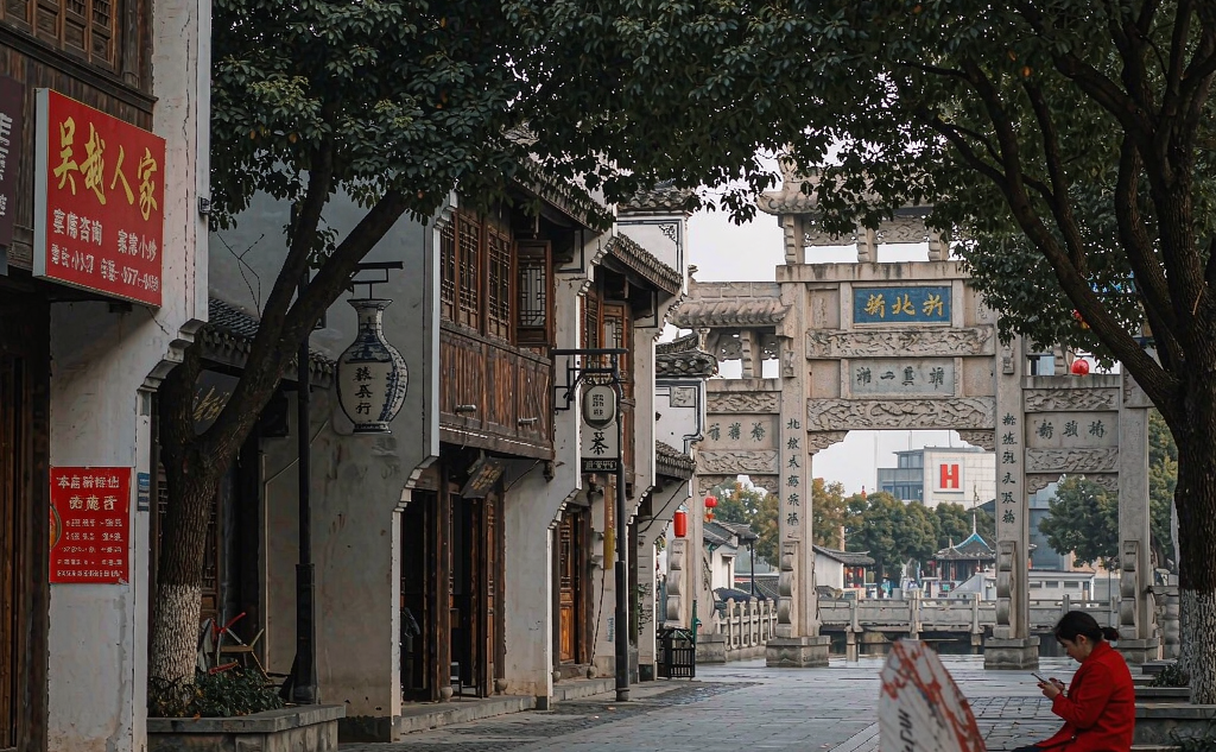
The list of things to do in Wuyi is shorter than a megacity’s but deeper than it looks. Start with the old town core around Wuyi Museum and the locals’ morning market, where I watched vendors sell pressed tea and mountain herbs you will not find in a supermarket. Then set aside a half day for the riverside walking paths along the Wuyi River, especially at golden hour. For a cultural fix, the nearby Guo Temple (延福寺) is a quiet Song-dynasty wooden hall worth a calm hour. None of these are crowded, which is precisely the point: Wuyi rewards people who like to wander rather than rush.
Wuyi hot springs
Wuyi hot springs are the headline act, and the town has built a small industry around them. The mineral water here is sulfur-light and runs around 38–42°C, fed by wells more than 300 meters deep. Resorts range from large polished complexes like Tangfeng (唐风温泉) to smaller boutique courtyards. Day passes typically cost ¥158–¥298 per person depending on the pool count and whether you want private indoor rooms; an overnight stay with unlimited soaking runs ¥600–¥1,200 for a standard double in peak season, dropping to ¥400–¥700 midweek in winter. I booked through the resort’s own WeChat mini-program and saved about 15% versus walk-up rates, and availability for weekend slots should be checked at least a week ahead in autumn.
Wuyi Niutou Mountain
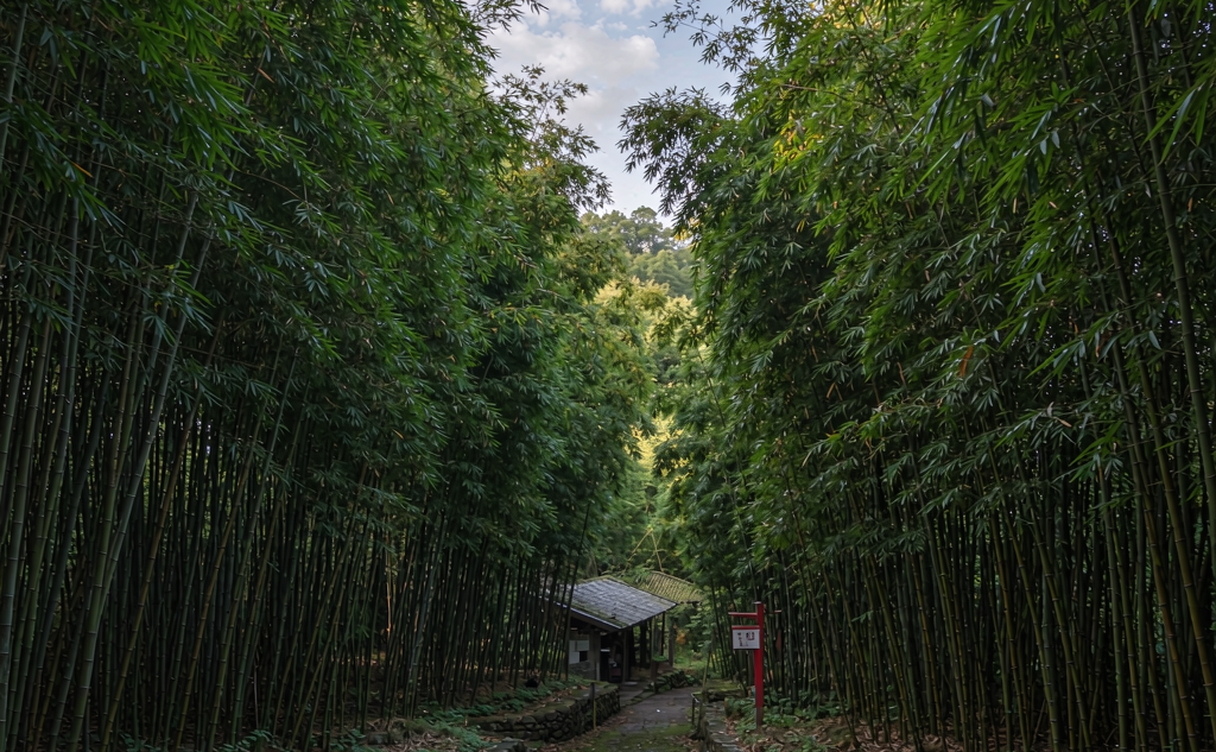
For active days, Wuyi Niutou Mountain (牛头山) is the county’s wild card: a national forest park with a granite peak, hanging bridges, and a cool, mossy canyon that stays pleasant even when the valley is hot. The main hiking loop takes 3–4 hours at a relaxed pace, with a cable car (¥60 one way, ¥100 round trip) for the final ascent if your legs protest. Entry is ¥80 for adults, ¥40 for children, and the park opens at 8:00 and stops admissions at 15:30. I went in April and the waterfall above the gorge was roaring; by late autumn the flow thins but the red-leaf framing is superb. Wear proper trail shoes—the stone steps get slick after rain, which is frequent in June.
A practical Wuyi travel itinerary
Here is the Wuyi travel itinerary I now recommend to friends. Day 1: arrive by midday G-train, drop bags at a hot-spring resort, and soak that evening. Day 2: early start for Niutou Mountain, picnic lunch inside the park, then the riverside walk and dinner in the old town. Day 3: a slow morning at the market and Guo Temple before the early-afternoon train back to Hangzhou or Shanghai. If you have a fourth day, add a side trip to a nearby ancient water town. This pacing keeps daily steps reasonable while still letting the hot springs do their work.
Where Wuyi fits in a Zhejiang trip
Wuyi works best as a decompression stop. After the museums and crowds of Shanghai, or the West Lake bustle of Hangzhou, a couple of nights here resets the trip. I often tell first-timers to think of it as the “exhale” portion of a China itinerary. If you are already planning Shanghai for first-time visitors, tack Wuyi on as a two-night tail rather than a day trip—you will enjoy it far more.
Food, money, and small comforts
Local eating is unfussy and cheap. A solid bowl of Wuyi-style noodles with mountain greens runs ¥15–¥25, and a hot-pot dinner for two with local beer lands around ¥120–¥180. Carry some cash for the smaller market stalls, though Alipay and WeChat Pay cover almost everything else if your international card is linked. Pharmacies stock basic remedies, and the county hospital has an English-speaking desk on weekdays. I always pack a lightweight rain shell because the mountains generate their own weather.
For deeper background on the region’s geography and administration, the Wuyi County entry on Wikipedia is a solid, citable overview.
Hot-spring resorts across China
If Wuyi’s pools leave you wanting more, our China hot springs resorts guide maps comparable soaking spots from Yunnan to the northeast, with candid notes on crowd levels and bookability. And when you want the canal-town atmosphere without the coach tours, the best ancient towns in China roundup and the Wuzhen water town near Hangzhou are both strong add-ons to this route.
Final tips before you book
Book trains early, reserve your hot-spring slot online, and keep one day unscheduled so the place can surprise you. Wuyi is not a checklist destination; it is a pace. When I left after my third visit, the thing I missed most was not a sight but the quiet—something the Suzhou travel guide also captures if you want a garden-city counterpoint.