

Wanning sits on the southeast coast of Hainan, about two hours north of Sanya by car. Most visitors who come here are chasing one thing: clean, consistent waves at Riyue Bay. But the city has quietly built a reputation for something else as well, its coffee farms that grow arabica in the red hills behind the coast. If you want a slower, cheaper version of a Hainan beach holiday, with real local life instead of resort fences, Wanning is worth at least three days.
This Wanning travel guide walks through how to arrive, where to surf, what the coffee country looks like, and the practical details that actually matter once you are on the ground. It is written for foreign visitors who like to plan their own trips and would rather skip the packaged tour bus.
How to get to Wanning from Sanya and Haikou
The simplest way to reach Wanning is by high speed train. Services from Sanya stop at Wanning Station roughly every hour, and the ride takes between 50 and 90 minutes depending on whether you catch a fast or a stopping train. Coming from Haikou, the provincial capital, the trip is closer to two hours. Both routes run along the east coast line, so you get long stretches of sea view from the window. If you are building a longer Hainan loop, our Sanya beach travel guide and Haikou travel guide cover the two cities that most travellers use as bookends for a Wanning stay.
Renting a car is the second option, and it makes the coffee farms and the quieter beaches much easier to reach on your own schedule. The coastal highway is in good condition and clearly signed. Just note that during national holidays the road between Sanya and Wanning clogs up in the late afternoon as everyone heads back at once. Train is the calmer choice on those days.
Riyue Bay and the surfing season
Riyue Bay, known locally as Sun and Moon Bay, is the heart of the Chinese surf scene. The bay faces the right direction to catch swells from the southeast, and a point break on the northern side produces a rideable wave for most of the year. The Riyue Bay surfing season runs strongest from October through March, when the northeast monsoon feeds steady ground swell into the coast. Winter is the busy peak, with surf schools, board rentals and a small strip of cafes lining the beach road behind the sand.
If you have never stood on a board, this is a friendly place to learn. Several schools offer surf lessons in Hainan that begin with beach drills before moving into the whitewater. A typical beginner lesson lasts two hours and includes a wetsuit, a board and an instructor who stays in the water with you. Prices are reasonable compared with surf destinations in Australia or Bali, and a number of coaches speak basic English or use demonstration rather than talk. Lessons can be booked at the beach on the day, but in peak winter weeks it is worth reserving ahead.
Beyond lessons, the bay has a relaxed, slightly scrappy feel that suits travellers who dislike polished resorts. You can rent a board for the morning, sit at a beachside noodle stall, and watch the regulars work the point. The water is warm enough to surf in a shorty or even just board shorts through most of the year.

What to do beyond the surf
The list of things to do in Wanning reaches well past the beach. A few kilometres inland, the town of Xinglong has been a centre for returned overseas Chinese since the 1950s, and that history shows up in its food and its plantations. The Xinglong Tropical Botanical Garden is run by a research institute and displays rubber, pepper, vanilla and cocoa trees alongside the coffee. It is more working science park than theme park, but the guided walk explains how a Wanning coffee plantation actually operates, from seedling nursery to roasting room.
Xinglong coffee is the local point of pride. The beans are a variety brought back by overseas Chinese from Indonesia and Malaysia, grown in the red soil of the hills and roasted darker than you might expect. You can tour a small farm, watch the roasting drum, and drink a cup that tastes closer to a light Southeast Asian brew than to the heavy roasts common in northern China. Several farms offer tastings and sell bags of beans at prices far below the city specialty shops.
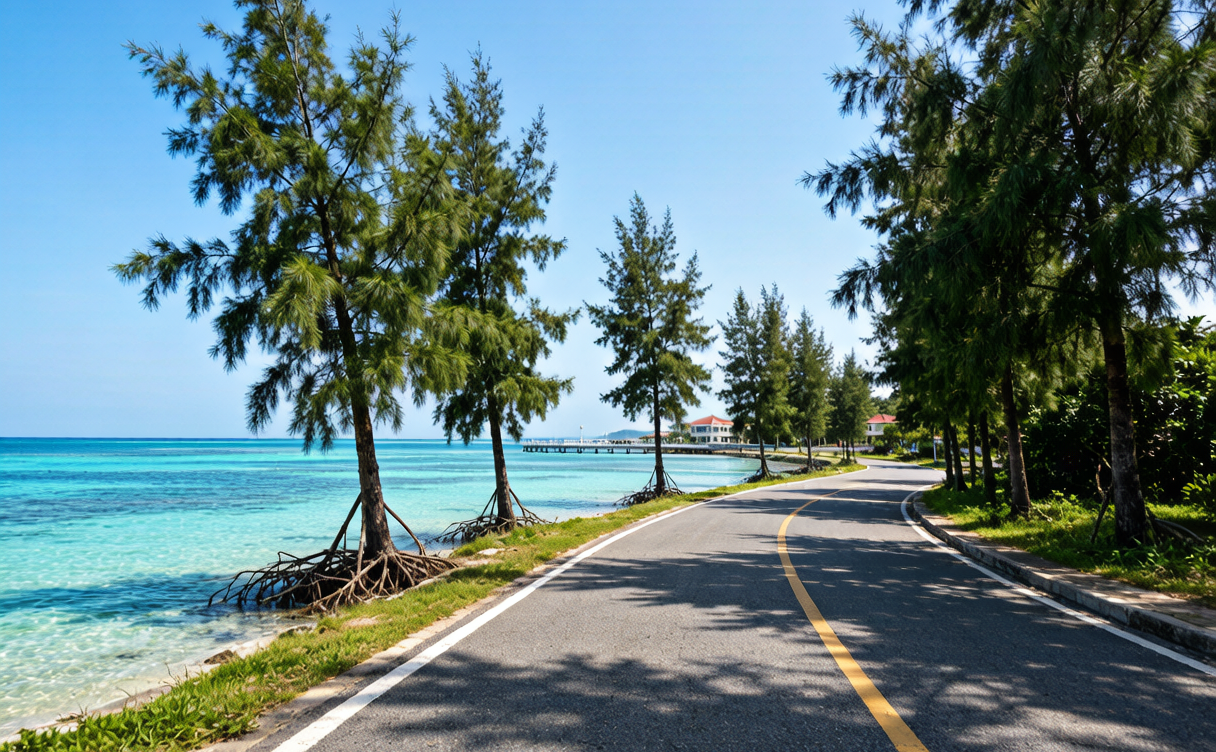
For a different kind of day, head to Shimei Bay. It is a long crescent of pale sand backed by a rare stretch of coastal areca and haine palm forest, with a single low key resort and a wooden boardwalk that runs along the edge of the trees. The water here is calmer than Riyue Bay, which makes it better for swimming than for surfing, and the shade from the forest keeps the beach comfortable at midday.
Nature and where to base yourself
Wanning works well as an add on to a wider Hainan plan. The Hainan tropical rainforest park guide describes the island’s interior forests, some of which sit within a morning drive of here and make a cool escape when the coast is humid. If your main interest is the shoreline, our China beaches guide compares Wanning with other coastal stops, and the best winter destinations in China explains why Hainan fills up between December and February while the rest of the country freezes.
Most travellers base themselves in one of three spots. Riyue Bay is where the surf scene and the hostels cluster, so it suits anyone who wants to roll out of bed and onto a board. Downtown Wanning is cheaper and far better for food, but it sits about 30 minutes by bus from the waves. Xinglong makes a third base if coffee and gardens interest you more than the sea, with easy access to the inland plantations.
Food, coffee and practical tips
Seafood is the obvious draw. The evening wet market in Wanning town sells fish, crabs and prawns by weight, and a handful of nearby restaurants will cook your purchase for a small fee. Coconut rice, wok fried greens with garlic, and fresh passionfruit from roadside stalls round out cheap, satisfying meals that rarely cost more than a casual lunch back home.
Coffee deserves its own paragraph. Beyond the plantations, Xinglong’s small cafes serve local beans brewed several ways, and you can buy roasted beans to take home. If you want the wider context, our China coffee culture guide traces how domestic growing and cafe habits have shifted over the last decade, with Hainan playing a small but distinctive part in that story.
For official visitor information, the Ministry of Culture and Tourism of China publishes practical guidance on travelling in Hainan at https://www.mct.gov.cn/. It is a useful check for public holiday dates and any regional advisories before you book.
A sample three day plan
Day one is for arrival and the bay. Take the train from Sanya or Haikou, drop your bag at Riyue Bay, and spend the afternoon walking the beach and watching the surf. Day two splits between a morning lesson in the water and an afternoon at Shimei Bay for a calmer swim. Day three heads inland to Xinglong for the botanical garden, a coffee farm tour and a slow lunch before the train back.
That rhythm keeps transport simple and leaves room for the unexpected, like a fishing village market or a roadside fruit stand that turns into a longer stop than planned. Wanning is not a place that rewards rushing.
When to visit
The warm months from April to September are quieter and hotter, with afternoon downpours rather than all day rain. The sea stays swimmable all year. If surfing is your goal, aim for the cooler half of the year when the Riyue Bay surfing season peaks and the waves are most reliable. Chinese New Year brings the largest crowds and the highest prices, so book trains and rooms early if you travel then, and expect the beaches to feel busy.
A few things worth knowing
ATMs and card payments are reliable in town but patchy at the beaches, so carry some cash for small cafes and board rentals. Mobile payment dominates daily life here, and foreign cards do not always work with local apps, so having notes in your pocket saves awkward moments. Buses connect the train station to Riyue Bay and Shimei Bay, though services thin out in the evening, which is another reason a rented car helps if you stay late at the coast.
Wanning will not replace Sanya as a resort destination, and it is not trying to. What it offers is a working Chinese coastal city with a genuine surf culture, good coffee, and beaches that have not been paved over. For a few days of waves, plantations and quiet sand, it is hard to beat on the island, and it gives you a side of Hainan that most visitors never see.