

Guangyuan sits in the far north of Sichuan, where the province meets the Qinling mountains and the old routes into the Sichuan basin begin. It is best known for Jianmen Pass, the narrow gateway that guarded the ancient road between the plains of Shu and the heart of China, and for the Cuiyun Corridor, a planted avenue of ancient cypress trees that still lines stretches of that road. This Guangyuan travel guide covers the pass, the cypress trail, the hiking, and how to reach the city from Chengdu.
Most foreign visitors to Sichuan stop at Chengdu and Jiuzhaigou, then move on. Guangyuan is for travelers who want the historical spine of the region: the roads, walls, and forests that carried armies and traders for two thousand years. It rewards a slower pace and a willingness to walk.
Why Visit Guangyuan
The headline is Jianmen Pass. This is the famous choke point where a single narrow defile made the whole Shu region defensible, the kind of place that decided battles and dynasties. Standing at the pass, you understand why “the pass is locked, and ten thousand armies cannot pass” became a saying.
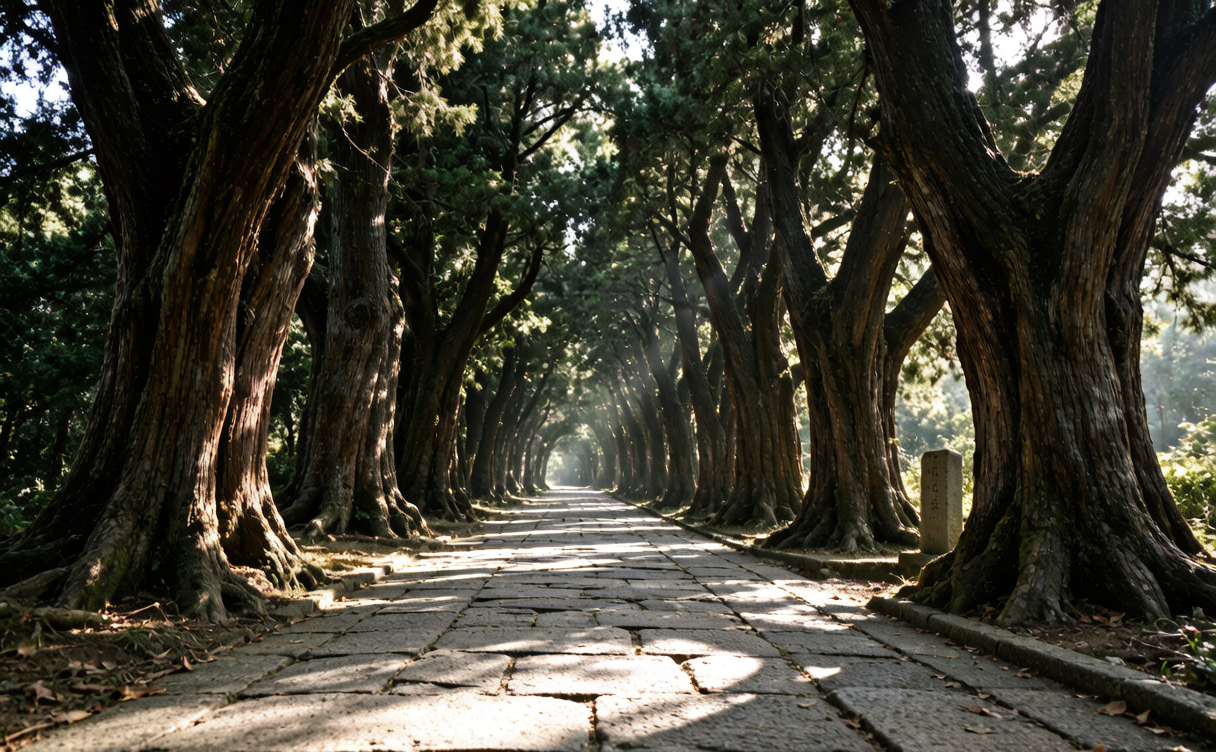
The second reason is the Cuiyun Corridor, a remarkable planted road of cypress trees, some of them hundreds of years old, that once shaded the ancient Shu Road. Walking beneath them is a quiet, green experience that feels older than most tourist sites in the province. For travelers who enjoy China hiking treks, the corridors and ridge paths here are a gentle but atmospheric option.
A third reason is simply the setting. Guangyuan marks the edge of the basin, where Sichuan starts to turn into mountain, and the air feels different from the humid plain to the south. If you have spent a week in Chengdu’s bustle, the cooler, quieter north is a natural place to slow down before a long train ride home or onward.
Jianmen Pass Hiking
The Jianmen Pass hiking experience combines history with a real walk. You can climb the pass itself, walk sections of the restored wall, and follow paths that trace the old road through the gap. The terrain is hilly but manageable, and most visitors spend half a day covering the main loops.
Go early to avoid the midday heat in summer and the coach crowds in peak season. Sturdy shoes help on the stone and earth paths, and water is worth carrying since the site is large and shade is patchy. The views from the top of the pass open onto the surrounding ridges, which is the point: you see why this narrow slot was worth defending.
The Cuiyun Corridor and Ancient Shu Road
The ancient Shu Road Cuiyun Corridor is the softer counterpoint to the martial pass. This planted avenue of cypresses runs for long stretches, and the oldest trees are massive, their trunks covered in moss. A walk here is about shade, silence, and the odd sense of a road built for emperors and messengers.
The corridor is part of the broader story of the Shu Road, the network of routes that linked the Chengdu plain to the Wei Valley and, ultimately, to Chang’an. It is a good example of the kind of off the beaten path China travel that rewards curiosity over checklist sightseeing. Few foreign visitors make it this far north in Sichuan, which keeps the atmosphere calm.
How to Get to Guangyuan by Train
The city has a high-speed rail station with services from Chengdu, Mianyang, and onward toward Hanzhong and Xi’an. A Guangyuan from Chengdu trip takes around two to three hours by bullet train, making Guangyuan a realistic overnight or two-night extension of a Sichuan visit. From Mianyang, the ride is shorter, and a Mianyang travel guide stop pairs naturally if you are coming from the north.
Within the city, ride-hailing covers the center, but Jianmen Pass and the corridor sit outside town and need a car or a booked transfer. Many visitors join a day tour or arrange a driver through the hotel, since public transport to the sites is limited and slow.
Things to Do in Guangyuan
Beyond the pass and the corridor, the city has a few quieter sights. The Guangyuan Thousand-Buddha Cliff, a riverside cliff carved with Buddhist figures, is a short trip from the center and worth an hour. The Mingyue Gorge shows a preserved section of the old plank road cut into the cliff above the river, which makes the engineering of the ancient route concrete rather than abstract.
A Guangyuan itinerary from Chengdu usually runs two days: one for Jianmen Pass and the corridor, one for the city cliffs and a slow morning before the train back. If you are heading north, a Hanzhong travel guide stop continues the Shu Road story into Shaanxi, while a longer sweep can reach a Xi’an travel guide finish.
The train ride itself is part of the appeal. The line from Chengdu to Guangyuan follows river valleys and tunnels through the hills, and the changing landscape is a good primer for the defensive geography that made the pass matter. Book a window seat on the northbound side if you can, since the views open up as you leave the plain.
Food and Local Notes
Guangyuan eats like northern Sichuan: noodles, dumplings, and hearty stews, with a little more wheat and a little less oil than the Chengdu style. Try the local cold noodles and the walnut cakes sold near the station. The city is small and inexpensive, and an evening walk along the river is a pleasant way to end a day of walking the passes.
Vegetarians will find the noodle shops accommodating, since a bowl of plain or vegetable noodles is a standard order rather than an afterthought. The night market near the center adds grilled corn, tofu skewers, and sweet stuffed pastries if you want a light supper after the day’s hiking. Portions are modest by Sichuan standards, so ordering a few small dishes to share works well.
Where to Stay and Practical Tips
Stay in the city center so you can reach the rail station and the river easily. The sites are day trips, so a comfortable base matters more than a location near the pass. The national Ministry of Culture and Tourism of China publishes provincial notices that help confirm site hours around public holidays, when Jianmen Pass can draw large domestic crowds.
Pack for walking: good shoes, water, and a rain layer, since mountain weather shifts quickly. English is limited, so a translation app covers menu and direction needs. The city is safe and relaxed, and the combination of history and forest makes it a satisfying detour for travelers who have already seen the headline sights of Sichuan. Give yourself an extra morning if you want the corridor at its quietest, since the cypress walk rewards a slow pace far more than a rushed one.
Sample Two-Day Plan
Day one: morning train from Chengdu, drop bags, and spend the afternoon at Jianmen Pass for the light and the ridge views. Day two: walk the Cuiyun Corridor in the morning, see the Thousand-Buddha Cliff, and take an evening train back or onward to Hanzhong.