

Haikou, the capital of China’s tropical Hainan island, is often overshadowed by its glamorous sibling Sanya — yet it is exactly that slower, more local pace that makes it special. This Haikou travel guide covers the best time to visit, how to fly or train in, the top things to do, where to stay, what to eat, and a relaxed itinerary for travelers who want the island without the resort crowds. Where Sanya sells postcard perfection, Haikou sells everyday island life: arcaded old streets, volcano parks, and night markets where the prices are set for locals rather than tourists.
Best Time to Visit Haikou
The best time to visit Haikou is from November to April, when the humidity drops and daytime temperatures sit comfortably around 20–28°C. This is also the dry season, perfect for cycling the coastal paths and exploring the old town on foot. May to October is hot, humid, and prone to typhoons, though hotel prices fall and the city feels even more local. If you want to compare the island’s two faces, our Sanya beach travel guide explains what the south coast offers instead, from Yalong Bay’s resorts to the bustling Dadonghai strip.
The spring festival period brings the city’s biggest flower markets and temple fairs, while winter draws retirees from colder provinces who flock to Hainan precisely for this gentle climate. Either way, pack light clothing but a rain shell for sudden showers, and note that even “cool” season days can feel warm by midday.
How to Get to Haikou
Haikou is the main transport hub of northern Hainan, reached easily by air, sea, and now high-speed rail. Train tickets and schedules can be checked on China Railway’s official portal, China Railway (12306).
- By air: Haikou Meilan International Airport (HAK) has direct flights from most major Chinese cities and several international routes across Asia. The airport is linked to the city by metro in about 30 minutes, and rideshare apps cover the same route for a modest fare.
- By high-speed train: The Hainan eastern ring railway connects Haikou with Sanya in roughly 1.5–2 hours along the coast, with stops at cultural towns like Wenchang and Boao. Foreign travelers should read our China high-speed train guide for foreigners for booking and ID details, since your passport doubles as your ticket credential.
- By sea: Ferries from Guangdong (Zhanjiang, Beihai) dock at Haikou’s port, a scenic if slower option that lets you bring a vehicle onto the island.
Top Things to Do in Haikou
Qilou Old Street and the Arcade District
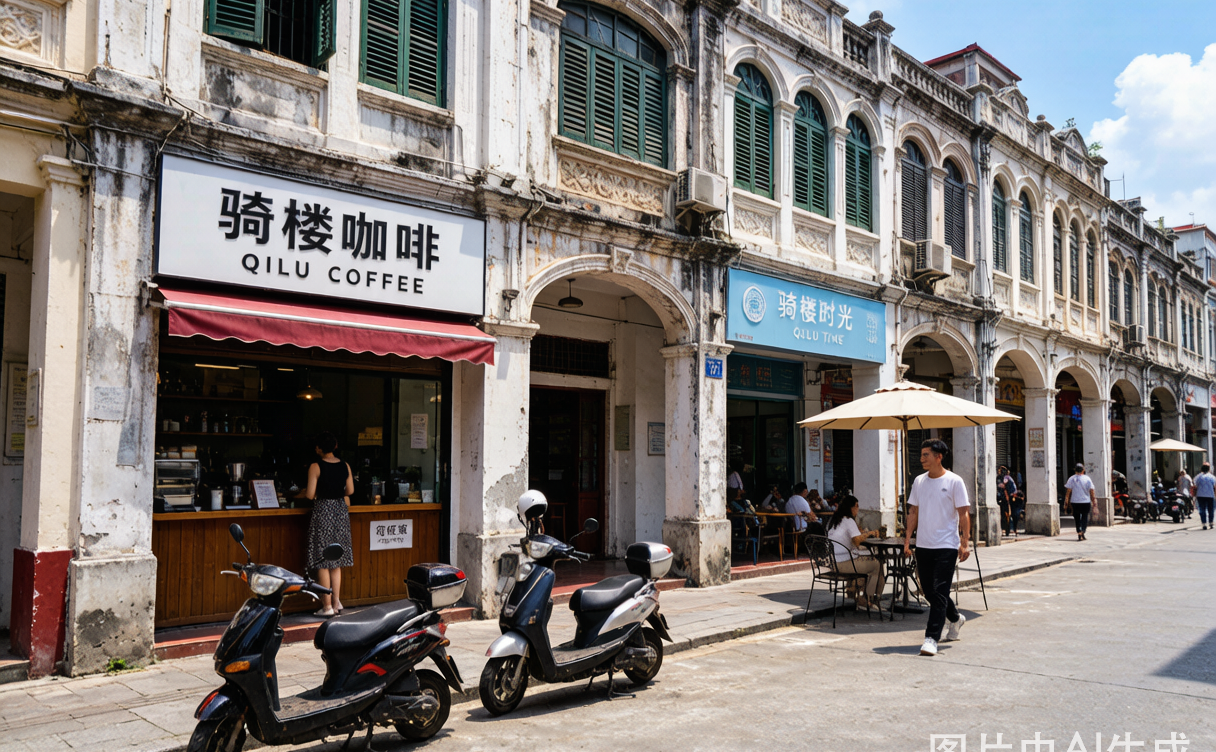
The things to do in Haikou list starts in the arcade quarter, whereNanyang-style shophouses with covered walkways date back to the early 1900s. It is the best place to feel the city’s trading-port past and to snack your way through a few blocks of coffee shops, tailors, and noodle stalls. Evenings are liveliest, when the lanterns come on and street musicians perform near the central fountain.
Haikou Volcano National Geopark
About 20 km from the center, this park protects a cluster of dormant volcanic cones and lava-tube caves you can walk through. Trails are gentle, and the summit offers wide views over the coastal plain. A visitor center explains the region’s geology in clear, illustrated panels, and the surrounding villages sell volcanic-rock handicrafts.
Holiday Beach and the West Coast
Holiday Beach is the city’s main stretch of sand, good for a sunset walk and a seafood dinner nearby. For a quieter scene, head further west toward the mangrove boardwalks of Dongzhai Port, where boat tours glide past egret rookeries and crab forests teeming with life at low tide.
Hainan Museum
A calm, well-curated introduction to the island’s Li and Miao minority cultures, maritime history, and the story of how Hainan became a province. A useful stop on a rainy afternoon, and free to enter with your passport. The adjacent park is pleasant for a post-museum stroll.
Where to Stay in Haikou
Most visitors stay in the downtown area near Qilou Old Street or along the West Coast. Downtown puts you within walking distance of food and history; the West Coast is better for sea views and newer resorts. Expect to pay around ¥250–500 per night for a comfortable mid-range room, rising to ¥800+ at international beach resorts. Apartments near the marina are popular for week-long stays, and hostels cater to the backpacker crowd exploring the island by rail.
Haikou Food and Local Specialties
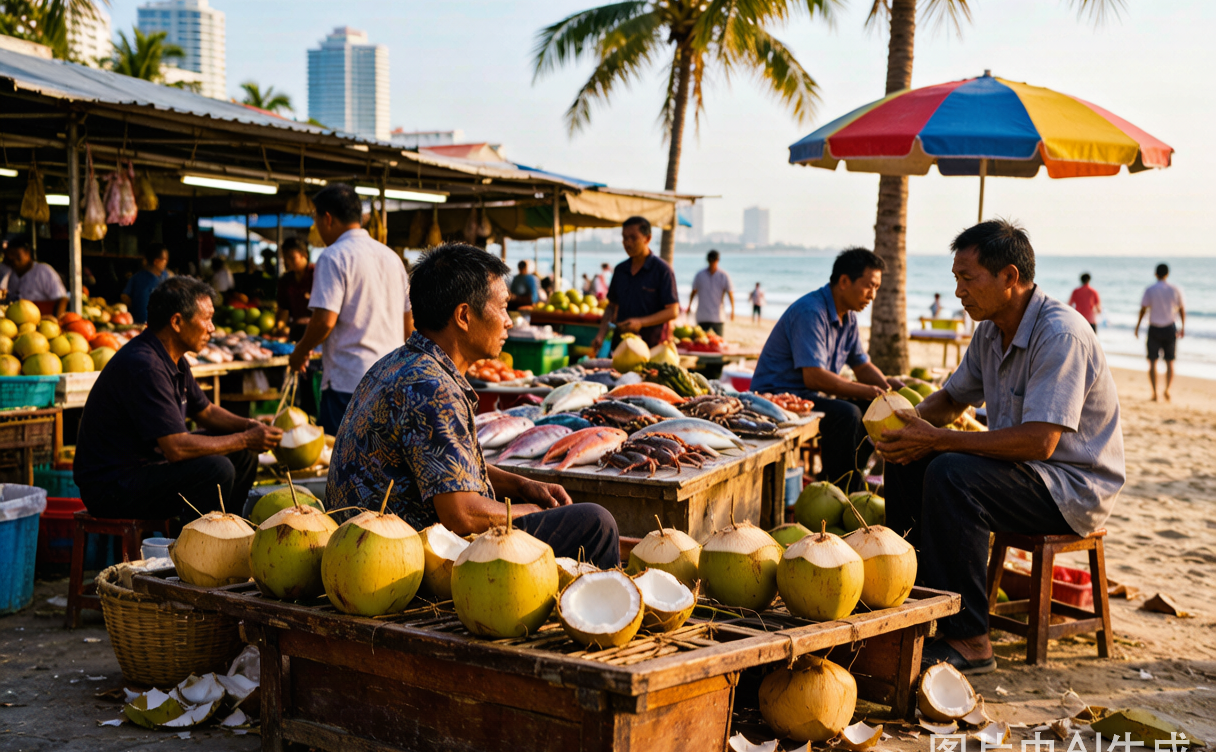
Haikou food leans into the sea: Wenchang chicken (a tender steamed or roasted breed), fresh coconut, hele crab, andqingbuliang (a shaved-ice dessert with beans, fruit, and coconut milk) are local signatures. The night markets aroundBo’ai Road are the easiest place to graze. If you want a beach-day contrast, our Sanya Yalong Bay guide covers the resort coast an easy train ride south, where the sand is finer and the hotels plusher, a nice counterpoint to Haikou’s working-port charm.
Haikou Itinerary
A Haikou itinerary of two to three days works well:
- Day 1: Qilou Old Street in the morning, Hainan Museum in the afternoon, seafood dinner downtown.
- Day 2: Volcano Geopark in the morning, Holiday Beach at sunset, night market grazing.
- Day 3 (optional): Day trip south by train to Sanya, or a mangrove boat tour at Dongzhai Port.
Haikou vs Sanya really comes down to mood: Haikou is the everyday island, Sanya is the holiday postcard. Many travelers do both on one Hainan loop, riding the coastal railway between them and splitting a week between culture and beach.
Haikou Travel Tips
A few Haikou travel tips: carry a reusable water bottle (it is hot year-round), use DiDi for airport runs, and download a translation app for market menus. The city is flat and bike-friendly, and the metro is simple enough to navigate without much Chinese. Mosquito repellent is wise in the rainy season, and small restaurants often prefer cash or a local payment app, so withdraw some yuan on arrival.
FAQ
Is Haikou better than Sanya?
They serve different goals. Haikou is cheaper, more local, and better for culture and food; Sanya has the famous beaches and resorts. Both appear in our broader roundups of southern highlights for travelers comparing options.
Do I need a visa for Haikou?
Most foreign visitors need a Chinese visa, though Hainan has offered visa-free entry for certain nationalities — verify current rules before travel, as they shift often.
How many days in Haikou is enough?
Two to three days covers the city and a side trip; add more if you loop down to Sanya.
What is Haikou known for?
Arcade architecture, volcano parks, and some of Hainan’s best everyday street food.
Final Thoughts
This Haikou travel guide shows why the capital deserves more than a transit stop: a walkable old town, easy volcano hikes, and a food scene that beats the resorts for authenticity. Visit during the best time to visit Haikou from November to April and you’ll see the island at its most comfortable. For season planning across the country, check our best time to visit China guide and start building your Hainan adventure today.