

Most first-time visitors to Northeast China build their itinerary around Shenyang, Harbin, and Dalian, and they are not wrong to do so. But if you are the kind of traveler who likes the quieter, stranger corners, a proper Tieling travel guide should open with a confession: Tieling is funnier than its size on the map suggests. This prefecture-level city in central Liaoning is the undisputed comedy hometown of China, the cradle of the sketch-comedy tradition that dominates Chinese New Year television, and the real-world setting of the long-running rural sitcom that nearly every Chinese household seems to know by heart. We have sent clients here who expected a sleepy agricultural backwater and left quoting local one-liners they could not fully translate.
That said, Tieling is far more than jokes. The city sits on the northern edge of the Liaohe Plain, ringed by low wooded hills, reservoirs, and some of the most underrated countryside in Liaoning. If you are researching things to do in Tieling Liaoning, the honest answer is this: come for a day or two as a relaxed side trip from Shenyang, time your visit for a season that has real character, and let the comedy culture and the lakes do the heavy lifting.
Getting there and getting around
The easiest way in is the high-speed train. Services from Shenyang North to Tieling West take only 20 to 30 minutes and cost ¥20 to ¥35 in second class, which makes the Tieling to Shenyang trip feel almost like a commute between suburbs. From Beijing, direct G-category trains cover the roughly 700 kilometers in about 3.5 to 4 hours, with fares around ¥330 to ¥430. Within the city itself, public buses and cheap Didi rides handle most local movement. For the outlying reservoirs and the film-base villages you will want a private car or a half-day driver, which we arrange for clients at about ¥300 to ¥450 for a half day including fuel.
The comedy hometown explained
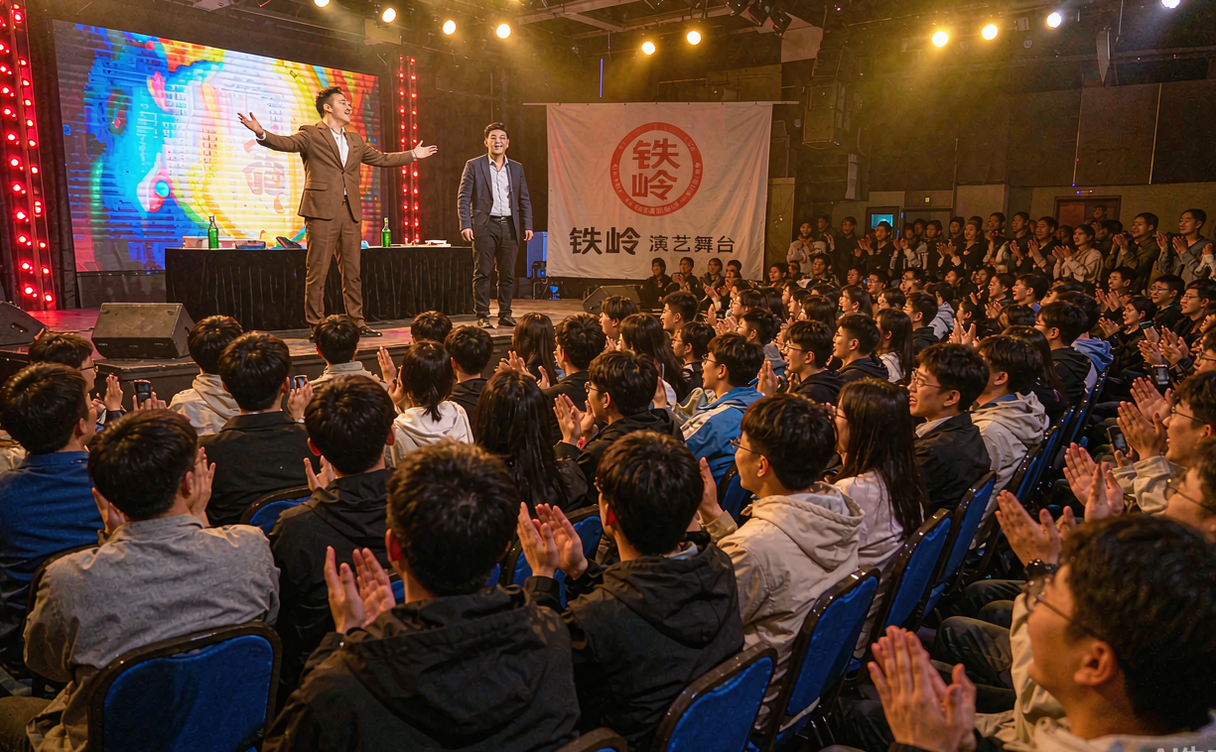
Tieling’s comic reputation grows out of a deep local tradition of errenzhuan, a fast two-person song-and-dance comedy form, and the modern sketch shows built on top of it. The most famous local son is the performer and producer Zhao Benshan, whose company turned the nearby village of Xiangya Mountain, in Kaiyuan just east of Tieling city, into a working film base for the sitcom Rural Love. You can walk the preserved sets, eat in the canteen where the cast reportedly ate between takes, and watch a live errenzhuan performance in the evening. Shows run most nights in season and cost ¥80 to ¥180 depending on the troupe. We tell first-timers to avoid the front-row seats unless they enjoy being dragged on stage to dance.
Longshou Mountain and the city core
Back in the urban center, Longshou Mountain (Longshou Shan) rises just south of the old town, crowned by the quiet Ciqing Temple and a stretch of Ming-era wall remnants. It is an easy half-day walk with good views over the Liaohe tributaries, and it pairs well with a slow stroll through the morning market below, where vendors sell dried mushrooms, pickles, and the plump local hazelnuts that Tieling is quietly proud of. This is the Tieling countryside leaking into the city, and it is where we send clients who want a feel for daily life rather than a checklist of sights.
A little history you can feel
Tieling’s position on the northern frontier meant it changed hands repeatedly between Han, Liao, Jin, and Ming administrations, and you can still sense that layering in the old town’s layout and the defensive logic of the hills. The Silver Hill Academy (Yingang Shuyuan) is a modest but well-kept reminder that this was once a serious place of classical learning, not just farmland. We like to point it out to clients who assume a comedy town has no serious past; the contrast is part of the charm.
Qinghe Lake and the pine country
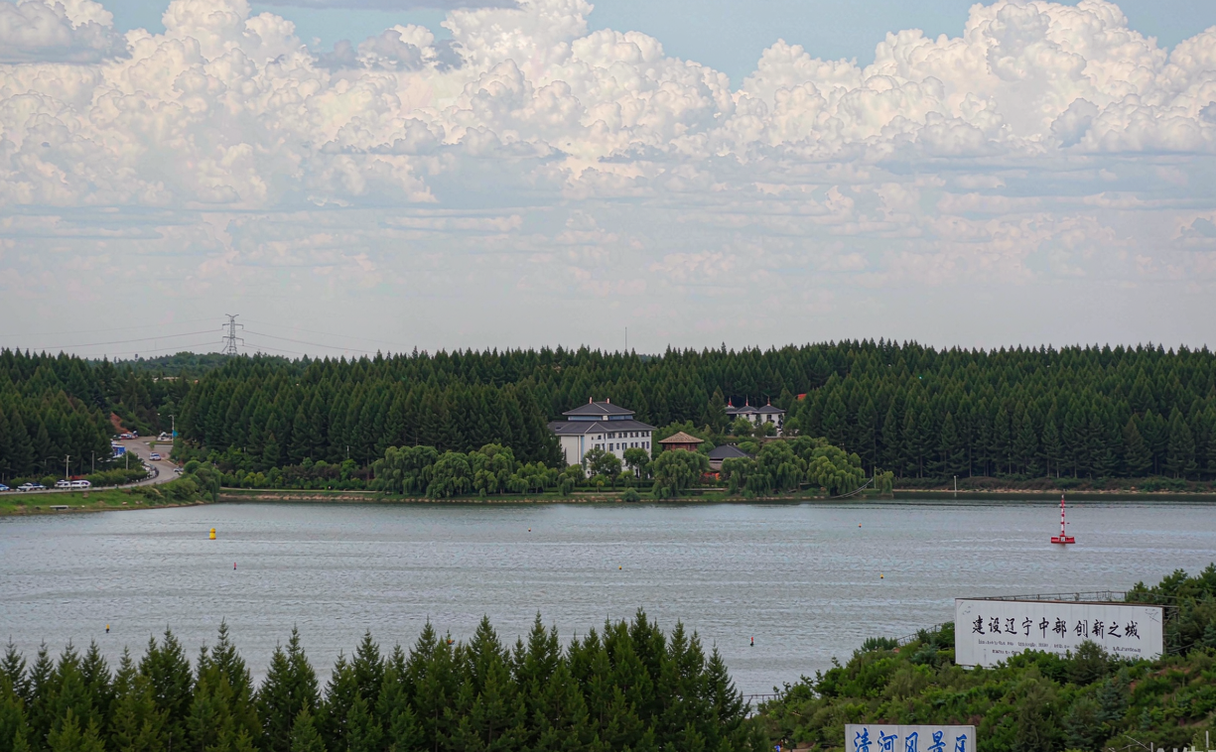
The single best reason to linger overnight is Qinghe Reservoir, known locally as Qinghe Lake, about 40 kilometers east of the city center. In summer the water is framed by pine forest and low green hills, with paddle boats, a lakeside walking path, and simple guesthouses that rent for ¥200 to ¥400 a night. It is a calm, family-friendly spot rather than a thrill destination, and it makes a gentle contrast to the alpine drama of Tianchi lake in Xinjiang, China, or the terraced shoreline of Qiandao Lake near Hangzhou. If you want a bigger, bluer lake on a different kind of trip, our guide to Erhai Lake in Dali covers the Yunnan side of things, while the Namtso lake in Tibet, China article explains what high-altitude lakes demand from visitors.
Winter on the frozen lake
Come in January and the whole mood changes. Qinghe freezes solid, and local fishers cut holes for the winter fishing, the dongbu tradition that northern Liaoning is known for. You can watch net hauls of fat river fish pulled onto the ice, then eat them hours later at a roadside restaurant for ¥40 to ¥70 a head. The light is low and gold, the air is brutally clear, and the comedy shows move indoors where the beer flows freely. This is the Tieling countryside at its most authentic, and it is the version we recommend to photographers who can stand the cold.
Food, markets, and slow days
Beyond fish, Tieling eats like the rest of the Liaohe plain: hazelnuts, spring onions, hearty hand-pulled noodles, and a local roast duck. The rural markets on Sunday mornings are worth a slow wander, full of dried goods, tools, and old men haggling with the theatrical energy that would not be out of place on a comedy stage. If you are planning a broader Northeast or national trip and debating where to base, our Beijing versus Shanghai comparison helps you think about city tempo and logistics, but for slow rural China with a sense of humor, Tieling is the sleeper pick.
Best photo spots
For images that actually say Tieling, shoot the frozen net-haul in January, the pine-framed Qinghe shoreline at dawn in summer, and the red lanterns of the evening market against the snow. The comedy theater interior, with its cramped tables and total audience focus, makes a wonderful candid study of Chinese leisure.
Where to stay and for how long
Budget hotels in the city center run ¥150 to ¥280; a comfortable four-star near the station is ¥350 to ¥500. Most travelers need one full day plus an evening show, or two days if they add Qinghe and a winter-fishing morning. We usually pair Tieling with an overnight in Shenyang so clients get both the comedy hometown and the provincial capital’s museums and imperial relics in one loop.
A simple two-day plan works well. Day one: arrive by mid-morning train from Shenyang, walk Longshou Mountain and the old town, then catch an evening errenzhuan show. Day two: hire a driver to Qinghe Lake for the morning, return for a Sunday market if the timing lines up, and train back. In January, swap the lake walk for the ice-fishing spectacle.
According to the overview on Tieling, Liaoning on Wikipedia, the area has been a settled agricultural and frontier zone for more than a thousand years, which helps explain why its rural culture runs so deep.