

Most foreign travelers who land in Hubei never leave the Wuhan bubble, and honestly Wuhan deserves the attention. But a proper Ezhou travel guide should correct that blind spot, because Ezhou sits right against Wuhan’s eastern edge and holds a piece of Chinese history that the bigger city borrowed its name from. If you are wondering about things to do in Ezhou Hubei, the short version is: come for half a day to a full day as a side trip from Wuhan, walk a riverside hill crowned with temples, eat the fish that gave a famous poem its line, and watch the Yangtze do what it has done here for two thousand years.
What Ezhou actually is
Ezhou is a prefecture-level city in eastern Hubei, on the south bank of the Yangtze, squeezed between Wuhan to the west and Huanggang to the east. Its claim to fame is historical: this was ancient Wuchang. When the warlord Sun Quan declared himself emperor of Eastern Wu in the third century, his capital was here, not the Wuchang district of modern Wuhan. The name later migrated, which is why travelers get confused. We tell clients to think of Ezhou as the original Wuchang, the seed version, and the place where the celebrated Wuchang fish actually comes from.
Getting there and around
The Ezhou to Wuhan trip is almost trivial. High-speed trains from Wuhan Station to Ezhou Station take 20 to 40 minutes and cost ¥15 to ¥30 in second class, and there are also frequent services from Wuchang and Hankou stations. Ezhou even has its own airport, Huahu, which opened in 2022 as Asia’s first dedicated cargo airport and now handles some passenger flights, though most visitors still route through Wuhan Tianhe and train in. Inside Ezhou, buses and Didi cover the city; for Xishan and the lakes you can use rideshare or a short taxi.
Xishan and the riverside temples
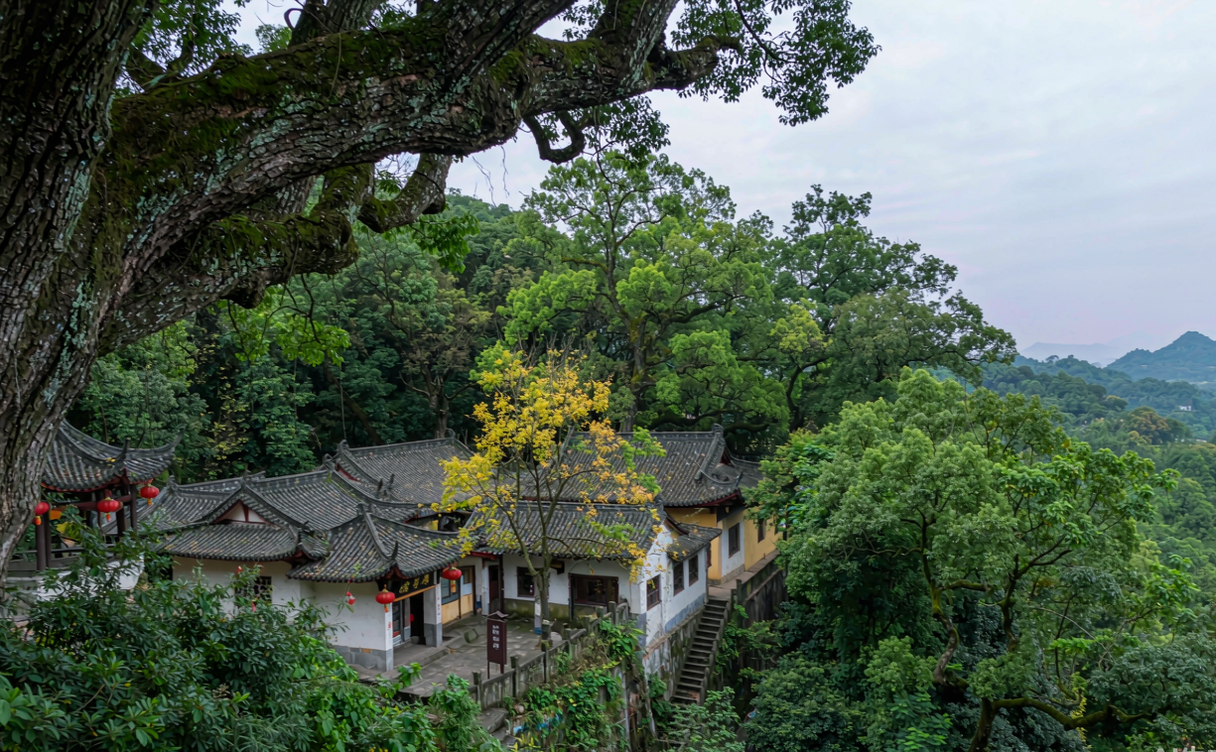
The anchor sight is Xishan, the Ezhou Xishan mountain, a green hill on the city’s western side with a cluster of temples, pavilions, and the reconstructed Wu Wang Bishu Gong, said to be where Sun Quan escaped the summer heat. The pathways are shaded and manageable, the Wuchang Lou tower gives a tidy view over the Yangtze, and the ancient Lingquan Temple is still active, with incense and afternoon chanting. We send clients here in the late afternoon when the light softens and the tour groups thin out. Entry is cheap, usually ¥20 to ¥40, and you can comfortably spend two to three hours.
Why the name keeps confusing people
The Wuchang name shuffle trips up even Chinese travelers. Modern Wuhan’s Wuchang district became the political center later, while Ezhou kept the temples, the fish, and the older story. We mention it because clients often ask why a Wuhan dish is celebrated in Ezhou; the answer is that the fish was always Ezhou’s, and the name simply traveled.
A simple walking route
From Ezhou Station, take a Didi to the foot of Xishan (about 15 minutes, ¥12 to ¥20). Climb the shaded paths to Wuchang Lou, descend through Lingquan Temple, then walk or ride down to the riverfront for the late-afternoon light. Dinner at the night market, train back to Wuhan by 9 p.m. That is a full, satisfying day without a guide if you are comfortable with maps, though we prefer to send a driver so you are not watching your clock.
Yangtze river life
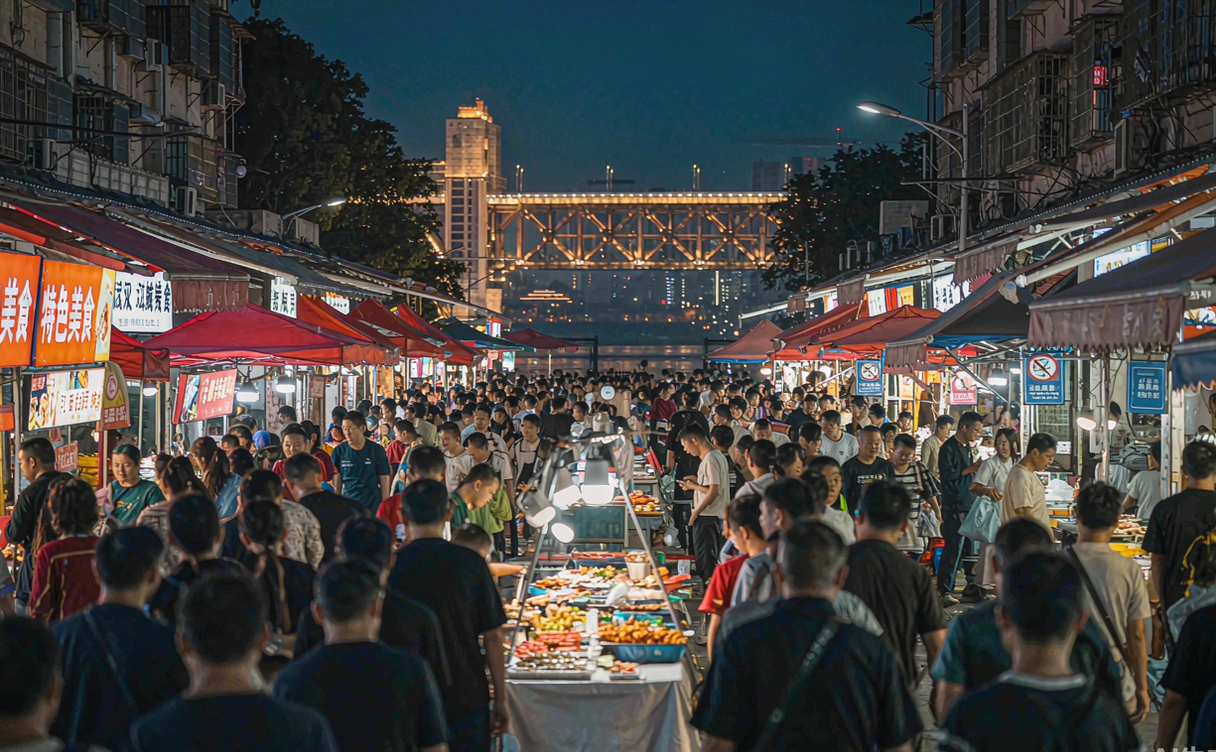
Down at the water, Ezhou lives the way river cities do. Cargo boats nudge past, ferries cross to the north bank, and a riverside night market lights up with grills and steam. This is Ezhou Yangtze river culture at its most ordinary and most real. Pull up a plastic stool, order a skewer of fish balls, and watch the current. If you want a grander river view with a famous tower, our Wuhan Yellow Crane Tower guide explains the iconic sight just upstream, and if you are choosing where to sleep after the day, the best hotels in Wuhan roundup covers comfortable bases back in the big city.
Lakes and the famous fish
Just south of the city, Liangzi Lake is the largest freshwater lake in Hubei and the source of the Wuchang fish that Mao referenced in a well-known poem about drinking Changsha water and eating Wuchang fish. In autumn the lake is famous for hairy crab, and year-round for freshwater fish cooked simply with ginger and scallion. A lake trip needs a driver, about 40 minutes each way, and a local restaurant we trust. The calm blue water makes a nice counterpoint to the alpine Tianchi lake in Xinjiang, China, or the flooded hills of Qiandao Lake near Hangzhou, both of which we cover in separate guides; for a high, cold lake of a different character, the Namtso lake in Tibet, China article is worth a read before you plan that trip.
Liangzi is more than a fishery. The lakefront towns have a slow, almost island-time feel, with ferry boats and noodle shops that open before dawn. We like to send clients for an early breakfast of fresh river noodles on the pier, then a short boat ride to one of the lake’s smaller islands for the crab sheds in autumn. The whole excursion is unhurried in a way the headline sights of Hubei rarely are.
Food you should not miss
Beyond the fish, Ezhou eats from the river and the lake: fish balls, freshwater shrimp, and a local steamed fish dish that needs no sauce to taste good. The fish balls here are made fresh each morning, with a springy texture that the vacuum-packed versions in supermarkets never reach. The night market is the easiest place to graze. We advise clients to avoid the biggest tourist tables and follow whichever grill has the most local families queuing.
A two-day Ezhou and Wuhan idea
If you have a full day, train from Wuhan after breakfast, do Xishan and the riverfront, cross to Liangzi for the afternoon, and return to Wuhan for the night; if you have two, add a morning at the lake market and a slow riverside dinner. The city is small enough that nothing feels rushed, and the contrast between Ezhou’s 1,700-year-old hills and Wuhan’s frantic skyline is itself worth the short ride.
Best photo spots
Shoot Wuchang Lou against the river at golden hour, the lantern-lit night market for color, and the mist over Liangzi Lake in early morning. The temple rooftops framed by old cypress make a clean, very Chinese postcard.
When to come and how long
Spring and autumn are best, with mild temperatures and clear river light. Summer is hot and humid, winter is raw but quiet. Most visitors need half a day to a full day; pair it with Wuhan for an easy overnight. According to the summary on Ezhou on Wikipedia, the city’s recorded history stretches back more than two thousand years, which is why its ancient-Wuchang identity still matters.