

Wuhan sits where the Yangtze meets the Han River, three towns welded into one sprawling city that also happens to be one of China’s biggest rail hubs. Picking the best hotels in Wuhan really comes down to which of those towns you want as your base, because crossing the rivers at rush hour eats time you could spend eating breakfast noodles. We have walked newcomers through this choice dozens of times, and the pattern is steady: Hankou for business and riverside luxury, Wuchang for the lake and the old tower, Hanyang for quiet value, and Optics Valley for the tech belt to the south.
Hankou is the obvious first thought for anyone who wants polish. The riverside strip near Jianghan Road and the former concession blocks holds the city’s grandest addresses, where international brands run large lobbies and club floors with Yangtze views. These are the kind of luxury hotels Wuhan visitors book when the trip is corporate or celebratory, and the standard rooms run roughly from RMB 900 up past RMB 2,000 a night in peak season. You are a short taxi or metro hop from the airport express line, and a fifteen minute walk puts you at the Hankou riverbank for evening strolls past the old warehouses. The trade off is price and the fact that the headline attractions sit across the water, so every sightseeing day starts with a crossing.
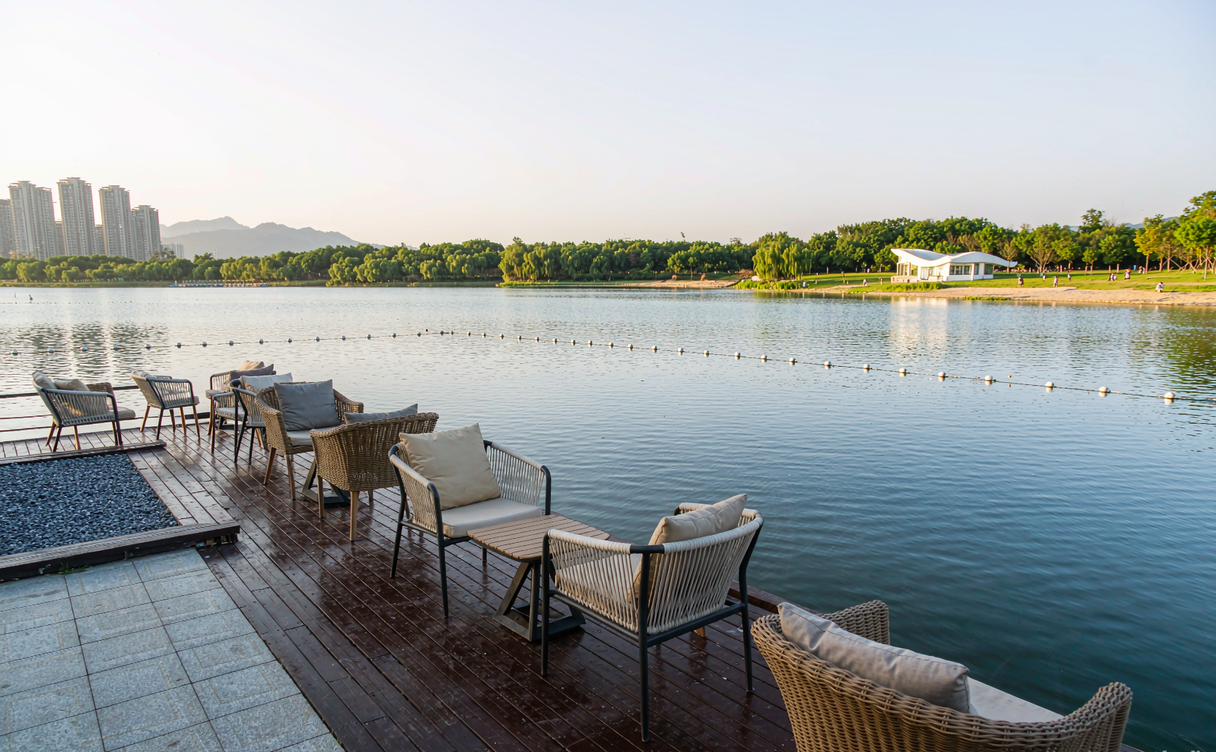
If you would rather wake up to water that stays still, look at the East Lake side in Wuchang. Best hotels near East Lake lean toward resort style properties and large serviced complexes set back from the water, with green space that families actually use. This is where to stay in Wuhan if your plan includes slow mornings, rented bikes, and the botanical garden rather than back to back sightseeing. Rooms here typically land in the RMB 600 to RMB 1,400 range depending on the view and the season. The commute to the city center runs twenty to forty minutes by metro, so budget that into every outing. Our Wuhan East Lake guide lays out the cycling routes and which gates to enter, which helps you decide how close you need to be to the water.
Wuchang also covers the area around Yellow Crane Tower, and that is the sweet spot for first timers who want landmarks on foot. Wuhan boutique hotels have planted themselves in the renovated lanes near the tower and the tea houses, small places with design leanings and attentive desks that will call a driver for you. Expect RMB 500 to RMB 1,100 a night. You can walk to the tower, the Yangtze ferry, and the Hubei Provincial Museum cluster across a couple of days, which keeps transit simple. The catch is weekend crowding and thin walls in the older converted buildings, so ask for a quiet floor when you book and pack earplugs if you are a light sleeper.
For families, the mid range chain hotels strung along the Wuchang and Hankou metro lines do the heavy lifting. Family hotels Wuhan parents recommend tend to be the familiar Chinese and international chains with triple rooms, laundry, and a breakfast that includes the local hot dry noodles. Rates sit around RMB 350 to RMB 700, and you trade character for predictability, which is a fine deal when a child needs a known routine. These properties cluster near major stations too, so a same day rail arrival from another province does not mean a long transfer with luggage, and the front desks are used to handing out band aids and directions to the nearest pharmacy.
Hanyang sits across from Hankou and is the value play. You get decent four star product at RMB 400 to RMB 800, quieter streets, and the Guiyuan Temple within walking distance, but you accept longer hops to the East Lake and the tower. Optics Valley to the south is where the universities and software parks pull a younger, budget conscious crowd; hostels and compact business hotels dominate under RMB 400, and the night market scene there is genuinely good, with university town energy and cheap skewers until late.
Booking carries a few Wuhan specific notes. Every hotel, from the grandest riverside tower to a guesthouse, must register your passport at check in, and the front desk scans it into the public security system, so carry the document even for a one night stay and do not expect to leave it in the room safe. Summer is the soft peak: the city is famously hot and humid, and lakeside rooms near East Lake carry a premium from June through August because locals and domestic tourists both want the breeze. Spring and autumn are the comfortable windows and also the busy ones for conferences, so lock in a room three weeks out if you travel in April or October. The big holiday weeks around Chinese New Year and National Day in early October squeeze availability hard, and walk up rates can double, so we tell people to book before they fly, not after they land.
Commute math matters more than star ratings here. From a Hankou riverside hotel to Yellow Crane Tower is roughly twenty five minutes by metro with one transfer; from East Lake to the Hankou concession is closer to forty. If your days center on the Wuhan three town circuit of tower, lake, and museum, Wuchang saves you the river crossings. If meetings pull you to Hankou, stay there and treat the lake as a half day trip rather than a daily commute.
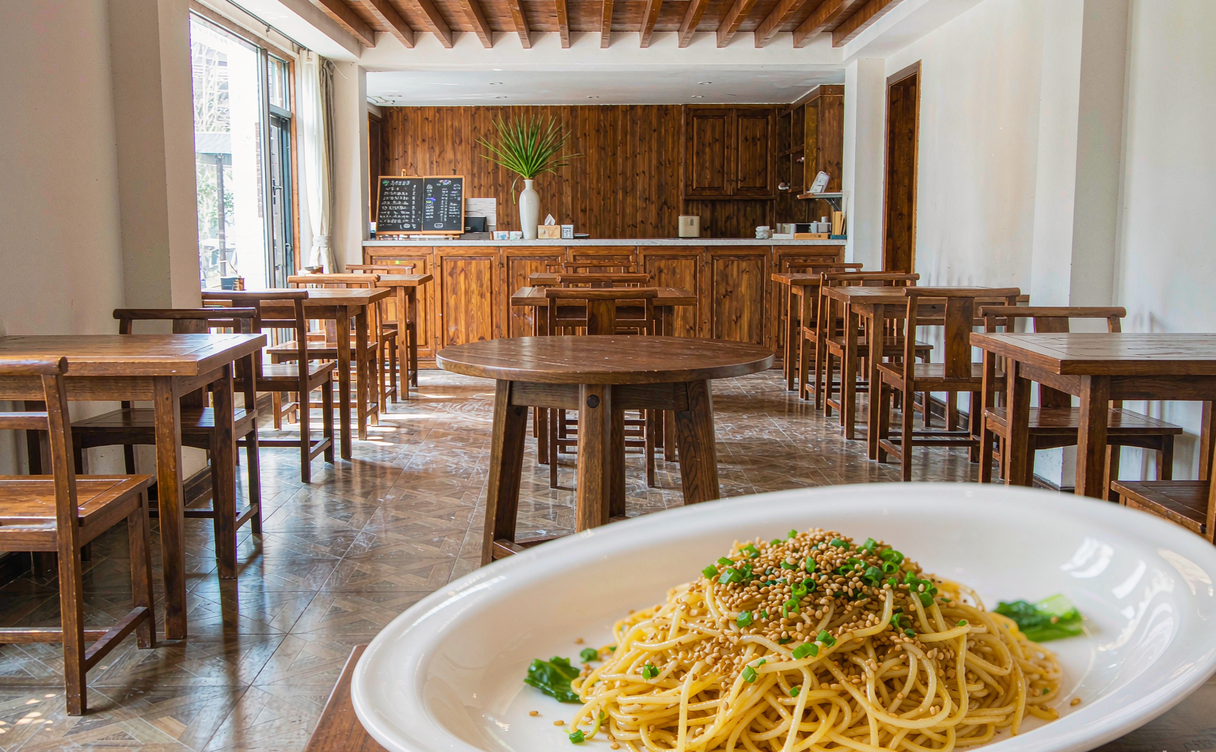
Where you eat feeds into the hotel choice too. The city’s breakfast culture, the famous hot dry noodles, is best caught near your door before nine in the morning, and our Wuhan food guide maps the lanes worth the walk. Staying near Jianghan Road or the Wuchang old town puts several breakfast spots within a block, while the lakeside resorts mean a hotel buffet or a cab ride for the real thing, and the cab ride is its own small adventure in Wuhan traffic.
We lean on a few rules of thumb when placing visitors. Solo business, Hankou riverside. Couples wanting calm, East Lake. First timers ticking landmarks, Wuchang by the tower. Families with kids, a chain near a metro interchange. Long stay or remote work, look at a serviced apartment for monthly rates that beat nightly stacks. Whatever you pick, the Wuhan hotel guide we maintain tracks new openings and seasonal swings, so check it against the dates you have before you commit.
The station question deserves a word. Wuhan has three rail stations, one per town, and they are not interchangeable; a wrong assumption means a cross city taxi in traffic. Tell your hotel which station your train uses and ask them to confirm the metro route; the desk will know, and a five minute question at booking saves a forty minute error later. The airport shuttle from Tianhe is reliable but slow at night, so a Hankou property cuts the pain if you fly in late.
Ride apps work well, but foreign card linking on Chinese platforms is uneven, so keep cash or a China ready payment setup for cabs outside the tourist core. The China hotel booking guide for foreigners walks through which international platforms actually confirm with Chinese properties and where you still need a local app or a travel agent to avoid a canceled reservation on arrival, which happens more than people expect when the card flag does not match the name on the room.
Wuhan rewards a base you trust. Pick the town first, the tier second, and the view third, and the rest of the trip runs smoother than the map suggests. The rivers are wide and the metro is fast, but nothing replaces stepping out of the lobby already in the right neighborhood, with your passport in your pocket and a noodle shop in mind.
The food scene alone justifies a careful hotel pick. Breakfast runs early and ends early, the duck and lotus root soup is a dinner ritual, and the street barbecue along the riverside comes alive after ten. If you stay out in Optics Valley for the price, plan a metro ride back in for at least one old town breakfast, because that is the Wuhan people actually live, not the one staged near the tower.
For a deeper read on the landmark itself, the Wikipedia entry on Yellow Crane Tower gives the poetic background and the rebuild history that the on site plaques only summarize in a line or two.
Families should weigh the lake properties hardest. The open space absorbs energy that museums do not, the bikes are cheap to rent, and the hotels there expect children, which shows in the pools and the breakfasts. The trade is the metro ride to the core sights, so build one landmark per day rather than two and let the lake be the afternoon.
Longer stays bend the math toward serviced apartments, where a kitchenette and a washer turn a two week trip from a hotel bill into something manageable. The operators worth using take foreign guests and passports cleanly, which matters more than the decor when you are settling in for a month and do not want a weekly front desk interview.
Wuhan is a city of junctions, and the right hotel is just one more junction handled well. Choose the town, set the budget, register the passport, and let the noodles lead the rest of the plan.