

Picking the best hotels in Nanjing is about balancing the city’s layered past with the broad Yangtze that runs along its north edge. The old capital of several dynasties wears its history openly, from the Ming city wall to the Confucius Temple lanes, and most visitors want a room that puts them near either the river or the old town. Our Nanjing travel guide lays out the districts, and the hotel question follows from there: where to stay in Nanjing depends on whether you came for the temples, the wall, or the calm by the water. Below is a concrete shortlist by type and price, drawn from places we have booked for visitors.
The luxury tier sits in the Xinjiekou center and along the riverside. The Shangri-La Nanjing and the InterContinental anchor the center with big rooms and serious spas; the riverside Pullman and the adjacent towers give you the Yangtze out the window and a quieter night than the busy core. Expect roughly ¥1,100 to ¥3,000 per night, with the river-view rooms at the top of that range. We recommend the center for first-timers who want the metro and the shopping, and the river for a slower second half of the trip. Luxury hotels Nanjing lists almost always open with these names, because the setting carries the stay.
If the old town is your anchor, stay near the Confucius Temple. Best hotels near Confucius Temple trade commute for atmosphere, putting you among the lantern-lit lanes, the Qinhuai River boats, and the snack streets that come alive after dark. Rates in this pocket run ¥800 to ¥1,800, and the walk along the water at night is the best part of a Nanjing stay. Our Nanjing Confucius Temple guide explains the lanes worth your time, so you are not paying for a room above a street you never walk. We like this pocket for a first night, because the history lands harder when it is outside your door.
For travelers watching the budget, the mid-range chains are reliable and foreigner-friendly. Atour, Ji Hotel, and Courtyard by Marriott line the Metro Line 1 and Line 2 corridors for ¥350 to ¥750, with consistent Wi-Fi and English signage at the desk. The Xinjiekou area and the railway station cluster have the most guesthouses and the best breakfast streets, while the South Railway Station suits bullet-train arrivals from Shanghai or Hangzhou. We put budget-minded visitors near the old town, because the food carts come out at night and the metro reaches the wall in twenty minutes.
Nanjing boutique hotels cluster in the restored lanes near the Confucius Temple and in the creative quarters by the university. Small design hotels here run ¥500 to ¥1,200, with strong coffee, weak elevators, and a student crowd downstairs. The old-town lanes suit longer stays and night walks; the university quarter suits nightlife and the younger set. We like these for second visits when the big sights are done and the point is to live the city a bit. Nanjing boutique hotels in this tier trade polish for personality, and most visitors leave happy.
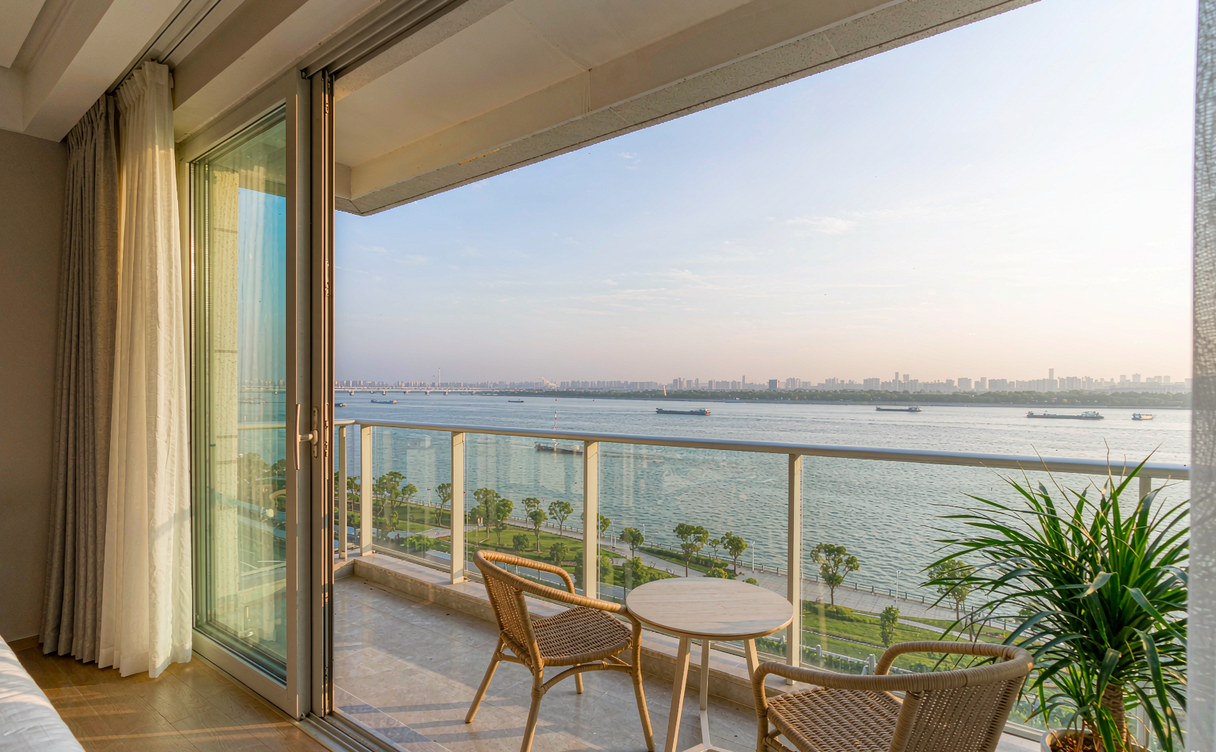
Families should look at the center towers with pools and the riverside resorts with open space. The Xinjiekou towers with club floors give parents a quiet lounge while the kids burn off energy in the mall below; the riverside properties trade that for bike paths and a calmer night. Rates sit around ¥1,000 to ¥2,000. We recommend the center for a family hotels Nanjing shortlist because the metro reach is better when a child is done with walking, and the breakfast buffets in these towers are forgiving of picky eaters. The riverside works for a recovery night before the high-speed train north.
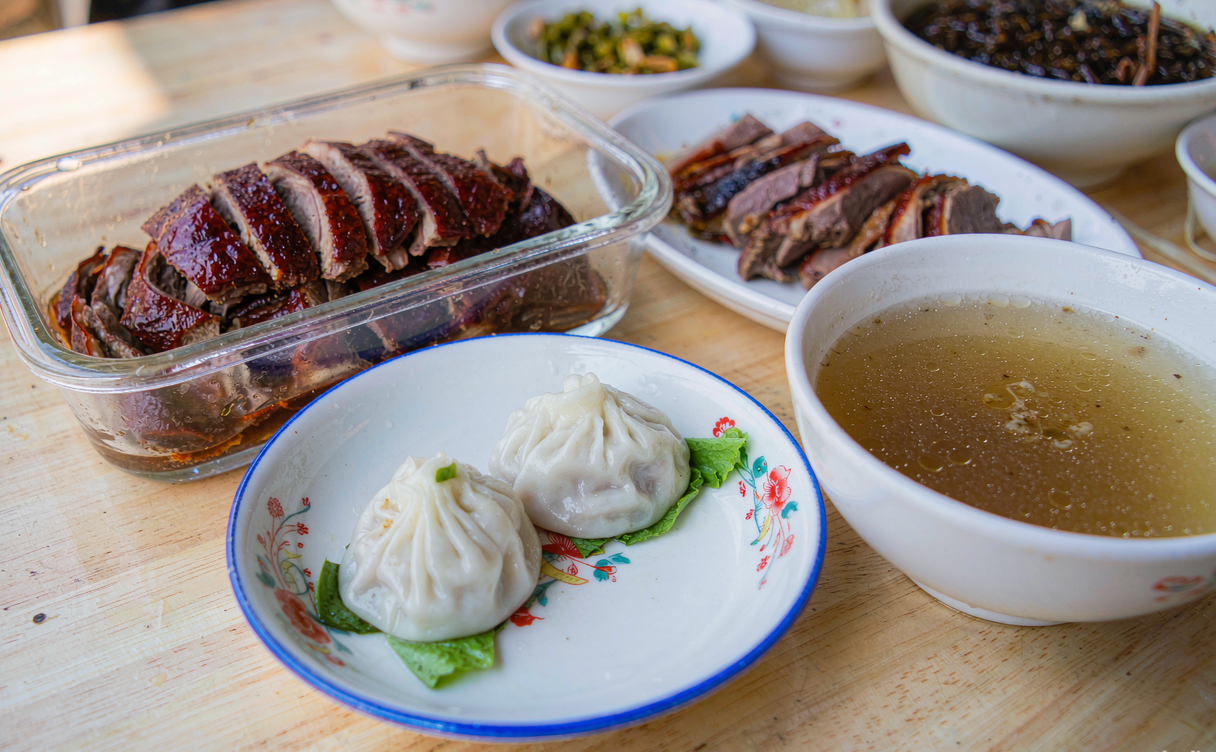
Nanjing runs on a cuisine of its own, and your hotel’s location decides your dinner. The city’s salted duck and soup dumplings are a nightly ritual, and our Huaiyang cuisine guide lists the dishes worth seeking, from the knife-work noodles to the slow-cooked lion’s head meatballs. Hotels in the center put you above the best dinner streets; the riverside resorts trade that for quiet. Pick a hotel near a metro line and a food street, and you eat better for less. Nanjing hotel guide advice we give everyone: do not book a room without checking what is downstairs, because the ground floor sets the tone.
Booking timing is the quiet trap. Spring, from March to May, and autumn, from September to November, are the comfortable windows and the city fills; summer is hot and the worse value; winter is cold but cheap and thin on tourists. Passport registration applies at every property, international cards work at the chains, and the smaller inns may want Alipay or WeChat Pay linked to a foreign card. We tell clients to lock the room the day they lock the flight, because Nanjing’s place on the Beijing-Shanghai line means the good rooms vanish in peak weeks.
The lower Yangtze is the real reason many people come. Yangzhou sits an hour west by high-speed rail, with its own gardens and morning tea, a gentle next step after Nanjing; our separate guide covers its slim west lake and the slow cafes, a useful add-on to a Nanjing base. We coach visitors to treat Nanjing as the hinge: two or three nights for the wall and the temple, then a day trip or an overnighter west, then back before the train north. A hotel near the railway station makes that hinge work, even if the view is dull.
The Yangtze is the city’s spine, and the Nanjing entry on Wikipedia gives useful background on its role as a former capital, worth a read before you stand on the wall and try to picture the layers of dynasty beneath your feet. Knowing which gate you are walking through changes how you photograph it, and it explains why the riverside hotels charge what they do for a quiet night.
A walk on the Ming city wall is the best free orientation the city offers, and staying near a gate puts that walk at your door. The wall circles the old center, and the section above Xuanwu Lake is flat and quiet in the early morning before the tour buses. We send visitors up there on day one so the rest of the trip makes spatial sense, and a hotel within a metro stop of a gate keeps the climb easy. The metro itself reaches the Confucius Temple, the station, and the riverside on three lines, so most days you never need a car.
Nanjing’s weight as a former capital shows in its museums more than its skyline. The Nanjing Massacre Memorial Hall is a sober, necessary visit for understanding the twentieth century here, and the Presidential Palace traces the republican era; both sit on metro lines and reward a half day each. We recommend spacing them across separate mornings rather than stacking, because the emotional load is real. A hotel in the center keeps both within a short ride, and the old town’s evening calm balances the daytime weight.
A practical note on payment, since it trips people up. Most luxury and mid-range desks take Visa and Mastercard, but the boutique inns near the Confucius Temple often prefer a Chinese payment app, and some ask for a deposit in yuan. Link Alipay to your home card before you fly, and keep a little cash for the guesthouses that still run old terminals. The front desks see foreign guests daily and will walk you through it, but a plan beats a puzzled stare at midnight.
In the end, the best hotels in Nanjing are the ones that fit the rhythm of your days: a riverside tower for the water and the calm, a center hotel for the food and the metro, a budget chain for the launch west or north. We have watched travelers pay premium river rates and never walk the shore, and others take a ¥400 room near a duck stall and call it the best trip of their lives. Match the room to the plan, ride the rail, and let the city wall be the bonus rather than the reason.