

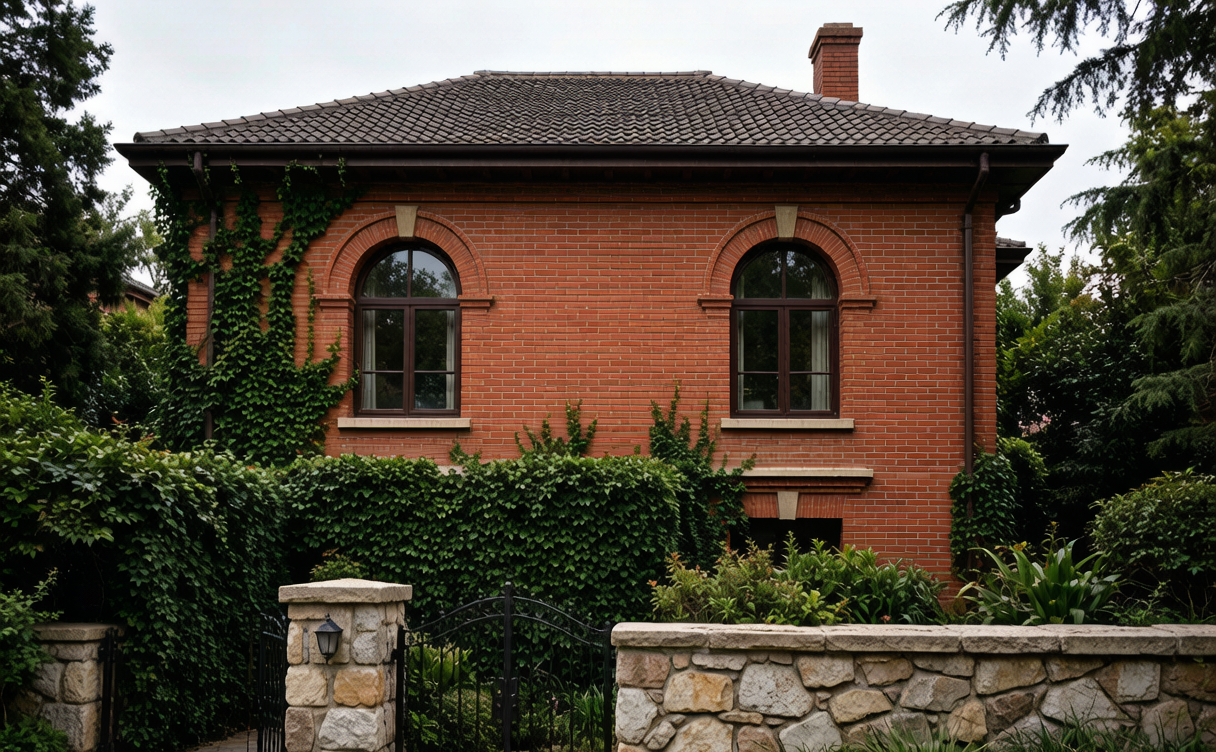
Tianjin is often treated as a half-day stop on the way to Beijing, but that sells the city short. Its most distinctive corner is the Five Great Avenues, a grid of leafy streets in the former foreign concessions where more than two thousand European-style houses sit behind garden walls. A good Five Great Avenues guide starts with the local name, Wudadao, which simply means “five big roads.” The area is the easiest place in northern China to feel like you have wandered into a quiet European quarter without leaving the country.
The district lies in the Heping district, southwest of the city center, and it is flat, shaded, and made for slow wandering. Unlike the busy riverside or the commercial core, the avenues stay calm even on weekends, which is exactly why cyclists and photographers like them. If you are planning the wider city, our Tianjin travel guide lays out hotels and how to move between districts.
Why the avenues look the way they do
In the late nineteenth and early twentieth centuries, Tianjin became a treaty port where several foreign powers held concession territories. The result was a patchwork of building styles: British brick terraces, French mansard roofs, German gabled houses, and Italian villas, all dropped into a Chinese city. The Five Great Avenues collected the residential end of that mix, built for foreign residents and wealthy Chinese families who wanted a quiet, park-like address.
What survives today is unusual because so little was bombed or torn down. The streets were widened and the gardens kept, so the houses read as a coherent neighborhood rather than scattered monuments. Walking here is less about ticking off sights and more about the cumulative effect of a hundred different facades along tree-lined roads.
The five roads themselves
The five avenues that give the area its name are Machang Dao, Munan Dao, Dali Dao, Changde Dao, and Chongqing Dao. Each has its own character. Machang Dao is the widest and most open, good for a first look at the bigger villas. Munan Dao and Dali Dao hold many of the best-preserved mansions and the denser garden planting. Changde Dao is quieter and more residential, while Chongqing Dao runs along the southern edge where the houses give way to newer blocks.
A practical Wudadao Tianjin walking route starts at the north end of Machang Dao, loops through Munan and Dali, and returns along Changde, covering the highlights in about two hours at an easy pace. The whole loop is under three kilometers, so it is not a test of stamina, just a pleasant amble with frequent reasons to stop.
The villa museums you can step inside
Several of the houses have been opened as small museums, and the most visited is the former residence of Zhang Xueliang, the warlord and statesman whose life touches a messy stretch of modern Chinese history. The house is a tidy Mediterranean-style villa with period furniture and a few rooms devoted to photographs. It is worth the ticket if only to see how a wealthy Tianjin household was furnished in the 1920s.
Other residences open on a rotating schedule, and the local tourism office posts the current list at the entrance kiosk. A Tianjin villa museum visit is best done in the morning, when the light comes through the garden trees and the rooms are empty. Guided tours in English are limited, so a translation app covers the bilingual placards well enough.
Riding the avenues on two wheels
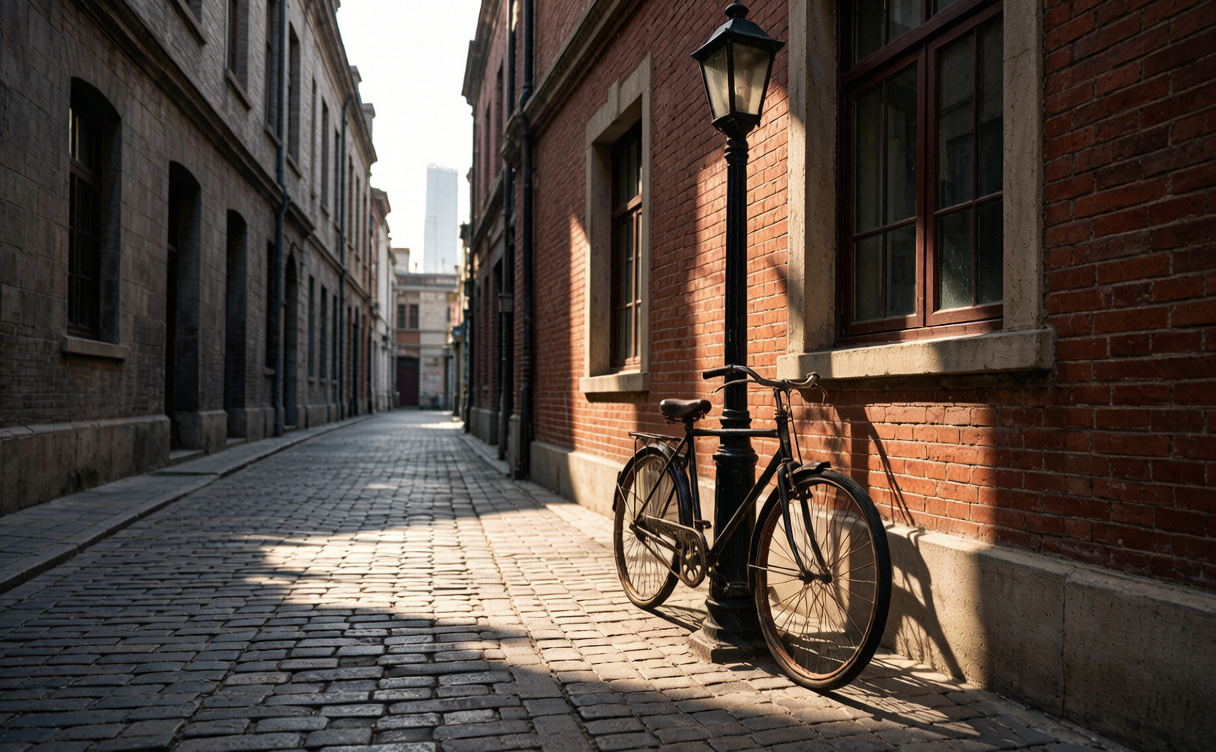
The flat ground and low traffic make this one of the better places in China to cycle for pleasure rather than commute. A Wudadao bike rental is easy to arrange: shared bikes are parked at the avenue entrances, and a few shops near the north gate rent proper city bikes by the hour. Ride slowly, because the roads are shared with strollers and the occasional wedding photographer.
If you want to extend the ride, the greenway along the Haihe River is a short hop north and connects to bigger cycling paths. Our China bike sharing guide explains how the apps work for foreign visitors and which ones accept international cards, which saves a lot of fumbling at the first dock.
How to get to Five Great Avenues
The simplest way is the metro. Line 1 and Line 3 both reach the area, with Xiaobailou and Yingkoudao stations putting you within a ten-minute walk of the northern avenues. Taxis and ride-hailing are cheap and the drivers know Wudadao by name. If you are coming from Beijing, the high-speed train arrives at Tianjin Station in roughly half an hour, and from there it is a short metro ride south.
Our China metro subway guide walks through buying tickets and using the apps, which is handy if Tianjin is your first stop in the country. The avenues are also an easy add-on to a Beijing first-time travel guide plan, since the cities are so close by train.
Best time of day and season
Early morning is the calmest, when residents walk dogs and the light is soft through the leaves. Late afternoon gives long shadows and warm brick tones that photographers like, and the dusk hour before the streetlights switch on is the most atmospheric. The European architecture area is a year-round destination, but autumn is the standout, with cool air and the trees turning along the roads.
Summer is hot and the midday sun is harsh, so ride or walk in the early morning and save the museums for midday. Winter is cold but crisp, and the bare trees make the villa silhouettes clearer. Spring brings blossoms in the gardens and the lightest crowds outside of holiday weeks.
Pairing it with the rest of Tianjin
The Five Great Avenues sit close enough to other sights that you can combine them in a single day. The Tianjin Eye, the large riverside ferris wheel, is a short taxi ride north and makes an easy sunset follow-up. Our Tianjin Eye ferris wheel guide covers tickets and the best time to ride for photos over the Haihe.
Food in the area is mostly cafes and hotel restaurants rather than street stalls, so plan a proper meal elsewhere or bring a snack. The Italian-style town a few kilometers north has more seating and a livelier evening scene if you want dinner after the avenues.
Practical notes
Wear good walking shoes; some of the side streets are still cobbled and uneven. Public toilets are sparse inside the residential grid, so use the facilities at the main entrances or in the cafes. The area is safe and well lit at night, though the outer roads get quiet after ten, so keep to the lit avenues if you stay late.
Official background on the conservation of the district and its listed buildings is published by the Ministry of Culture and Tourism of China, which also lists seasonal opening changes for the museum houses.