

Few travel experiences sum up modern China better than bike sharing in China for foreigners: you scan a code on the street, climb onto a bright bike, and glide past traffic that a taxi cannot beat. Mainland cities are saturated with shared bicycles from Meituan, HelloBike and (in some places) DiDi Qingju, and once your phone wallet is set up, riding costs almost nothing. This guide shows you how to unlock a bike with a foreign passport, what the rules are, and where you can park without a fine.
The three big operators
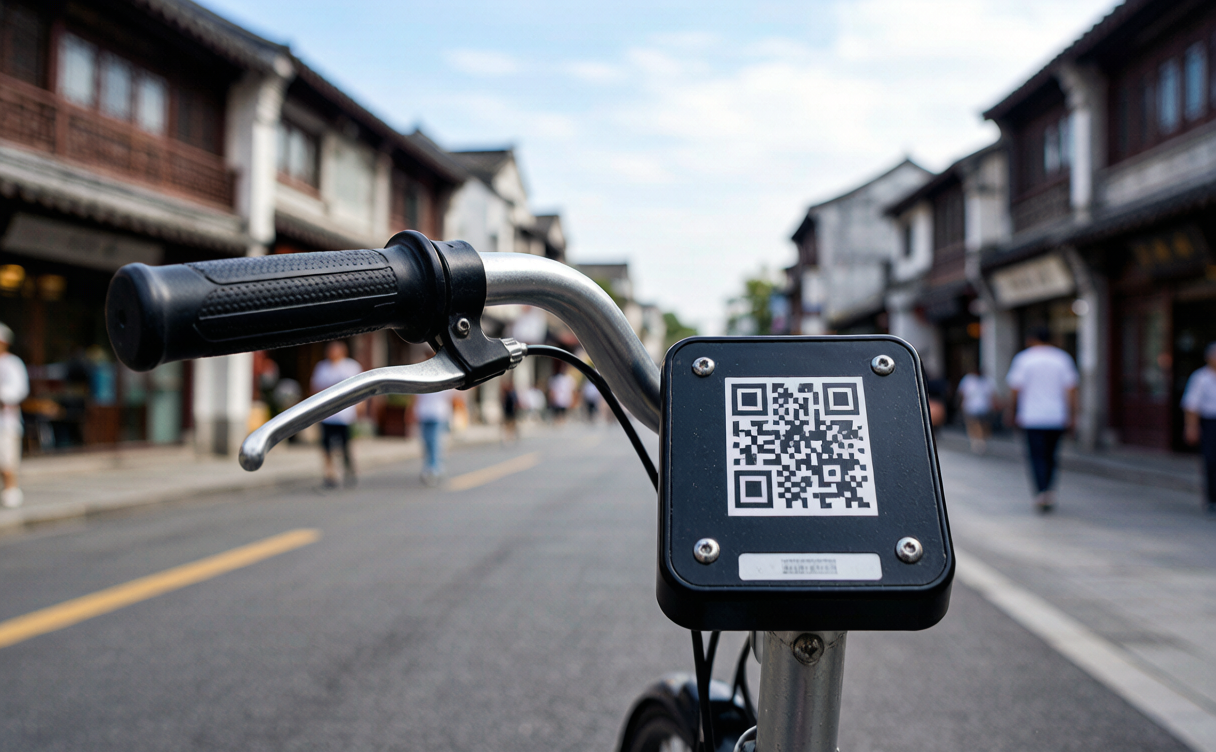
Meituan Bike (the orange ones), HelloBike (the blue ones), and DiDi’s Qingju (the green ones) dominate the market. You do not rent from a shop; you rent through a mini-program inside Alipay or WeChat. Each bike has a QR code on the rear mudguard or the lock, and scanning it releases the wheel lock within a second or two. There is no dock, no kiosk, and no human to talk to — the entire transaction is handled by your phone.
In Beijing the bikes are perfect for threading through the hutongs on foot or wheel, while in Yangshuo a shared e-bike is the most relaxing way to reach the countryside and karst scenery. For getting between metro stations, pair this guide with our China metro guide so you can ride the last mile to your hotel.
How to unlock Meituan bike with foreign passport
The short version: you cannot use the standalone Meituan app as a tourist, but you can use the Meituan Bike mini-program inside Alipay, which accepts foreign ID. Open Alipay, switch to English, and search “Meituan Bike” or “美团单车”. The first time you use it you complete real-name verification: choose “passport” as the document type, enter your passport number, and upload a photo of the ID page. Approval is usually instant. You then pre-authorise a small deposit or link a card, and the bike is yours to scan.
HelloBike Alipay mini program works the same way: search “HelloBike” inside Alipay, register with your passport, and you get a QR scanner. HelloBike is especially common outside the biggest tier-one cities and is often the only brand available in mid-sized towns, so it is worth setting up both Meituan and HelloBike so you are never stranded. If you have not yet bound a card to your wallet, pause and read our Alipay and WeChat Pay guide for foreigners first, because neither bike app will release a lock without a working payment method.
Shared e-bike rules China actually enforces
Most shared bikes now are pedal-assist e-bikes with a speed cap around 15 to 25 km/h. Rules you should respect:
- One rider per bike. Carrying a second person, especially a child, gets the bike flagged and can end your ride mid-trip.
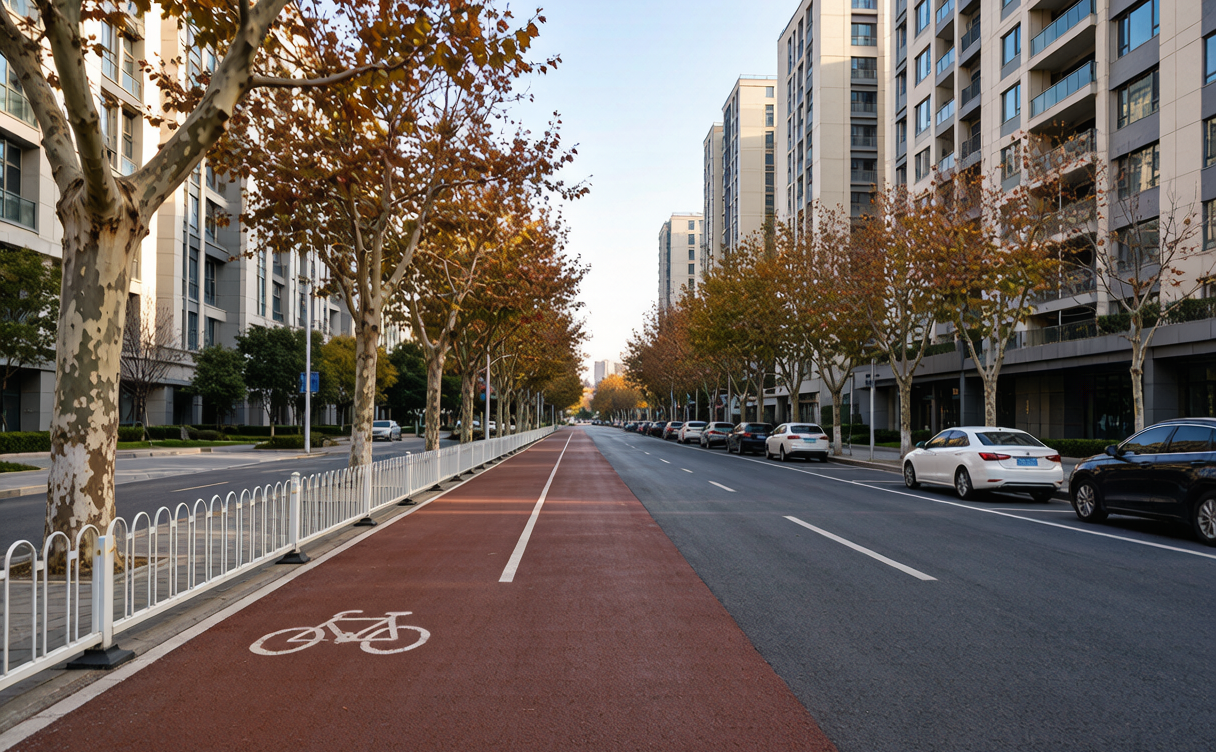
- Stay off sidewalks where signs forbid it. Many cities require bikes to use the painted cycle lane next to the road; riding on crowded footpaths draws fines and angry looks.
- Helmets are not usually provided and not strictly enforced for shared bikes, but wearing your own is wise on faster e-bike routes.
- No riding under the influence. The same penalties that apply to cars apply here, and the apps log your ride data.
- End your ride inside the service zone. Every city has a geofenced operating area; if you try to lock a bike outside it, the app keeps charging you or refuses to end the trip.
Bike sharing cost per ride China
Pricing is deliberately tiny to keep people riding. A standard pedal bike typically costs about 1.5 yuan for the first 15 to 30 minutes, then 1 yuan per extra 15 minutes. E-bikes are a little more, often 2 to 4 yuan for the first half hour. Monthly or weekly passes exist inside each mini-program and can drop the effective cost to pennies per ride if you commute daily. Compared with taxis, the saving is enormous, and it shows up clearly in our China travel budget per day maths for longer stays.
Concretely, a half-hour ride across central Beijing costs about ¥1.5–3 (US$0.20–0.40) on a pedal bike, against ¥20–30 for the same journey by taxi. A seven-day pass runs roughly ¥10–15 (US$1.40–2.10) and a 30-day pass ¥15–25, each covering unlimited rides below a set duration, usually two hours per trip. If you expect three or more rides a day, buy the pass on day one — the mini-program offers it the moment you unlock your first bike, and it pays for itself in around eight rides. Read the small print on e-bikes, though: most passes cover pedal bikes only, and the electric models bill separately at their own rate.
If you would rather not think about unlocking at all, our DiDi taxi guide explains ride-hailing as the no-pedal alternative for hot or rainy days.
Where can you park a shared bike in China
Parking is the part tourists get wrong. Cities use virtual parking zones shown as shaded areas in the app map; you must end your ride inside one, ideally in a marked ground slot. Parking on a busy sidewalk, across a shop doorway, or on a blind corner triggers a “non-compliant parking” fee of a few yuan and a warning. Repeated offences can freeze your account.
Look for the painted bike symbols on the pavement and the clusters of neatly lined bikes — that is your cue. Tuck your bike in straight, leave a gap for the next rider, and never block ramps or building entrances. In historic cores like the Beijing hutongs space is tight, so aim for the wider intersections rather than the narrow lanes.
When the bike will not unlock
Nine times out of ten the fault is one of five things, and each is fixable on the pavement in under a minute.
1. The bike is reserved or broken. A red or flashing indicator on the lock means somebody else holds it, or maintenance has flagged it. Do not fight it — walk to the next bike, and there is almost always one within fifty metres.
2. You are outside the service area. Geofencing stays invisible until it bites. Check the shaded zone on the app map; inside airport grounds, some university campuses and gated compounds, bikes simply will not release.
3. Your verification is still pending. Passport checks occasionally sit in review for a few hours. Open the mini-program’s account page and look for a red badge before you blame the hardware.
4. Payment is not authorised. A foreign card that happily buys coffee can still fail the pre-authorisation hold. Topping up your Alipay balance, or binding a second card, usually clears it at once.
5. A previous ride never ended. If you locked a bike by hand without the app confirming, the system still thinks you are riding. Open the current trip, end it, then raise the overcharge in-app — refunds are granted routinely.
If none of that helps, every mini-program has a customer service chat with automatic translation. Quote the bike number printed on the frame sticker and expect a daytime reply within minutes.
Bike sharing questions from visitors
Do I need a Chinese phone number? Not for the mini-programs inside Alipay, which accept a home number. The standalone apps generally do want a mainland number, which is exactly why the mini-program route matters for tourists.
Is there a deposit? Rarely now. Most operators dropped the old ¥99–199 deposit in favour of pay-per-ride, though some still place a small temporary hold on your card that clears in a few days.
Can two of us ride on one account? On most platforms you can unlock a second bike from the same account, and the app offers it explicitly. Riding two people on a single bike is the thing that gets you penalised.
What if the bike breaks mid-ride? Report it in the app with a photo and end the trip. Ordinary wear and tear is the operator’s problem, not yours.
Safety and etiquette
Chinese streets are busy and scooters appear from everywhere, so ride defensively. Use hand signals, slow at junctions, and never assume a car has seen you. At night, Meituan and HelloBike both have front and rear lights that switch on automatically, but add a phone flashlight if the lane is unlit. Lock the bike through the app even if the physical lock looks closed — a manual lock that the app did not register means you keep paying.
A note on the operators’ own information
Schedules, zones and prices shift, and the clearest source is the operator. The official HelloBike site explains the brand’s service areas and basic rules, and checking it once helps you understand why a bike refuses to unlock in a given district.
Bike sharing in China for foreigners is easier than it sounds: a passport, an Alipay wallet, and two mini-programs unlock millions of bikes across the country. Ride inside the zones, park in the marked slots, and you will see more of the city for less than the price of a bottle of water.